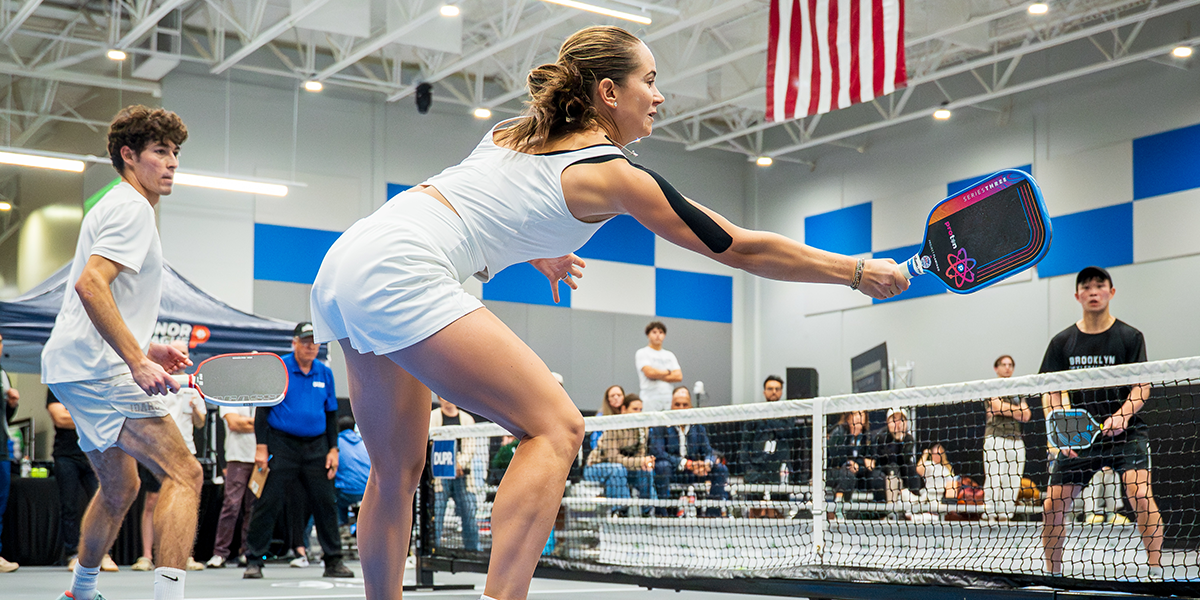
Amateur Pickleball Players Compete with Pros at Regionals
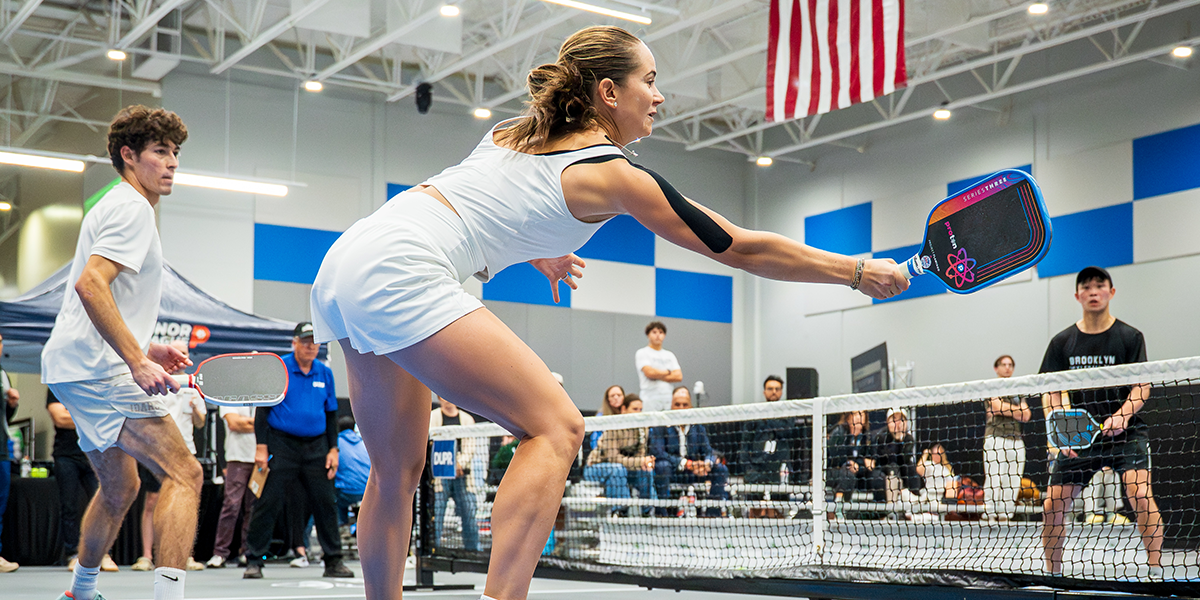
The landscape of competitive pickleball is evolving rapidly, and amateur players seeking to test their mettle against the sport's elite now have more opportunities than ever. Regional tournaments across the nation are breaking down traditional barriers between amateur and professional divisions, creating a unique proving ground where the best recreational players can compete directly with seasoned pros.
The Rise of Mixed Amateur-Pro Competition
Professional pickleball tournaments have traditionally maintained strict separation between amateur and professional divisions. However, the explosive growth of the sport—with over 36 million Americans now playing pickleball—has created a deeper talent pool that's demanding more competitive opportunities.
These regional showdowns represent a significant shift in tournament structure. Unlike major professional tours that focus exclusively on ranked players, these events create hybrid competition formats where skilled amateurs can earn their spot on the same courts as touring professionals.
Regional tournaments are becoming the proving grounds where tomorrow's professional players earn their stripes today.
The format serves multiple purposes: it provides amateur players with invaluable high-level competition experience while giving pros additional tournament opportunities and prize money between major tour events.
Key Regional Tournament Circuits
Several regional tournament circuits have emerged as premier destinations for amateur-pro competition:
- Southwest Regional Championship Series - Spanning Arizona, Nevada, and Southern California
- Midwest Open Circuit - Covering Illinois, Wisconsin, Michigan, and Ohio
- Atlantic Coast Pro-Am Series - Running from Virginia through Florida
- Pacific Northwest Challenge - Including Washington, Oregon, and Northern California
- Texas Triangle Tournament Trail - Connecting Houston, Dallas, and Austin
Each circuit maintains its own qualification standards, but most require amateur players to demonstrate skill ratings of 4.5 or higher through certified tournament play or sanctioned league competition.
Qualification Requirements and Tournament Structure
Getting into these elite amateur-pro competitions isn't simply a matter of paying an entry fee. Tournament directors have implemented rigorous qualification processes to ensure competitive balance:
Amateur Qualification Standards
- Verified skill rating of 4.5+ through USA Pickleball or sanctioned rating systems
- Documented tournament results from regional or national competitions
- Endorsement from certified teaching professionals or tournament directors
- Some events require qualifying matches held weeks before the main tournament
Tournament Format
Most regional pro-am events utilize a tiered bracket system that allows for organic competition flow. Players enter based on their skill level and proven results, but the tournament structure permits advancement between brackets based on performance.
Prize pools typically range from $15,000 to $50,000, with both amateur and professional players eligible for winnings. This financial incentive has attracted higher-caliber amateur players who might otherwise focus solely on recreational play.
Impact on Player Development
The emergence of these regional tournaments has created an entirely new pathway for player development. Previously, the gap between high-level amateur play and professional competition was significant—these events serve as a crucial bridge.
Amateur players benefit from:
- Exposure to professional-level strategy and shot selection
- Experience with tournament pressure and faster-paced gameplay
- Networking opportunities with sponsors and professional coaches
- Direct feedback on their competitive readiness for professional tours
Many current professional players credit regional pro-am tournaments as the catalyst that elevated their game from recreational to competitive level.
For professional players, these tournaments provide additional income opportunities and chances to maintain competitive sharpness between major tour events. The format also helps pros give back to the amateur community while staying active in tournament play.
What This Means for Competitive Pickleball
The success of regional amateur-pro tournaments signals a broader maturation of competitive pickleball. As the sport continues growing, traditional tournament structures are adapting to accommodate diverse skill levels and competitive aspirations.
This evolution benefits the entire pickleball ecosystem. Amateur players gain access to higher-level competition without immediately committing to professional status, while the sport develops a stronger pipeline of talent for professional tours.
Tournament directors report that these events consistently sell out, with waiting lists often exceeding available spots by 200-300%. The popularity suggests that regional pro-am competition will likely expand further in 2024 and beyond.
For the latest player standings and tournament results, check our rankings page where we track performance across all major regional circuits.
Frequently Asked Questions
How do I qualify for amateur-pro regional tournaments?
Most tournaments require a verified skill rating of 4.5 or higher, documented tournament results, and sometimes qualifying matches. Contact specific tournament directors for their exact requirements and application processes.
Can amateur players win prize money at these events?
Yes, amateur players are eligible for prize money at most regional pro-am tournaments. However, winning significant prize money may affect your amateur status for certain sanctioned events, so check USA Pickleball guidelines.
What's the typical skill gap between top amateurs and pros at these tournaments?
The gap has narrowed significantly in recent years. Top amateur players often compete closely with lower-tier professionals, though elite pros still maintain advantages in consistency, strategy, and pressure-situation performance.