The Defensive Revolution in Professional Pickleball
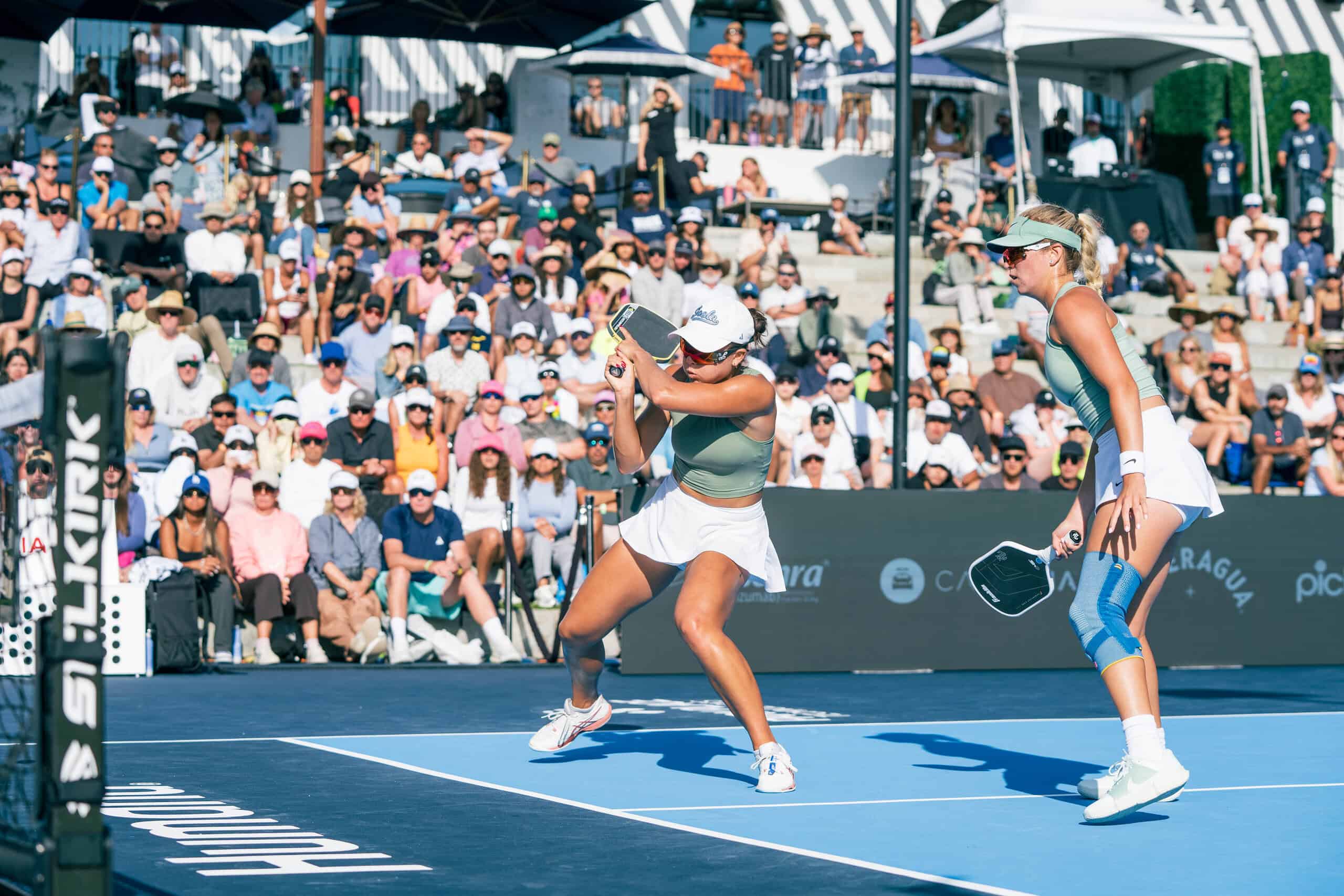 In the fast-paced world of professional pickleball, where power shots and aggressive play often dominate headlines, Anna Bright and Anna Leigh Waters have carved out their championship legacy through something entirely different: an ironclad defense that has redefined what's possible at the net.
Numbers Don't Lie: Statistical Dominance
The statistics paint a remarkable picture of defensive excellence. During their recent championship run, Bright and Waters didn't just win—they dominated with surgical precision. Their last five gold medal victories showcase this defensive mastery, with games concluding at an average score of 11-3.33. This isn't luck or coincidence; it's the result of a defensive system that turns opponents' aggressive shots into scoring opportunities. What makes these numbers even more impressive is the consistency behind them. While many teams experience ups and downs throughout tournaments, the Bright-Waters partnership maintains their defensive intensity regardless of the opponent or match situation.The Anatomy of Elite Defense
Their defensive prowess extends far beyond simple ball retrieval. The duo has mastered the art of defensive positioning, anticipating opponents' shots before they're even struck. This anticipation allows them to neutralize power plays that would typically result in winners against other teams. The key components of their defensive strategy include:- Court coverage optimization: Both players move in perfect synchronization, eliminating gaps that opponents might exploit
- Shot selection discipline: Rather than forcing aggressive returns, they focus on consistent, well-placed defensive shots that gradually shift momentum
- Mental fortitude: Their ability to remain patient during long rallies often forces opponents into unforced errors
Transforming Defense into Offense
What separates elite defenders from good ones is the ability to transition seamlessly from defense to offense. Bright and Waters have perfected this transition, using their opponents' aggression against them. When facing powerful drives or overhead slams, they don't just return the ball—they place it strategically to create offensive opportunities. This defensive-to-offensive transition has become their signature move, catching opponents off-guard who expect desperate defensive returns rather than calculated counterattacks.The Psychological Impact
Beyond the physical aspects of their defensive game, there's a significant psychological component. Opponents who repeatedly see their best shots returned with apparent ease often become frustrated, leading to increasingly risky shot attempts. This psychological pressure compounds throughout matches, explaining why their opponents' scores often remain surprisingly low. The mental game extends to their own partnership as well. The confidence that comes from knowing your partner can handle any shot creates a feedback loop of improved performance and increased risk-taking in appropriate situations.Setting New Standards for Women's Doubles
The impact of Bright and Waters' defensive excellence extends beyond their own success. They've raised the bar for women's doubles play, forcing other teams to reconsider their strategies and training focus. Many teams now dedicate significantly more practice time to defensive drills and court positioning. This shift in the competitive landscape demonstrates how innovative approaches to traditional aspects of the game can create lasting change throughout the sport.Training and Preparation
Their defensive mastery didn't develop overnight. Both players have invested countless hours in defensive-specific training, working on reaction time, court movement, and shot placement under pressure. This dedication to the less glamorous aspects of pickleball has paid dividends when it matters most—during championship matches. The partnership also benefits from their complementary playing styles and court awareness, allowing them to function as a single defensive unit rather than two individual players.Looking Ahead: Defensive Evolution
As the pickleball landscape continues to evolve, the defensive excellence demonstrated by Bright and Waters provides a blueprint for sustained success. Their approach proves that while power and aggression capture attention, consistency and defensive intelligence win championships. Their continued dominance suggests that defense will remain a crucial component of elite pickleball strategy, influencing how future generations of players approach the game.Frequently Asked Questions
What makes Anna Bright and Anna Leigh Waters' defense so effective?
Their defense combines exceptional court positioning, perfect synchronization between partners, and the ability to transform defensive shots into offensive opportunities. Their patient approach and mental toughness also force opponents into making unforced errors.
How have they influenced other professional pickleball teams?
Their success has led many teams to prioritize defensive training and court positioning drills. The consistent low scores they achieve have demonstrated that strong defense can be more effective than purely aggressive strategies, changing how teams approach match preparation.
What can recreational players learn from their defensive style?
Recreational players can focus on patience, court positioning, and consistent shot placement rather than trying to hit winners on every shot. Their approach shows that staying in rallies longer and letting opponents make mistakes can be more effective than forcing risky shots.