EPP vs MPP Foam: Which Pickleball Paddle Core Wins?
Understanding Foam Core Technology in Modern Pickleball Paddles
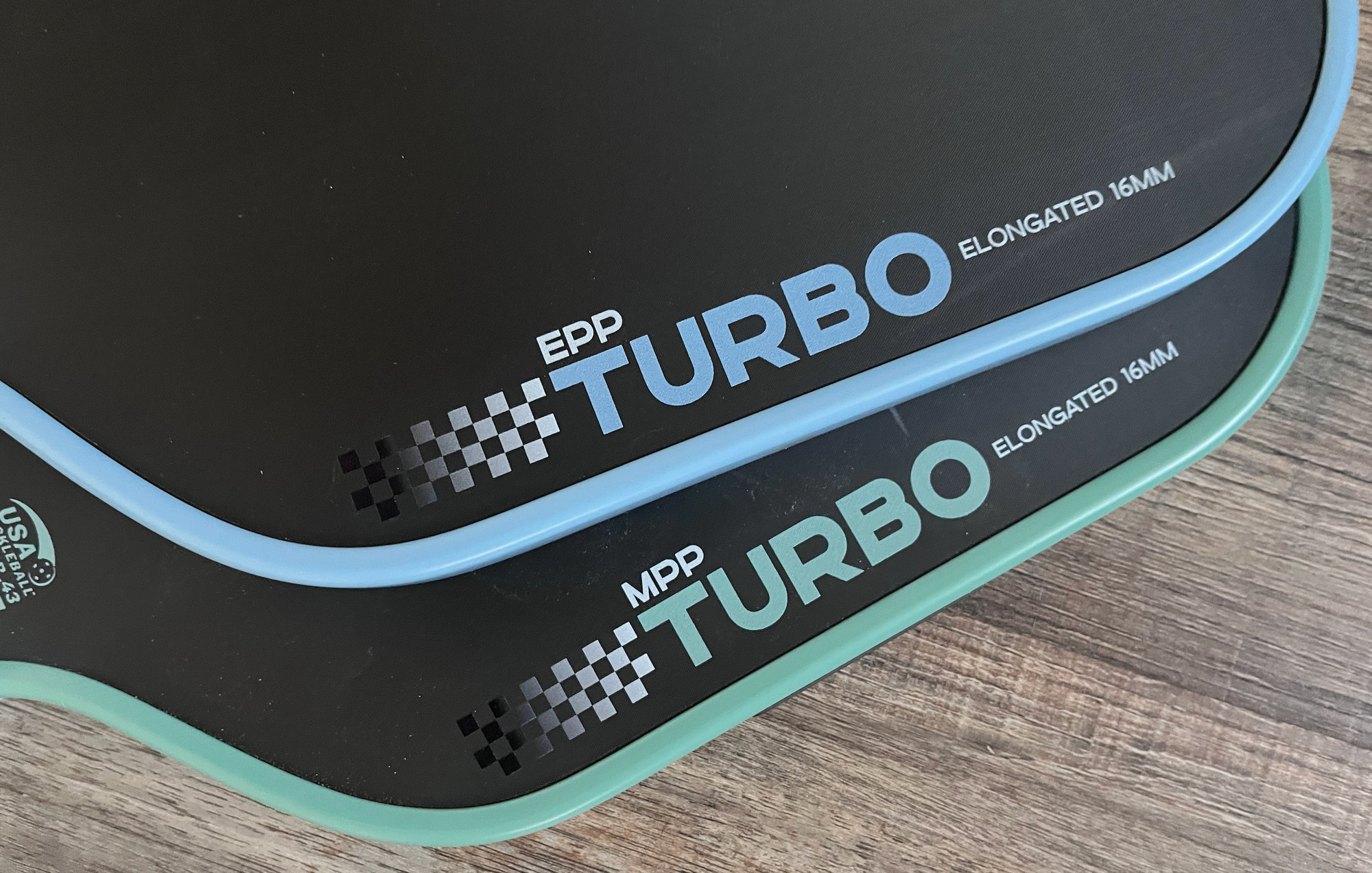
The pickleball paddle industry has witnessed a foam core revolution, with manufacturers increasingly turning to advanced materials to enhance performance. Two foam technologies now dominate the conversation: Expanded Polypropylene (EPP) and Molded Polypropylene (MPP). While these materials share similar names, they deliver distinctly different playing experiences that can dramatically impact your game.
EPP Foam: The Forgiving Powerhouse
What Makes EPP Special
EPP foam consists of tiny polypropylene beads that are expanded and fused together, creating a lightweight yet durable core structure. This unique manufacturing process results in excellent energy absorption and a more muted feel upon ball contact.
Performance Characteristics
Players choosing EPP foam cores can expect:
- Enhanced forgiveness: The foam's energy-absorbing properties reduce vibration and provide a softer feel
- Improved control: Less ball pop-off allows for more precise shot placement
- Reduced arm fatigue: Superior vibration dampening protects against tennis elbow
- Consistent power: Reliable energy transfer across the paddle face
EPP foam excels in situations requiring finesse and control, making it ideal for players who prioritize placement over raw power. The muted response helps during soft game situations like dinking and drop shots.
MPP Foam: The Crisp Performer
MPP Construction Differences
MPP foam utilizes a molded polypropylene construction that creates a denser, more responsive core. This manufacturing approach results in a stiffer paddle with increased energy return and a noticeably crisper feel.
Key Performance Benefits
MPP foam delivers:
- Enhanced pop: Greater energy return generates more power with less effort
- Crisp feedback: Clear tactile response helps players gauge shot quality
- Improved responsiveness: Quick energy transfer for aggressive play styles
- Solid construction: Dense foam structure provides durability and longevity
Players who prefer an active, aggressive style often gravitate toward MPP foam cores. The increased responsiveness particularly benefits power players who rely on drives and put-away shots.
Head-to-Head Comparison: EPP vs MPP
Power Generation
MPP foam typically provides superior power generation due to its higher energy return coefficient. The denser construction transfers more energy back to the ball, resulting in faster shot speeds with similar swing efforts.
Control and Feel
EPP foam excels in control applications, offering a more muted response that allows players to make subtle adjustments during play. The softer feel provides better feedback for touch shots and delicate net play.
Durability and Longevity
Both foam types offer excellent durability, but through different mechanisms. EPP's flexibility helps it absorb impacts without structural damage, while MPP's density provides resistance to compression and deformation.
Choosing the Right Foam for Your Game
Your ideal foam core depends on several factors:
Choose EPP if you:
- Prioritize control over raw power
- Experience arm fatigue or joint discomfort
- Focus on finesse and placement shots
- Prefer a muted, comfortable feel
Choose MPP if you:
- Want maximum power generation
- Enjoy crisp, responsive feedback
- Play an aggressive baseline style
- Prefer traditional paddle feel
The Future of Foam Core Technology
As pickleball continues evolving, manufacturers are experimenting with hybrid foam constructions and advanced materials. Some paddles now feature multi-layer cores that combine EPP and MPP characteristics, offering players the best of both worlds.
Ultimately, foam core selection remains highly personal. Testing different paddle options and understanding how EPP vs MPP characteristics align with your playing style will help you make the optimal choice for your game.
Frequently Asked Questions
Can I switch between EPP and MPP paddles easily?
While both are foam cores, the feel difference is significant enough that most players need 2-3 sessions to adjust when switching between foam types. The transition is manageable but noticeable.
Which foam type lasts longer?
Both EPP and MPP offer excellent longevity, typically lasting 1-2 years with regular play. EPP may show less visible wear due to its flexibility, while MPP maintains consistent performance characteristics longer.
Do professional players prefer EPP or MPP foam?
Professional preferences vary widely based on playing style. Control-oriented pros often choose EPP for its precision, while power players frequently select MPP for its responsiveness. Personal preference ultimately outweighs foam type at the professional level.