How Closely Should You Watch the Ball in Pickleball?
Every pickleball player has heard it countless times: "Keep your eye on the ball." This fundamental advice has echoed through tennis courts for generations, but does it translate perfectly to the fast-paced world of pickleball? With over 36 million Americans now playing pickleball, understanding proper visual focus techniques has become crucial for players looking to elevate their game beyond recreational level.
The answer isn't as straightforward as you might think. While ball-watching remains important in pickleball, the unique dynamics of the sport—including the non-volley zone, slower ball speeds, and emphasis on placement over power—create situations where your visual attention might be better served elsewhere.
The Science Behind Ball Tracking in Pickleball
Professional pickleball players don't actually watch the ball as intensely as beginners might expect. Research in racquet sports shows that elite players use peripheral vision and predictive tracking rather than constant direct focus on the ball itself.
During a typical pickleball rally, your eyes process multiple streams of information:
- Ball trajectory and spin
- Opponent positioning and body language
- Court boundaries and the kitchen line
- Your partner's movement (in doubles play)
- Available target areas for your return shot
The key lies in knowing when to prioritize each visual input. Unlike tennis, where ball speeds can exceed 100 mph, pickleball's slower pace allows players more time to process visual information and make strategic decisions.
When to Focus Intensely on the Ball
Certain shots in pickleball demand your complete visual attention on the ball. These high-focus moments typically involve technical precision or challenging ball trajectories.
Serve and Return Situations
During serves and service returns, intense ball focus becomes critical. The serve initiates each point, and a mishit return can immediately put you on the defensive. Watch the ball from your opponent's paddle contact through your own paddle contact, especially when dealing with:
- Spin serves that curve or bounce unexpectedly
- Deep serves near the baseline
- Short serves that barely clear the net
Difficult or Defensive Shots
When you're stretched wide or forced into an uncomfortable position, narrow your focus to the ball. These pressure situations leave little room for error, and proper ball contact becomes your primary concern over court positioning or opponent movement.
Professional players maintain intense ball focus during approximately 40% of their shots, reserving maximum visual attention for technically demanding situations.
When to Shift Your Visual Focus
The most significant difference between recreational and advanced pickleball players often lies in knowing when not to watch the ball obsessively. Strategic court awareness frequently trumps ball-watching, particularly during net play.
Dinking and Kitchen Play
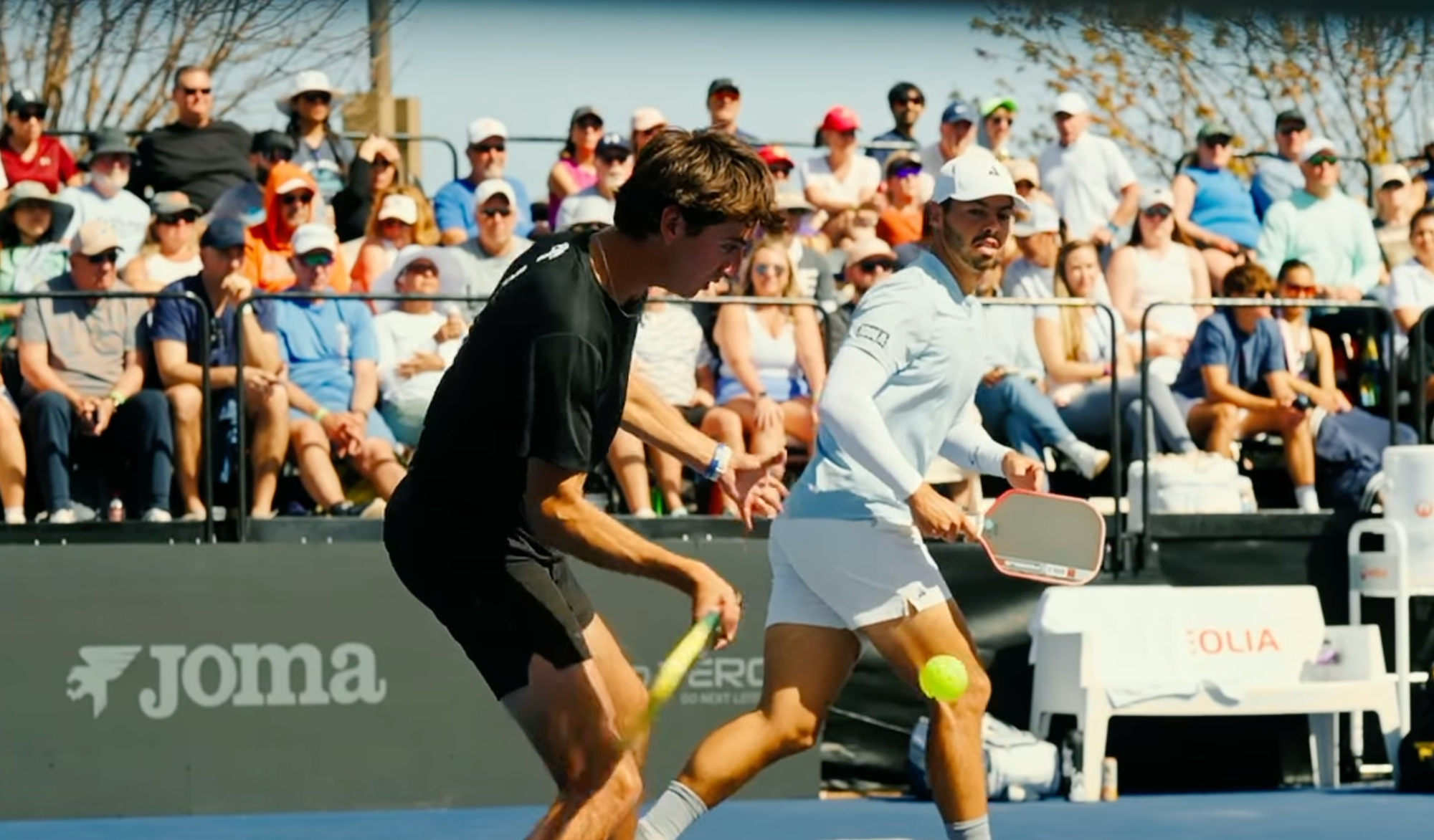
During dinking exchanges at the non-volley zone, excessive ball focus can actually hurt your game. Once you've read the incoming dink's trajectory, shift your attention to:
- Your opponent's paddle position and body stance
- Open court areas for potential winners
- Your partner's positioning for doubles coordination
- Opportunities to change pace or direction
The relatively predictable nature of most dinks allows experienced players to track the ball peripherally while gathering strategic information about court positioning.
Transition Shots and Third Shot Drops
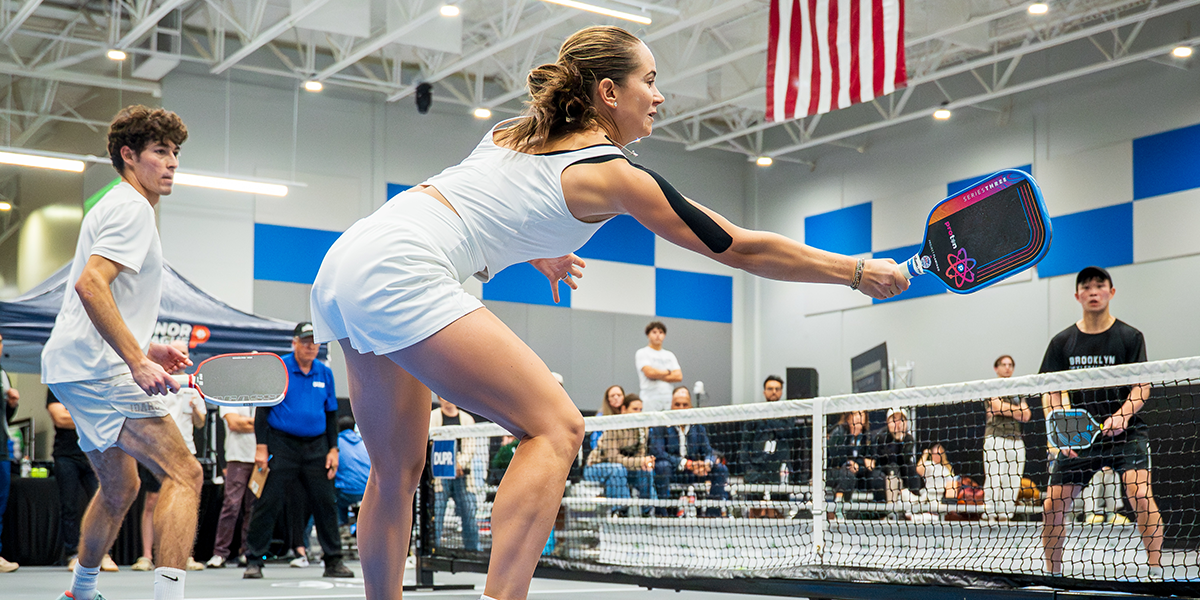
The critical third shot drop—often determining who controls the net—requires a balance of ball focus and court awareness. While you need sufficient ball focus for clean contact, spending too much attention on the ball can cause you to miss key positioning opportunities as you move forward toward the kitchen line.
Developing Proper Visual Habits
Building effective visual habits in pickleball requires deliberate practice and awareness of your current tendencies. Most recreational players either watch the ball too intensely throughout every rally or lose focus at crucial moments.
Practice Drills for Visual Focus
Try these specific drills to improve your visual decision-making:
- Peripheral Dinking: During dinking practice, call out your opponent's paddle position before making your shot
- Ball and Body: Practice watching the ball through contact, then immediately shifting to your opponent's body position
- Target Practice: Set up targets on court and practice hitting them while maintaining appropriate ball focus for each shot type
For comprehensive gear recommendations to support your visual training, check our in-depth paddle reviews for equipment that can enhance your court performance.
Common Visual Mistakes to Avoid
Even intermediate players fall into predictable visual traps that limit their court effectiveness:
- Watching their own shots after contact instead of preparing for the next ball
- Over-focusing on the ball during routine shots, missing strategic opportunities
- Losing ball focus too early on challenging shots, leading to mishits
- Failing to read opponent body language during crucial points
The best pickleball players seamlessly transition between intense ball focus and strategic court awareness, often switching multiple times during a single rally.
Shot-Specific Visual Strategies
Different pickleball shots require distinct visual approaches. Understanding these nuances separates recreational players from those ready for competitive tournament play.
Drives and Power Shots: Maintain intense ball focus from opponent contact through your own contact. The increased ball speed leaves little time for strategic processing.
Drop Shots: Focus on the ball through contact, then immediately assess opponent positioning as they potentially rush the net.
Volleys: Use peripheral ball tracking while maintaining awareness of court gaps and opponent movement patterns.
Lobs: Track the ball overhead while positioning your body, but shift to court positioning once you've determined the landing area.
For current tournament strategies and how top players manage visual focus under pressure, check our latest player standings and analysis.
Frequently Asked Questions
Should I watch the ball differently in singles versus doubles pickleball?
Yes, doubles play requires more peripheral awareness since you must coordinate with a partner and track two opponents. In singles, you can afford slightly more intense ball focus since court coverage responsibilities are solely yours.
How do I know if I'm watching the ball too much during rallies?
If you frequently find yourself surprised by opponent positioning, missing easy put-away opportunities, or feeling reactive rather than proactive during points, you may be over-focusing on the ball at the expense of strategic court awareness.
What's the biggest visual mistake recreational pickleball players make?
Most recreational players either watch their own shots after hitting them instead of preparing for the next ball, or they maintain intense ball focus during routine shots when they should be reading opponents and identifying strategic opportunities.