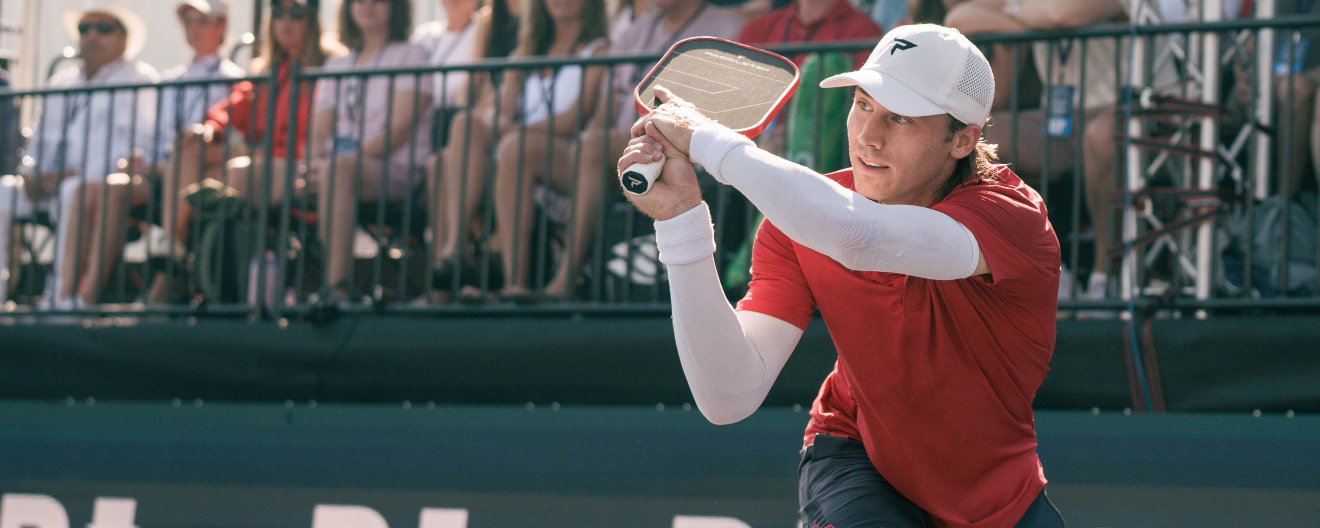
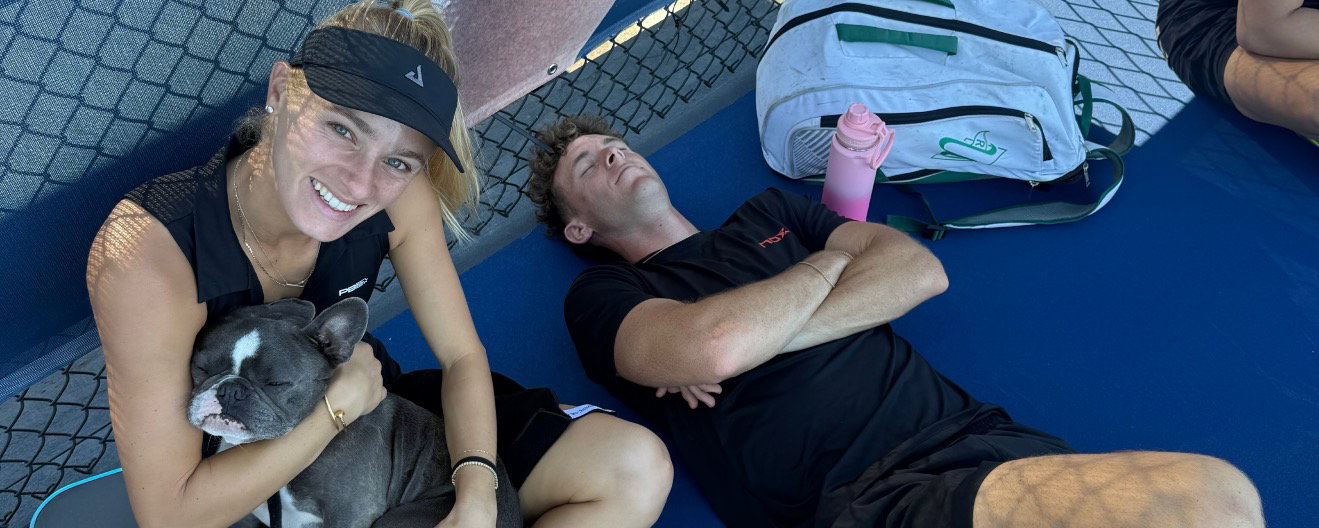
Ever wondered what goes on behind the scenes with professional pickleball players on tournament day? Rising star Kiora Kunimoto pulled back the curtain to reveal her daily routine and mental preparation during the Veolia Atlanta Pickleball Championships, offering fascinating insights into the life of a competitive athlete.
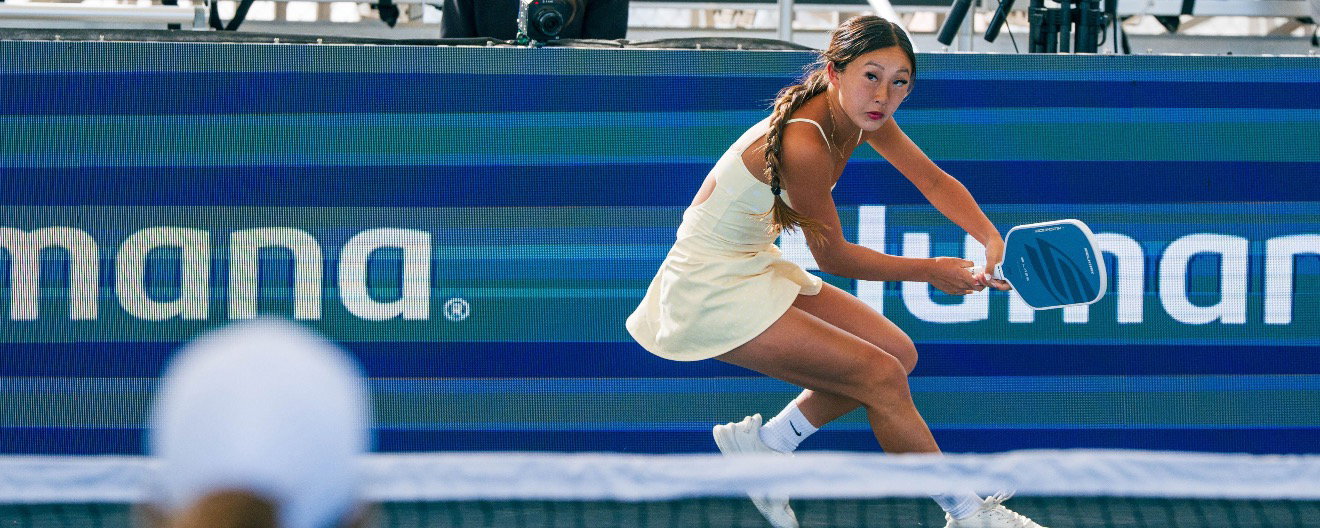
Early Morning Preparation Sets the Stage
Kunimoto's tournament day begins with discipline and routine. Rising at 7:30 AM, she ensures adequate time for proper preparation before stepping onto the court. Her approach to breakfast reflects the careful balance many athletes must strike between fueling their bodies and avoiding pre-competition discomfort.
"I usually eat a light breakfast," Kunimoto explained. "Today, I had a banana and granola bar." This strategic choice provides quick energy without the heaviness that could impact performance during intense rallies.
By 9:00 AM, she was already on-site, emphasizing the importance of arriving early to establish comfort in the competitive environment. This early arrival allows players to acclimate to court conditions, lighting, and atmosphere before matches begin.
Comprehensive Warm-Up Routine
Kunimoto's pre-match preparation showcases the thoroughness required at the professional level. Her warm-up routine covers every aspect of pickleball technique, including:
- Stroke mechanics and timing
- Volley precision at the net
- Overhead power and placement
- Serve consistency and variety
- Return positioning and technique
- Live practice points for match simulation
Training alongside fellow professional Samantha Parker, Kunimoto benefits from high-level practice that mirrors actual match intensity. This collaborative approach allows players to fine-tune their games while building confidence before competition.
Mental Preparation and Nerve Management
Perhaps most revealing was Kunimoto's honest discussion about pre-match nerves, a reality that many recreational players can relate to. "I actually do get very nervous before I play," she admitted. "But once I get on the court, then I'm fine. It's more leading up to it that I'm nervous."
This transparency highlights an important aspect of competitive sports - even professional athletes experience anxiety. The key lies in managing those nerves and channeling nervous energy into focused performance once competition begins.
Tournament Psychology and Early Round Challenges
Competing in the Round of 32, Kunimoto noted that early tournament stages often bring the most psychological pressure. Unlike later rounds where players have found their rhythm, early matches require athletes to quickly establish their competitive mindset and adapt to tournament conditions.
The psychological aspect of tournament play cannot be understated. Players must balance aggressive shot-making with consistency, while managing expectations and external pressures. Kunimoto's approach demonstrates the mental maturity that separates rising stars from the broader field.
Professional Development and Future Prospects
Kunimoto's methodical approach to tournament preparation reflects the dedication required to compete at the PPA level. Her willingness to share insights into her routine demonstrates the growing professionalism within pickleball, where players understand their roles as ambassadors for the sport.
The Atlanta Championships represent another stepping stone in Kunimoto's professional development. Each tournament provides valuable experience in managing pressure, adapting to different playing conditions, and competing against diverse playing styles.
Lessons for Recreational Players
While most players won't compete at Kunimoto's level, her approach offers valuable lessons for recreational tournament participants:
- Establish consistent pre-match routines
- Allow adequate time for comprehensive warm-up
- Accept pre-match nerves as normal
- Focus on process rather than outcomes
- Fuel properly without overcomplicating nutrition
These principles can help players at any level perform their best when competition matters most.
Frequently Asked Questions
How long should players warm up before tournament matches?
Based on Kunimoto's routine, arriving 1-2 hours before match time allows for proper warm-up covering all stroke types, practice points, and mental preparation without rushing.
How do professional players manage pre-match nerves?
Like Kunimoto, most pros accept nerves as normal and focus on their preparation routine. The key is trusting that nerves will settle once play begins and channeling that energy positively.
What should players eat before tournament matches?
Light, easily digestible foods like bananas and granola bars provide energy without causing discomfort. Avoid heavy meals that could impact movement and agility during play.