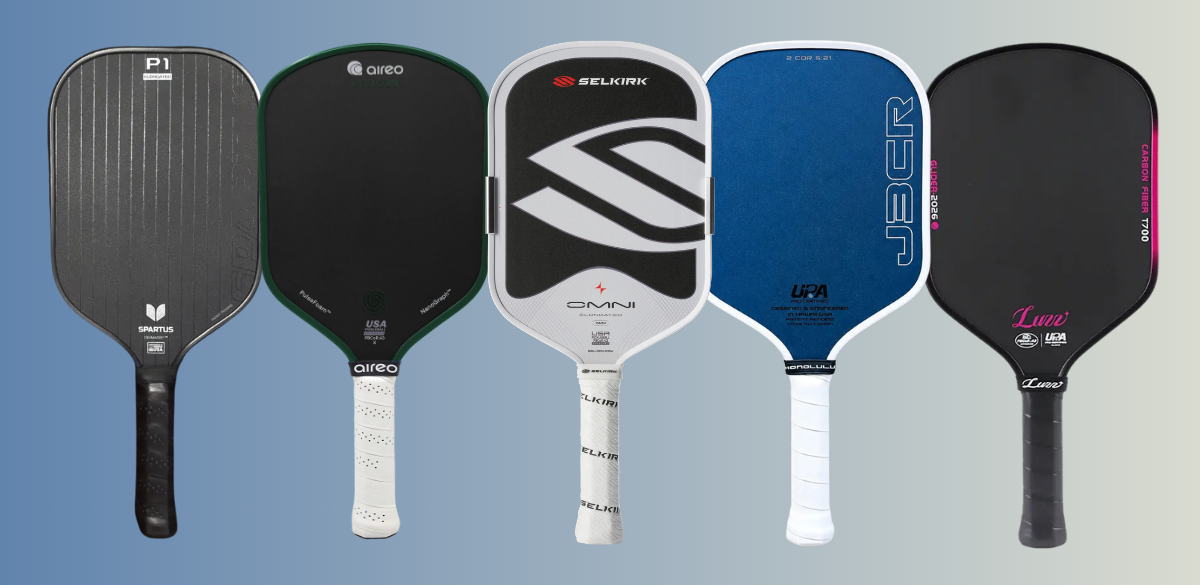
The Patent Battle That Could Reshape Pickleball Equipment
While the pickleball community has been buzzing about JOOLA's legal action against eleven major paddle manufacturers, the true implications of this lawsuit extend far beyond the named defendants. The patents at the heart of this case are written with such broad language that they could potentially give JOOLA control over the fundamental construction methods used in virtually every high-performance paddle currently on the market.
Understanding the Scope of JOOLA's Patent Claims
The two patents central to JOOLA's lawsuit cover construction techniques that have become industry standards across multiple paddle generations. From Gen 3 and Gen 4 designs to full foam cores and peninsula core configurations, these patents encompass the technological foundations that define modern pickleball paddle engineering.
What makes this situation particularly concerning for manufacturers and players alike is the breadth of the patent language. Legal experts suggest that if courts interpret these patents in their widest possible scope, JOOLA could effectively own the licensing rights to construction methods that nearly every major manufacturer currently employs.
The Timeline That Matters
These patents won't expire until 2043, meaning JOOLA could potentially control essential paddle construction techniques for the next seventeen years. This timeframe represents multiple generations of paddle evolution and could significantly impact innovation across the entire industry.
Industry-Wide Implications Beyond the Defendants
While eleven companies are currently named in the lawsuit, the ramifications could affect every paddle manufacturer in the market. If JOOLA's broad interpretation of their patents holds up in court, companies not currently involved in the litigation may find themselves facing similar challenges or needing to license technology from JOOLA to continue producing competitive paddles.
This scenario could fundamentally alter the competitive landscape of pickleball equipment. Smaller manufacturers who have built their businesses around these now-contested construction methods might struggle to afford licensing fees or be forced to develop entirely new approaches to paddle design.
Innovation Under Threat
The paddle industry has experienced rapid innovation over the past few years, with manufacturers constantly pushing boundaries in materials science, core design, and surface technology. A broad patent interpretation could stifle this innovation by creating legal uncertainty around fundamental construction techniques that serve as starting points for new developments.
What This Means for Players
For pickleball enthusiasts, this patent dispute could have several significant impacts. First, paddle prices might increase if manufacturers need to pay licensing fees to JOOLA or invest heavily in developing alternative construction methods that avoid the contested patents.
Second, the variety of available paddles could potentially decrease if smaller manufacturers exit the market due to legal pressures or licensing costs. This consolidation could reduce the diverse range of playing characteristics that currently allows players to find paddles perfectly suited to their individual styles.
The Quality Question
There's also concern about whether alternative construction methods developed to avoid JOOLA's patents would maintain the performance standards players have come to expect from modern paddles. The contested techniques have become industry standards precisely because they deliver superior performance characteristics.
Legal Strategy and Precedent
JOOLA's decision to pursue such a broad patent enforcement strategy represents a significant gamble. While success could establish them as the dominant force in paddle manufacturing, an unfavorable court interpretation could weaken their patent position and open the door for competitors to challenge other aspects of their intellectual property portfolio.
The case also sets important precedents for how patent law applies to rapidly evolving sports equipment industries. The outcome could influence how future patents are written and enforced across all racket sports equipment.
Looking Forward
As this legal battle unfolds, the entire pickleball industry is watching closely. The resolution of this case will likely define the competitive landscape for years to come and could influence everything from paddle prices to innovation timelines.
Manufacturers are already beginning to explore alternative design approaches, but the uncertainty created by pending litigation makes strategic planning extremely challenging. Players and retailers alike are left wondering how this legal battle will ultimately affect product availability and pricing.
Frequently Asked Questions
Which companies are currently being sued by JOOLA?
JOOLA has filed patent infringement lawsuits against eleven major pickleball paddle manufacturers, though the broad nature of their patents could potentially affect many more companies in the industry beyond these specific defendants.
How long will JOOLA's patents remain valid?
The patents at the center of this lawsuit are set to expire in 2043, giving JOOLA potential control over these construction methods for approximately seventeen more years if their legal claims are successful.
Could this lawsuit affect paddle prices for consumers?
Yes, if JOOLA wins broad patent protection, manufacturers may need to pay licensing fees or develop more expensive alternative construction methods, costs that would likely be passed on to consumers through higher paddle prices.