The Return Scam That's Targeting Pickleball Players
A sophisticated new scam is targeting pickleball enthusiasts at major sporting goods retailers across the country. Fraudsters are purchasing legitimate paddles from stores like Dick's Sporting Goods, replacing them with convincing counterfeits, and returning the fake products for full refunds. The result? Unsuspecting customers are unknowingly buying counterfeit equipment at premium prices.
How the Scam Works
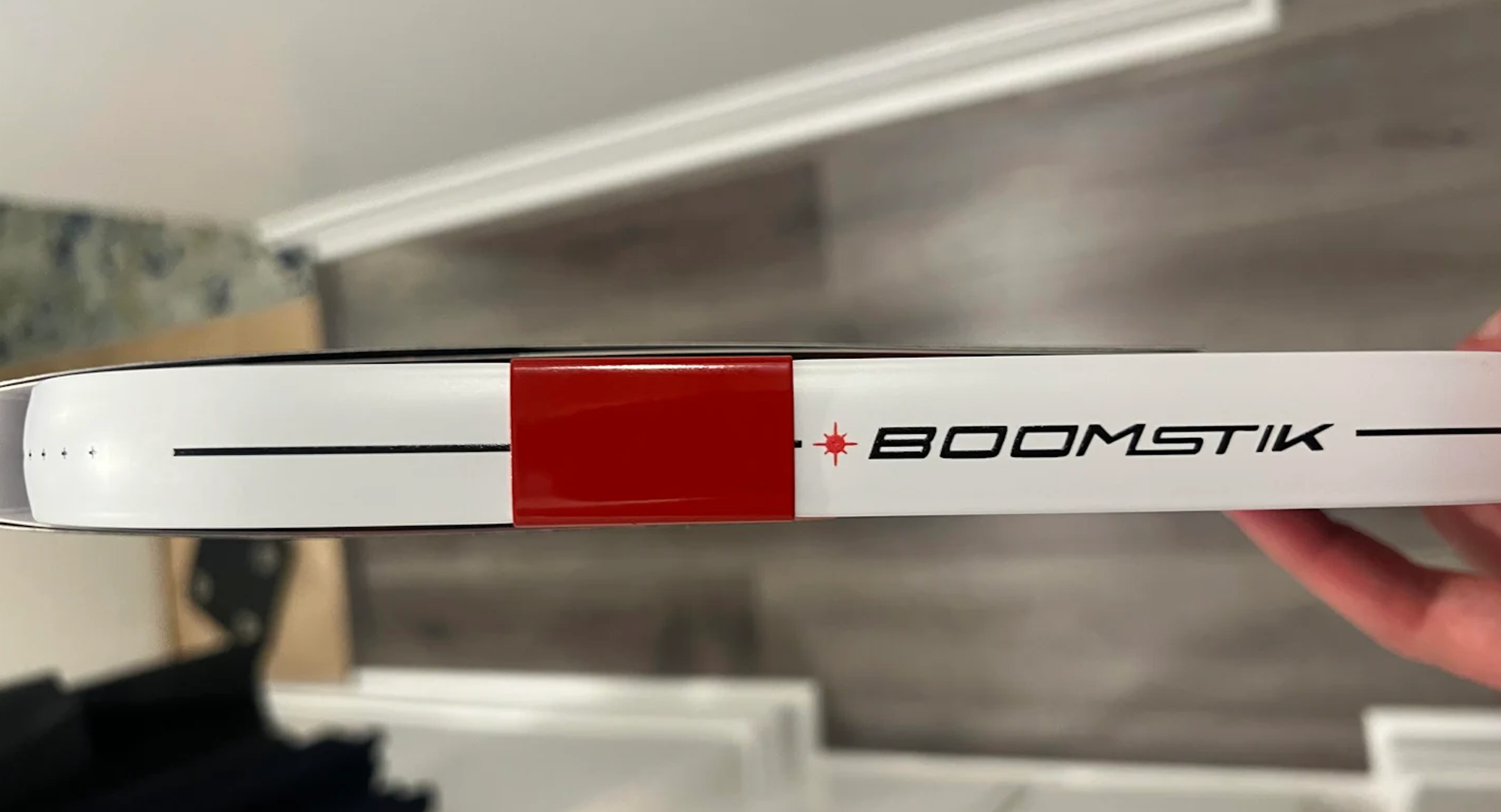
The scheme is deceptively simple yet effective. Scammers purchase high-end pickleball paddles from major retailers, then carefully remove the genuine paddle and replace it with a counterfeit version that closely mimics the original's appearance. They repackage everything to look untouched and return the item within the store's return window.
Since most retail employees aren't trained to spot subtle differences between authentic and fake paddles, these returns are processed without question. The counterfeit paddles then go back on shelves as "new" merchandise, ready to deceive the next customer.
Why This Scam Is Exploding Now
Several factors have created the perfect storm for this type of fraud:
Rising Equipment Costs: Premium paddles now routinely cost $150-300, making them attractive targets for fraudsters seeking high-value returns.
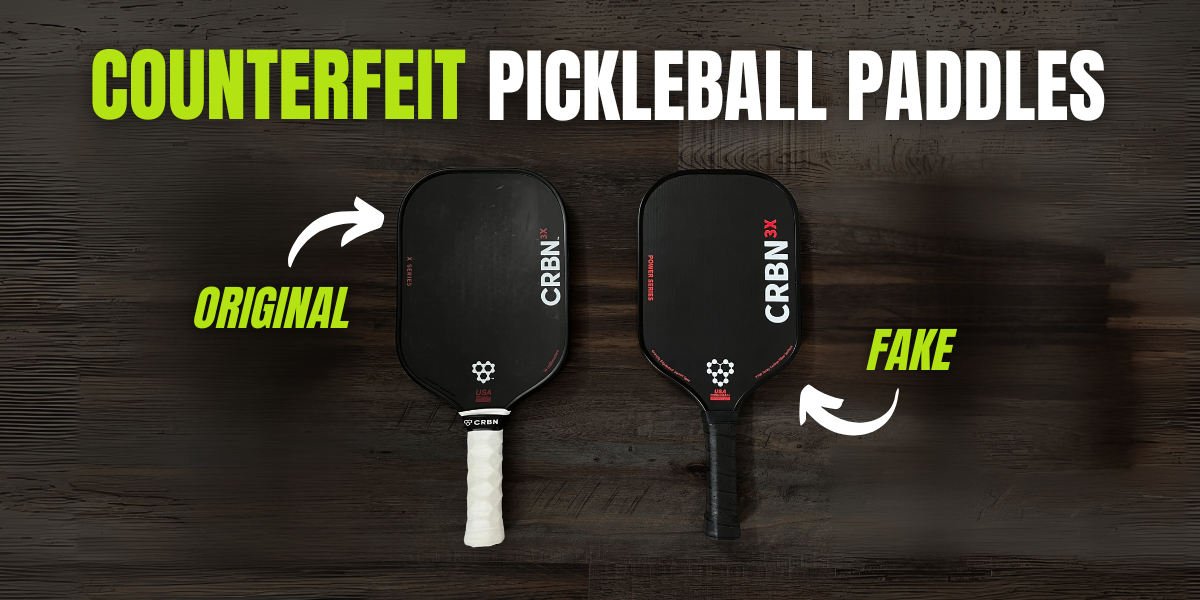
Advanced Counterfeiting: Modern fake paddles are increasingly sophisticated, featuring convincing logos, packaging, and even weight distribution that can fool casual inspection.
Liberal Return Policies: Major retailers' customer-friendly return policies, designed to build loyalty, inadvertently enable this type of fraud.
Red Flags to Watch For
Protecting yourself starts with knowing what to look for when purchasing paddles from big box stores:
Packaging Issues
Examine the packaging carefully. Look for resealed tape, misaligned labels, or packaging that appears to have been opened and refolded. Authentic products typically have crisp, perfectly aligned packaging materials.
Weight and Feel Discrepancies
Counterfeit paddles often feel different from genuine ones. They may be noticeably lighter or heavier, or have an unusual balance point. If you're familiar with a particular paddle model, trust your instincts if something feels off.
Quality Control Details
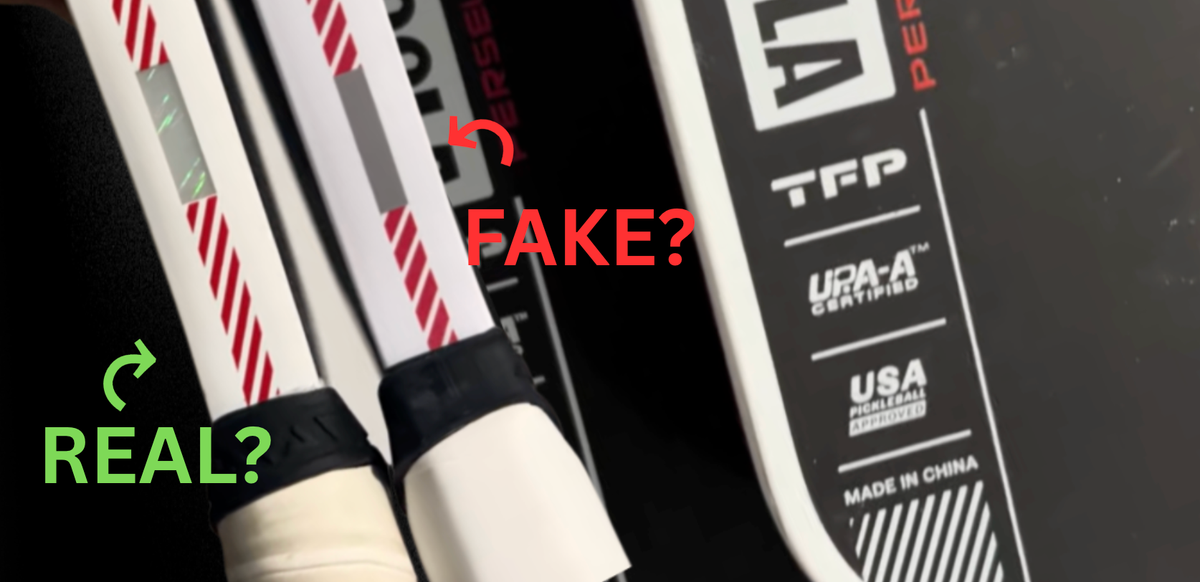
Authentic paddles feature precise craftsmanship. Check for crooked logos, uneven edge guards, poor-quality grip tape, or surface imperfections that suggest inferior manufacturing.
What Retailers Are Doing
Some major sporting goods chains are beginning to implement countermeasures, including enhanced employee training and stricter return verification procedures. However, the rapidly evolving nature of counterfeiting makes this an ongoing challenge.
Several retailers have started requiring receipts for all returns and implementing waiting periods for high-value items. Some stores are also beginning to use authentication services for premium equipment returns.
Protecting Yourself as a Consumer
Beyond visual inspection, consider these protective strategies:
Buy from Authorized Dealers: When possible, purchase directly from manufacturer-authorized retailers or the brand's official website.
Register Your Paddle: Many manufacturers offer product registration that can help verify authenticity and provide warranty protection.
Keep Documentation: Save receipts, product codes, and any authentication materials that come with your paddle.
Report Suspicious Products: If you suspect you've encountered a counterfeit, report it to both the retailer and the paddle manufacturer.
The Bigger Picture
This scam represents more than just individual consumer fraud—it's damaging the entire pickleball ecosystem. Legitimate manufacturers lose revenue, retailers face increased security costs, and players may unknowingly compete with equipment that doesn't meet official standards.
The rise in counterfeit paddles has prompted USA Pickleball to implement more rigorous equipment testing at tournaments, adding another layer of complication for players who unknowingly purchase fake equipment.
Frequently Asked Questions
How can I verify if my paddle is authentic after purchase?
Contact the manufacturer directly with your paddle's serial number or product codes. Most reputable brands can verify authenticity through their customer service departments. You can also compare your paddle's specifications and appearance against official product images on the manufacturer's website.
What should I do if I discover I bought a counterfeit paddle?
Immediately return to the retailer with your receipt and explain the situation. Most stores will provide refunds for counterfeit merchandise. Also report the incident to the paddle manufacturer and consider filing a complaint with your state's consumer protection agency to help track these fraud patterns.
Are counterfeit paddles legal to use in tournaments?
No, counterfeit paddles are not approved by USA Pickleball and cannot be used in sanctioned tournaments. Using non-approved equipment can result in disqualification and may affect your tournament standing or ratings.