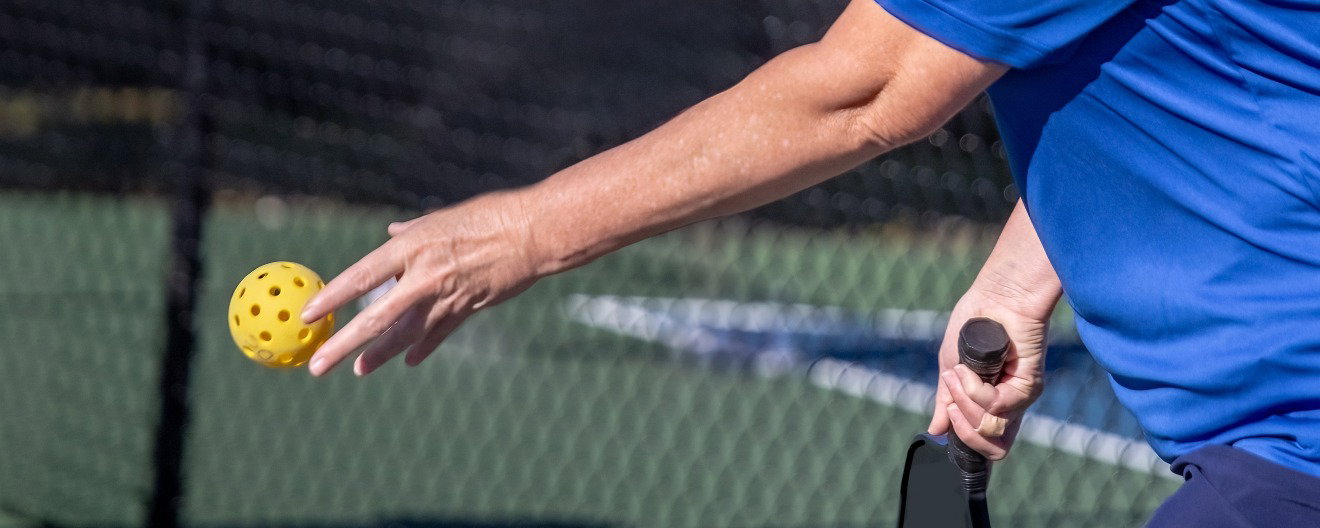
A pickleball ace occurs when your serve is so effective that your opponent cannot return it successfully, earning you an immediate point or side out. While aces might seem less achievable in pickleball compared to tennis due to the underhand serving requirement, mastering the right techniques can dramatically increase your ace count and overall serving effectiveness.
Understanding What Constitutes a Pickleball Ace
An ace in pickleball happens in several scenarios. The most obvious is when your serve lands in the service box and your opponent completely whiffs on the return. However, aces also include situations where the receiver makes contact but sends their return into the net or outside the court boundaries.
The most impressive aces come from serves with such exceptional spin, speed, or placement that they force immediate errors. These serves demonstrate true mastery of the underhand motion and strategic court positioning.
Key Techniques for Hitting More Aces
Perfect Your Deep Baseline Serves
Targeting the back line of the service box puts maximum pressure on receivers. Deep serves force opponents to move backward quickly and return from an awkward position. Focus on consistent depth rather than power – a well-placed deep serve often proves more effective than a hard serve that lacks precision.
Master Sharp Angle Serves
Angled serves that pull opponents wide create excellent ace opportunities. Practice hitting sharp crosscourt serves that force receivers to stretch beyond their comfort zone. The key is generating enough angle while maintaining accuracy within the service box.
Develop Spin Variations
Adding topspin or sidespin to your serves creates unpredictable bounces that challenge even experienced players. Topspin causes the ball to kick forward after bouncing, while sidespin makes it curve away from the receiver. Experiment with different paddle angles and wrist positions to generate consistent spin.
Implement Pace Changes
Varying your serving speed keeps opponents guessing and off-balance. After establishing a rhythm with moderate-paced serves, surprise them with a faster serve to the same location. The unexpected change in timing often results in mistimed returns or complete misses.
Strategic Placement for Maximum Impact
Successful ace serving requires more than technique – it demands strategic thinking. Study your opponents during warm-ups and early games to identify weaknesses. Some players struggle with serves to their backhand side, while others have difficulty with balls served directly at their body.
Target the junction between forehand and backhand zones, often called "the T," to create hesitation about which stroke to use. This indecision frequently leads to weak returns or outright misses.
Practice Drills to Improve Your Ace Rate
Consistent practice with specific targets builds the muscle memory necessary for ace serving. Set up cones or targets in the back corners and along the sidelines of the service boxes. Practice hitting these targets repeatedly, focusing on different spin and pace combinations.
Work on your serving routine to ensure consistency under pressure. Develop a pre-serve ritual that helps you focus and execute your technique regardless of the score or situation.
Mental Approach to Ace Serving
Confidence plays a crucial role in hitting aces. Believe in your ability to hit unreturnable serves, but don't force it. The best aces often come when you're focused on good placement and technique rather than trying to overpower your opponent.
Stay patient and persistent. Even professional players don't hit aces on every serve. Focus on serving with purpose and precision, and the aces will follow naturally as your skills improve.
Frequently Asked Questions
How often should recreational players expect to hit aces?
Recreational players typically hit fewer aces than tennis players due to pickleball's underhand serving rules. However, with proper technique and practice, intermediate players can achieve aces in 5-10% of their serves, while advanced players may see higher percentages.
What's the most important factor in hitting pickleball aces?
Placement trumps power in pickleball serving. Consistent accuracy to challenging locations like deep corners or sharp angles proves more effective than trying to serve as hard as possible. Focus on precision and spin over raw speed.
Can you hit aces with a soft serve in pickleball?
Absolutely. Many effective aces come from well-placed soft serves with deceptive spin rather than hard serves. A soft serve with heavy sidespin or perfectly placed in a corner can be just as unreturnable as a powerful serve.