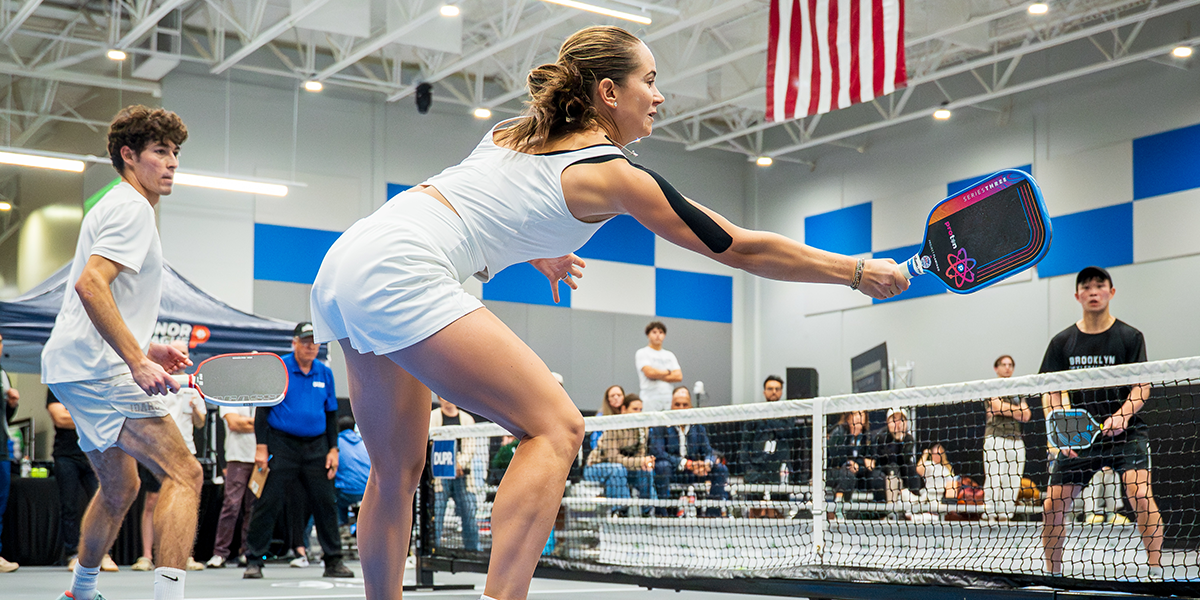
PPA Manila Challenge Elevates Philippines Pickleball Scene
PPA Manila Challenge Puts Philippines on the Global Pickleball Map
The crack of paddles echoing through Manila's premier sports venues signals more than just another tournament—it represents a seismic shift in Asia's pickleball landscape. The Professional Pickleball Association (PPA) Manila Challenge has officially placed the Philippines at the forefront of the region's fastest-growing sport, drawing international attention to a nation where pickleball participation has surged by over 300% in just two years.
This groundbreaking event marks the PPA's first major tournament in Southeast Asia, cementing the Philippines' position as the region's pickleball powerhouse alongside established markets like Singapore and South Korea.
The Philippines Pickleball Boom
The numbers behind Philippines pickleball growth tell a remarkable story. From fewer than 50 active players in 2020, the country now boasts over 15,000 registered participants across 200+ clubs nationwide. The Philippine Pickleball Association, established in 2021, has been instrumental in this explosive development, organizing regional tournaments and establishing standardized court facilities from Luzon to Mindanao.
Manila, in particular, has emerged as the epicenter of this movement. The capital city now features 85 dedicated pickleball courts, with major facilities like the Rizal Memorial Sports Complex and various private clubs converting tennis courts to accommodate the growing demand. The Manila Pickleball Club, founded in 2022, has already grown to over 800 members, making it one of Asia's largest single-location pickleball communities.
International Recognition and the PPA's Strategic Expansion
The PPA Manila Challenge represents a calculated move by the Professional Pickleball Association to tap into Asia's burgeoning market. With prize pools reaching $75,000 and featuring top-ranked international players, the tournament brings world-class competition to Filipino audiences for the first time.
Tournament director Maria Santos, a former Philippine tennis champion turned pickleball advocate, emphasizes the event's significance: "The PPA Manila Challenge validates years of grassroots development. We're not just hosting a tournament; we're showcasing the Philippines as a serious player in global pickleball."
The tournament features both professional divisions and amateur brackets, allowing local players to compete alongside international stars. This format mirrors successful PPA events in the United States while adapting to the Philippines' unique playing culture and climate considerations.
Infrastructure Development and Government Support
The Philippine government's embrace of pickleball has accelerated the sport's development significantly. The Department of Tourism has identified pickleball tourism as a growth opportunity, with plans to develop specialized facilities in key destinations like Boracay, Palawan, and Baguio.
Local government units have also jumped aboard the pickleball bandwagon. Makati City leads municipal efforts with 12 public courts, while Quezon City has allocated ₱50 million for pickleball infrastructure development over the next three years. These investments complement private sector initiatives, creating a comprehensive ecosystem supporting the sport's growth.
Regional Competition and Asian Circuit Development
The PPA Manila Challenge connects to broader regional developments in Asian pickleball. Singapore's established tournament circuit, featuring events like the Lion City Open, has demonstrated the commercial viability of professional pickleball in Asia. South Korea's rapid adoption, with over 50,000 players nationwide, provides another success model.
Japan's growing interest, particularly among younger demographics seeking alternatives to traditional sports, suggests a regional trend that the Philippines is well-positioned to capitalize on. The PPA Manila Challenge serves as a potential anchor event for a future Asian Professional Pickleball Tour, with organizers already discussing expansion to other major cities.
Cultural Adaptation and Local Innovation
Philippines pickleball has developed unique characteristics reflecting local sports culture. The integration of traditional Filipino hospitality into tournament organization creates a distinctive atmosphere that international players consistently praise. Local innovations include climate-adapted court surfaces and scheduling that accounts for tropical weather patterns.
The sport's social aspects particularly resonate with Filipino culture. Many clubs emphasize community building and intergenerational play, with families participating together in ways less common in individual sports like tennis or badminton.
Economic Impact and Future Projections
The economic implications of the Philippines' pickleball growth extend beyond tournament revenue. Equipment sales have increased by 400% year-over-year, with local retailers struggling to meet demand for paddles and balls. Court construction and maintenance services represent emerging business opportunities, while sports tourism related to pickleball shows promising early indicators.
Industry analysts project the Philippine pickleball market could reach 50,000 active players by 2025, supported by continued infrastructure investment and international event hosting. The PPA Manila Challenge serves as a proof of concept for larger-scale tournaments and potential Olympic qualifying events.
Looking Ahead: Sustainability and Long-term Growth
The success of PPA Manila Challenge will likely determine the Philippines' trajectory in international pickleball. Early indicators suggest strong local support, with ticket sales exceeding projections and significant media coverage both domestically and internationally.
The tournament's legacy extends beyond immediate results. Youth development programs, coaching certification initiatives, and facility standardization efforts connected to the event promise lasting benefits for Philippine pickleball infrastructure.
As the PPA Manila Challenge concludes, it leaves behind more than memories and statistics—it establishes the Philippines as a legitimate force in global pickleball, with the infrastructure, community support, and international recognition necessary for sustained growth in this rapidly evolving sport.
Frequently Asked Questions
When is the PPA Manila Challenge held?
The PPA Manila Challenge typically takes place during the dry season (November to April) to ensure optimal playing conditions for international competitors and spectators.
How can Filipino players qualify for PPA tournaments?
Local players can qualify through Philippine Pickleball Association rankings, regional qualifying tournaments, or by meeting PPA skill rating requirements established for international events.
What is the prize money for the PPA Manila Challenge?
The tournament features a total prize pool of $75,000 distributed across professional men's, women's, and mixed doubles divisions, with additional prizes for amateur categories.
Are there plans for more PPA events in Asia?
The PPA has expressed interest in expanding throughout Asia based on the Manila Challenge's success, with potential future events in Singapore, Tokyo, and Bangkok under consideration.
How many pickleball courts are available in Metro Manila?
Metro Manila currently features over 85 dedicated pickleball courts across public and private facilities, with plans for significant expansion over the next two years.