The Tell-Tale Sound of Paddle Failure
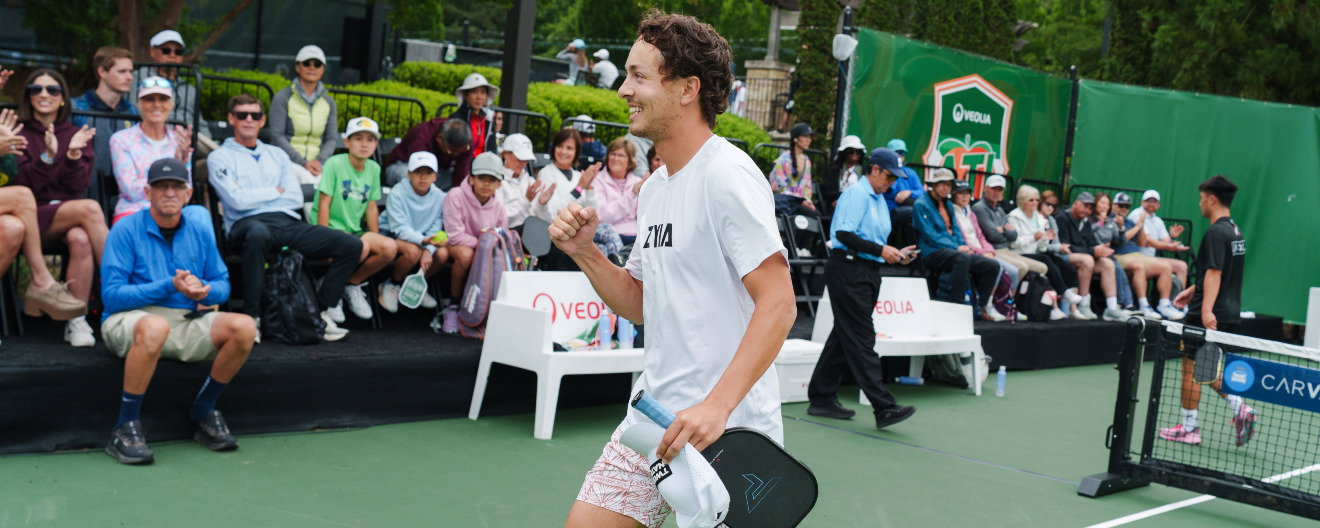
Professional pickleball player Vivian Glozman recently gave the pickleball community a fascinating glimpse into equipment degradation through a simple sound test. The APP tour professional and mixed doubles gold medalist shared a TikTok video that perfectly illustrates how paddles change acoustically as they wear down over time.

Glozman's demonstration focuses on her Li-Ning paddle setup, specifically what appears to be a Li-Ning Hyperpower model that had reached the end of its competitive life. The video serves as an educational tool for players who want to understand when their equipment might be compromising their performance.
The Acoustic Test Method
In her demonstration, Glozman employs a straightforward testing approach that any player can replicate. She begins by bouncing a pickleball against two brand-new Li-Ning paddles, creating a baseline sound profile. The fresh paddles produce a crisp, higher-pitched tone with a more muted quality – exactly what you'd expect from equipment operating at peak performance.
The contrast becomes immediately apparent when she switches to the worn paddle. The failed equipment produces a noticeably deeper, hollow sound that has an almost ominous quality. This dramatic acoustic shift provides clear evidence of internal structural changes within the paddle core.
Understanding Paddle Degradation Science
The sound difference Glozman demonstrates isn't just interesting – it's scientifically significant. Modern pickleball paddles typically feature honeycomb cores made from materials like polypropylene or Nomex. Over time, repeated impacts cause these internal structures to compress, delaminate, or develop micro-fractures.
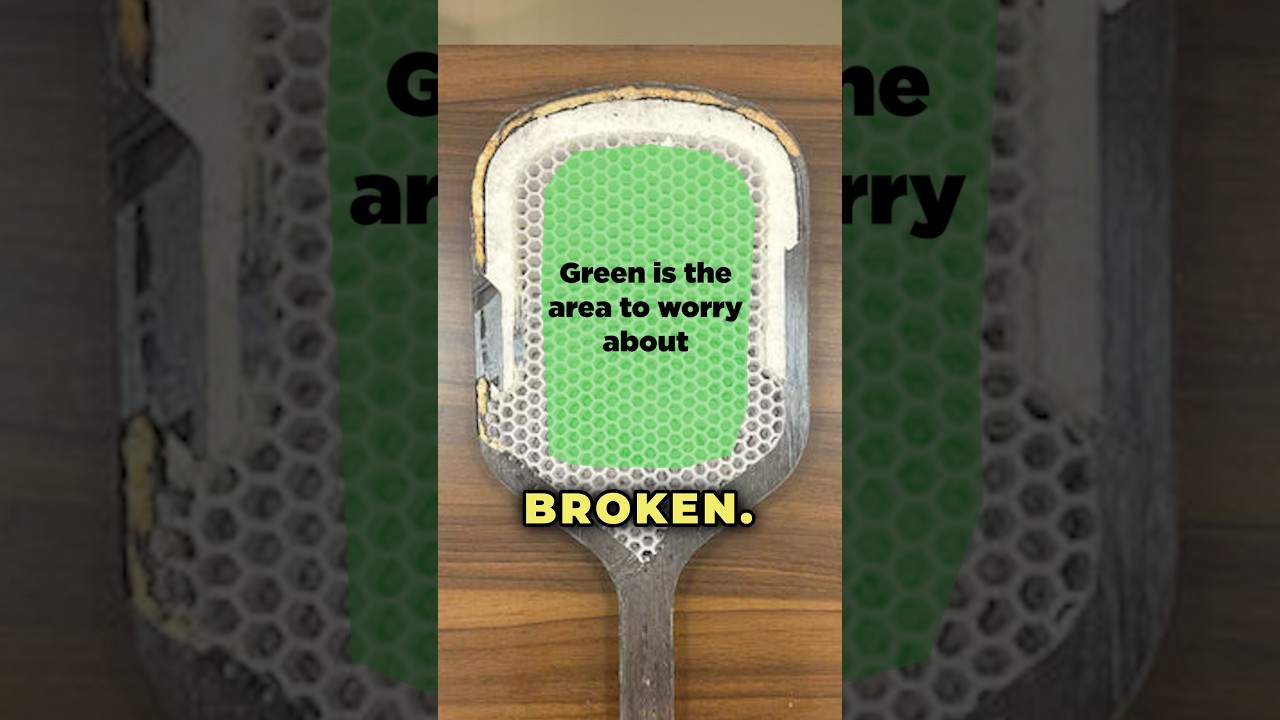
When the core integrity diminishes, the paddle's ability to generate consistent rebounds changes dramatically. The hollow sound indicates that the core material has lost its structural density, creating air pockets that alter both acoustics and performance characteristics.
Performance Implications
While the sound change is fascinating, the real concern lies in how degradation affects gameplay. A compromised paddle core typically results in:
- Reduced power transfer from player to ball
- Inconsistent ball response and unpredictable bounces
- Decreased control over shot placement and spin
- Potential competitive disadvantages in tournament play
For recreational players, these changes might develop gradually enough to go unnoticed. However, professionals like Glozman rely on consistent equipment performance, making early detection crucial for maintaining competitive edge.
Recognizing When Replacement Time Arrives
Glozman's sound test offers players a practical diagnostic tool, but several other indicators suggest paddle replacement time:
Visual inspection often reveals surface wear, edge guard damage, or grip deterioration. Some players notice changes in the paddle's feel during play – shots that once felt solid might begin feeling "dead" or unresponsive.
Professional players typically rotate through multiple paddles throughout a season, ensuring they always have peak-performing equipment available. Recreational players should consider their playing frequency, intensity, and performance expectations when determining replacement schedules.
The Professional Perspective
For tour professionals, paddle maintenance represents a critical aspect of competitive preparation. Equipment failures during tournaments can significantly impact match outcomes, making proactive replacement essential.
Glozman's willingness to share this insight reflects the growing transparency within professional pickleball regarding equipment management. As the sport continues evolving, understanding these technical aspects becomes increasingly valuable for players at all levels.
Frequently Asked Questions
How often should recreational players replace their paddles?
Replacement frequency depends on playing intensity and frequency. Casual players might use the same paddle for years, while frequent players should consider replacement every 6-12 months or when performance noticeably declines.
Can damaged paddle cores be repaired?
Most paddle core damage is irreversible. While surface repairs might address cosmetic issues, internal core degradation typically requires complete paddle replacement to restore optimal performance.
Do all paddle brands degrade similarly?
Different core materials and construction methods result in varying degradation patterns. Higher-quality paddles often maintain performance longer, but all paddles eventually experience wear that affects playability.