Sahra Dennehy: Rising Force in American Pickleball
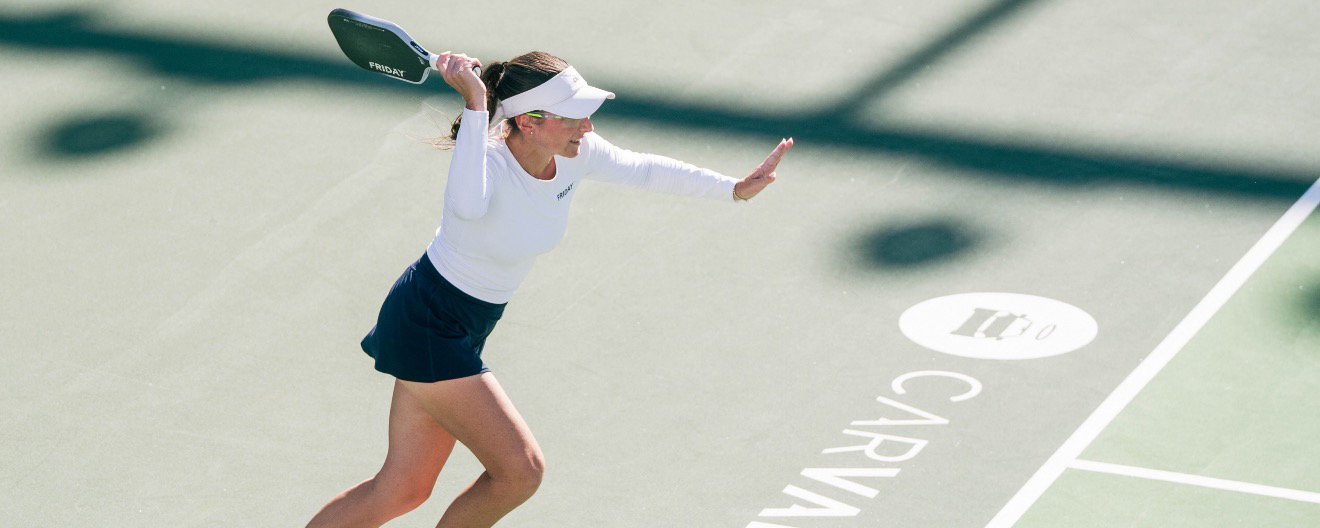
As professional pickleball continues its explosive growth across the United States, players like Sahra Dennehy represent the next generation of American talent making their mark on the sport. While detailed information about Dennehy's specific playing style remains limited, her presence in the competitive pickleball landscape reflects the depth of talent emerging from the US pickleball scene.
The American pickleball circuit has become increasingly competitive, with players developing sophisticated strategies and technical skills that rival traditional racquet sports. Understanding how players like Dennehy approach the game provides insight into the evolving nature of professional pickleball strategy.
The American Pickleball Playing Philosophy
US players typically develop their skills through a combination of tennis backgrounds and pickleball-specific training. This dual influence creates players who understand court positioning from tennis while mastering the unique third-shot drop and dinking strategies essential to pickleball success.
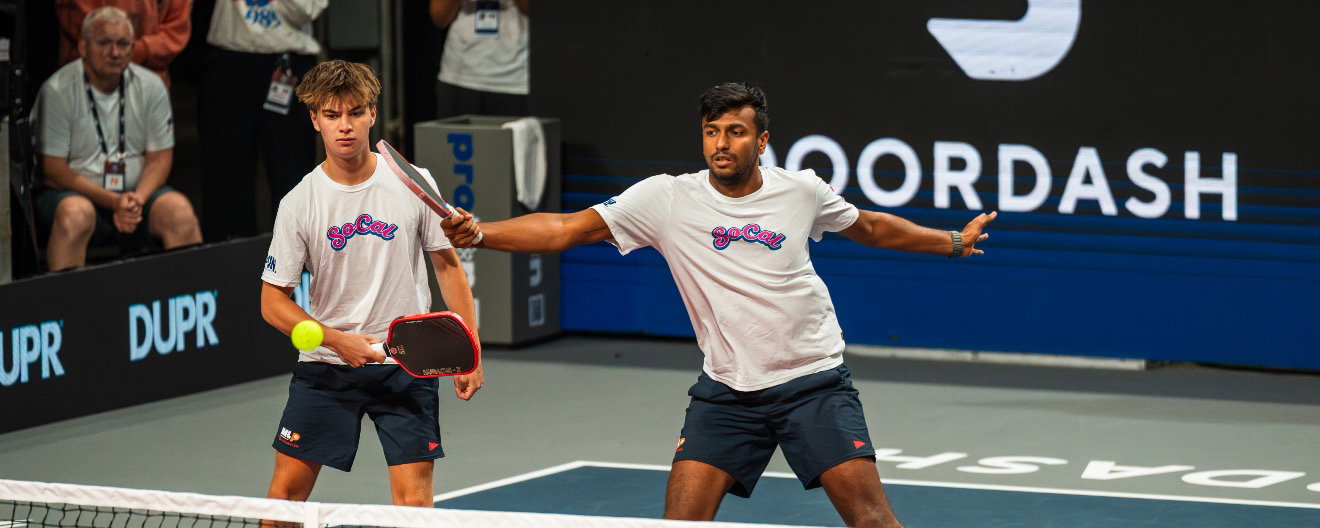
American players often emphasize aggressive net play combined with strategic patience. This approach requires exceptional hand-eye coordination and the ability to transition quickly between offensive and defensive positions.
Technical Foundation Elements
Most successful American players focus on several key technical areas. The serve becomes a strategic weapon rather than just a way to start the point. Players work extensively on serve placement to set up favorable third-shot opportunities.
The third shot represents perhaps the most critical skill in modern pickleball. American players typically master both the third-shot drop and the third-shot drive, using them strategically based on opponent positioning and court conditions.
Strategic Approach and Court Management
Contemporary American pickleball emphasizes intelligent court management and shot selection. Players must balance aggression with patience, knowing when to attack and when to reset points through strategic dinking.
Successful players develop exceptional anticipation skills, reading opponent tendencies and positioning themselves accordingly. This requires studying opponent patterns and adapting strategy mid-match.
Mental Game and Consistency
The mental aspect of pickleball has become increasingly important as competition intensifies. Players must maintain focus during long rallies while making split-second decisions about shot selection and court positioning.
Consistency often trumps power in professional pickleball. Players who minimize unforced errors while applying steady pressure typically find success against more aggressive opponents who may be prone to mistakes.
Equipment Considerations in Modern Play
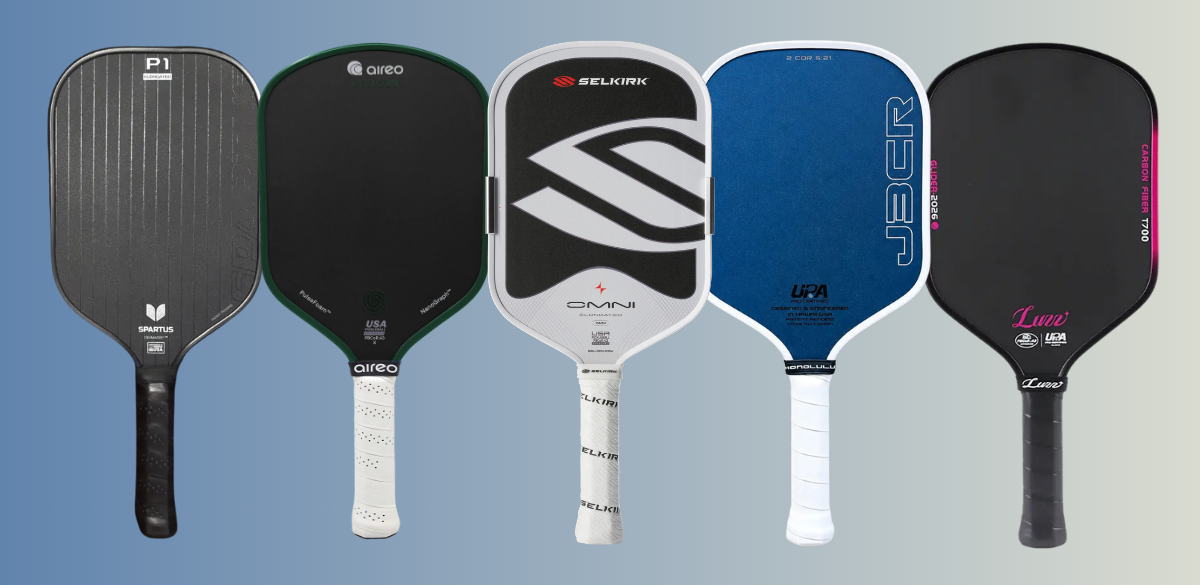
While specific paddle information for Dennehy isn't readily available, equipment selection has become crucial in professional pickleball. Players must balance power, control, and comfort based on their playing style and physical attributes.
Modern paddles offer varying degrees of power and control, with many players preferring composite or graphite surfaces for their consistency and touch around the net. Grip size and paddle weight significantly impact a player's ability to execute quick exchanges during dinking rallies.
Training and Development Pathways
American players typically develop through local club play, regional tournaments, and specialized pickleball academies. This progression allows players to refine their skills against increasingly competitive opponents while learning advanced strategies.
Many players benefit from coaching that addresses both technical skills and strategic understanding. The combination of proper mechanics and tactical awareness creates well-rounded competitors capable of adapting to different opponent styles.
The Competitive Landscape
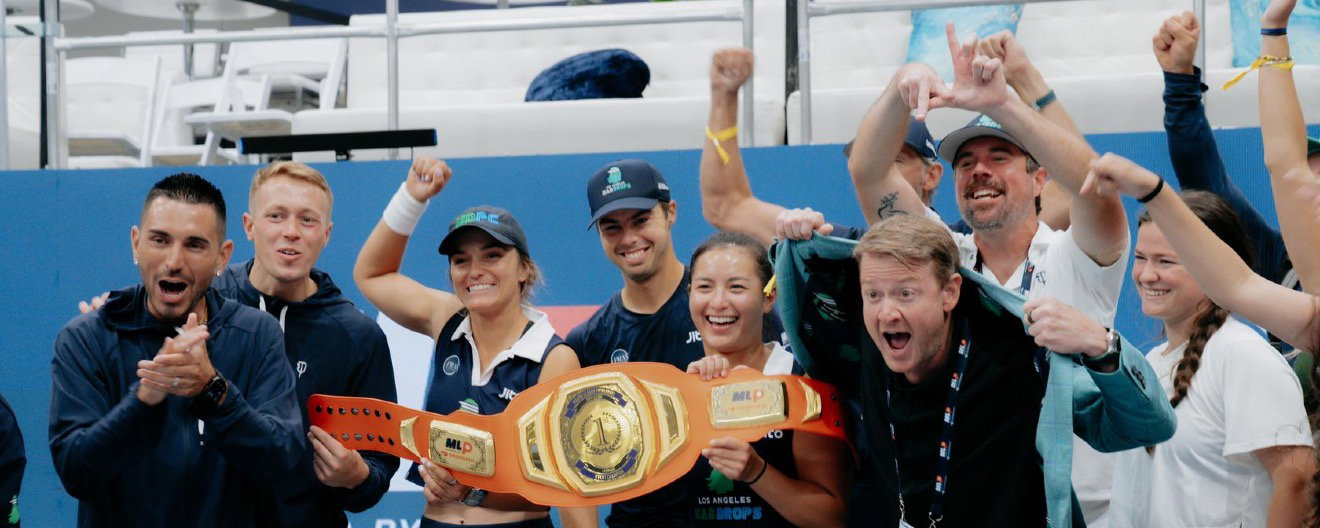
The PPA rankings reflect the depth of American talent in professional pickleball. Players must consistently perform well across multiple tournaments to establish themselves in the competitive hierarchy.
Success requires not only individual skill but also the ability to perform under pressure in various tournament formats. Players must adapt to different court surfaces, weather conditions, and opponent styles throughout the season.
Future Development and Growth
As pickleball continues evolving, players must stay ahead of strategic innovations and technique refinements. The sport's rapid growth means new training methods and tactical approaches emerge regularly.
Young players entering the professional ranks bring fresh perspectives and training methods that push the entire field to higher levels. This constant evolution keeps the sport dynamic and exciting for players and spectators alike.
Frequently Asked Questions
What makes American pickleball players unique in their approach?
American players often combine tennis backgrounds with pickleball-specific skills, creating a strategic approach that emphasizes court positioning, shot selection, and the ability to transition between offensive and defensive play styles effectively.
How important is equipment selection for competitive success?
Equipment selection significantly impacts performance, with paddle choice affecting power, control, and comfort during extended play. Professional players carefully select paddles that complement their playing style and physical attributes.
What role does mental preparation play in professional pickleball?
Mental preparation has become crucial as competition intensifies. Players must maintain focus during long rallies, make quick strategic decisions, and adapt their game plan based on opponent tendencies and match situations.