Seattle's pickleball community is mobilizing against a controversial parks department proposal that threatens to eliminate more than 30 courts across the city. The draft "Racquet Sports Strategy" from Seattle Parks and Recreation has ignited fierce opposition from players who view the plan as a step backward for the nation's fastest-growing sport.
The Proposed Changes
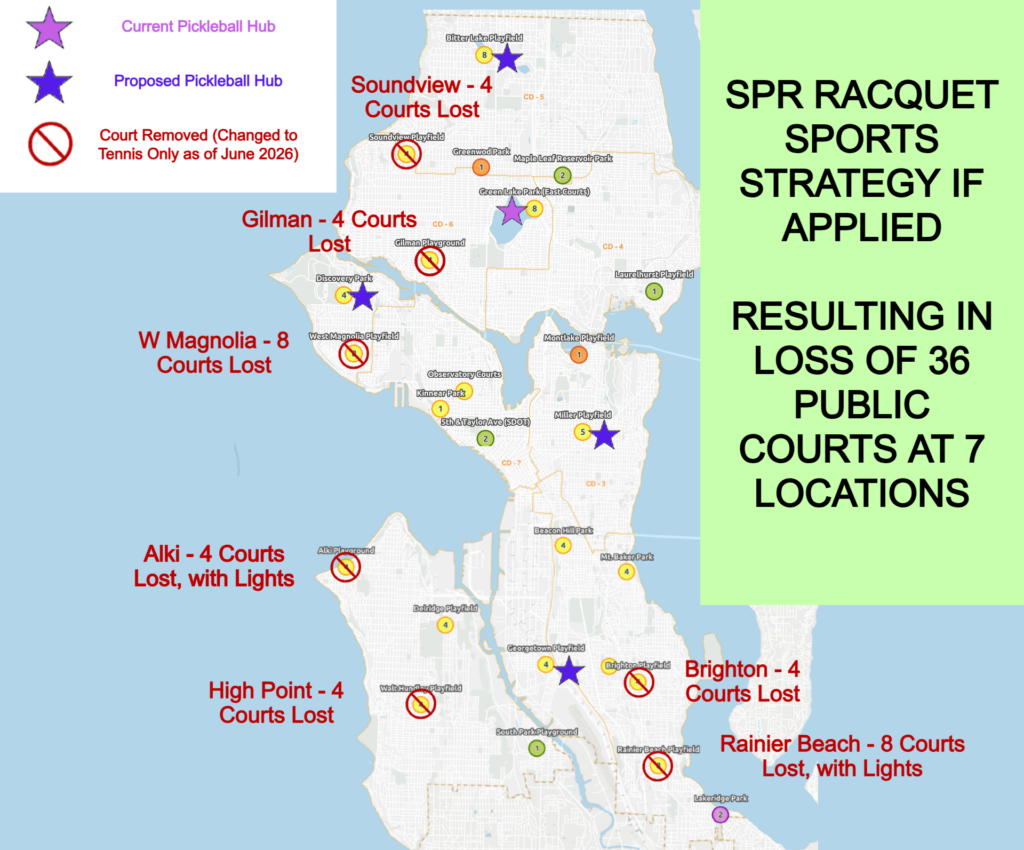
Under the current proposal, Seattle would see its pickleball court inventory slashed from 92 to 56 facilities. The plan targets shared-use courts that were created during the pandemic when the city added pickleball lines to existing tennis courts to meet surging demand.
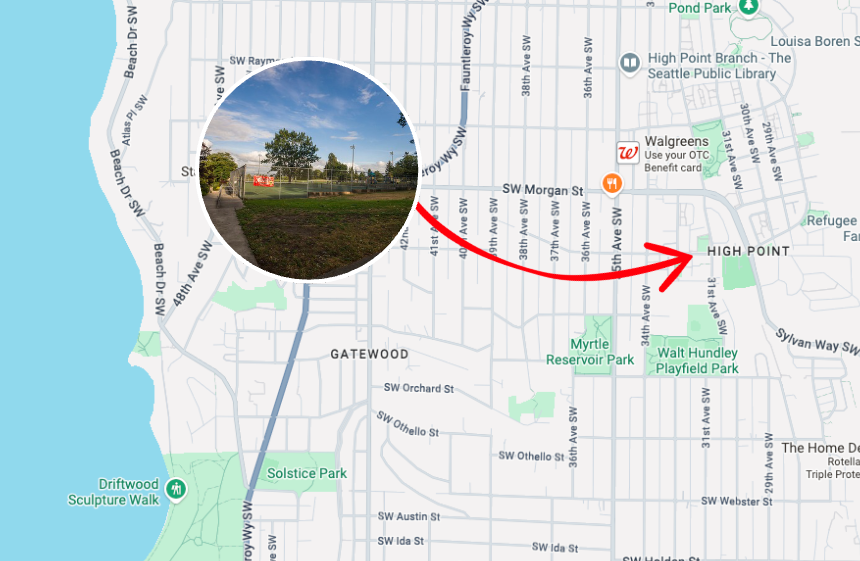
Seven neighborhoods face the steepest cuts, with a combined 36 courts potentially disappearing as early as June. Meanwhile, tennis facilities would remain largely untouched, preserving 107 courts throughout the city.
The strategy aims to "more clearly separate tennis and pickleball facilities," moving away from the shared-use model that helped fuel pickleball's explosive growth during COVID-19 lockdowns.
Community Pushback Intensifies
Local pickleball advocates are fighting back against what they see as an unfair reduction in facilities. Tony Pisa from the Seattle Metro Pickleball Association emphasized the community aspect of the sport, stating "This is all about community."
Players argue that the shared courts have evolved into vital community gathering spaces where people of all ages and skill levels come together. The facilities serve not just as recreational venues but as social hubs that foster neighborhood connections.
The Numbers Don't Add Up
Critics of the proposal point to pickleball's remarkable growth trajectory. The sport has consistently ranked as America's fastest-growing recreational activity, with participation rates skyrocketing over 200% in recent years. Despite this explosive popularity, the city's plan would reduce pickleball facilities by nearly 40%.
The disparity becomes more pronounced when considering court utilization. Many shared-use facilities report higher pickleball usage than tennis, particularly during peak hours and weekends.
Pandemic Origins of Shared Courts
The current controversy stems from emergency measures implemented during the COVID-19 pandemic. As outdoor recreation became a priority for public health, Seattle Parks and Recreation quickly adapted by adding pickleball lines to tennis courts.
This pragmatic solution served multiple purposes: it met growing demand for pickleball, maximized facility usage, and provided more recreational options during a challenging time. The shared courts became wildly popular, often hosting multiple sports throughout the day.
What's Next for Seattle Pickleball
The proposal is still in draft form, giving the pickleball community time to organize and present alternatives. Local associations are encouraging players to participate in public comment periods and attend city council meetings.
Several compromise solutions have emerged from the community, including designated time slots for different sports on shared courts, expanded hours at dedicated pickleball facilities, and investment in new court construction to meet growing demand.
The Seattle Metro Pickleball Association and other local groups are also exploring partnerships with private facilities and schools to ensure adequate playing opportunities remain available.
Broader Implications
Seattle's situation reflects a nationwide challenge as communities struggle to balance traditional tennis facilities with surging pickleball demand. Many cities are grappling with similar facility allocation decisions as court usage patterns shift.
The outcome in Seattle could influence how other municipalities approach the tennis-pickleball facility debate, making the current controversy significant beyond city limits.
Frequently Asked Questions
When would the court removals take effect?
If approved, the plan could eliminate 36 pickleball courts as early as June, though the timeline may depend on community feedback and potential revisions to the proposal.
How can Seattle pickleball players get involved?
Players can participate in the public comment process through the city's engagement platform, attend parks department meetings, and connect with local pickleball associations to coordinate advocacy efforts.
Are there alternatives to removing the shared courts?
Community groups have proposed several alternatives, including time-sharing arrangements, expanded hours at existing facilities, and investment in new dedicated pickleball courts to meet demand without eliminating current facilities.