Why Ben Johns Dominates Without Power
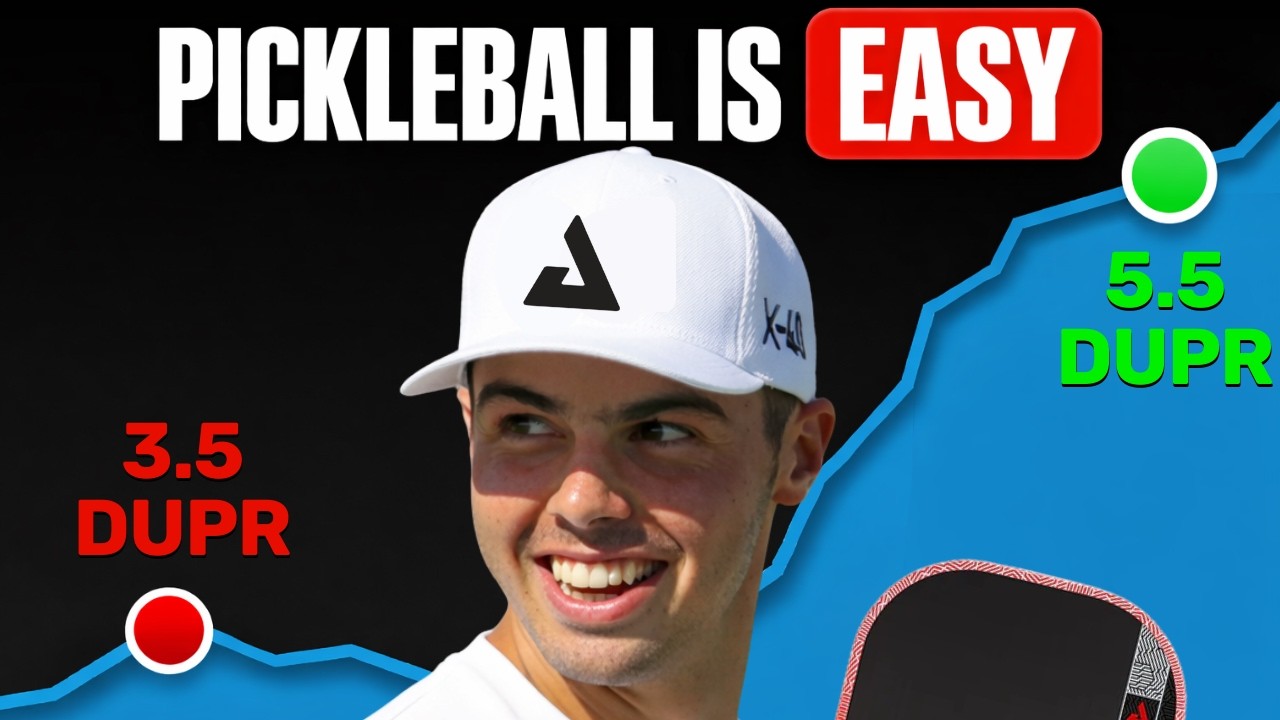
Ben Johns has maintained his position as the world's #1 pickleball player since 2016, not through raw power or speed, but through superior decision-making and flawless execution. His methodical approach to the game offers valuable lessons that players at any level can implement immediately.
The Mental Game: Decision-Making Under Pressure
Strategy 1: The Patience Principle
Johns never forces shots that aren't there. He waits for his opponents to create opportunities through their mistakes rather than attempting risky winners. This patience allows him to maintain consistency while capitalizing on opponent errors.

Strategy 2: Court Position Over Power
Rather than hitting harder, Johns focuses on moving his opponents out of position. He uses angles and placement to create openings, demonstrating that strategic positioning trumps brute force every time.
Technical Execution Strategies
Strategy 3: The Soft Game Mastery
Johns' dink game is legendary for good reason. He varies pace, spin, and placement on his dinks to keep opponents guessing while maintaining perfect control. His ability to transition seamlessly between offensive and defensive dinking sets him apart.

Strategy 4: Third Shot Precision
The third shot drop is Johns' bread and butter. He consistently places these shots deep in the kitchen, forcing opponents into difficult positions while allowing him to advance to the net. His success rate on this crucial shot is remarkably high.
Strategy 5: Return of Serve Depth
Johns almost always returns serves deep to the baseline, keeping opponents back and preventing easy net approaches. This fundamental strategy creates more opportunities for favorable rallies.
Advanced Court Awareness
Strategy 6: The Middle Attack
When opponents are both at the net, Johns targets the middle area between them. This creates confusion about who should take the shot and often results in weaker returns or communication errors.
Strategy 7: Angle Creation
Johns excels at creating sharp angles that pull opponents wide, opening up court space for his next shot. He uses the entire court as his canvas, never settling for straight-ahead shots when angles are available.

Mental Toughness and Consistency
Strategy 8: Error Minimization
Perhaps Johns' greatest strength is his incredibly low unforced error rate. He chooses high-percentage shots and executes them with mechanical precision. This consistency forces opponents to take more risks, leading to their mistakes.
Strategy 9: Emotional Control
Johns maintains the same demeanor regardless of the score. This emotional stability prevents momentum swings and allows him to execute his game plan without being affected by pressure situations.
Strategy 10: Adaptation Within Points
Johns constantly adjusts his strategy based on what his opponents show him during rallies. If they're struggling with low balls, he keeps everything low. If they're having trouble with pace, he varies his shot speed strategically.
Implementing These Strategies
The beauty of Johns' approach is that these strategies don't require exceptional athleticism or power. They rely on smart decision-making, consistent execution, and mental discipline - qualities that any dedicated player can develop through focused practice.
Start by incorporating one or two of these strategies into your game rather than attempting all ten at once. Focus on patience and court positioning first, as these form the foundation for the more advanced techniques.
Frequently Asked Questions
How long did it take Ben Johns to develop these strategies?
Johns developed his methodical approach over several years of competitive play. His background in tennis provided a foundation, but his pickleball-specific strategies evolved through consistent practice and competition analysis starting around 2014.
Can recreational players really implement these professional-level strategies?
Absolutely. Most of Johns' strategies focus on decision-making and shot selection rather than advanced technique. Recreational players can immediately improve by adopting his patient approach and focusing on consistency over power.
Which Ben Johns strategy should beginners focus on first?
Begin with the patience principle and error minimization. Focus on keeping the ball in play and waiting for your opponents to make mistakes rather than forcing low-percentage shots. This foundation supports all other strategic elements.