PPA Texas Open: Wind Creates Chaos in Historic Tournament
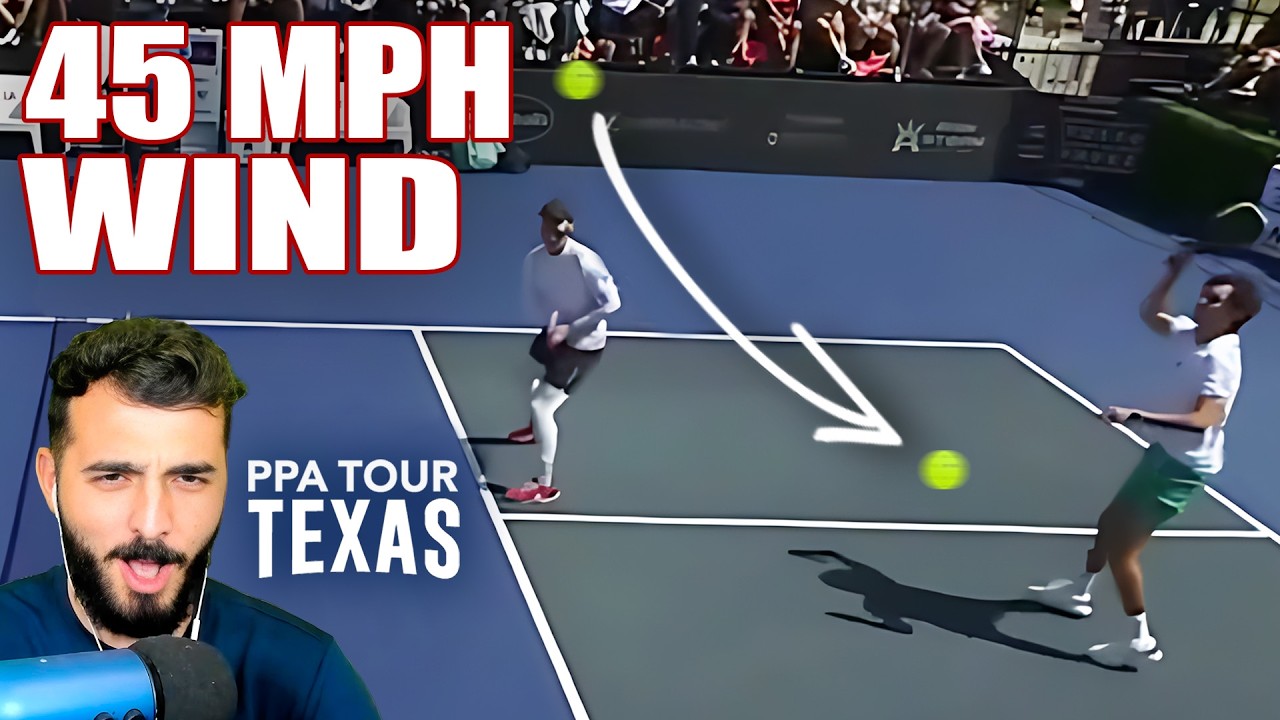
The PPA Texas Open will be remembered not for spectacular rallies or championship celebrations, but for Mother Nature's unprecedented interference. What was supposed to be a showcase of elite pickleball talent became an exercise in adaptation, resilience, and sheer determination as players battled winds that transformed the sport into something barely recognizable.
When Weather Becomes the Main Character
Professional pickleball has seen its share of challenging conditions, but the Texas Open pushed the boundaries of what's playable. Wind gusts consistently exceeded 25 mph throughout the tournament, with some measurements reaching over 35 mph during peak conditions. These weren't gentle breezes that slightly affected ball trajectory – they were game-changing forces that turned routine shots into gambling propositions.
Players who have competed internationally described the conditions as unlike anything they'd experienced on tour. The lightweight pickleball, designed for precision and control, became a victim of aerodynamics as shots intended for the baseline sailed long, while aggressive drives died mid-flight and dropped into the net.
Strategic Adaptations Under Extreme Conditions
The wind didn't just create random chaos – it fundamentally altered pickleball strategy. Traditional power games became liabilities as players discovered that their strongest shots could boomerang back due to headwinds. Meanwhile, drop shots and soft games gained unexpected advantages, though timing became exponentially more difficult.
Serving Challenges
Perhaps no aspect of the game suffered more than serving. Professional players accustomed to precision placement found themselves struggling with basic serve mechanics. Underhand serves that typically arc predictably were caught by crosswinds and blown into side fences or carried long beyond service boxes. Multiple matches featured service games that resembled beginner sessions rather than professional competition.
Net Play Disruption
The signature element of pickleball – kitchen line exchanges – became exercises in prediction rather than reaction. Players couldn't rely on muscle memory or established positioning because the ball's behavior became unpredictable mid-rally. Third shot drops, the bread and butter of advanced play, were particularly affected as players struggled to account for wind resistance and sudden gusts.
Player Reactions and Mental Fortitude
Professional athletes are trained to adapt, but the Texas Open tested mental resilience as much as physical skill. Interviews throughout the tournament revealed frustration, but also admiration for competitors who managed to find rhythm despite the chaos. Some players embraced the challenge, treating it as a unique test of adaptability rather than a hindrance to proper competition.
Veterans with experience in outdoor sports showed advantages, having developed instincts for reading wind patterns and adjusting timing accordingly. However, even the most experienced players admitted that these conditions pushed beyond normal adaptation requirements.
Tournament Logistics and Safety Considerations
The PPA faced difficult decisions throughout the event regarding playability and player safety. While the winds created challenging conditions, they didn't reach levels that posed immediate physical danger to competitors. Tournament officials implemented additional safety protocols and allowed for extended timeouts when conditions became particularly severe.
The decision to continue play despite conditions generated discussion about tournament standards and weather protocols. Some argued that extreme conditions compromise the integrity of competition, while others contended that adaptability under any circumstances demonstrates true athletic prowess.
Lessons for Future Tournaments
The Texas Open experience provides valuable insights for tournament planning and venue selection. The event highlighted the importance of weather contingencies and raised questions about indoor venue alternatives for professional tournaments. While outdoor pickleball remains the standard, extreme weather events are becoming more frequent, necessitating improved preparation strategies.
The tournament also demonstrated the sport's resilience and the players' professionalism. Despite conditions that would have cancelled many recreational games, competitors adapted and provided entertainment that, while different from typical professional pickleball, showcased determination and creativity under pressure.
Frequently Asked Questions
How fast were the winds during the PPA Texas Open?
Wind speeds consistently exceeded 25 mph throughout the tournament, with gusts reaching over 35 mph during peak conditions, making it the windiest professional pickleball tournament on record.
Did the wind conditions affect the tournament results?
Yes, the extreme wind significantly impacted play quality and strategy, with many players unable to execute their typical game plans due to unpredictable ball behavior caused by the wind.
Will future PPA tournaments have better wind protocols?
The Texas Open experience will likely influence future tournament planning, with organizers considering enhanced weather contingencies and potentially prioritizing venues with wind protection or indoor alternatives.