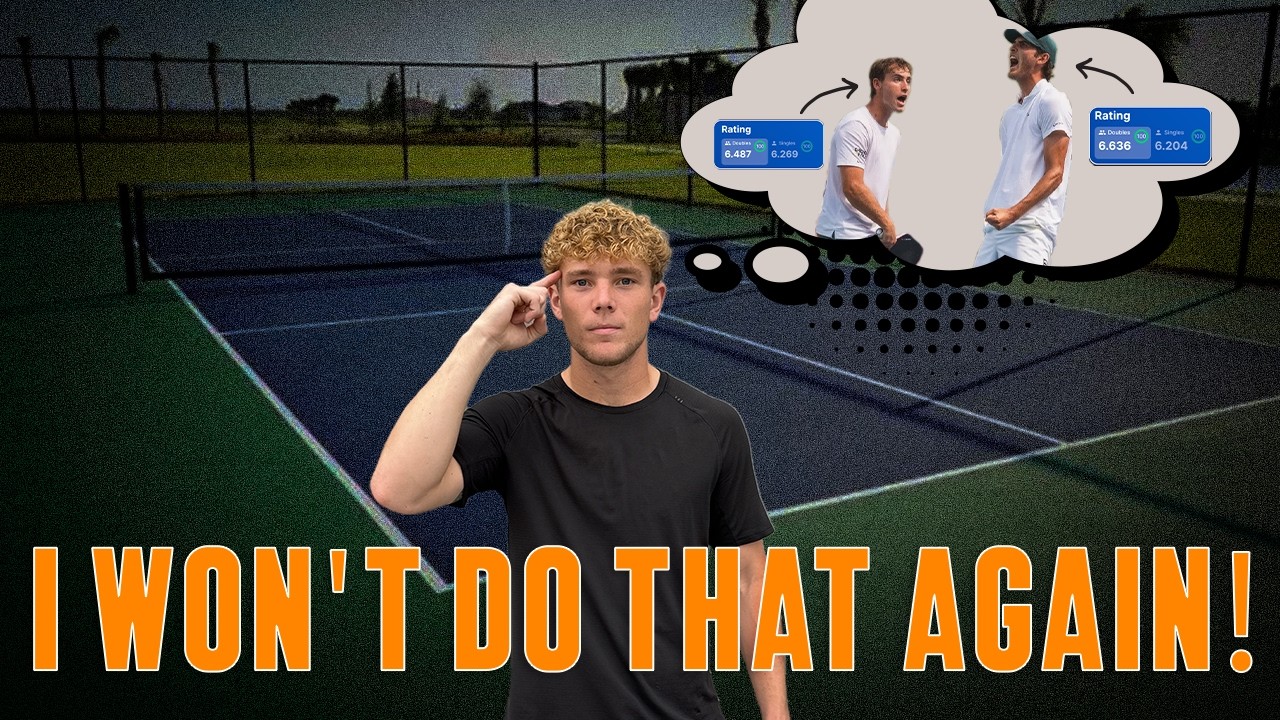
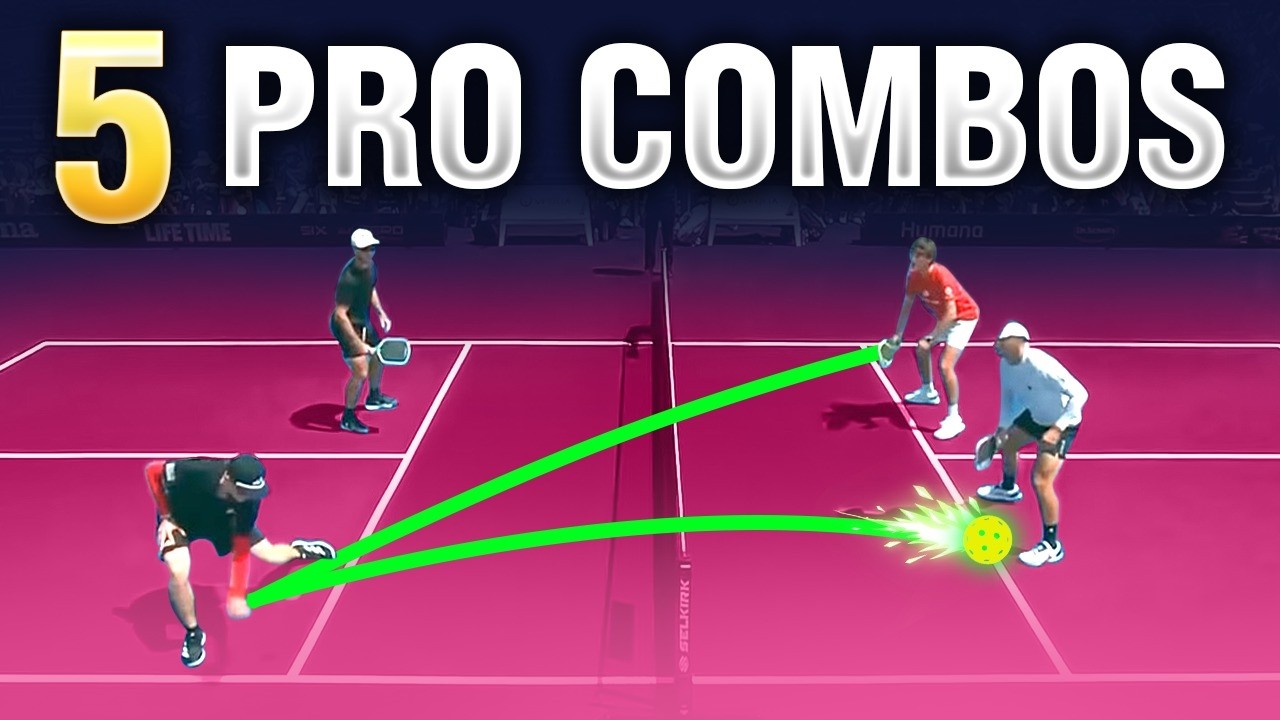
Countless pickleball players spend hours drilling shots and working on technique, yet they plateau and struggle to break through to the next level. The problem isn't lack of dedication—it's scattered focus.
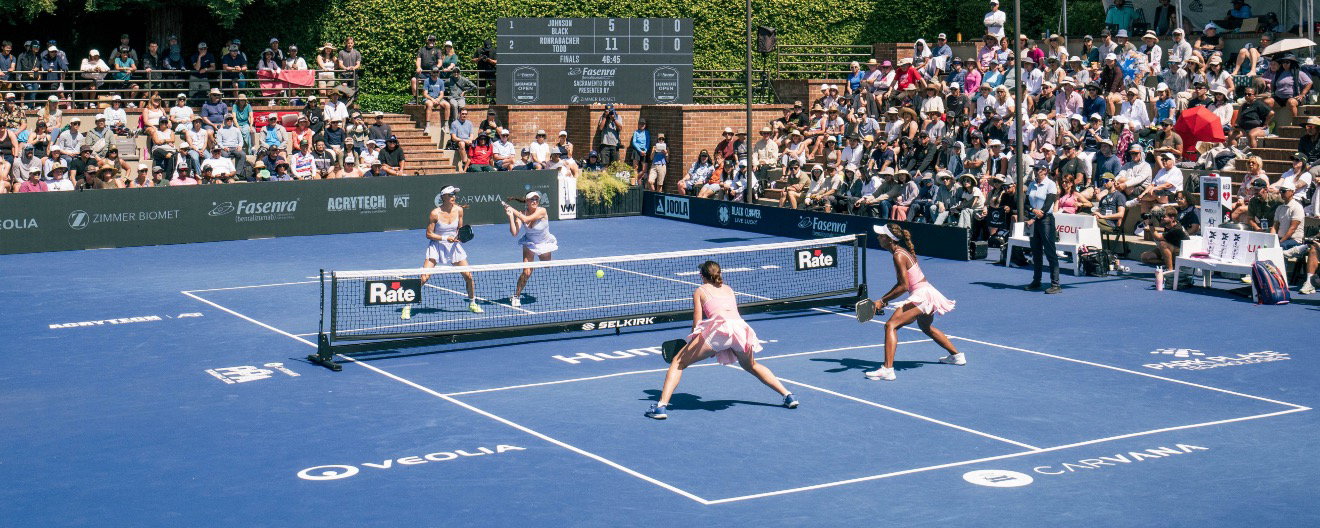
Professional player and coach Kyle Koszuta has identified a common pattern among struggling players: they're trying to improve everything at once instead of mastering the fundamentals that actually move the needle. His approach focuses on three core skills that create a domino effect, improving multiple aspects of your game simultaneously.
Skill #1: Recognize When NOT to Attack
The most transformative skill isn't about hitting harder—it's about knowing when to hold back. Many recreational players make the critical error of attempting aggressive shots from disadvantaged positions, leading to unforced errors and lost points.
Koszuta emphasizes that elite players win more points by choosing the right moments to be aggressive. When you're pulled wide, hitting from below the net, or dealing with a difficult bounce, resist the urge to go for winners. Instead, focus on getting the ball back in play with good placement.
This mental shift alone can reduce your unforced errors by 30-40%. You'll find yourself staying in rallies longer and forcing opponents to make mistakes instead of gifting them easy points.
Skill #2: Master Your Third Shot Strategy
The third shot—your team's first opportunity to transition from the baseline to the kitchen—often determines who controls the rally. Most players default to the third shot drop, but Koszuta advocates for a more nuanced approach.
Instead of automatically hitting soft shots, learn to read the situation:
- Third shot drive when opponents are positioned high or moving forward
- Third shot drop when they're set up well at the kitchen line
- Deep placement shots to push them back and create space
The key is developing the vision to assess your opponents' positioning in real-time and choosing the shot that puts them in the most difficult position. This tactical awareness separates intermediate players from advanced competitors.
Skill #3: Develop Kitchen Line Patience
Once you reach the non-volley zone, many players rush their shots, looking for immediate opportunities to attack. This eagerness often backfires, leading to shots into the net or easy put-aways for opponents.
Championship-level players understand that kitchen line rallies are about patience and precision, not power. Focus on:
- Keeping balls low and forcing opponents to hit up
- Moving the ball side to side to create openings
- Waiting for the right ball to attack—typically something above the net with good positioning
- Using soft angles and placement rather than pace
This patient approach frustrates opponents and creates genuine scoring opportunities rather than forced errors.
Why These Skills Create Exponential Improvement
These three fundamentals work together synergistically. Better shot selection reduces errors while improving court positioning. Strategic third shots get you to the kitchen more consistently. Kitchen line patience extends rallies and creates better scoring chances.
The result? You'll find yourself competing confidently against players who previously dominated you. Your game becomes more consistent, your confidence grows, and you start winning rallies through smart play rather than lucky shots.
Rather than spending months perfecting exotic shots you'll rarely use, invest your practice time in these core skills. The improvement will be dramatic and immediate.
Frequently Asked Questions
How long does it take to see improvement from focusing on these skills?
Most players notice significant improvement within 2-3 weeks of focused practice. The shot selection and patience skills can show results in your very next match, while third shot mastery typically takes a few weeks of consistent work.
Should I completely avoid practicing other shots while working on these fundamentals?
Not entirely, but allocate 80% of your practice time to these core skills until they become automatic. Once you've mastered these fundamentals, you'll have a solid foundation for adding more advanced techniques to your game.