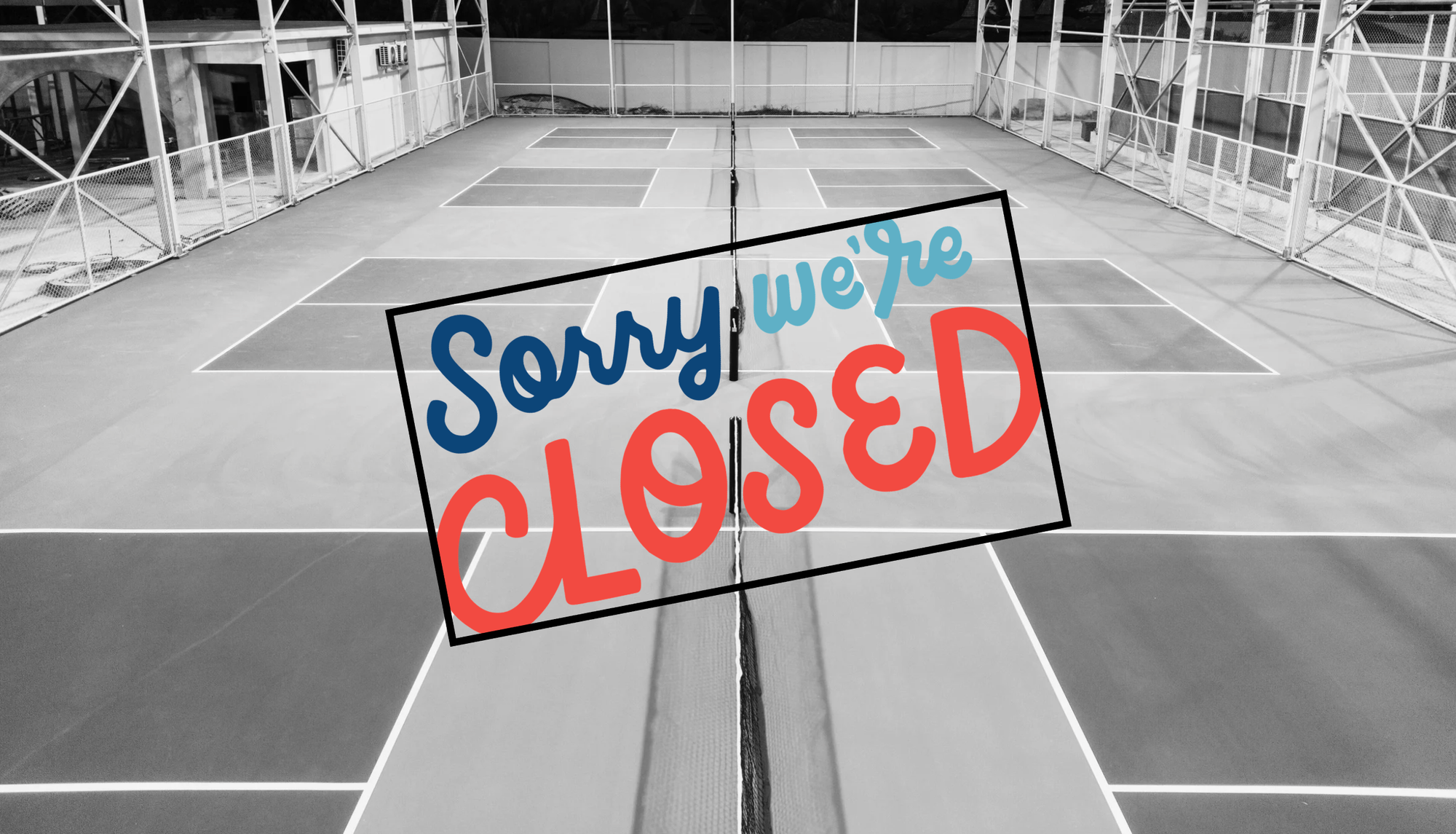
The Unprecedented Rise of Indoor Pickleball Facilities
The indoor pickleball facility industry has experienced explosive growth, transforming from a niche market to a $3 billion investment opportunity in record time. Over the past two years alone, more than 1,200 new facilities have opened across the United States, marking one of the most dramatic expansions in recreational sports infrastructure history.
This surge reflects pickleball's status as America's fastest-growing sport, with participation rates increasing by over 158% in recent years. Entrepreneurs and investors have taken notice, rushing to capitalize on the growing demand for dedicated playing spaces.
The Rush to Secure Prime Real Estate
First movers in the pickleball facility space have aggressively pursued prime locations, signing long-term leases and investing heavily in club buildouts. This land grab mentality has been driven by the desire to establish market dominance before competitors can enter the space.
Many facility operators have focused on:
- High-traffic suburban locations with ample parking
- Converted warehouse spaces that can accommodate multiple courts
- Retail centers with strong visibility and accessibility
- Areas with demographics showing high pickleball participation rates
The strategy has been to move fast and secure the best locations, even if it means higher upfront costs and longer payback periods.
Investment Capital Floods the Market
The pickleball facility boom has attracted significant investment capital, with private equity firms, real estate developers, and franchise operators all vying for market share. This influx of money has accelerated facility development but has also inflated real estate costs and construction expenses.
Major players in the space include established fitness chains expanding into pickleball, dedicated pickleball facility franchises, and independent operators backed by local investors. The diversity of market entrants has created a competitive landscape where differentiation through amenities and programming has become crucial.
Warning Signs of Market Oversaturation
Despite the enthusiasm surrounding facility development, industry experts are beginning to express concerns about potential market oversaturation. The rapid pace of expansion may be outstripping actual demand in certain markets, particularly in areas where multiple facilities are competing for the same player base.
Key Risk Factors
Several factors suggest that a market shakeout may be inevitable:
- Operational Challenges: Many new facility owners lack experience in sports facility management
- High Fixed Costs: Rent, utilities, and staffing costs can quickly overwhelm facilities with low utilization rates
- Market Density: Some metropolitan areas now have more facilities than the local pickleball community can support
- Seasonal Variations: Indoor facilities in warm climates face competition from outdoor courts during peak playing seasons
The Path Forward: Quality Over Quantity
Successful facility operators are increasingly focusing on creating exceptional player experiences rather than simply adding court capacity. This includes investing in:
- High-quality court surfaces and lighting
- Comprehensive programming for all skill levels
- Social spaces and amenities that encourage community building
- Technology integration for court reservations and player matching
- Professional instruction and league play
Sustainable Business Models
The facilities most likely to survive a potential market correction are those with diversified revenue streams, strong community engagement, and efficient operations. Simply building courts is no longer enough – operators must create destinations that keep players coming back.
Industry Outlook: Consolidation Ahead
While the pickleball facility boom has created unprecedented opportunities, it has also set the stage for market consolidation. Facilities that fail to achieve sustainable utilization rates or struggle with operational challenges may be forced to close or sell to more experienced operators.
This natural market evolution could ultimately benefit the industry by eliminating weaker players and allowing successful operators to expand their footprint through acquisitions at more favorable valuations.
Frequently Asked Questions
How many pickleball facilities have opened recently?
More than 1,200 new indoor pickleball facilities have opened across the United States in the past two years, representing a $3 billion investment in the sport's infrastructure.
Why are experts concerned about the facility boom?
Industry experts worry that the rapid expansion may lead to market oversaturation, with too many facilities competing for the same player base. High fixed costs and operational challenges could force some facilities to close if demand doesn't meet projections.
What makes a pickleball facility successful?
Successful facilities focus on creating exceptional player experiences through quality courts, comprehensive programming, strong community engagement, and diversified revenue streams rather than simply maximizing the number of courts.