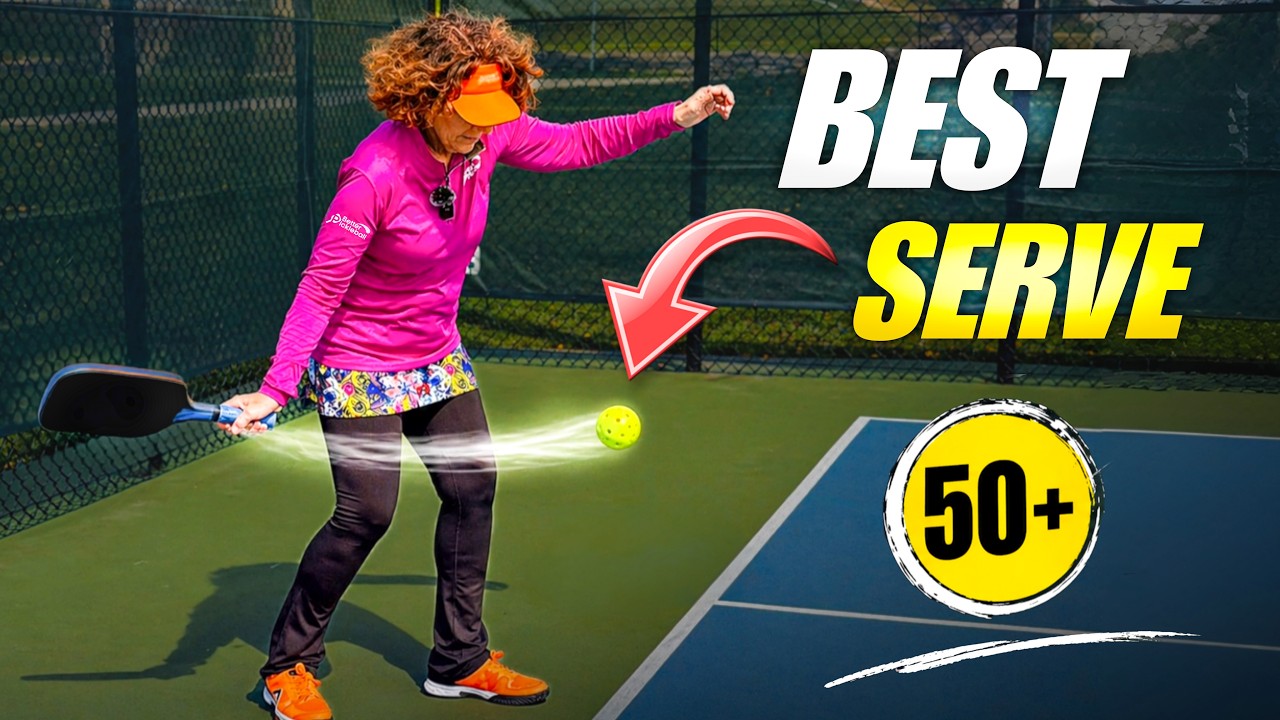
The pickleball dink shot might not generate the excitement of a power drive or overhead slam, but it's the cornerstone of championship-level play. Without proper dink technique, even the most athletic players struggle to control rallies and convert opportunities into wins.
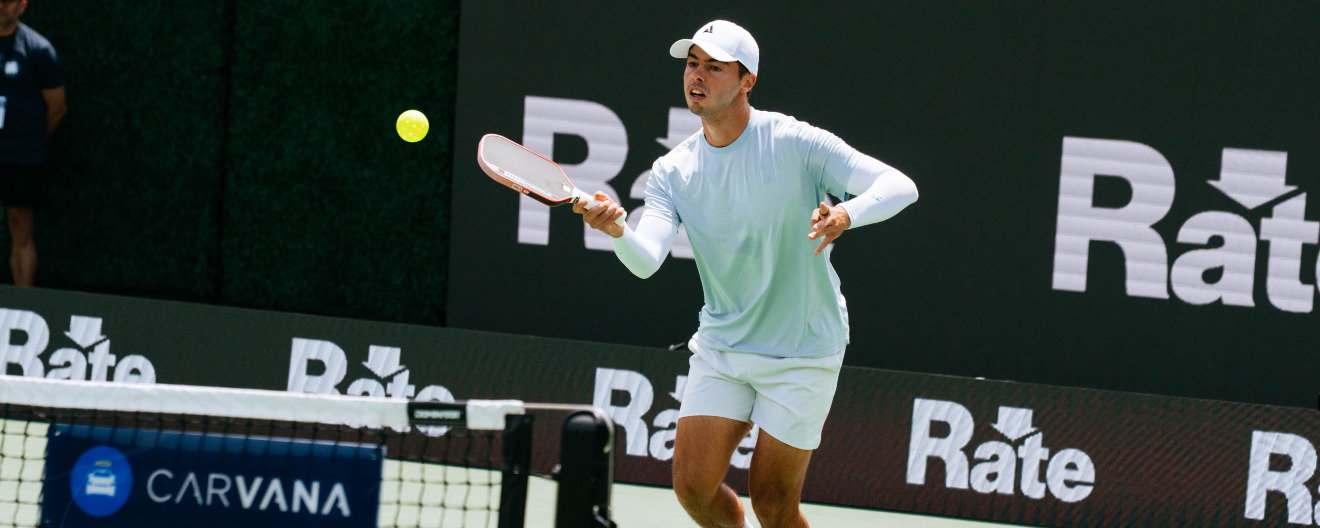
Professional coach and APP tour player Tanner Tomassi identifies a critical flaw in most recreational players' approach to kitchen play: they enter dinking exchanges without strategic intent, simply hoping to keep the ball in play rather than dictating the rally's tempo and direction.
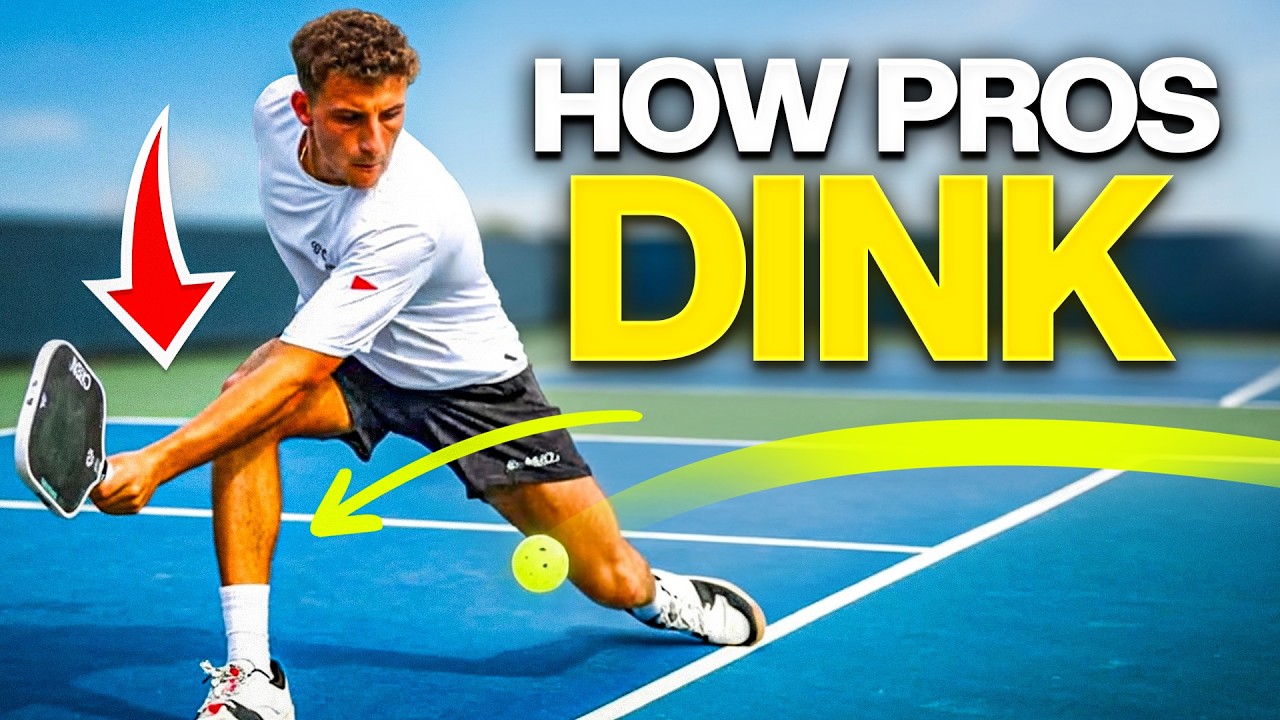
Why Dink Mastery Separates Winners from Recreational Players
The statistics tell the story clearly - over 70% of pickleball points are decided at the non-volley zone. Players who can execute precise, purposeful dinks force opponents into defensive positions, creating opportunities for aggressive finishing shots.
The difference between casual and competitive players isn't power or speed - it's the ability to control the kitchen through intelligent shot selection and precise execution.
The Four Game-Changing Dink Variations
1. The Cross-Court Control Dink
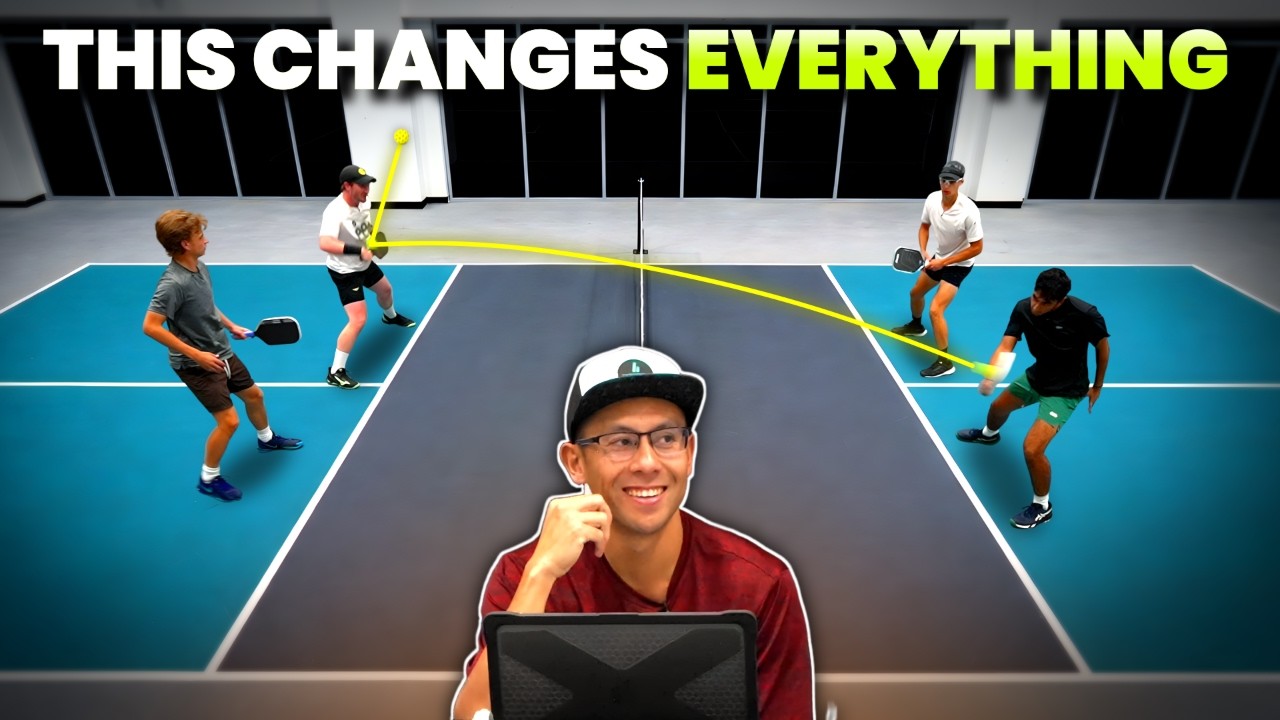
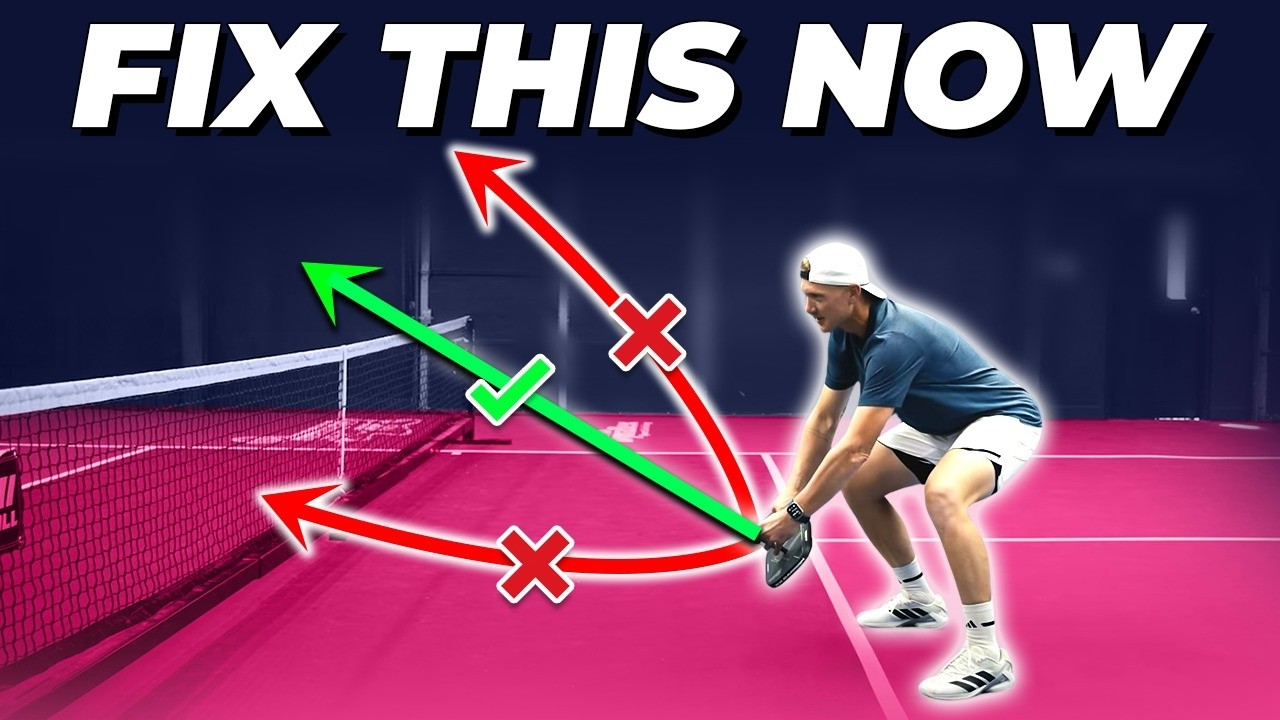
This foundational shot keeps rallies alive while positioning you for offensive opportunities. The cross-court angle provides the largest margin for error while forcing opponents to move laterally, disrupting their balance and timing.
Key technique points: Maintain soft hands, aim for the opponent's feet, and use the full court width to create difficult angles.
2. The Backhand Slice Dink
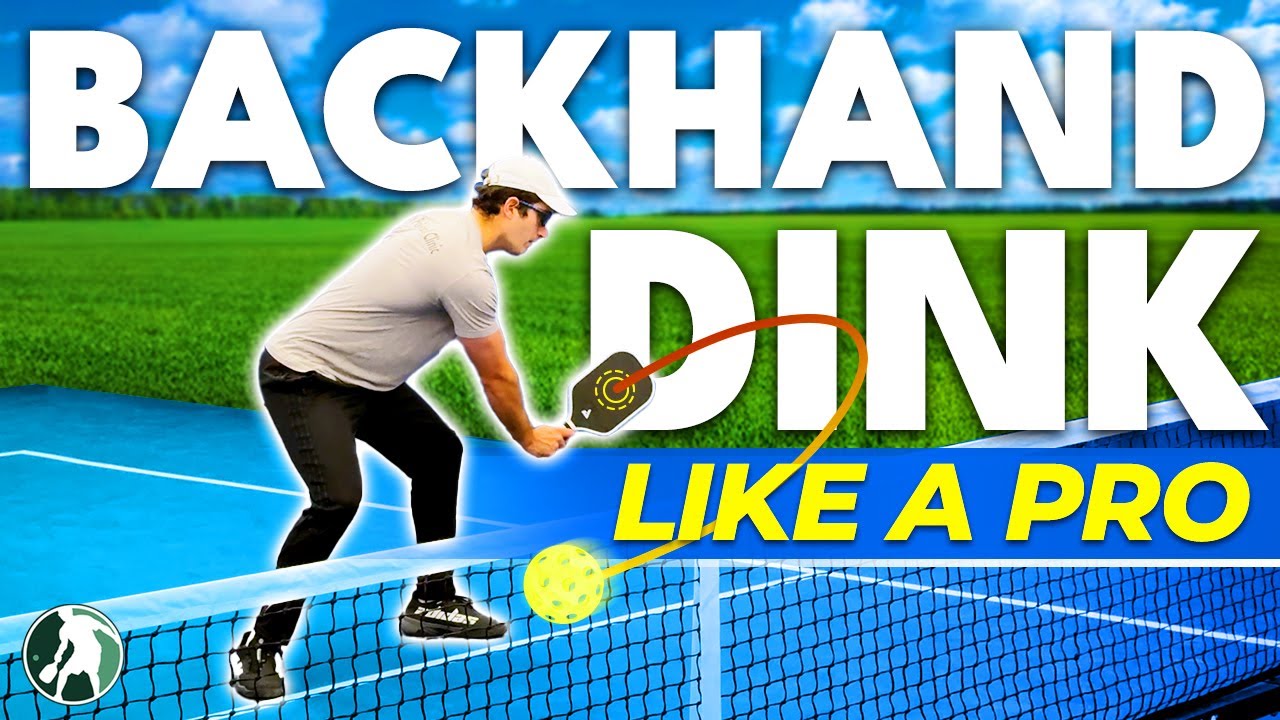
The backhand slice creates unpredictable bounce patterns that challenge opponents' timing. This shot stays lower after bouncing and can pull opponents out of position when executed with proper sidespin.
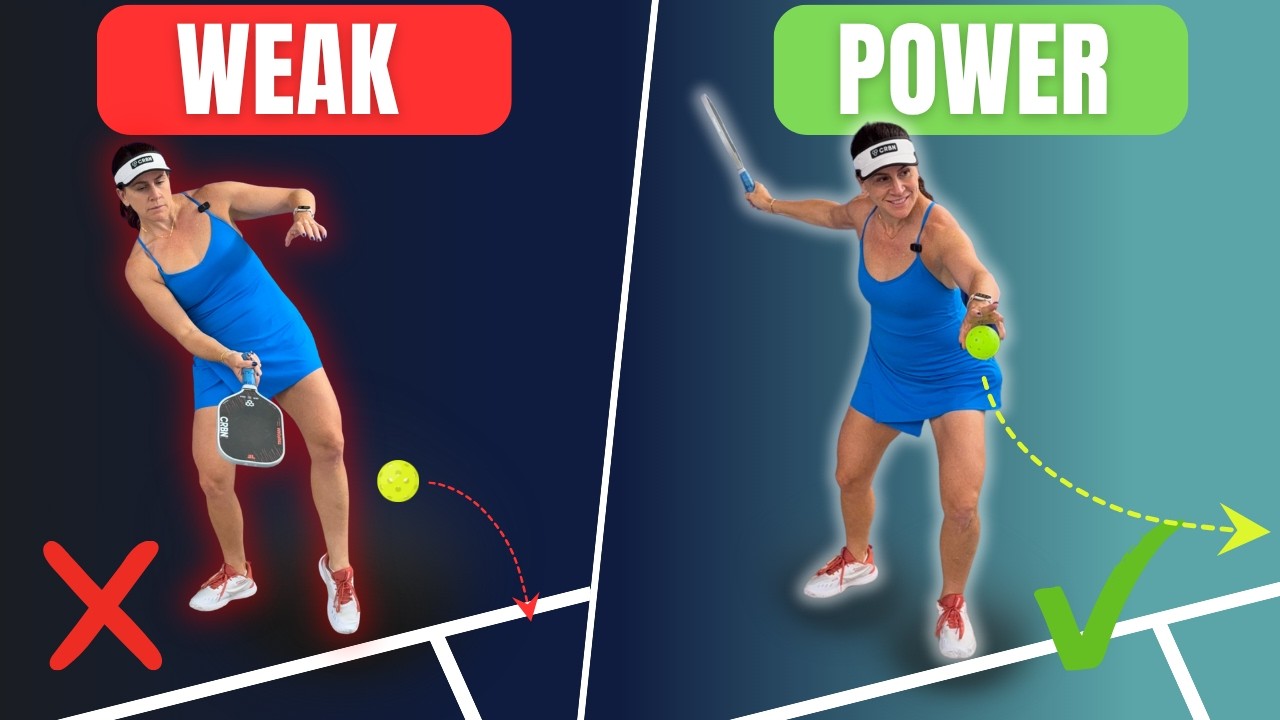
Execution focus: Open the paddle face slightly, brush underneath the ball, and follow through across your body to generate effective slice spin.
3. The Straight-Ahead Attack Dink
When opponents leave gaps in their court coverage, the straight-ahead dink exploits these weaknesses. This shot works particularly well when opponents crowd the middle or lean too heavily toward anticipated cross-court shots.
Strategic application: Use this variation sparingly to maintain the element of surprise and keep opponents guessing about your next shot selection.
4. The Volley Roll Technique
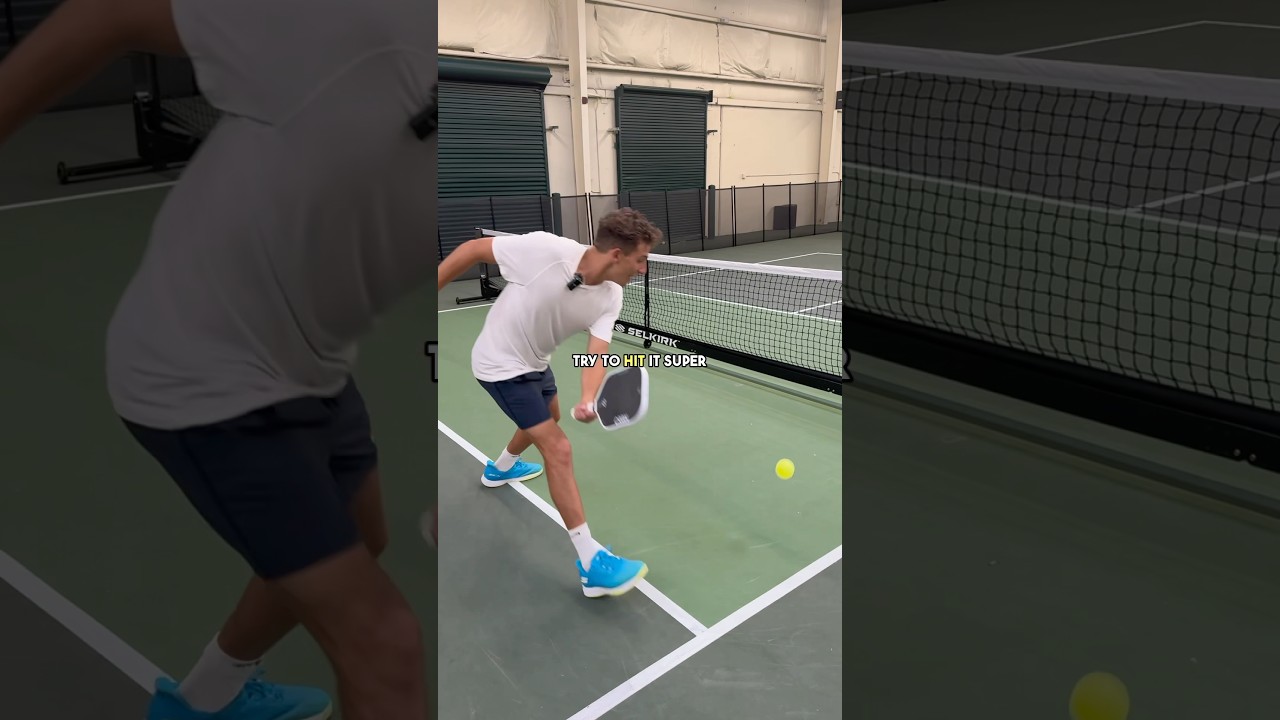
The volley roll bridges the gap between defensive dinking and offensive attacks. This shot allows players to take balls out of the air while maintaining control, speeding up rally tempo without sacrificing accuracy.
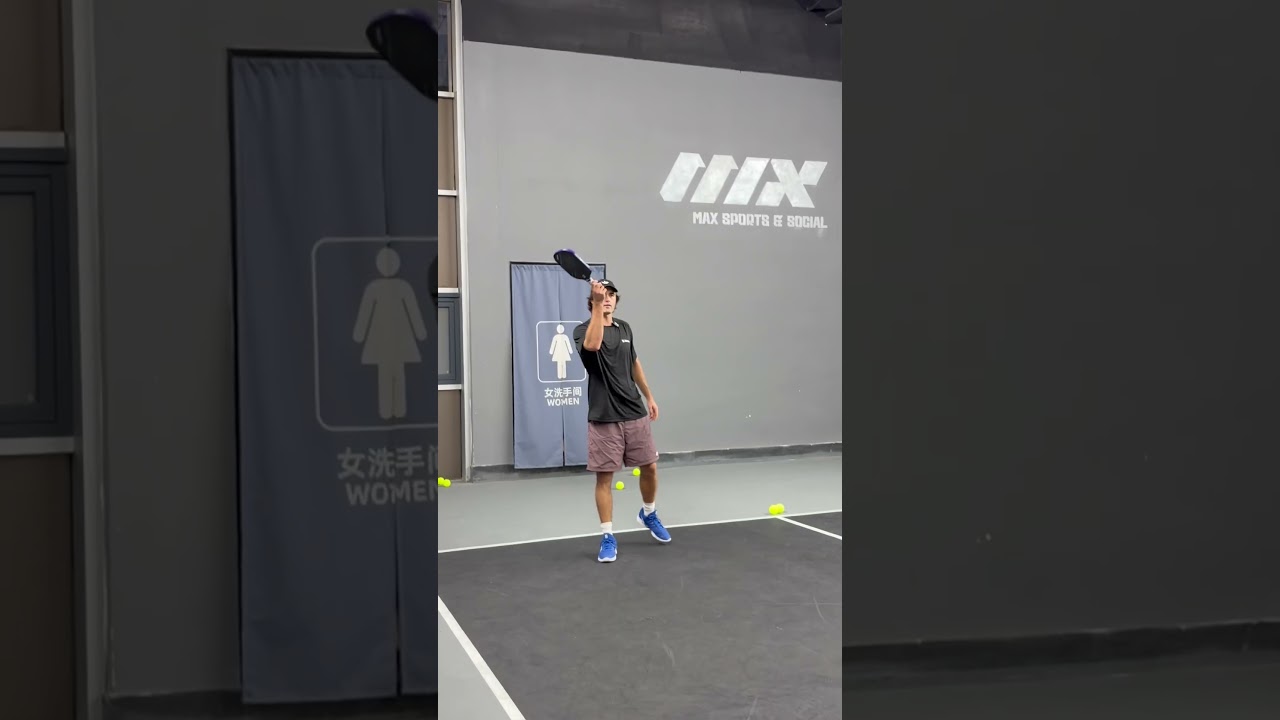
Technical requirements: Contact the ball in front of your body, use a continental grip, and roll the paddle face over the ball to generate controlled topspin.
Building Your Dink Arsenal: Practice Strategies
Developing these four dink variations requires focused practice sessions that simulate match conditions. Start with stationary drills, then progress to movement-based exercises that replicate competitive scenarios.
Recommended practice sequence:
- 15 minutes of cross-court consistency drills
- 10 minutes of backhand slice technique work
- 10 minutes of straight-line precision targeting
- 15 minutes of volley roll timing exercises
Implementing Dinks in Match Situations
Understanding when to deploy each dink variation determines success in competitive play. Cross-court dinks establish rally rhythm, slice dinks disrupt opponent timing, straight dinks exploit positioning errors, and volley rolls transition from defense to offense.
The key lies in reading opponent weaknesses and adjusting your shot selection accordingly. Patient players who can execute all four variations with consistency will control kitchen exchanges and create scoring opportunities.
Frequently Asked Questions
How long does it take to master these four dink variations?
Most players need 3-6 months of consistent practice to develop reliable execution of all four techniques. Focus on one variation at a time, achieving 80% consistency before progressing to the next shot type.
Which dink should beginners prioritize first?
Start with the cross-court control dink, as it provides the largest margin for error and builds fundamental touch and timing. Once comfortable with cross-court consistency, add the backhand slice as your second priority.
Can these dink techniques work against advanced players?
Absolutely. Advanced players respect opponents who can execute precise, varied dinks because these shots create genuine tactical challenges. The key is maintaining consistency while gradually introducing variation to keep opponents guessing.