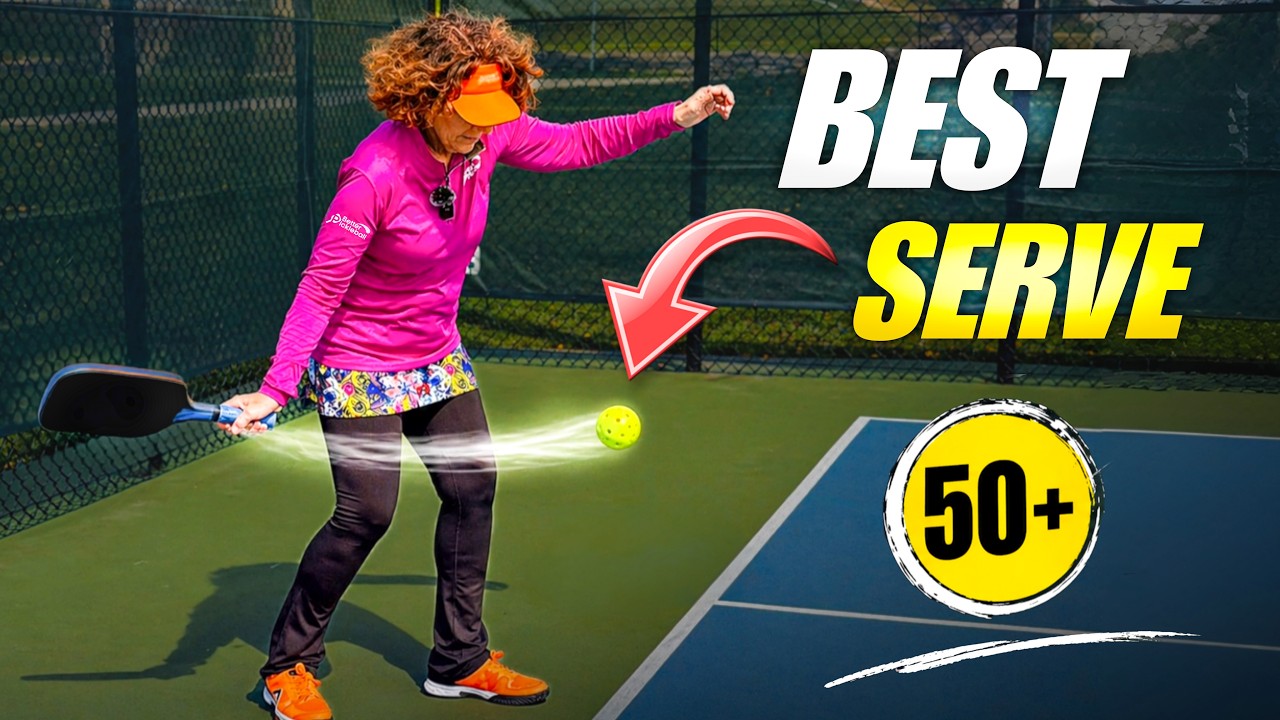
A weak, inconsistent serve can undermine your entire pickleball game before you even get started. If you're tired of double faults, shallow serves that set up easy attacks, or simply feeling like your serve lacks power and precision, you're in good company.
Coach Jess from Athena Pickleball, a former Division 1 tennis player turned pickleball expert, has identified three fundamental fixes that can revolutionize your serving game. These aren't minor tweaks—they're game-changing adjustments that address the core issues plaguing recreational players.
The Foundation Problem Most Players Miss
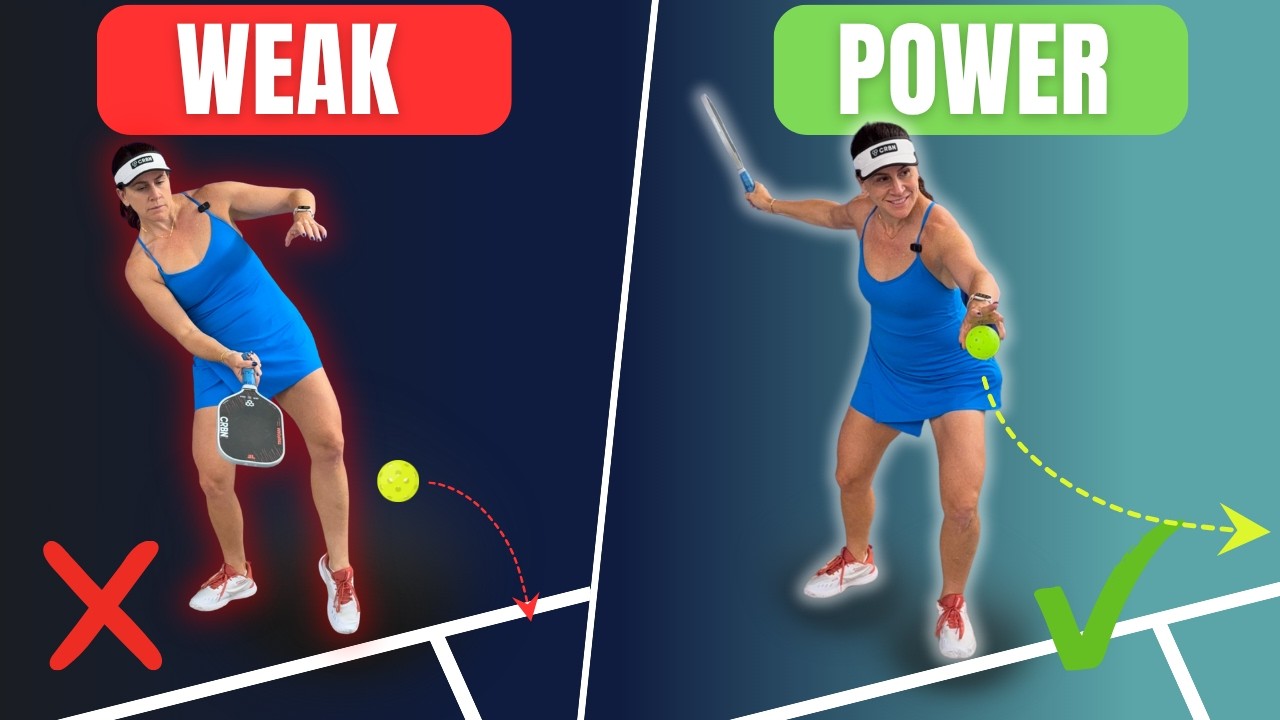
Before diving into specific techniques, it's crucial to understand why most serves fail. The majority of serving problems stem from three key areas: improper contact point, inconsistent toss placement, and lack of follow-through. These foundational issues create a cascade of problems that make your serve unreliable under pressure.
Coach Jess emphasizes that many players focus on power when they should be prioritizing consistency and placement first. Once you master these three fixes, power will naturally follow.
Fix #1: Master Your Contact Point
The first breakthrough involves optimizing where you make contact with the ball. Most recreational players contact the ball too low or too far to the side, creating awkward angles and reducing both power and accuracy.
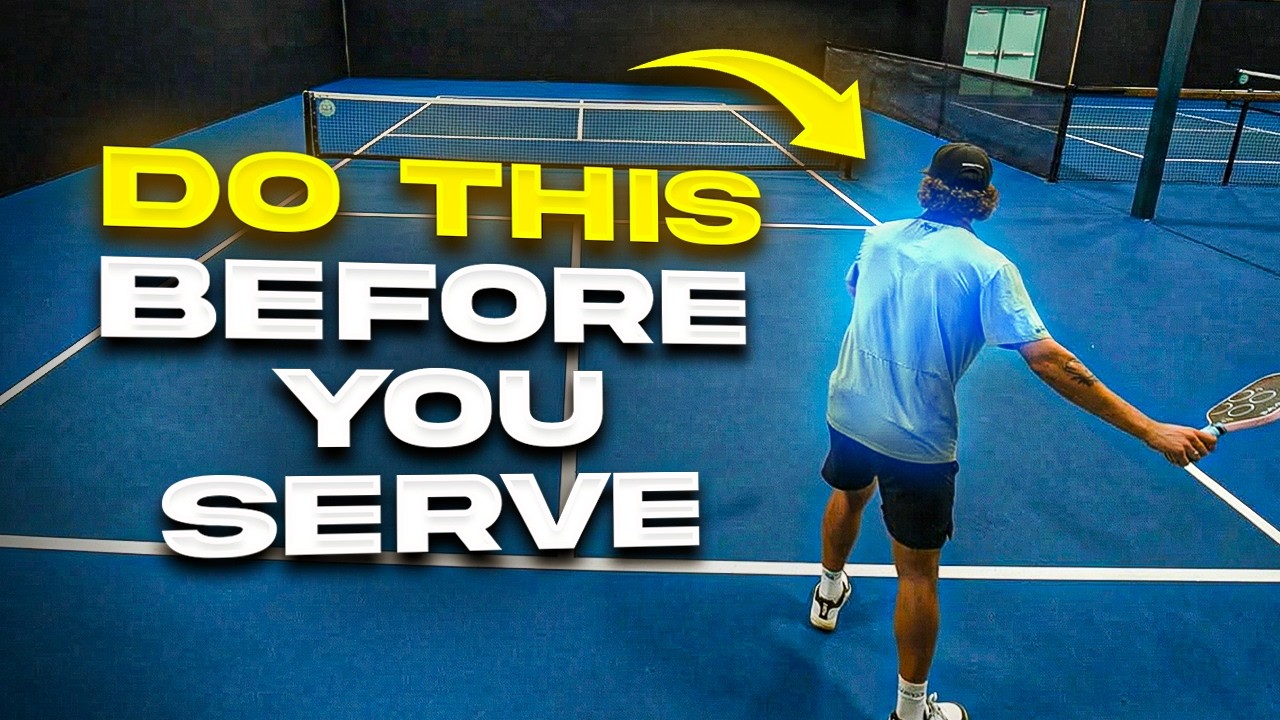
The ideal contact point should be slightly in front of your body and at the highest comfortable reach. This positioning allows for maximum paddle face control and generates natural power through proper biomechanics rather than forced effort.
Practice this by standing near the net and focusing solely on contact point consistency. Don't worry about power initially—just concentrate on hitting the ball at the same optimal spot every time.
Fix #2: Develop Consistent Toss Mechanics
Your toss sets up everything that follows. An inconsistent toss makes it impossible to develop reliable serving mechanics, forcing you to make constant adjustments mid-serve.

Coach Jess recommends a simple but effective approach: release the ball from the same height and position every single time. The toss should be approximately 6-12 inches above your optimal contact point, giving you time to set up properly without rushing or waiting too long.
Many players toss too high, creating timing issues, or too low, forcing rushed contact. Find your sweet spot through repetitive practice, focusing on identical release points.
Fix #3: Complete Your Follow-Through
The third fix addresses what happens after contact—an often-neglected aspect that significantly impacts serve quality. Proper follow-through doesn't just add power; it ensures consistent ball direction and spin.
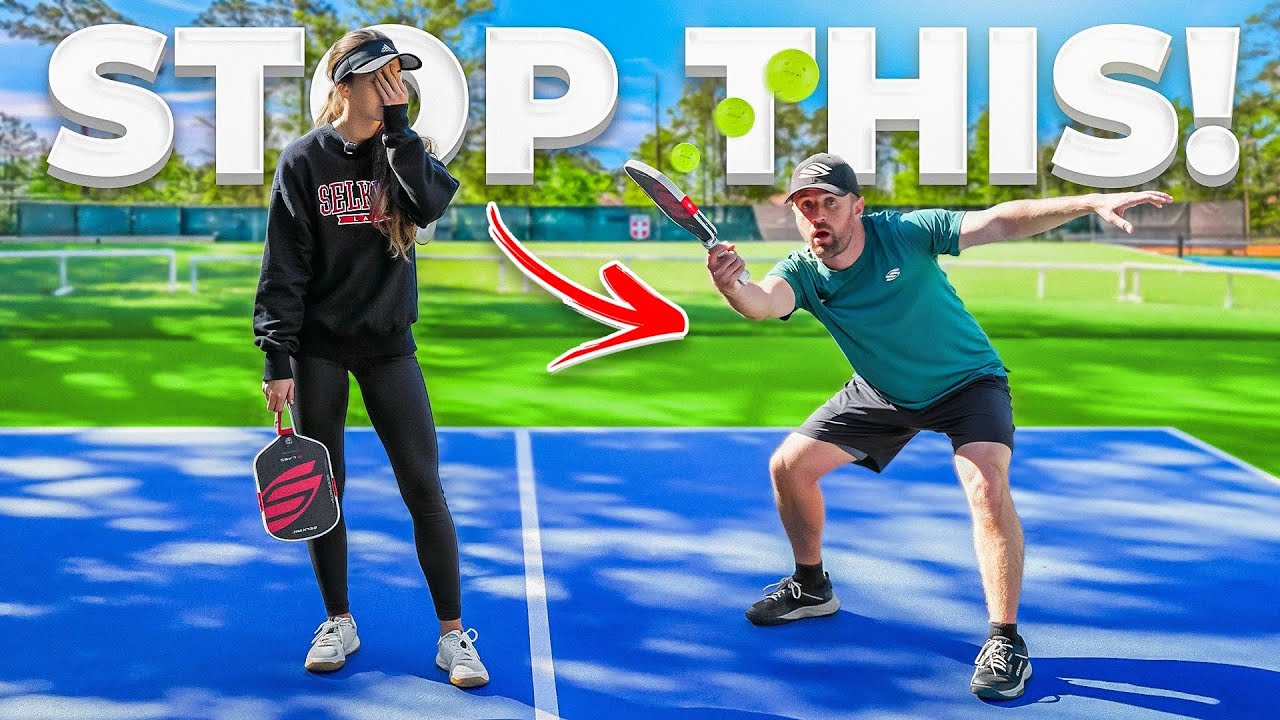
Your paddle should continue moving toward your target after contact, with your arm naturally extending across your body. This motion helps generate spin and keeps the ball trajectory stable.
Incomplete follow-through often results from tension or rushing. Focus on smooth, relaxed motion that continues well past the contact point.
Putting It All Together
These three fixes work synergistically. Consistent toss placement enables optimal contact points, which in turn facilitate proper follow-through. Practice each element separately before combining them into fluid serving motion.
Start with slow, deliberate practice focusing on mechanics rather than pace. Gradually increase intensity as muscle memory develops. Most players notice significant improvement within 2-3 focused practice sessions.
Remember, serving consistency beats serving power at recreational levels. Master these fundamentals first, then gradually add pace and spin variations as your confidence grows.
Common Implementation Mistakes
While these fixes are straightforward, several common mistakes can derail progress. Avoid trying to implement all three simultaneously—focus on one fix per practice session. Don't rush the process by immediately trying to serve harder. Allow proper mechanics to develop naturally.
Also, resist reverting to old habits under match pressure. Stick with new mechanics even if they feel uncomfortable initially.
FAQ
How long does it take to see improvement with these serving fixes?
Most players notice increased consistency within 2-3 focused practice sessions. However, developing complete confidence and automaticity typically takes 2-3 weeks of regular practice.
Should I practice these fixes during matches or only in practice?
Focus on implementing these changes during practice first. Once you feel comfortable with the new mechanics, gradually introduce them in match situations, starting with less pressured points.
Can these fixes help players at all skill levels?
While these fundamentals benefit players at every level, they're particularly transformative for 3.0-4.0 level players who often struggle with serving consistency and confidence.