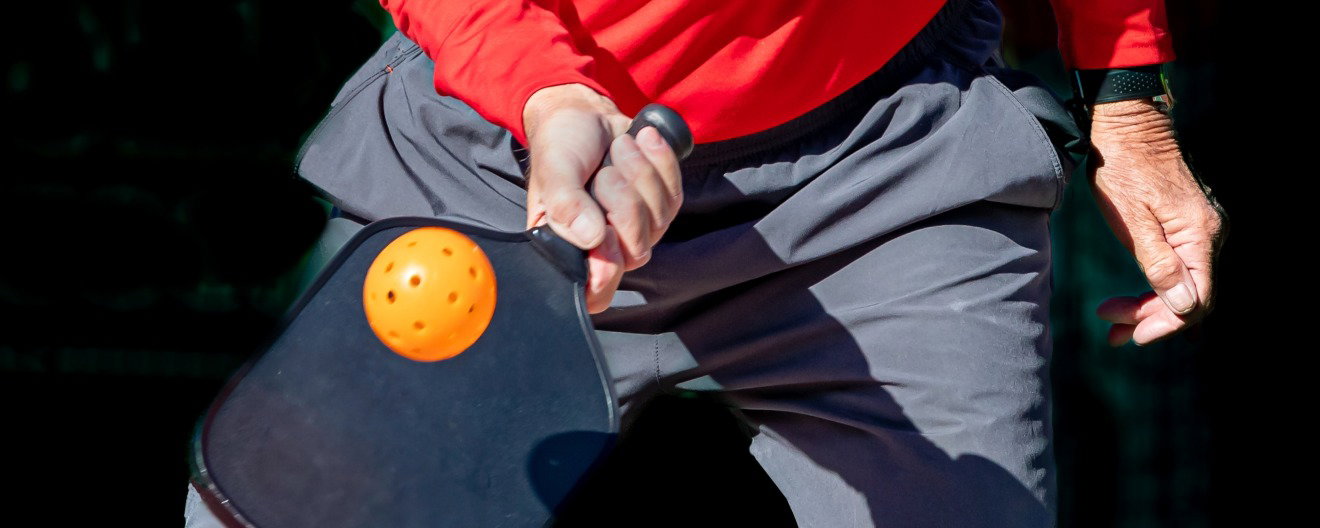
Every pickleball player knows the feeling: you practice for hours, watch instructional videos, and still find yourself making the same frustrating errors game after game. The problem isn't your effort or dedication—it's that you're addressing symptoms instead of root causes.
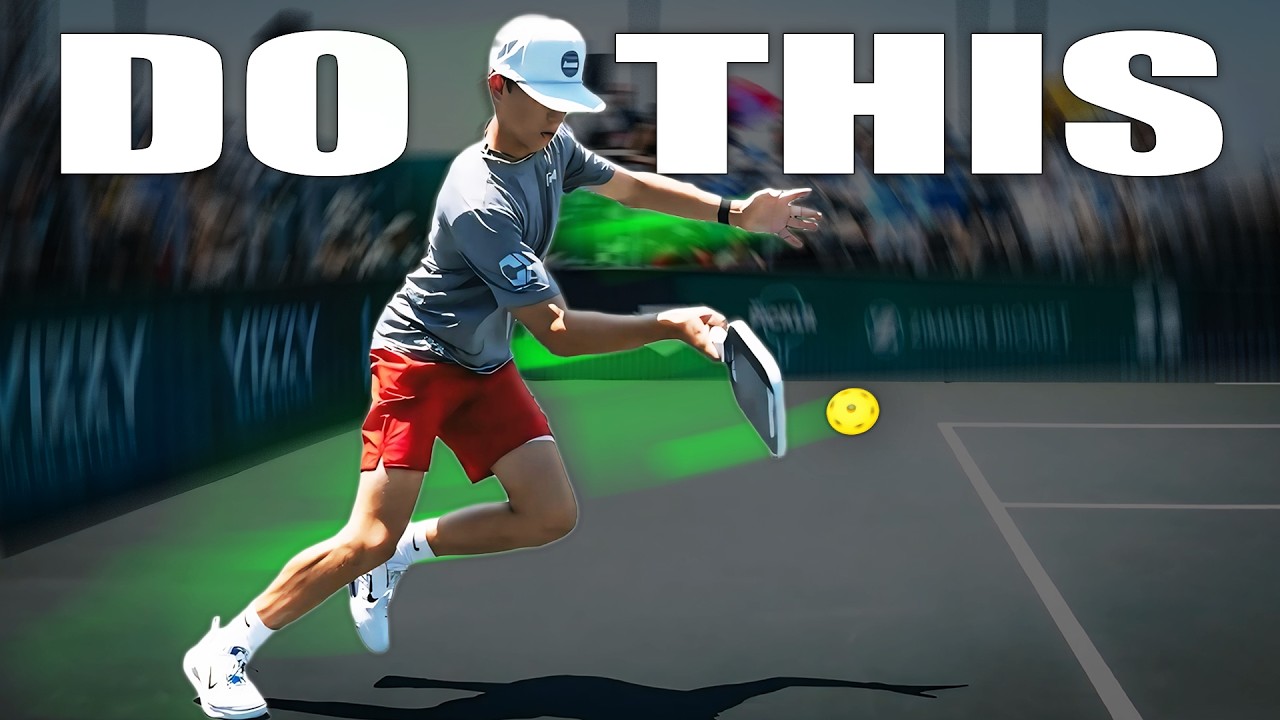
A breakthrough framework reveals that pickleball mistakes follow predictable patterns. By understanding these patterns and implementing five strategic adjustments, players can eliminate recurring errors and achieve immediate improvement in their game consistency.
The Five Critical Adjustments That Transform Your Game
1. Master Paddle Positioning Between Shots
The most overlooked mistake happens between points of contact. Players instinctively drop their paddle after each shot, creating unnecessary movement and delayed reactions. The solution is maintaining your paddle in the "ready position"—chest high with the face slightly angled forward.
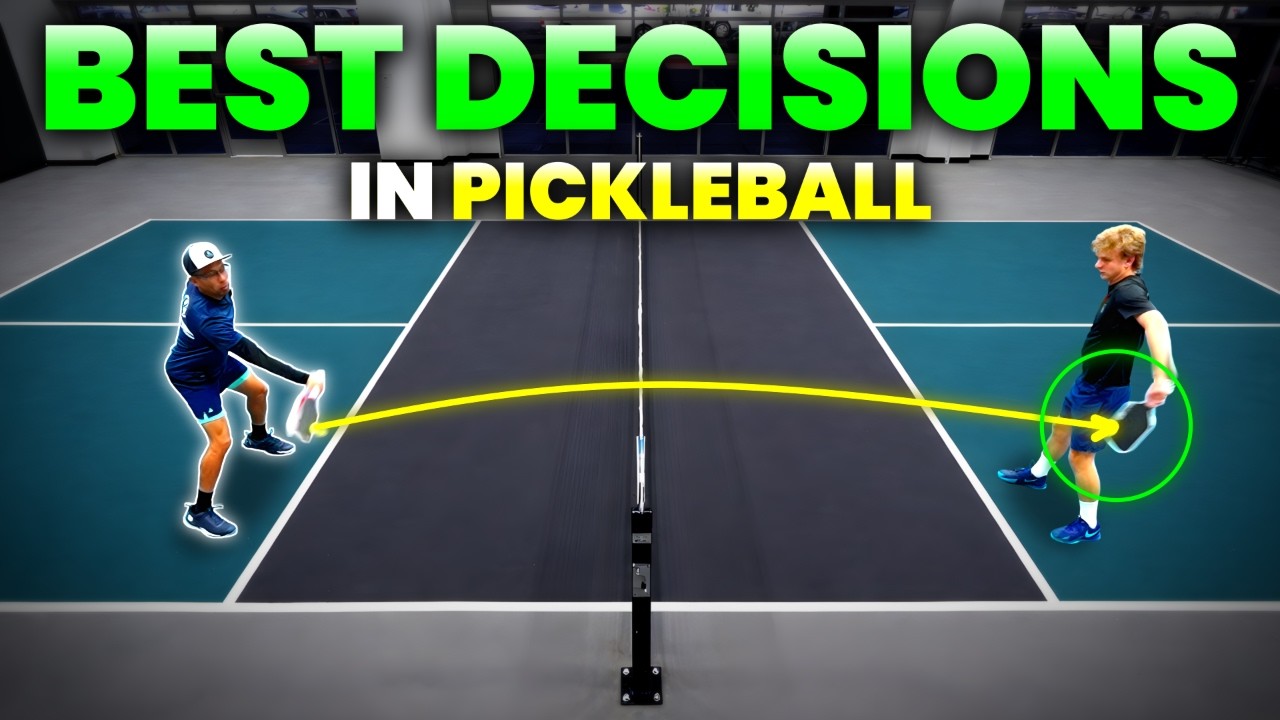
This simple adjustment reduces reaction time by 200 milliseconds, the difference between making and missing challenging shots. Practice keeping your paddle elevated during drills, even when the ball isn't in play.
2. Optimize Your Paddle Height Strategy
Most recreational players hold their paddle too low, forcing them to swing upward on every shot. This creates inconsistent ball contact and reduces control over shot placement.
The optimal paddle height positions the head slightly above your wrist level. This neutral position allows for both offensive drives and defensive blocks without major grip adjustments.
3. Target the Center, Not the Lines
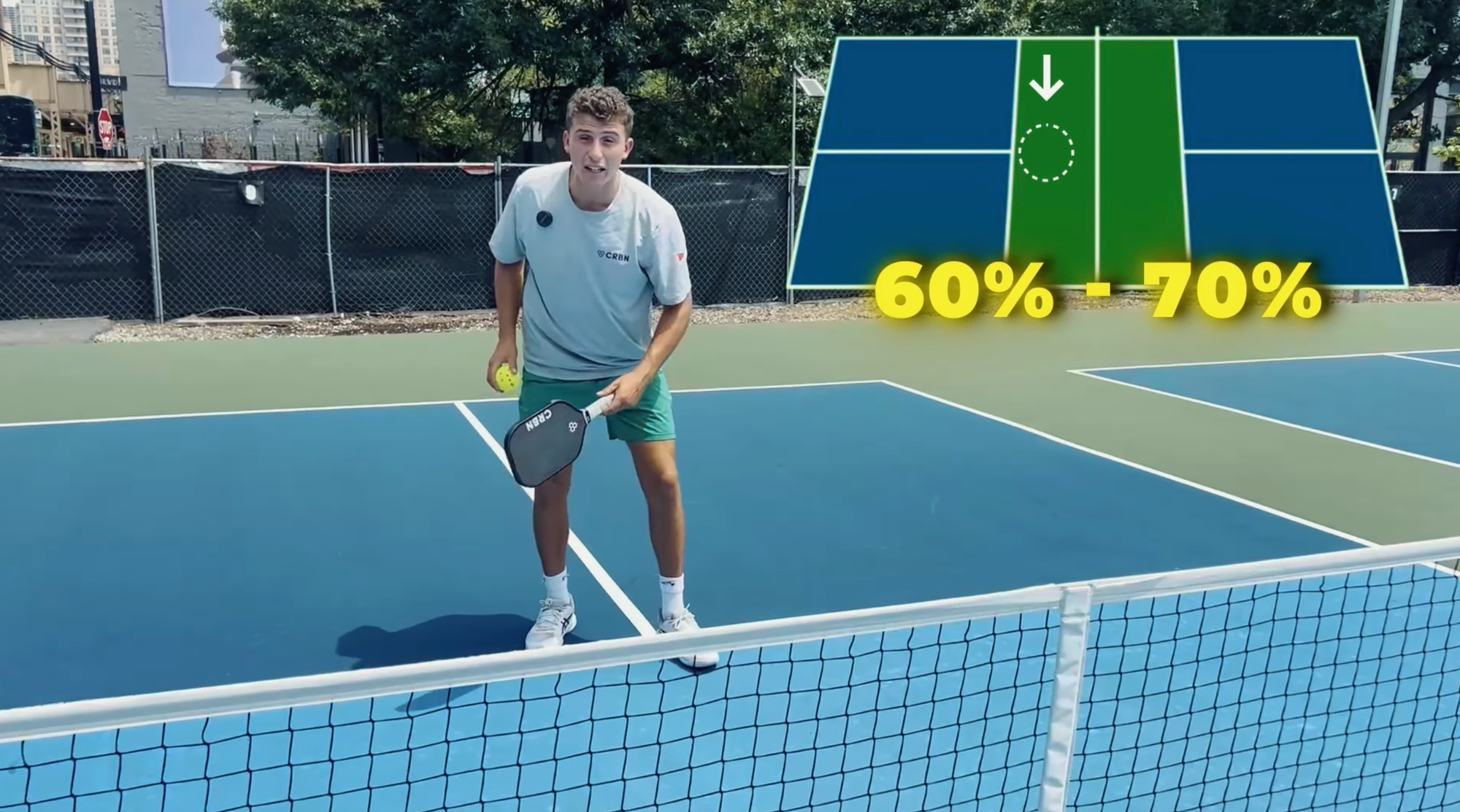
Ambitious players often aim for sideline winners, leading to frequent unforced errors. Professional players understand that consistency beats aggression—they target the center 80% of the time during rallies.
Center targeting accomplishes three objectives: it reduces your error rate, forces opponents to create their own angles, and gives you more time to recover position for the next shot.
4. Anticipate Footwork Before Ball Contact
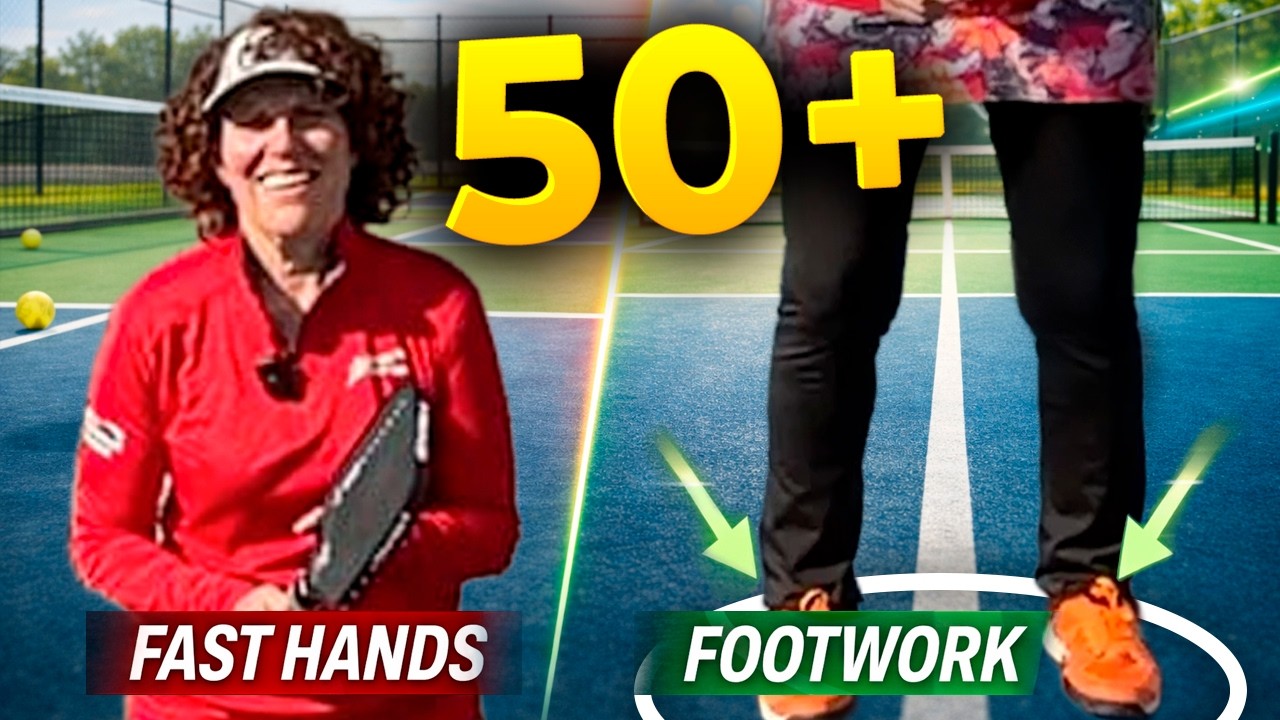
Reactive footwork is always too late. Advanced players begin their foot positioning the moment they read their opponent's paddle angle and body position, not after ball contact.
Develop this skill by watching your opponent's preparation phase. Their paddle position and shoulder alignment telegraph shot direction before they make contact. Use these visual cues to start your movement early.
5. Work With Spin, Don't Fight It
Spin creates the most confusion for intermediate players. Instead of fighting topspin with aggressive counter-shots, learn to absorb and redirect the energy.
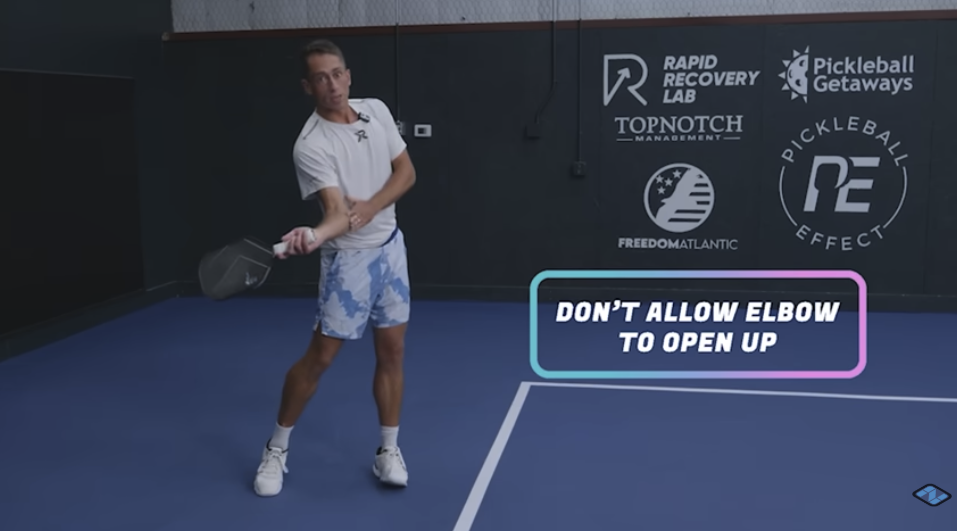
For topspin shots, angle your paddle face slightly downward and use a shorter backswing. For backspin, open your paddle face and allow the ball's rotation to help lift it over the net. This approach transforms spin from an obstacle into an advantage.
Implementing the System for Maximum Results
These adjustments work synergistically—improving one area enhances the others. Start with paddle positioning, as it affects every other aspect of your game. Spend one week focusing solely on keeping your paddle elevated between shots.
Once paddle positioning becomes automatic, add the height optimization. Continue this progressive approach, mastering each element before adding the next.
Why This System Works When Others Fail
Traditional pickleball instruction focuses on technique in isolation. This system addresses the interconnected nature of court movement, shot preparation, and ball contact. By fixing foundational habits, you eliminate the source of multiple errors simultaneously.
Players who implement this framework report noticeable improvement within two weeks, with significant consistency gains after one month of focused practice.
Frequently Asked Questions
How long does it take to see improvement using this system?
Most players notice increased shot consistency within 7-10 days of implementing paddle positioning changes. Complete integration of all five adjustments typically takes 3-4 weeks of regular practice.
Should I work on all five adjustments simultaneously?
No, focus on one adjustment at a time for best results. Master paddle positioning first, then progressively add each element. Attempting all changes simultaneously often leads to temporary performance decline and confusion.
Will this system work for advanced players or just beginners?
These principles apply to all skill levels. Advanced players often benefit most from the footwork timing and spin management techniques, while newer players see dramatic improvement from paddle positioning and targeting adjustments.