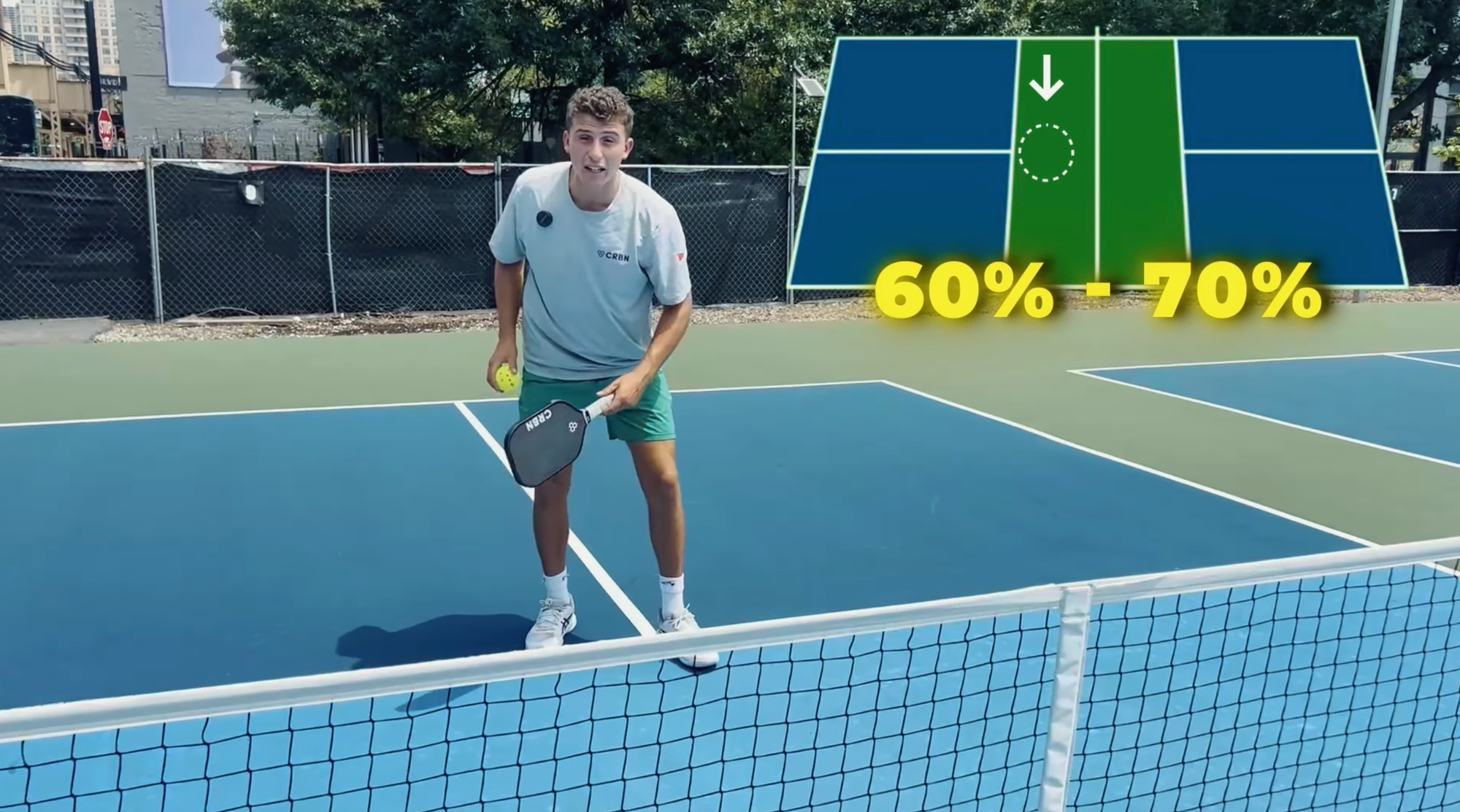
Hand battles at the net separate recreational players from competitive champions in pickleball. These lightning-fast exchanges often determine match outcomes, yet most players struggle because they react too slowly or use excessive swing power.
Professional player Michael Loyd, ranked in the top 10 with over 135 Pro Tour victories, has broken down the essential techniques that transform average players into hand battle champions.
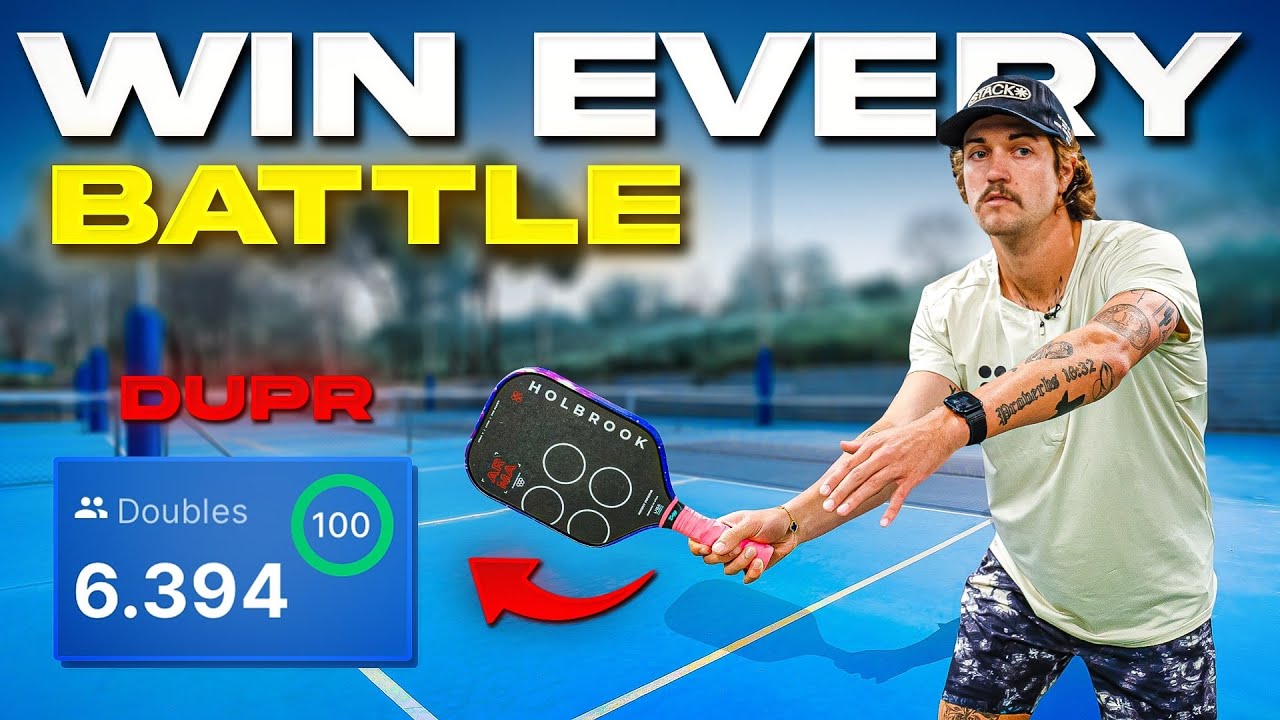
Understanding Hand Battle Fundamentals
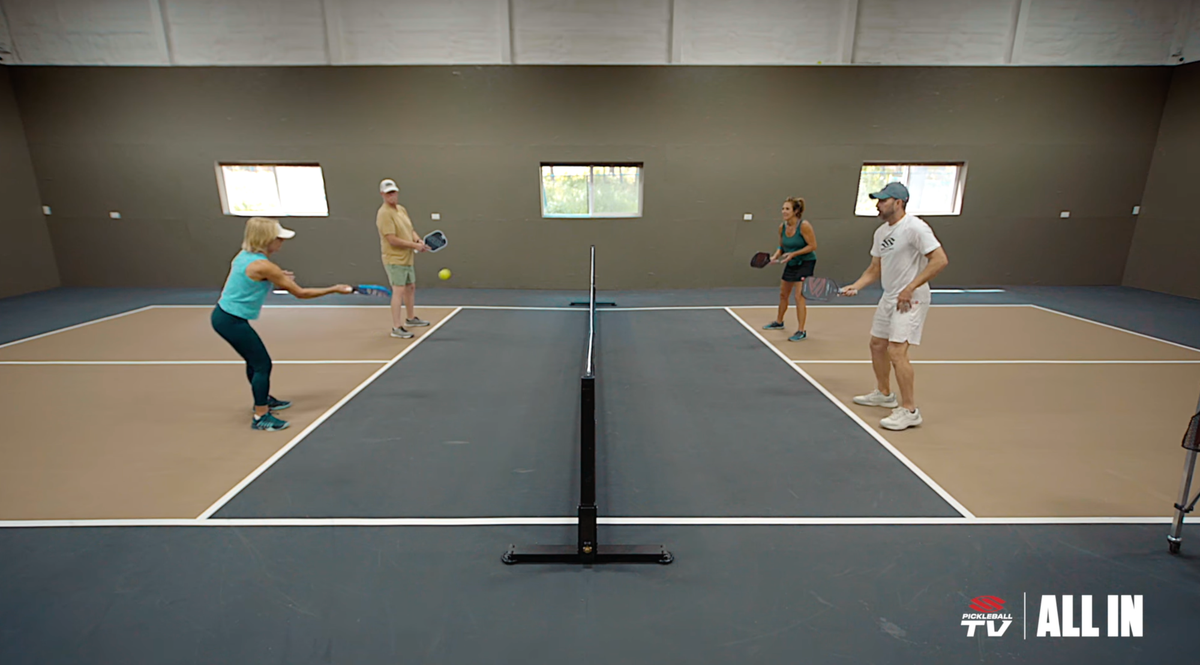
Hand battles occur when both players engage in rapid-fire volleys at close range near the net. Success depends on quick reflexes, precise paddle control, and strategic positioning rather than power shots.
The key difference between winning and losing these exchanges lies in preparation and technique execution during high-pressure moments.
Michael Loyd's 9 Winning Strategies
1. Perfect Paddle Positioning
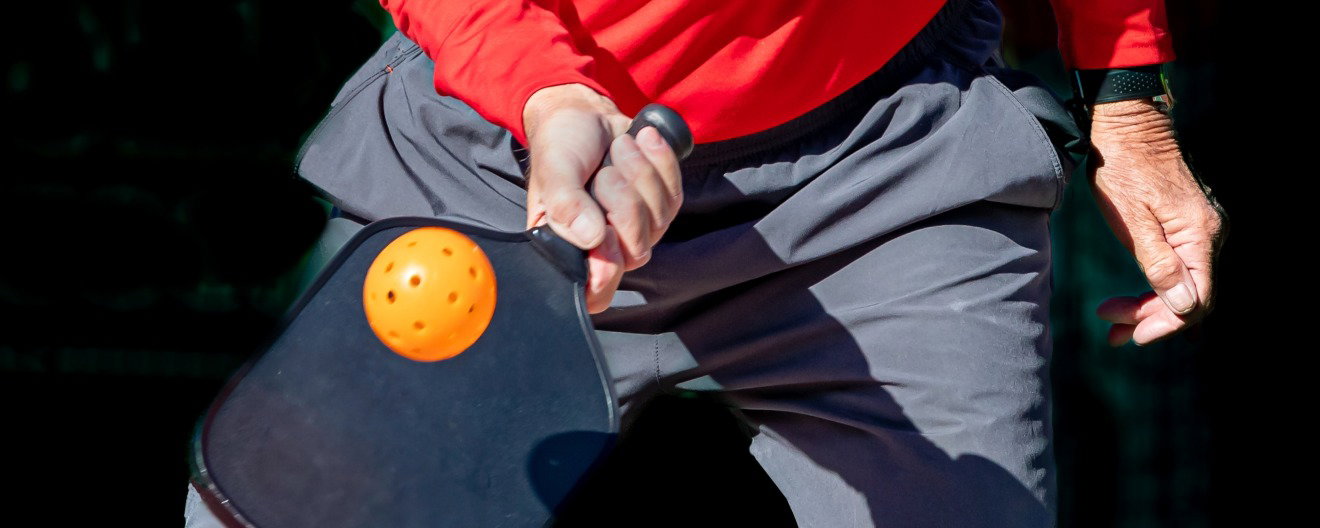
Keep your paddle face slightly open and positioned at chest height. This ready position allows for quick defensive reactions while maintaining offensive opportunities.
2. Compact Swing Mechanics
Minimize backswing to increase reaction time. Focus on punch volleys using wrist and forearm control rather than full arm movements.
3. Target Selection Strategy
Aim for your opponent's feet or body rather than attempting winners to the sidelines. Force awkward returns that create better attack opportunities.
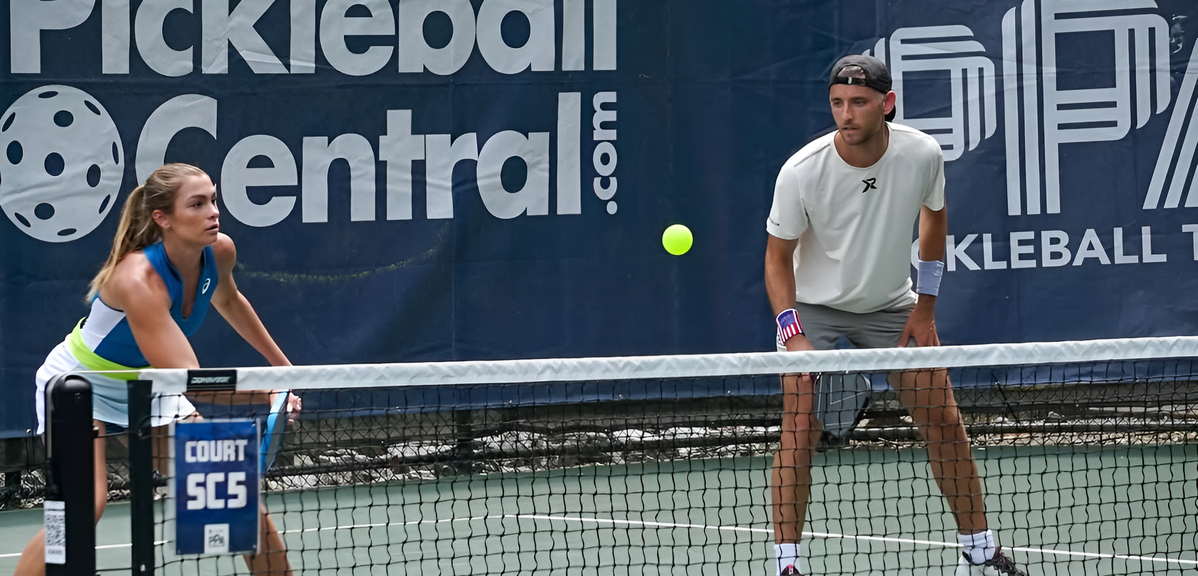
4. Reading Opponent Tells
Watch for subtle body language cues like shoulder positioning and paddle angle that telegraph shot direction. Experienced players develop pattern recognition skills.
5. Maintaining Optimal Court Position
Stay balanced on the balls of your feet with slight forward lean. Quick lateral movement becomes crucial for covering angles.
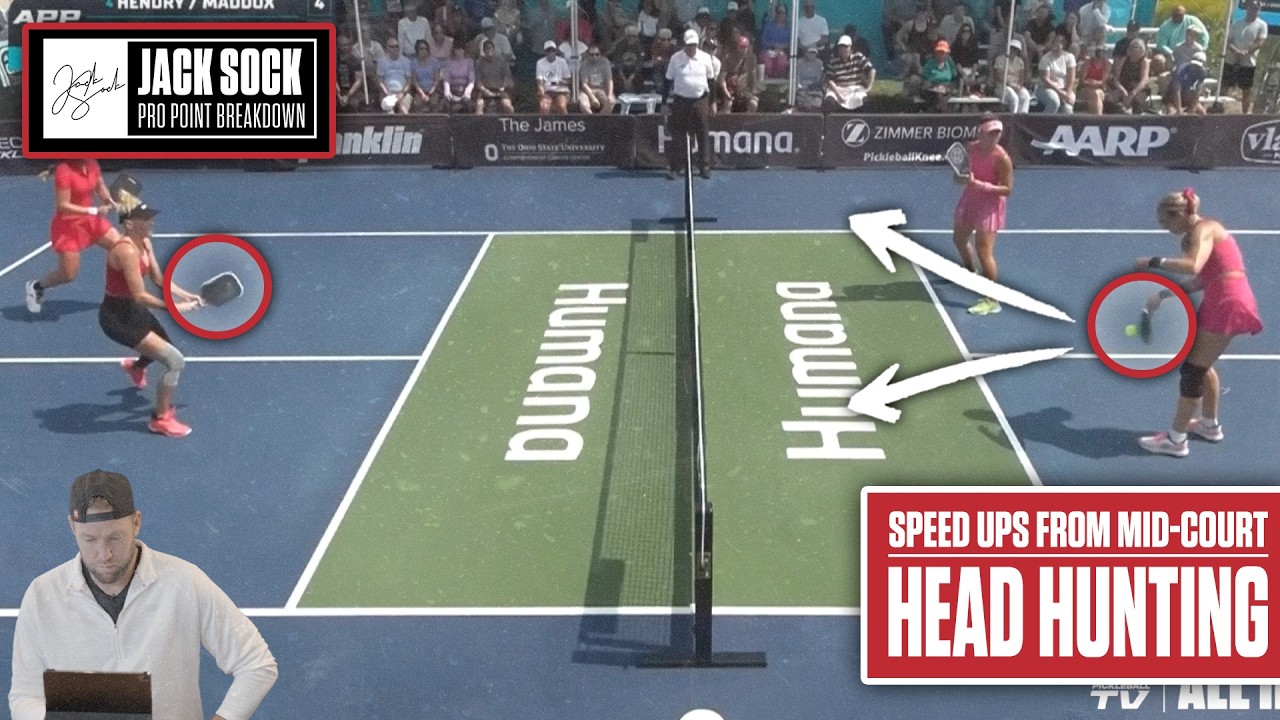
6. Controlling Exchange Tempo
Vary your shot speed to disrupt opponent rhythm. Mix soft touches with firm drives to create timing confusion.
7. Strategic Retreat Timing
Recognize when to step back and reset rather than continuing aggressive net play. Sometimes tactical withdrawal prevents point loss.

8. Mental Focus Under Pressure
Develop tunnel vision during exchanges. Block out distractions and maintain concentration on paddle contact and ball placement.
9. Practice Drill Integration
Regular hand battle practice with partners improves muscle memory and reaction timing. Consistent repetition builds confidence during match situations.
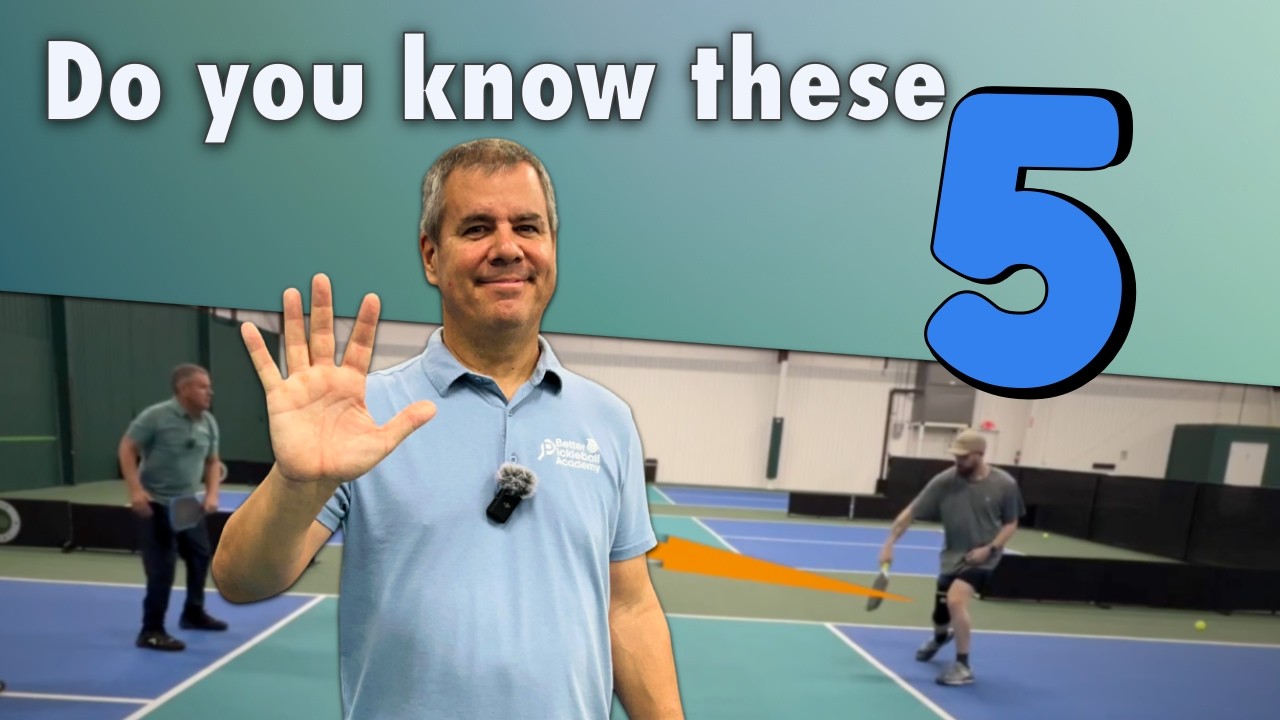
Common Hand Battle Mistakes
Many players fail in hand battles due to predictable errors:
- Swinging too hard when quick placement works better
- Standing too far from the net, reducing angle coverage
- Focusing on power over precision and consistency
- Failing to anticipate opponent movement patterns
- Neglecting footwork fundamentals during rapid exchanges
Training for Hand Battle Success
Developing elite hand battle skills requires specific practice routines. Focus on reaction drills, target practice at close range, and situational exercises that simulate match pressure.
Partner with players who challenge your speed and accuracy. Progressive difficulty training builds the neural pathways necessary for split-second decision making.
Implementing Pro Techniques
Start by mastering one or two techniques before adding complexity. Consistent execution of basic principles often defeats players attempting advanced strategies with poor fundamentals.
Record practice sessions to analyze technique and identify improvement areas. Video review helps recognize patterns and refine movement efficiency.
Frequently Asked Questions
How long does it take to improve hand battle skills?
Most players see noticeable improvement within 4-6 weeks of focused practice, but developing consistent execution under match pressure typically requires 2-3 months of regular training.
Should I practice hand battles with stronger or weaker players?
Practice with both skill levels. Stronger players challenge your reaction speed and decision making, while working with developing players allows you to focus on technique refinement and consistency.
What's the biggest mistake recreational players make in hand battles?
The most common error is attempting to end points too quickly with powerful shots instead of building opportunities through strategic placement and patient point construction.