Master the Kitchen: Where Champions Are Made
The kitchen line separates good pickleball players from great ones. It's the 14-foot battleground where rallies intensify, pressure peaks, and split-second decisions determine victory. If you're reaching the net but struggling to finish points, these seven tactical adjustments will transform your kitchen game.
1. Stay Low and Stay Ready
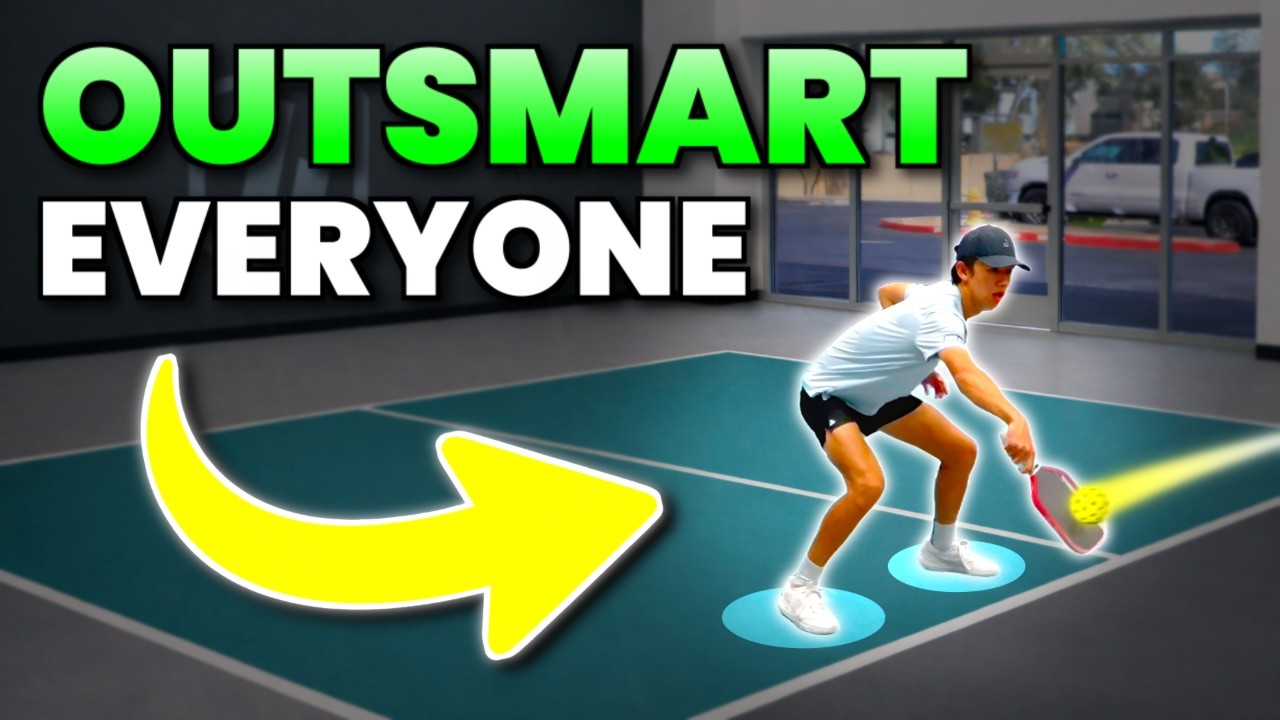
The foundation of kitchen dominance starts with your stance. Keep your knees bent, paddle up, and weight on the balls of your feet. This athletic position allows for quick reactions in any direction. Many players make the mistake of standing upright at the net, leaving them vulnerable to fast exchanges.
Your paddle should hover at chest height, creating the shortest path to intercept balls. This ready position gives you precious milliseconds that often mean the difference between a winning volley and a defensive scramble.
2. Target the Feet, Not the Lines
Forget about painting corners when you're at the kitchen. Aim for your opponent's feet or their backhand hip. These targets create awkward returns that often pop up, giving you easier put-away opportunities.
Shots directed at the feet force players to hit up on the ball, reducing their offensive options. When targeting the backhand side, you're exploiting most players' weaker wing while limiting their ability to generate pace.
3. Use the Cross-Court Advantage
Cross-court dinks and volleys travel over the lowest part of the net and give you more court to work with. This diagonal strategy also pulls opponents out of position, opening up the court for your next shot.
Cross-court shots are particularly effective when your opponents are both crowding the middle. A well-placed cross-court dink can stretch the defense and create gaps you can exploit on the following shot.
4. Master the Reset Shot
When opponents hit aggressive shots at your feet or body, resist the urge to attack immediately. Instead, focus on a controlled reset that brings the pace down and puts you back in neutral position.
The best reset shots drop softly into the opponent's kitchen, forcing them to hit up on their next shot. This defensive skill is crucial because it prevents opponents from maintaining offensive pressure.
5. Vary Your Pace and Spin
Predictability kills kitchen effectiveness. Mix soft dinks with slightly firmer shots to keep opponents guessing. Add topspin to make balls dive quickly, or use backspin to create deceptive bounces.
Pace variation disrupts your opponent's timing and rhythm. A well-timed pace change can catch opponents leaning or moving in the wrong direction, creating easy winners.
6. Control the Middle
The area between opponents is often the most profitable target zone. Shots hit down the middle create confusion about who should take the ball, leading to miscommunication and weak returns.
When both opponents are wide, a shot down the middle forces awkward positioning. Even when they handle it cleanly, middle shots typically produce defensive returns rather than offensive attacks.
7. Always Expect the Ball Back
The biggest mistake recreational players make is assuming their shot will be a winner. Stay balanced and ready for the next shot, even after hitting what appears to be a perfect winner. Great defensive players often retrieve seemingly impossible shots.
This mindset keeps you in rally mode rather than celebration mode. Players who expect returns position themselves better for follow-up shots and rarely get caught off-guard by defensive heroics.
Putting It All Together
These seven tactics work best when combined strategically. Start each point with proper positioning, use smart targeting to create opportunities, and maintain aggressive patience throughout rallies. Remember, kitchen mastery isn't about hitting harder—it's about thinking smarter.
Practice these concepts during warm-ups and drilling sessions. Focus on one tactic at a time until it becomes instinctive, then layer in additional elements. With consistent application, you'll notice opponents struggling to handle your improved net game.
Frequently Asked Questions
Q: How close should I stand to the kitchen line during rallies?
A: Position yourself 6-12 inches behind the line. This gives you space to handle fast shots while staying close enough to be offensive on short balls.
Q: What's the most common kitchen line mistake recreational players make?
A: Standing too upright and trying to end points too quickly. Stay low and build points patiently rather than going for low-percentage winners.
Q: Should I always try to get to the kitchen line during points?
A: Yes, but advance strategically. Move up behind good shots that put opponents on defense, and always be ready to stop and reset if they attack.