Elite pickleball players have a secret: they don't just practice on the court. They develop their skills at home through targeted drills that build the foundation for superior play.
Court access isn't always guaranteed, but your development doesn't have to stop. These eight home training exercises focus on the core elements that separate good players from great ones - footwork precision, lightning reflexes, and solid mechanics.
Why Home Training Matters for Pickleball Players
Game situations are unpredictable and don't always target your specific weaknesses. Home training allows you to:
- Focus on fundamental skills without distractions
- Practice consistently regardless of weather or court availability
- Build muscle memory through repetition
- Address specific technical flaws
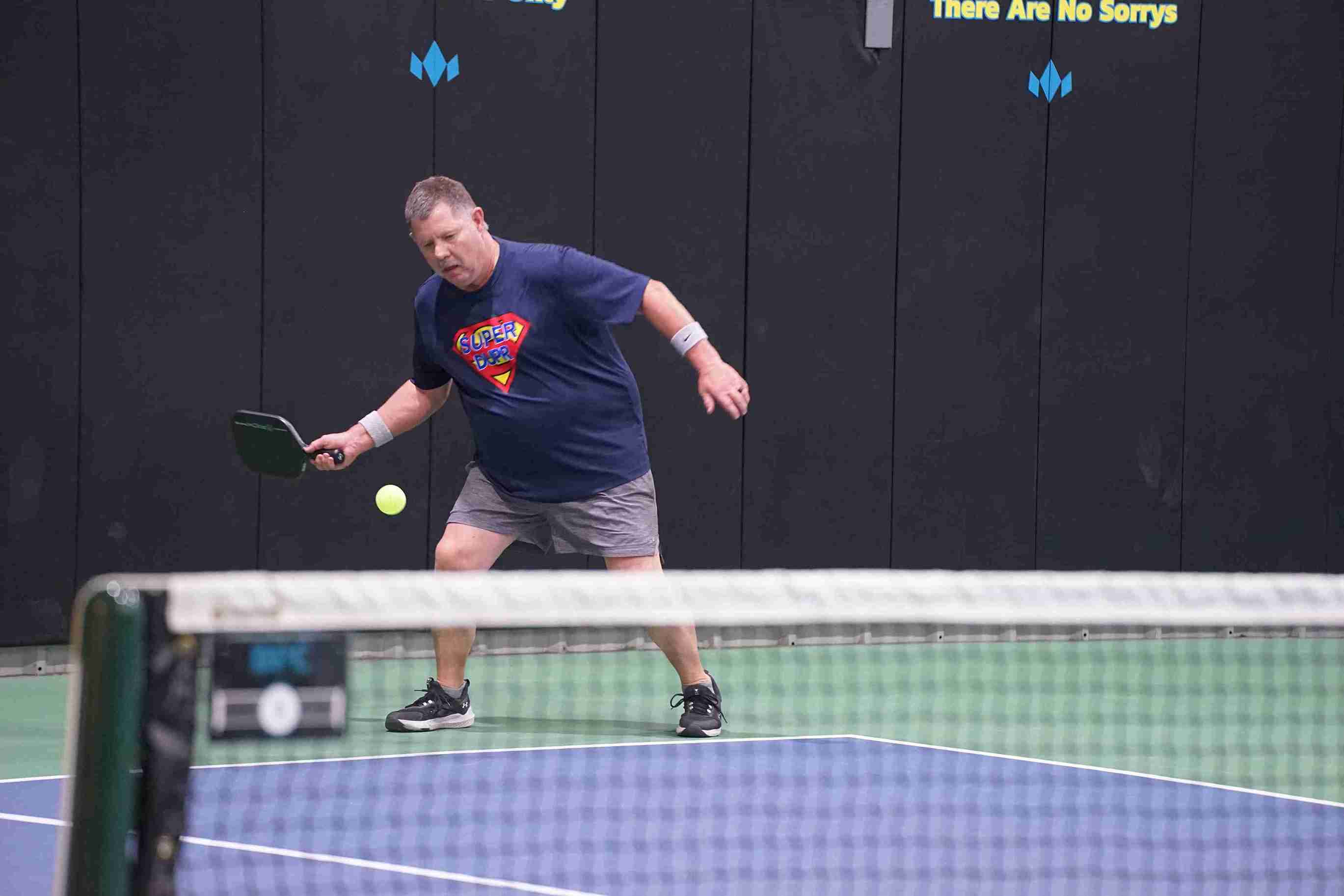
8 Game-Changing Home Drills
1. Wall Rally Challenge
Find a solid wall and practice controlled volleys from 6-8 feet away. Start with 50 consecutive hits, focusing on paddle face control and consistent contact point. This drill builds hand-eye coordination and develops your feel for the ball.
2. Ladder Footwork Patterns
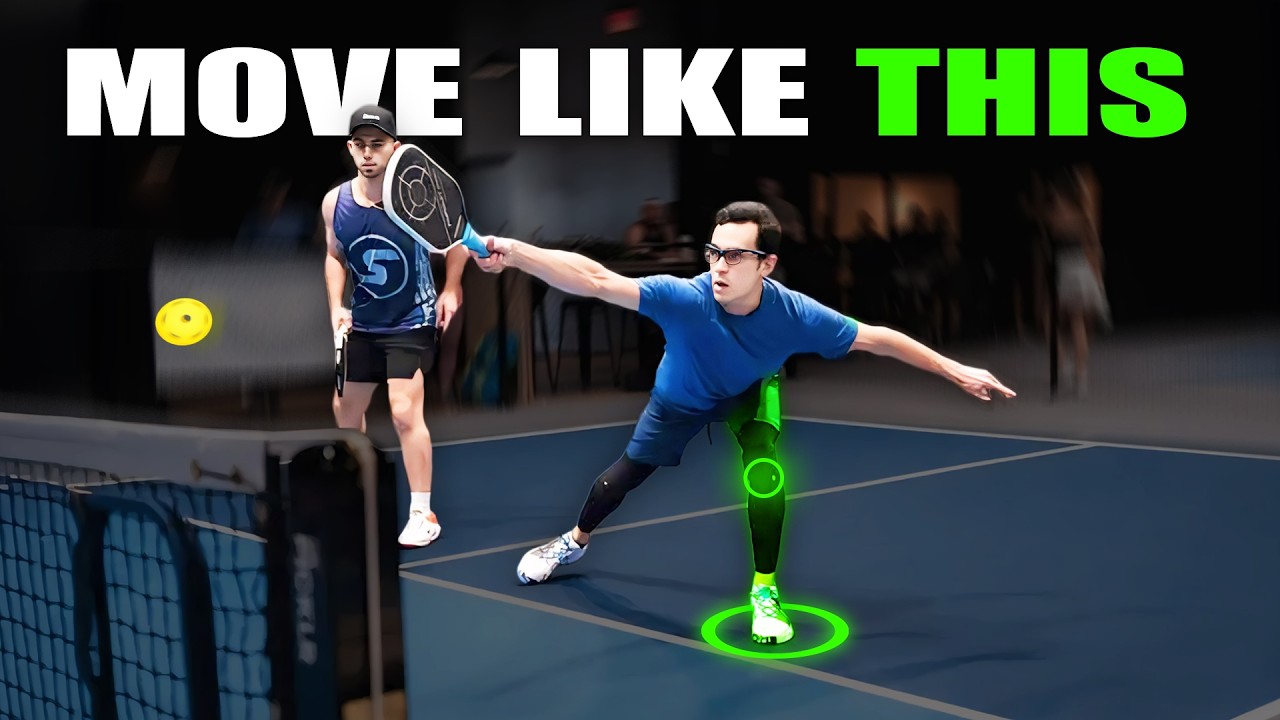
Use an agility ladder or tape squares on the ground. Practice lateral shuffles, quick feet drills, and direction changes that mimic court movement. Spend 10 minutes daily on various patterns to improve court mobility.
3. Shadow Swinging
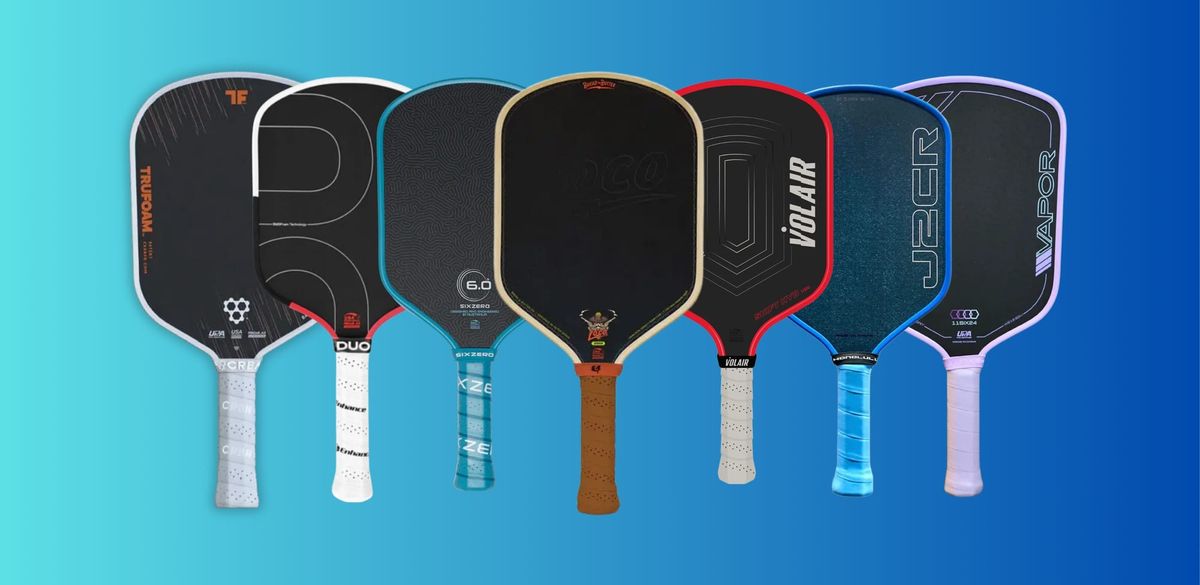
Practice your stroke mechanics without a ball. Focus on proper grip, backswing, and follow-through for forehand, backhand, and serve motions. Film yourself to identify and correct technical flaws.
4. Reaction Ball Training
Drop a reaction ball (or tennis ball) and practice catching it after one bounce. The unpredictable bounce improves reflexes and hand-eye coordination crucial for fast exchanges at the net.
5. Balance and Core Stability
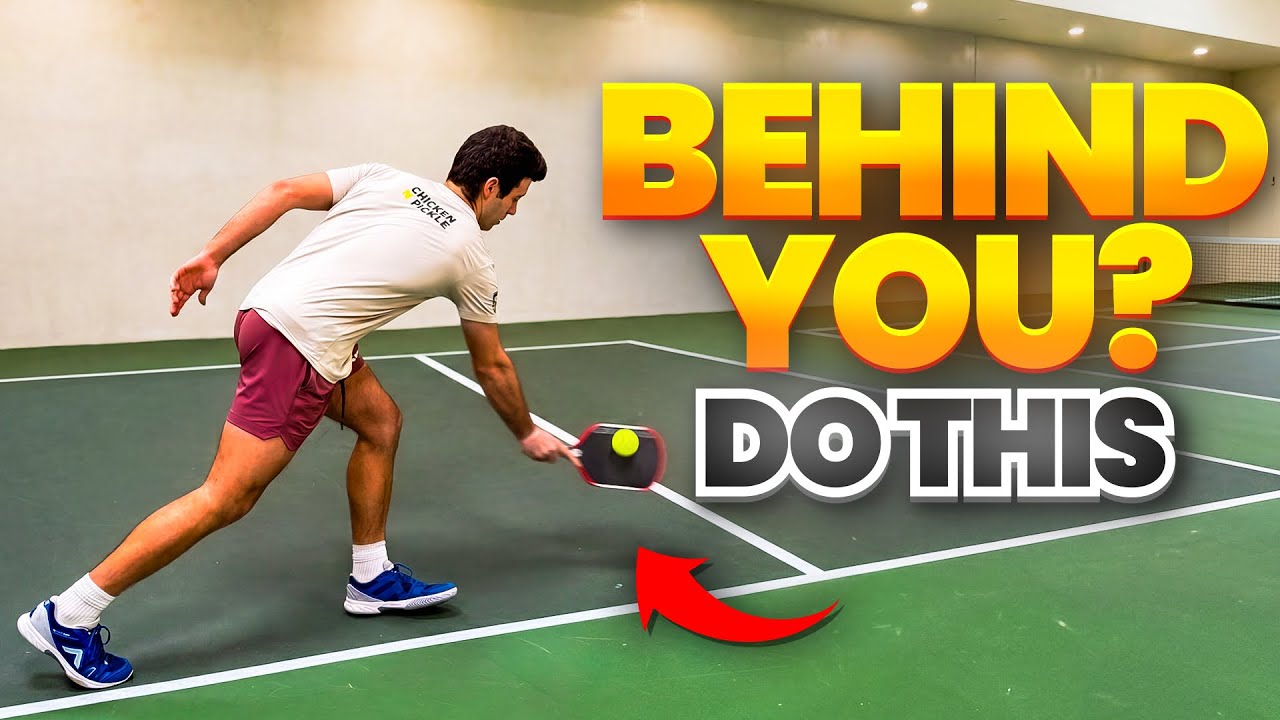
Stand on one foot while practicing paddle movements. Progress to using a balance board or BOSU ball. Strong core stability translates directly to better shot control and court positioning.
6. Target Practice Setup
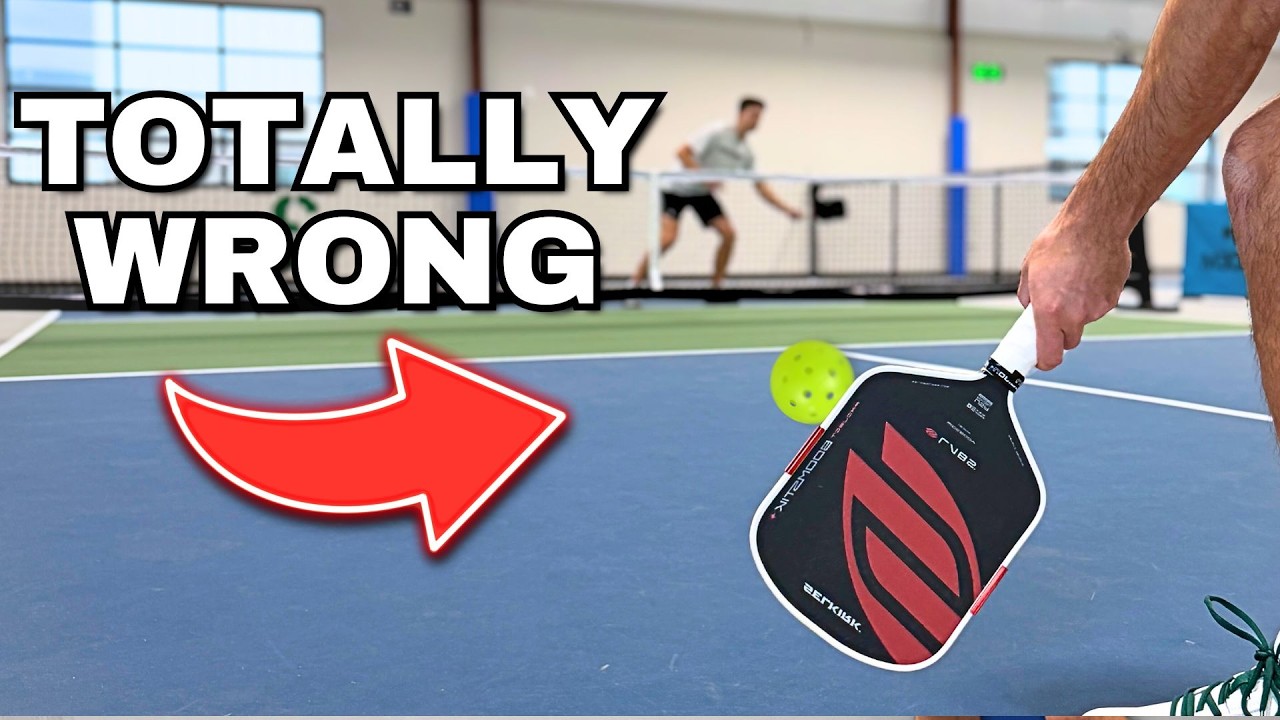
Create targets on your wall using tape or chalk. Practice hitting specific zones from various distances. This drill improves accuracy and develops the precision needed for strategic shot placement.
7. Split-Step Timing
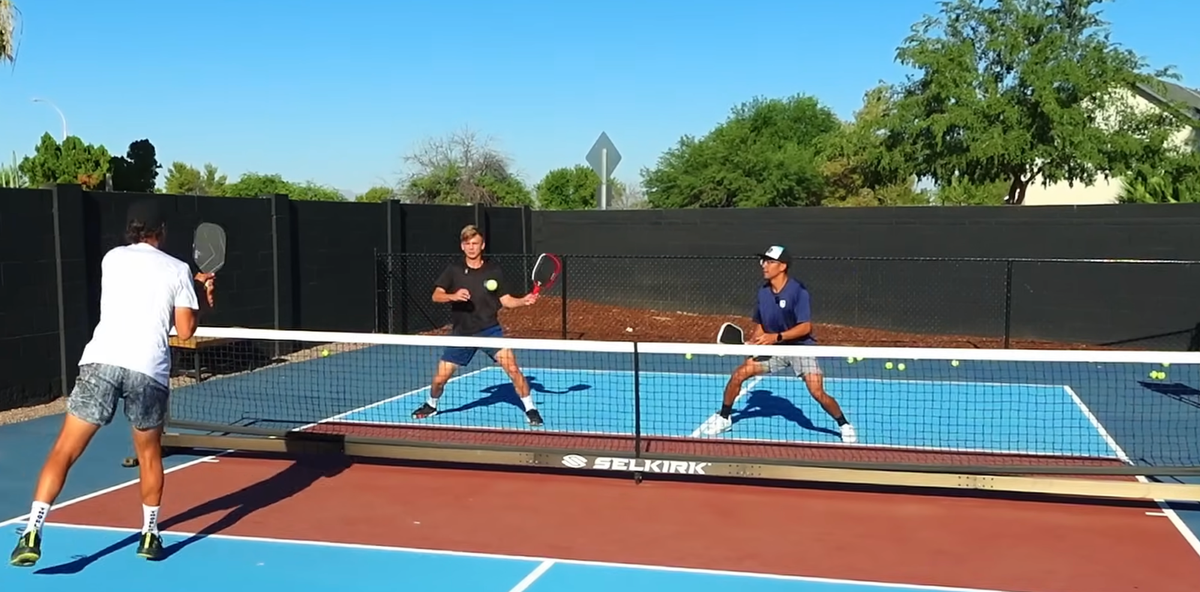
Practice the fundamental split-step movement used in anticipation of opponent shots. Focus on timing, balance, and quick recovery to ready position. This foundational skill improves reaction time significantly.
8. Grip and Paddle Control
Practice switching between forehand and backhand grips quickly while maintaining paddle control. Include wrist flexibility exercises and paddle manipulation drills to improve touch and finesse.
Creating Your Home Training Schedule
Consistency beats intensity when building skills. Dedicate 15-20 minutes daily to 3-4 different drills rather than marathon sessions once weekly. Rotate focus areas:
- Monday/Thursday: Footwork and movement
- Tuesday/Friday: Stroke mechanics and wall work
- Wednesday/Saturday: Reaction training and core work
Tracking Progress
Document your training with specific metrics. Count consecutive wall hits, time your footwork drills, and note improvements in balance exercises. Video analysis helps identify areas needing attention.
The key is translating these home improvements to actual game situations. Focus on drills that mirror real match scenarios and gradually increase difficulty as you improve.
Frequently Asked Questions
How long should I practice these drills daily?
Start with 15-20 minutes daily focusing on 3-4 drills. Quality repetition is more valuable than extended sessions. Consistency over several weeks produces better results than sporadic intensive training.
Can I really improve without court time?
Absolutely. These drills build the fundamental skills that enhance your court performance. While game experience remains important, home training develops the physical and technical foundation that makes you more effective during actual play.
What equipment do I need for home training?
Minimal equipment is required: your paddle, a few balls, tape for targets, and optional items like an agility ladder or reaction ball. Most drills can be performed with household items and creativity.