Getting Started: Why Pickleball is Perfect for Beginners
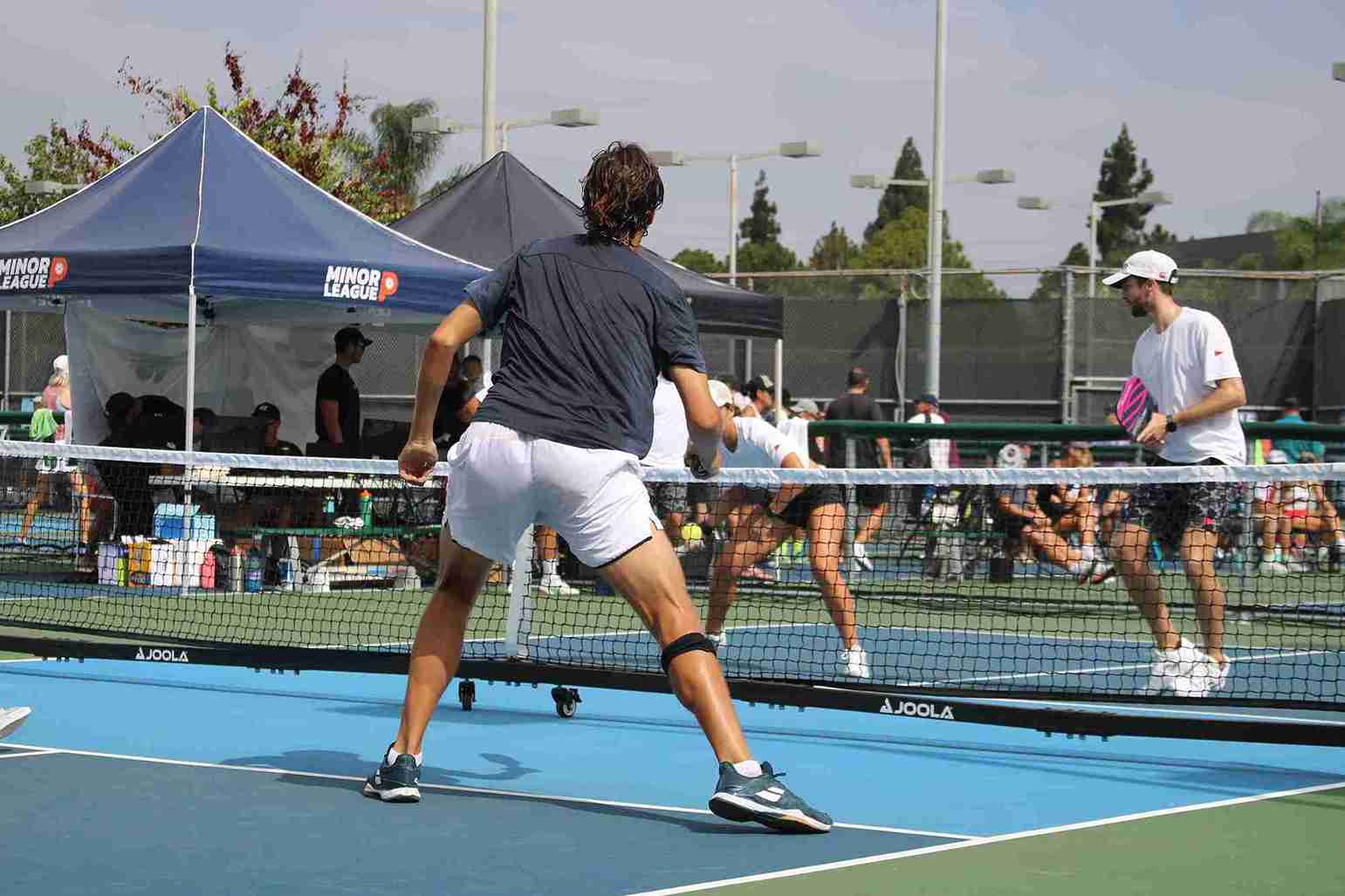
Want to know the truth about learning pickleball? You can be playing competitive points within your first hour on the court. Unlike tennis or other racquet sports that require weeks of practice before you can rally consistently, pickleball's design makes it immediately accessible to players of all skill levels and ages.
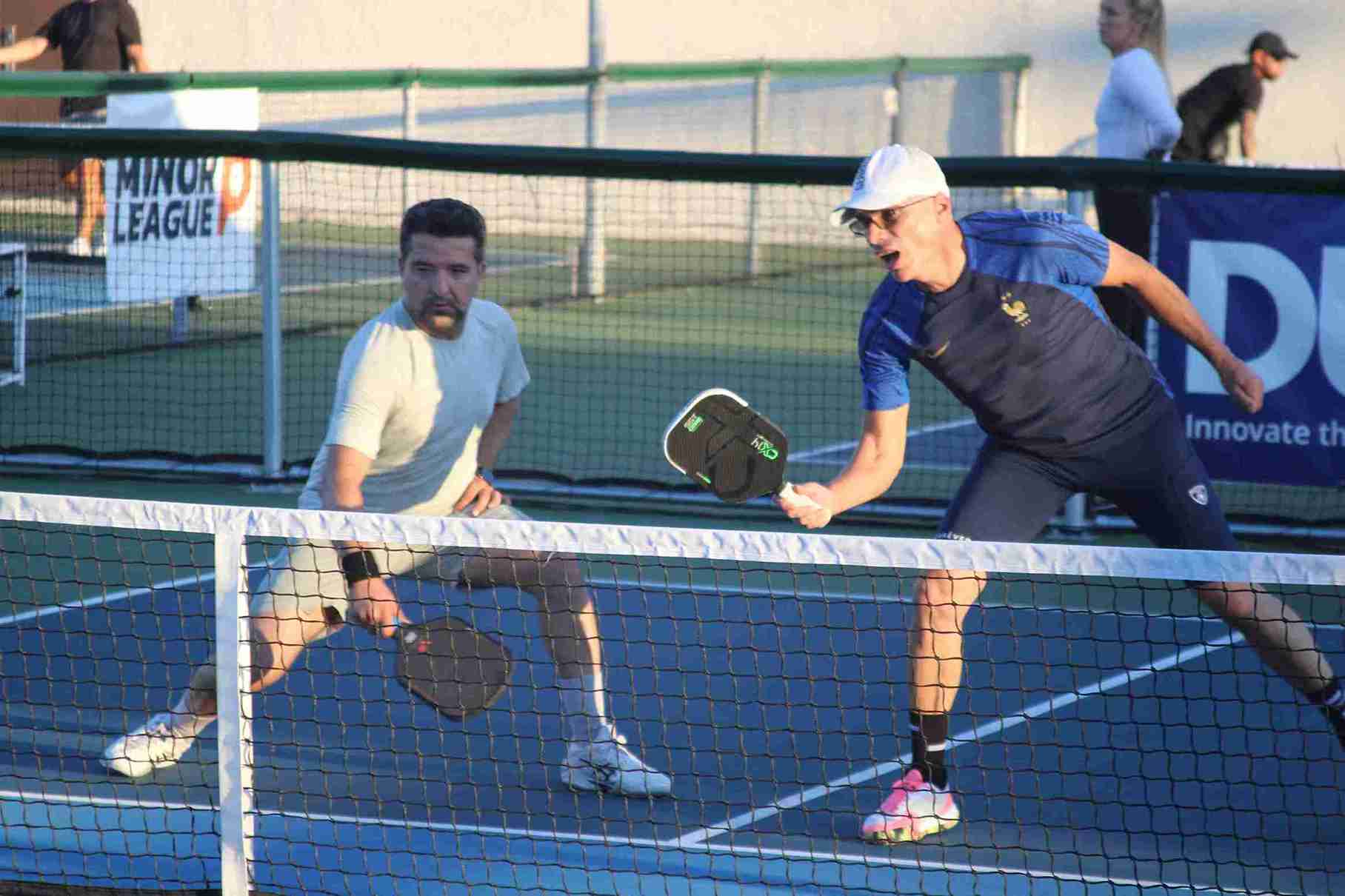
The sport combines elements of tennis, badminton, and ping pong on a smaller court with a lower net, creating an environment where beginners can quickly grasp the fundamentals. With over 24 million Americans now playing regularly, there's never been a better time to join the fastest-growing sport in the country.
Essential Gear for Your First Game
Before stepping onto the court, you'll need the right equipment to get started. The good news? Pickleball gear is relatively affordable and minimal compared to other sports.
Paddle Selection
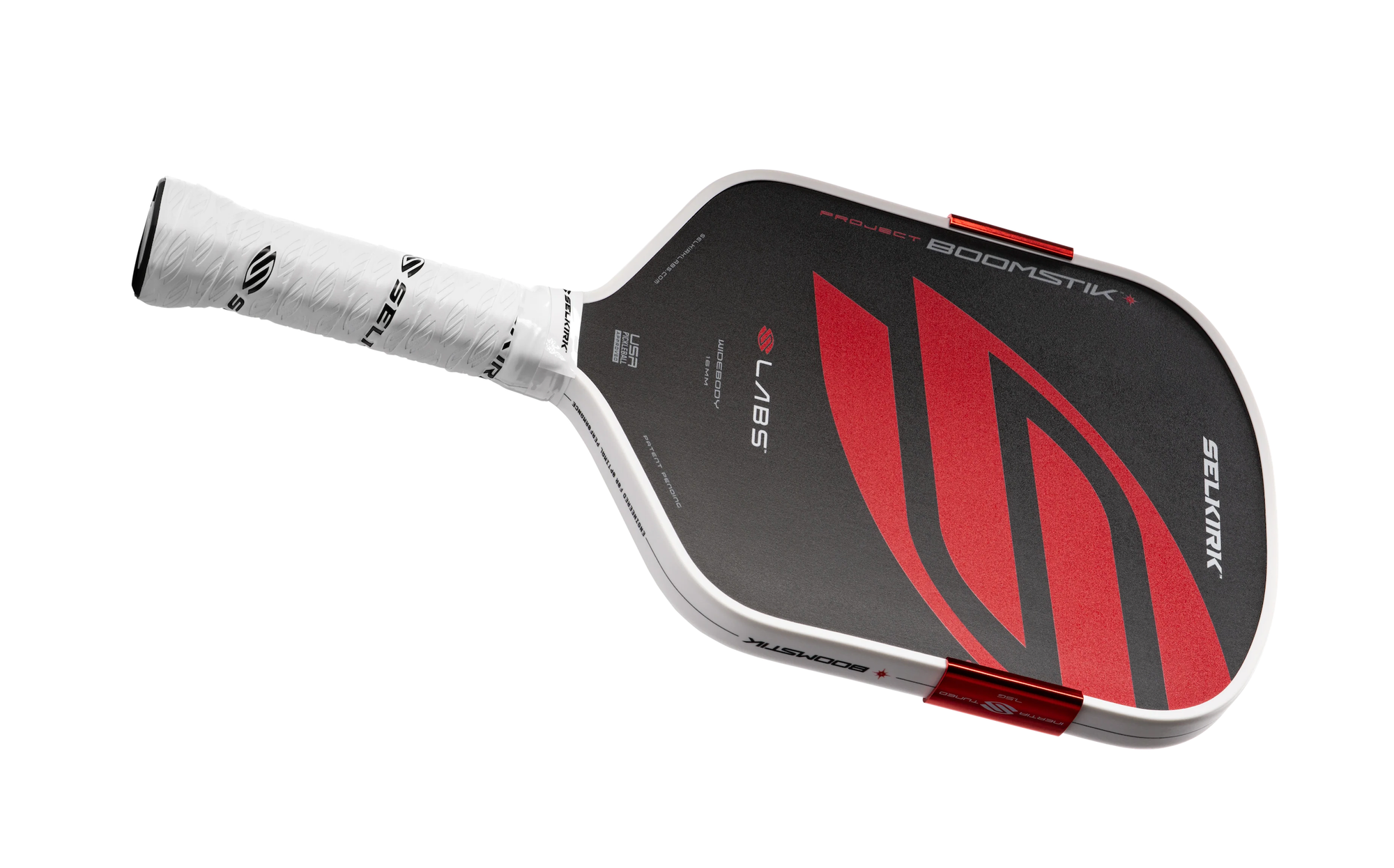
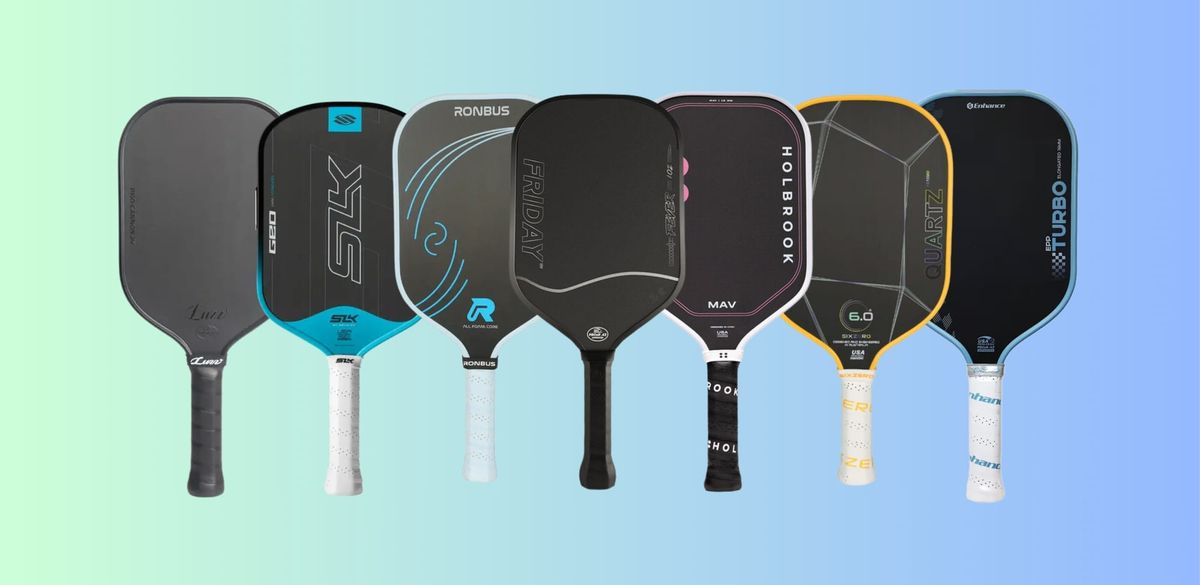
Your paddle is your most important investment. Beginner-friendly paddles typically weigh between 7.5-8.5 ounces and feature a larger sweet spot for more forgiving shots. Look for composite or graphite faces that provide good control without sacrificing power. Avoid overly lightweight paddles that can lead to poor shot technique.
Balls and Court Shoes
Pickleball uses plastic balls with holes, similar to wiffle balls but more durable. Indoor and outdoor balls differ slightly, so check what type your local courts use. For footwear, choose court shoes with good lateral support rather than running shoes, which can cause slipping during quick directional changes.
Understanding the Court and Basic Rules
The pickleball court measures 20x44 feet, roughly one-third the size of a tennis court. The net stands 36 inches high at the ends and 34 inches in the center. Most importantly, there's a 7-foot non-volley zone (called "the kitchen") on each side of the net where you cannot hit the ball in the air.
The Double-Bounce Rule
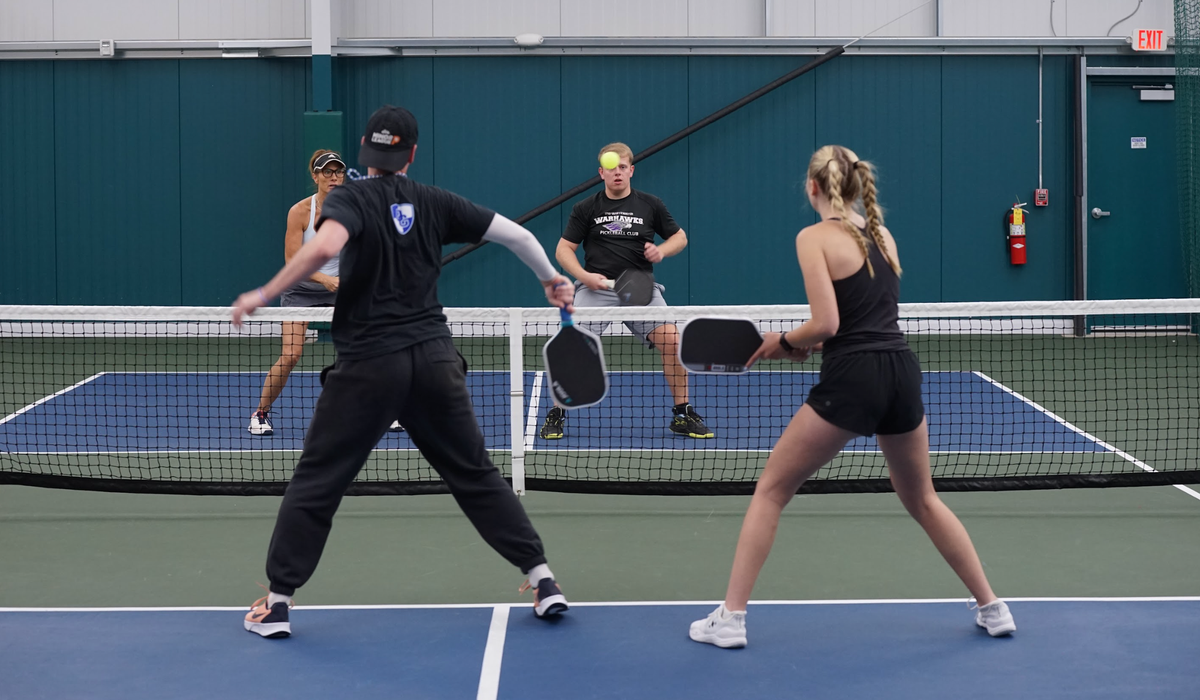
This fundamental rule states that the ball must bounce once on each side before players can volley (hit the ball in the air). The serving team must let the return bounce, and the receiving team must let the serve bounce. This rule keeps rallies going longer and prevents aggressive net play from dominating immediately.
Serving Fundamentals
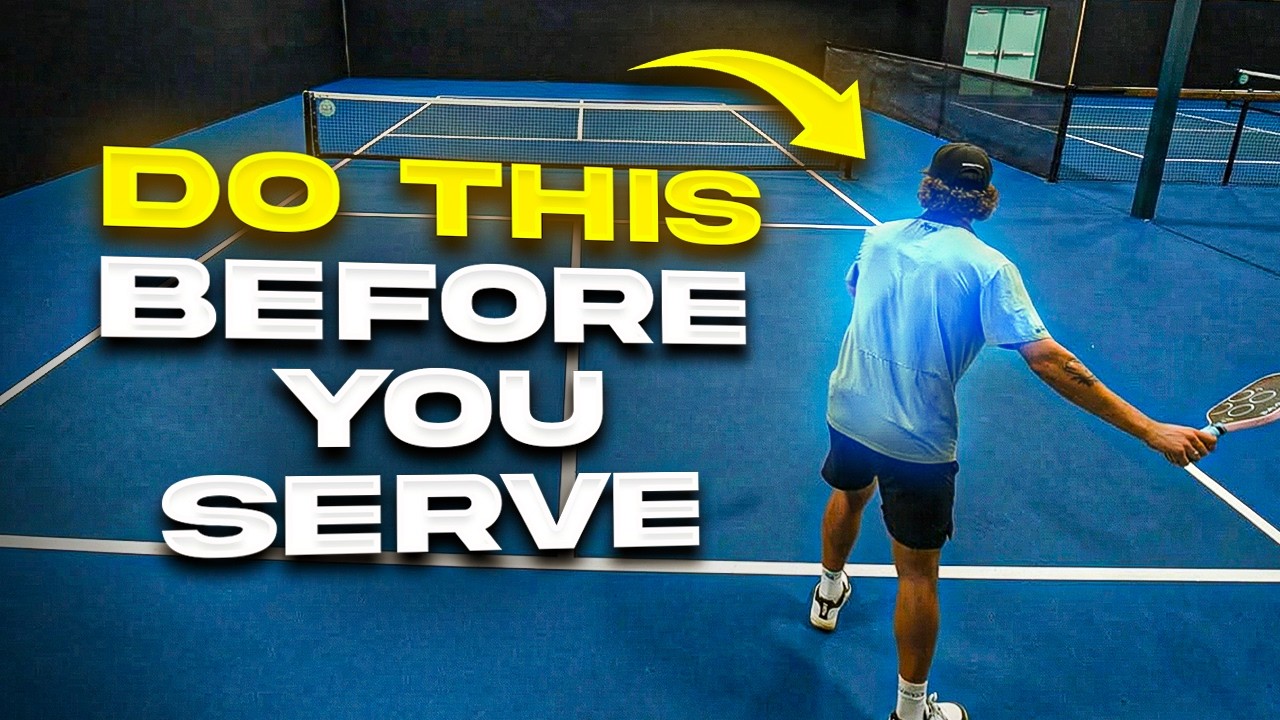
All serves must be hit underhand below your waist level, and your paddle must be moving upward when making contact. Serves are made diagonally cross-court, and you only get one serve attempt (except at the start of each game when the first team gets only one serve instead of two).
Scoring System Made Simple
Pickleball uses a unique scoring system that confuses many beginners initially. Games are typically played to 11 points, and you must win by 2. Only the serving team can score points, which is why rallies can continue for extended periods without the score changing.
Scores are called in three numbers: your team's score, opponent's score, and server number (1 or 2, since each team gets two serves per turn). So "5-3-2" means your team has 5, opponents have 3, and you're the second server.
Essential Shots to Master First
The Dink Shot
The dink is pickleball's signature shot – a soft, controlled shot hit into your opponent's kitchen area. This shot forces your opponent to hit upward, giving you opportunities for more aggressive plays. Practice hitting dinks with minimal backswing, focusing on placement rather than power.
Third Shot Drop
After serving and receiving the return, your third shot should typically be a soft drop shot that lands in or near the kitchen. This allows your team to advance to the net and gain court position. The third shot drop is crucial for transitioning from defensive to offensive play.
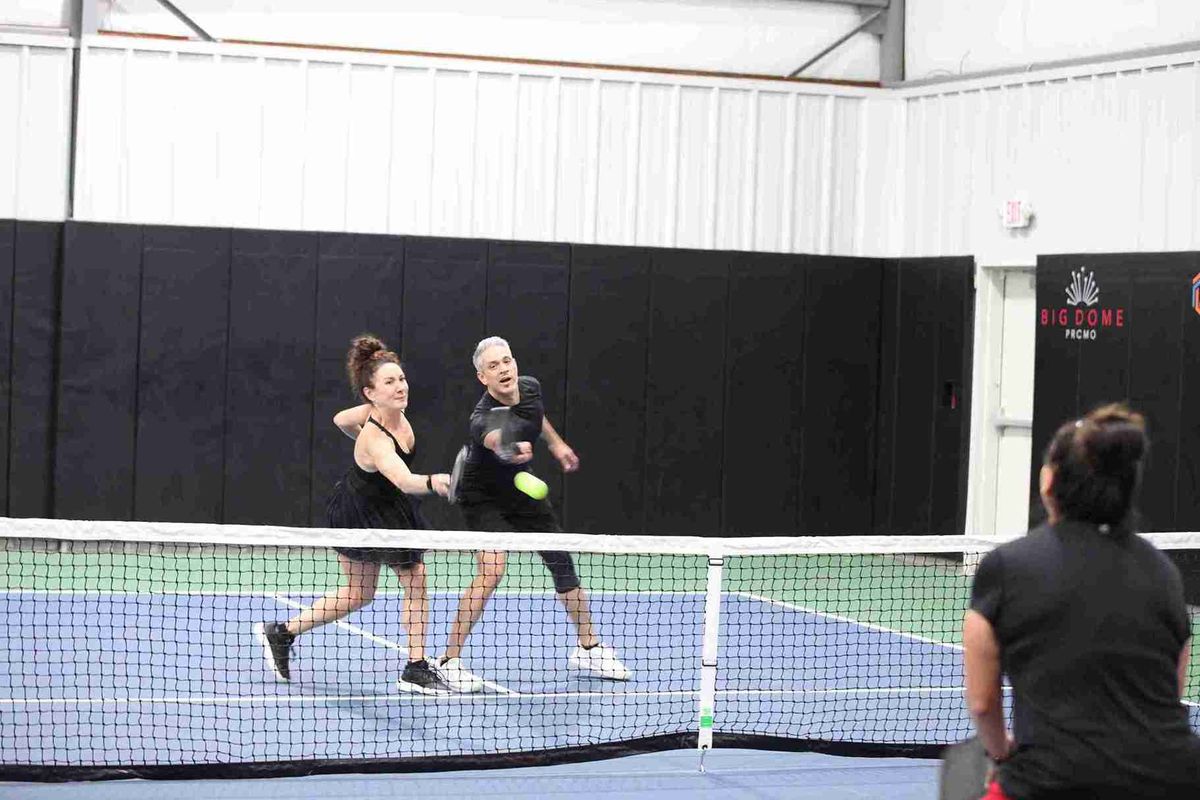
Groundstrokes and Volleys
Develop consistent groundstrokes with moderate pace rather than trying to hit winners from the baseline. When volleying at the net, keep your paddle face slightly open and focus on placement. Remember, you cannot volley while standing in the kitchen.
Practice Drills for Rapid Improvement
Start with simple dinking practice across the net, focusing on control and consistency. Progress to mini-games where you play points starting with a drop serve. Practice your serves by aiming for specific areas of the service box, and work on your ready position and footwork between shots.
Frequently Asked Questions
How long does it take to become competent at pickleball?
Most beginners can play enjoyable games within 2-3 sessions, but developing solid fundamentals takes several months of regular play. The key is consistent practice and playing with more experienced players who can offer guidance.
Do I need to be athletic to play pickleball?
Pickleball is designed to be accessible to all fitness levels and ages. The smaller court size and underhand serving reduce the physical demands compared to tennis, making it perfect for anyone looking for an active, social sport.
What's the best way to find other beginners to play with?
Check local recreation centers, community courts, and pickleball clubs for beginner sessions or lessons. Many facilities offer "newbie nights" specifically designed for players just learning the game.