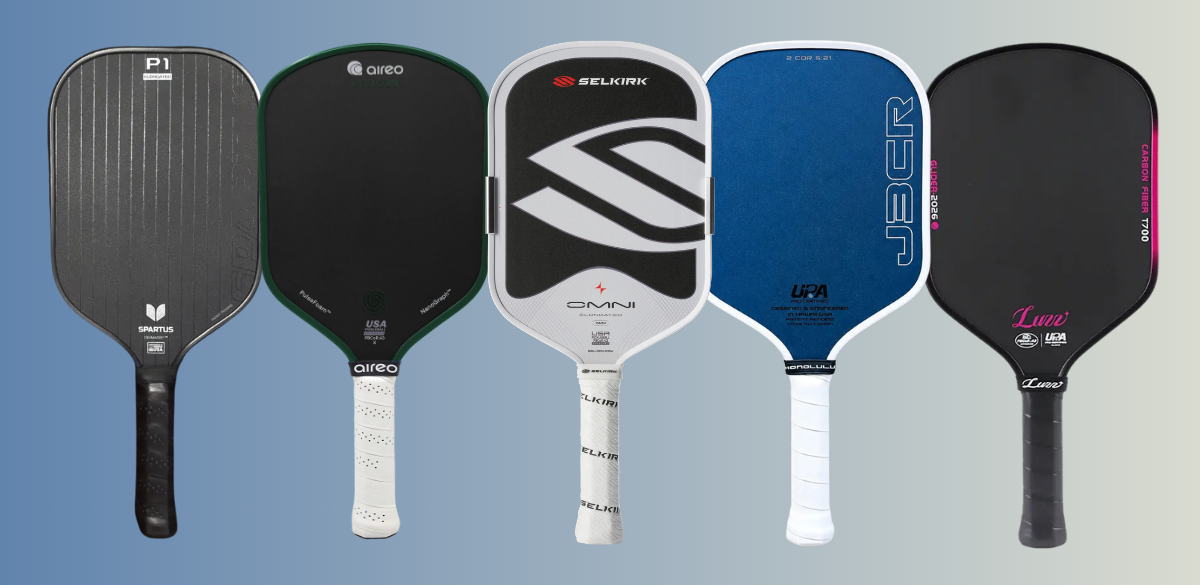
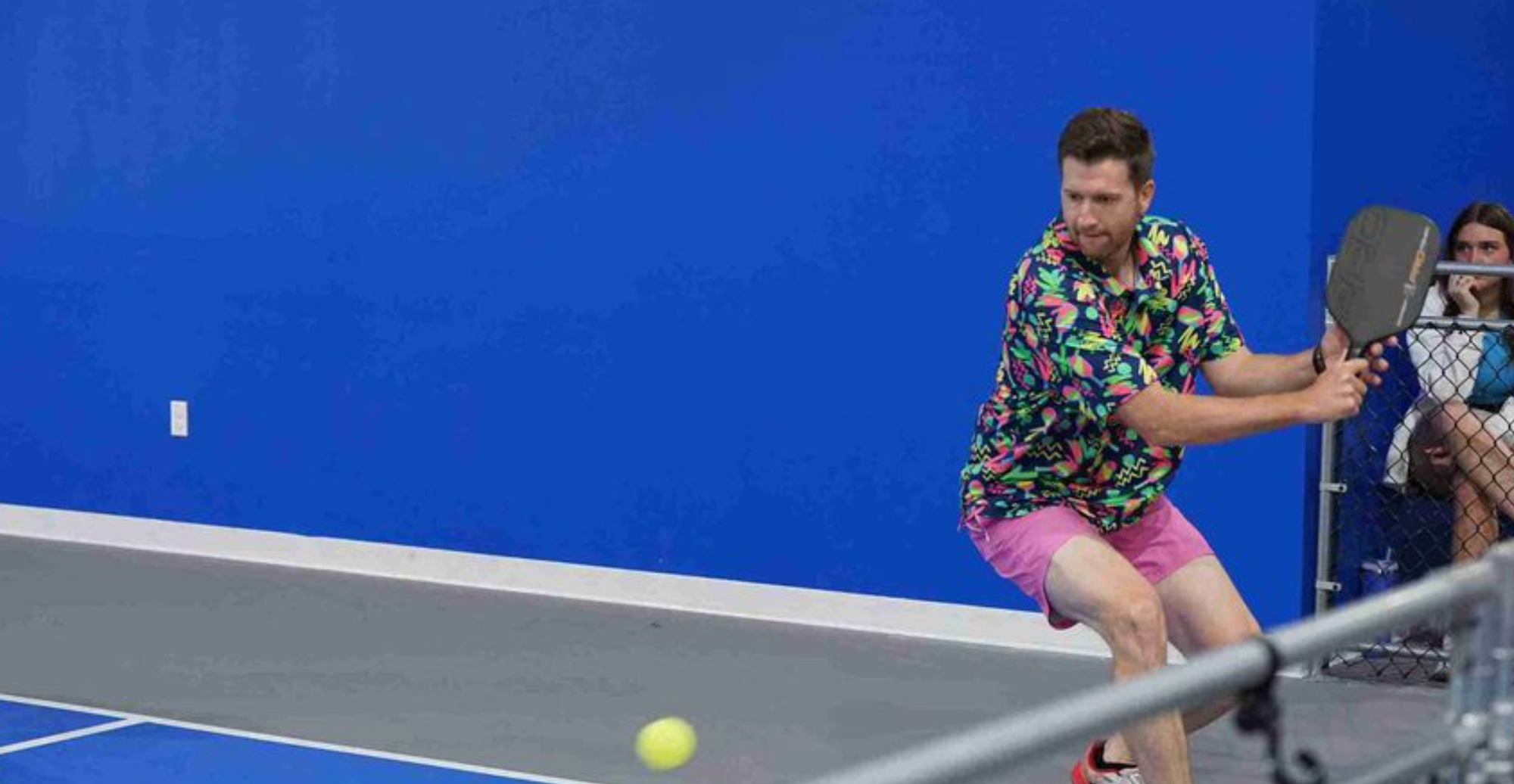
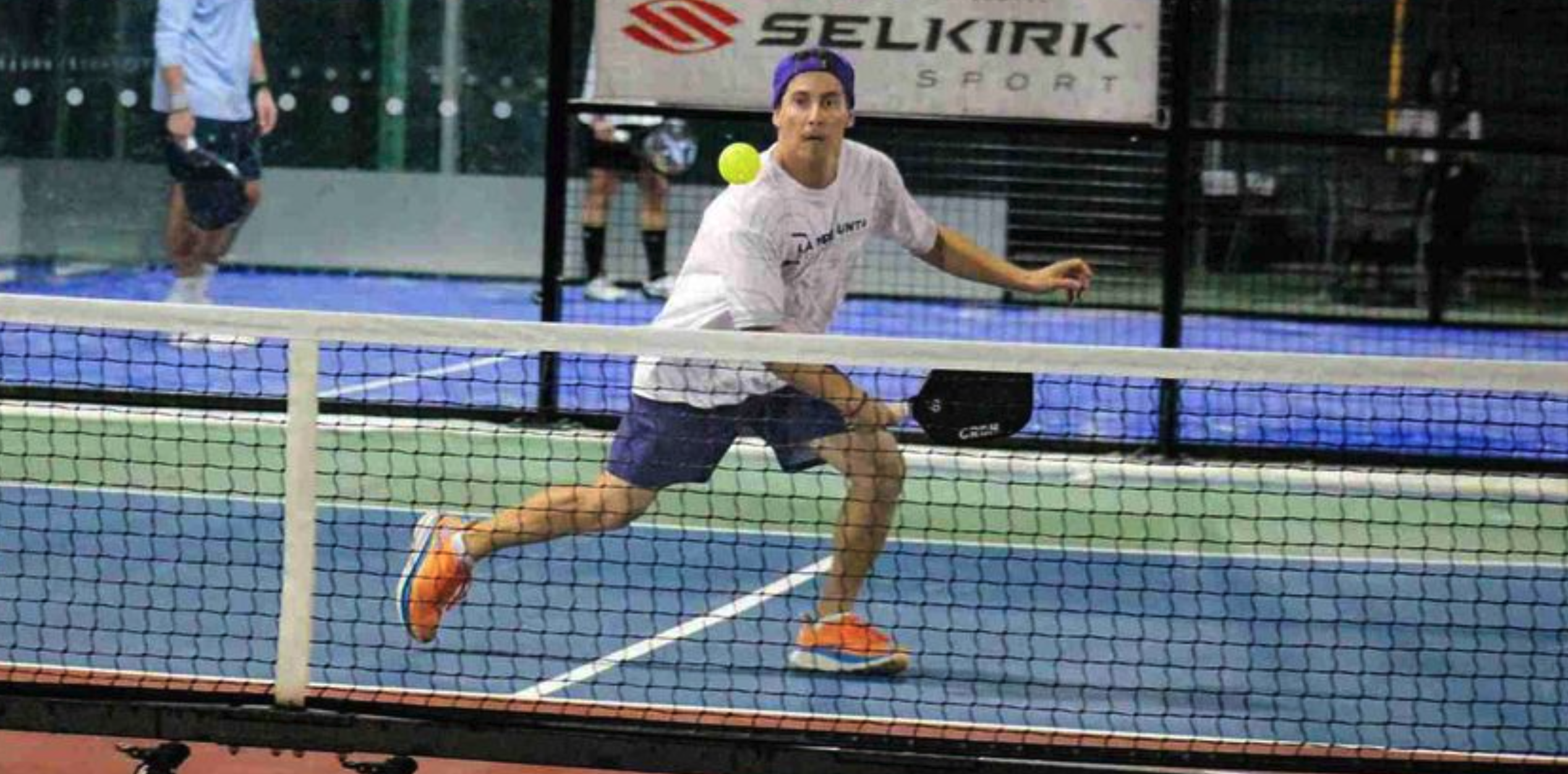
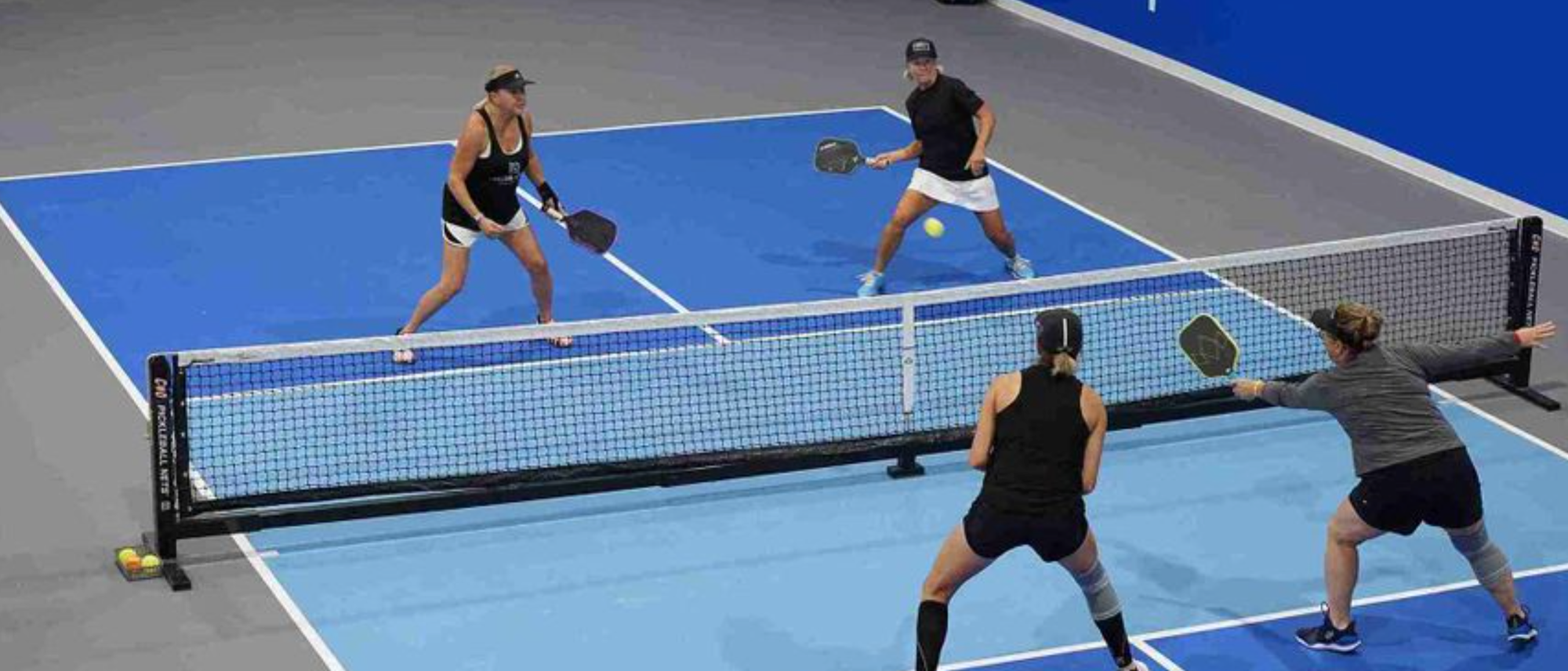
The pickleball paddle landscape has exploded with innovation, making it both exciting and overwhelming to choose your next weapon. With manufacturers pushing boundaries in core technology, surface engineering, and paddle geometry, finding the perfect match for your playing style has never been more critical—or more challenging.
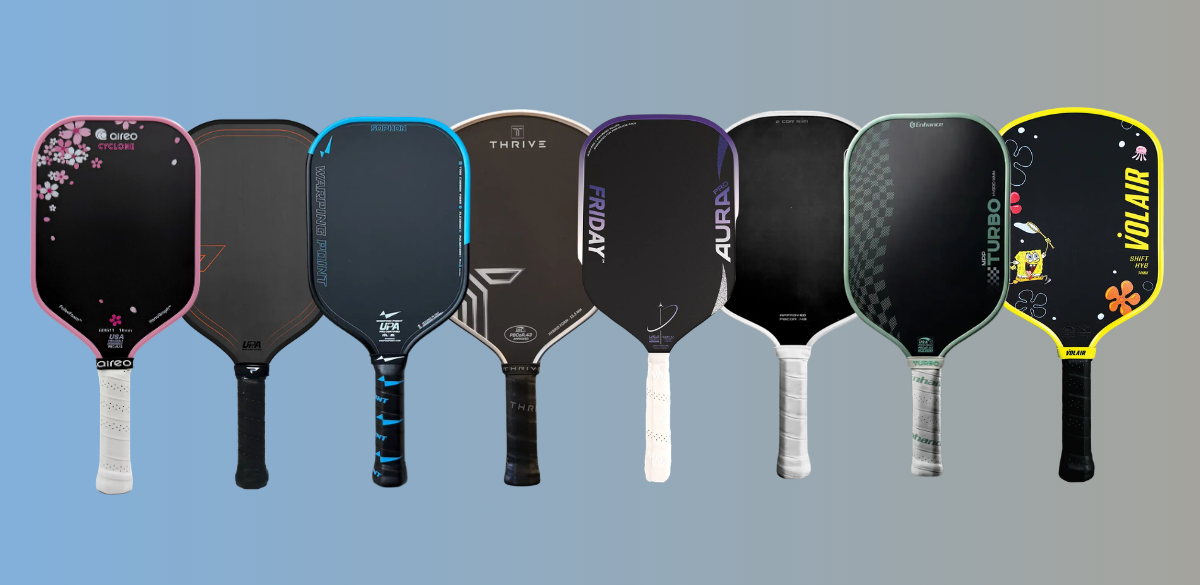
Why Your Current Paddle Might Be Holding You Back
While your trusty paddle might feel comfortable, the rapid advancement in paddle technology means you could be missing out on significant performance gains. Modern paddles offer enhanced power cores, optimized weight distributions, and surface textures that can dramatically improve spin generation and control.
The key is understanding how these technological advances align with your specific playing style and skill level. Whether you're a power player seeking maximum drive velocity or a finesse player focused on touch and placement, there's likely a paddle engineered specifically for your needs.
Revolutionary Core Technologies
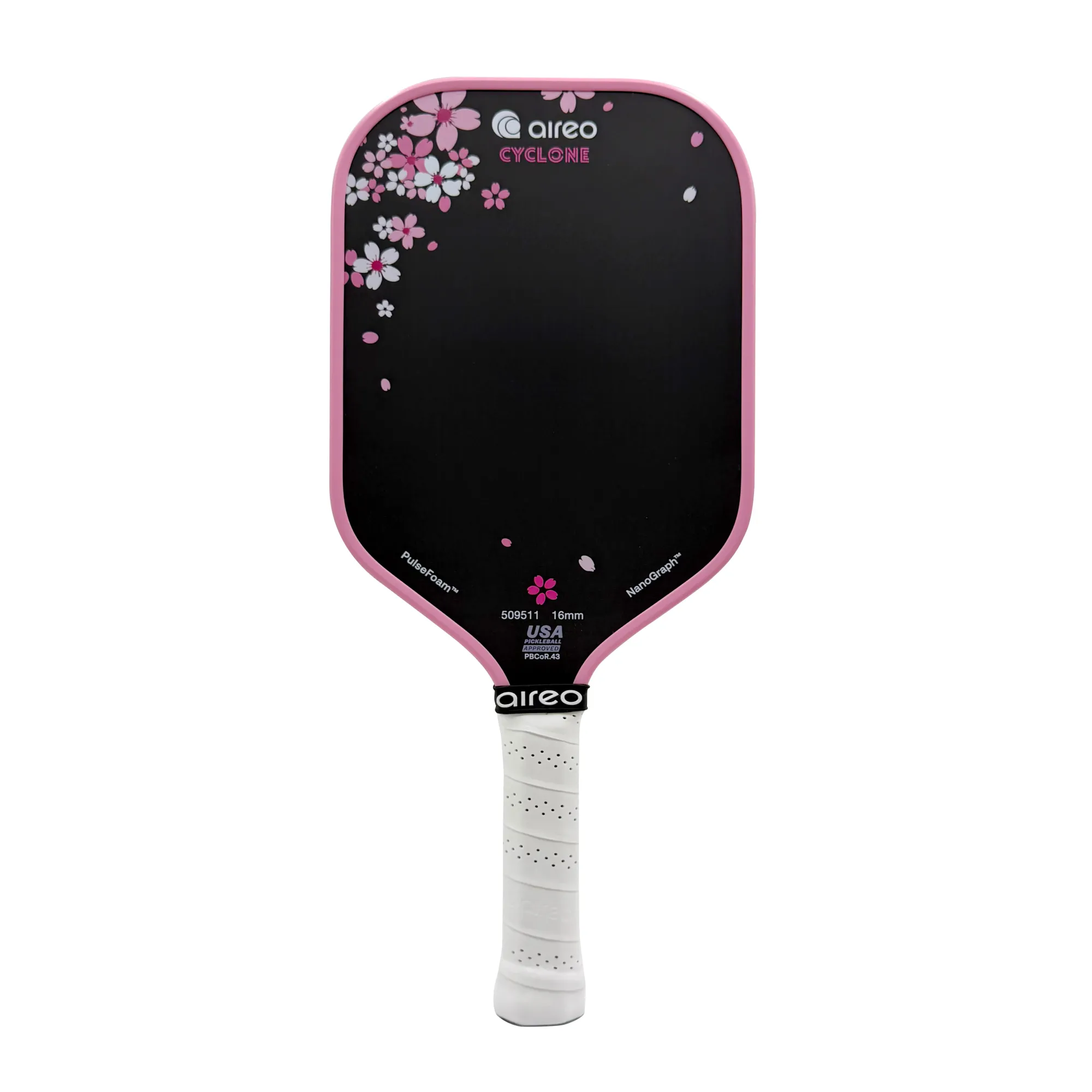
Today's leading paddle manufacturers are experimenting with advanced core materials that go far beyond traditional polymer honeycomb designs. These innovations include foam-injected cores for enhanced feel, carbon fiber reinforcements for added stability, and hybrid constructions that balance power with control.
Surface Innovation Beyond Grit
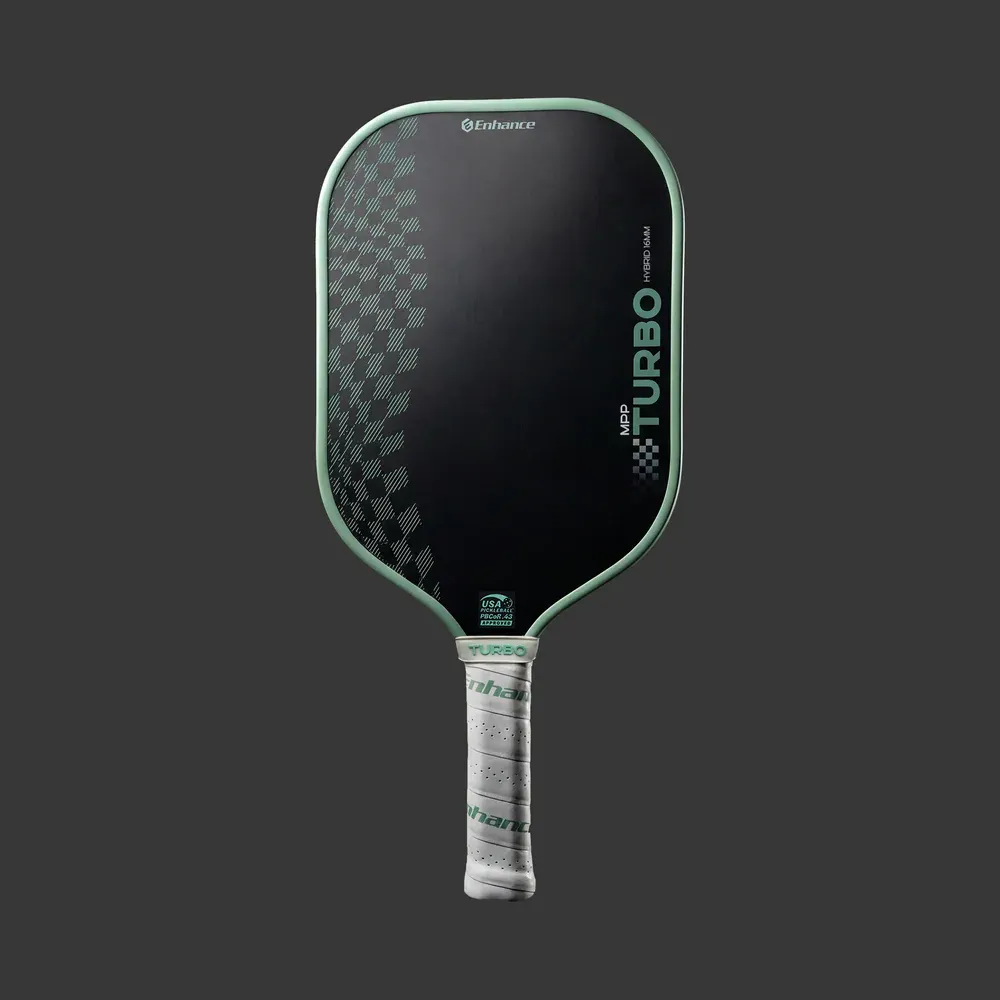
Surface technology has evolved beyond simple grit applications. Modern paddles feature engineered textures, carbon fiber faces, and specialized coatings designed to maximize spin potential while maintaining durability. These surfaces are specifically designed to grab the ball longer, allowing for more aggressive spin shots and better ball placement.
Shape and Weight Distribution Matters
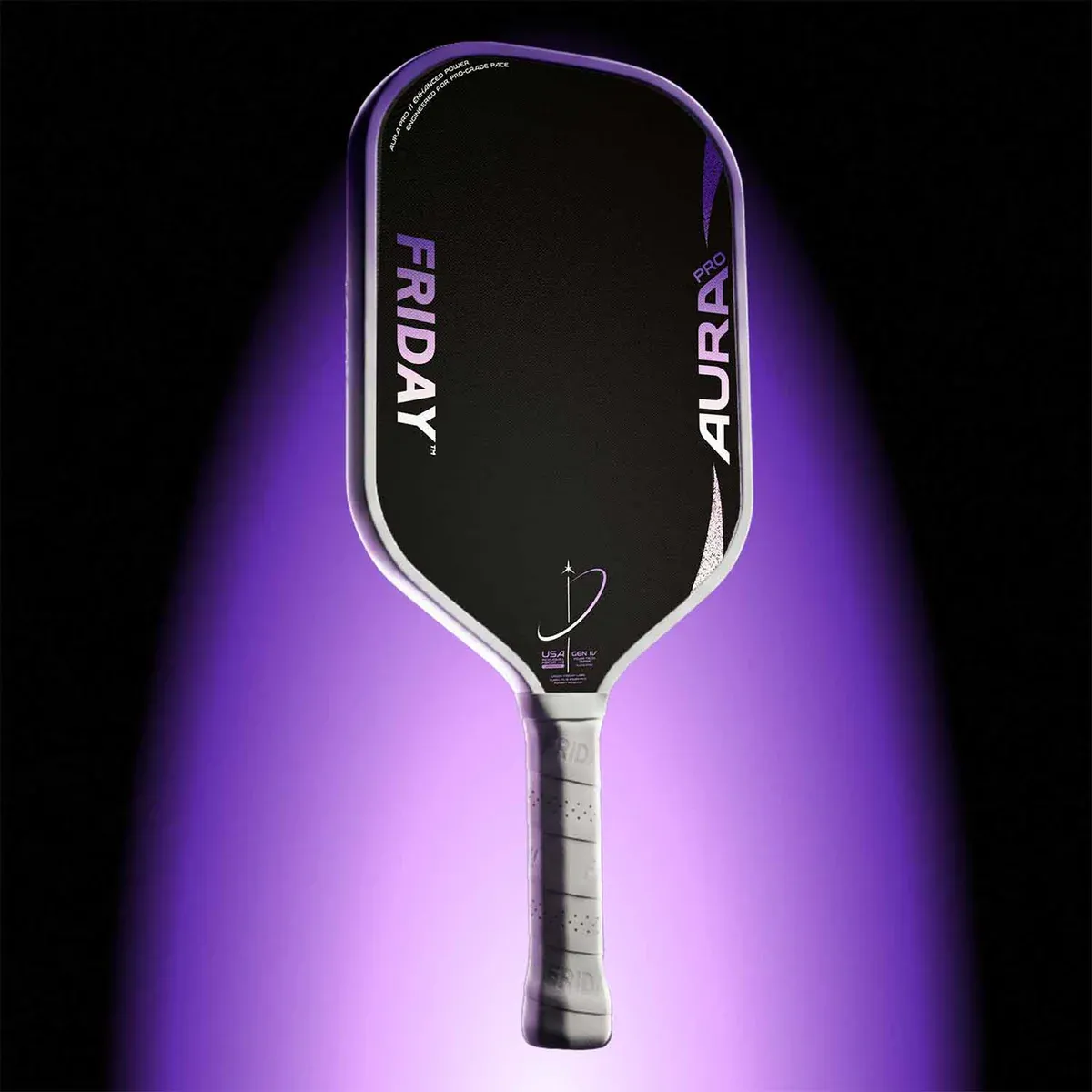
Paddle geometry plays a crucial role in performance characteristics. Elongated paddles offer extended reach and power, while traditional shapes provide better maneuverability at the net. Weight distribution—whether head-heavy for power or handle-heavy for quick hands—can dramatically affect your game dynamics.
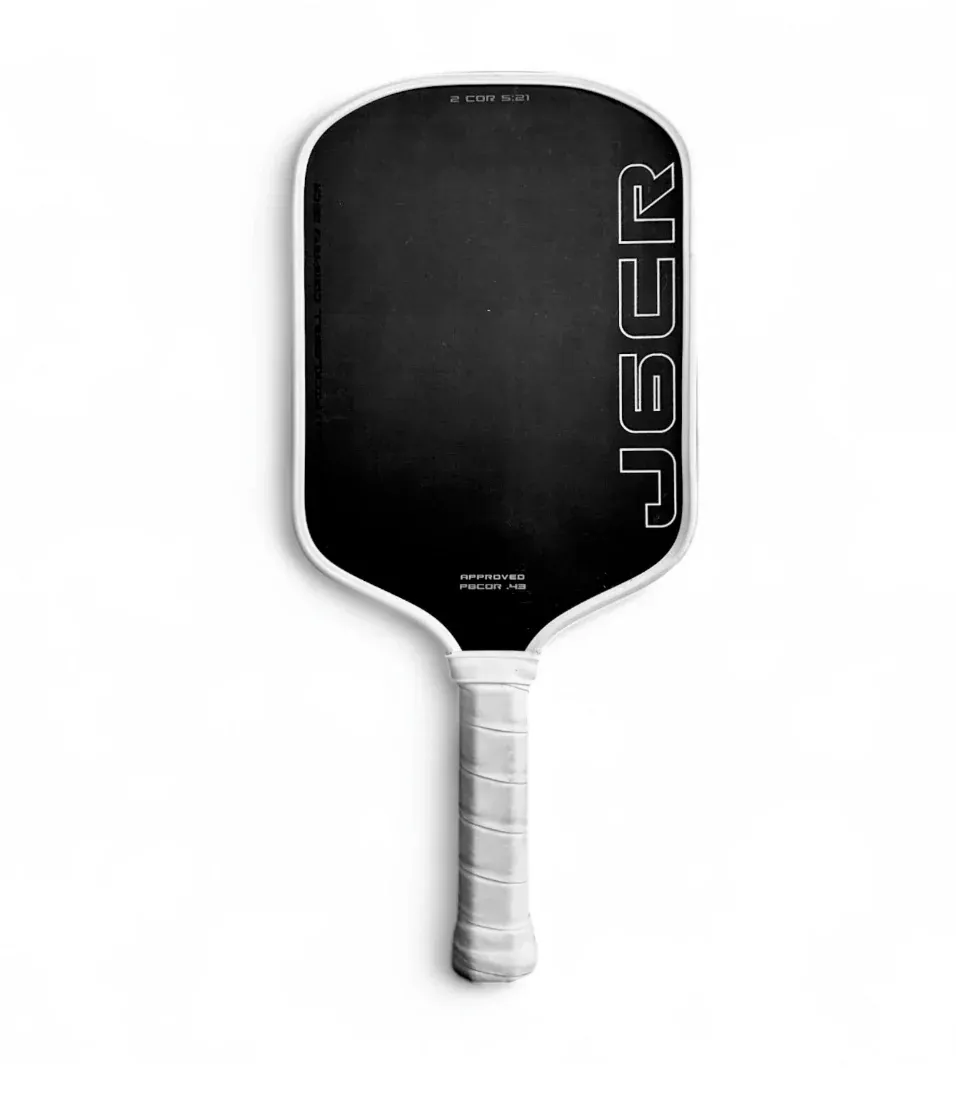
Finding Your Perfect Match
The abundance of options means there's never been a better time to find a paddle that truly complements your game. Consider factors like your primary playing position, preferred shot selection, and physical attributes when evaluating new paddles.
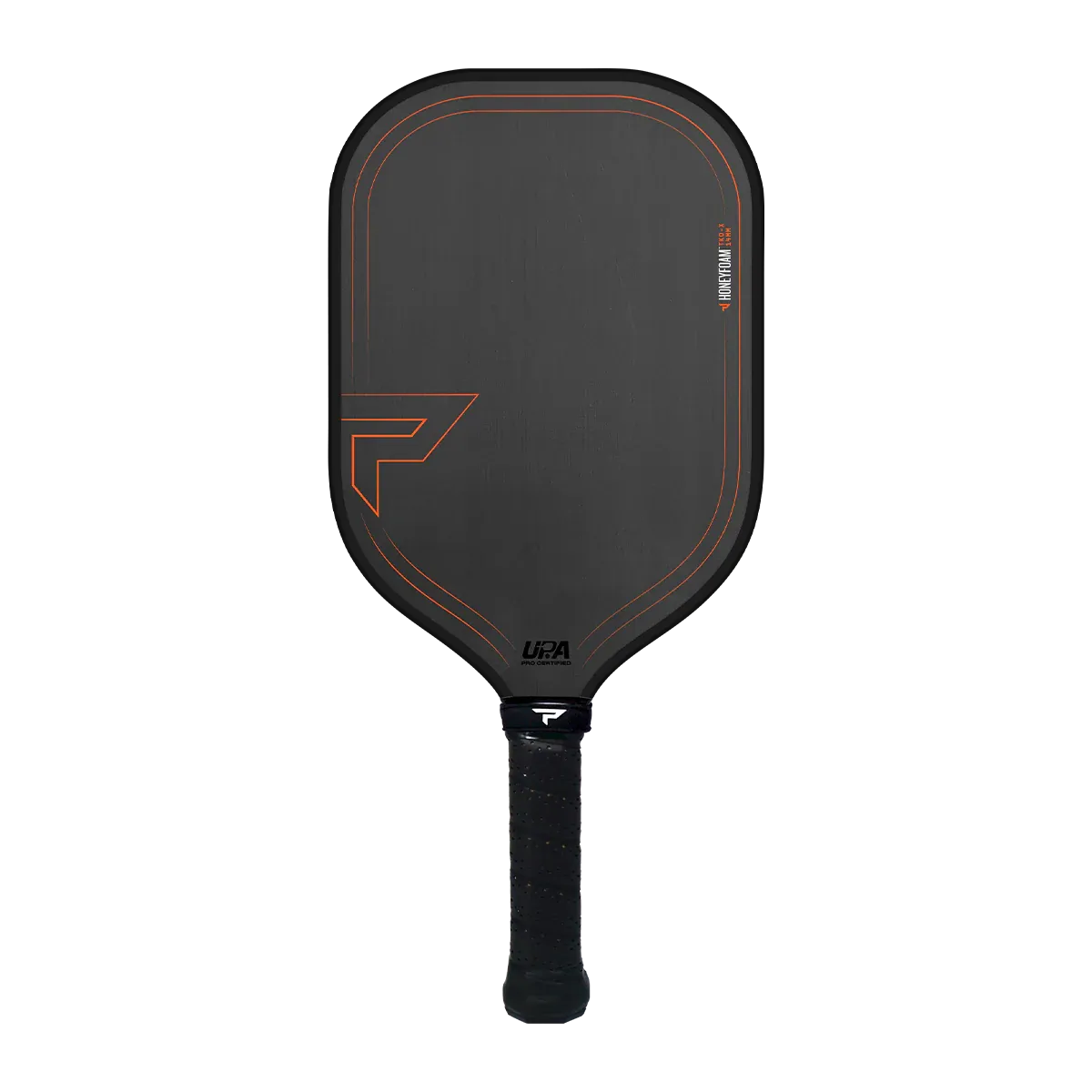
Power players should focus on paddles with responsive cores and head-heavy balance, while control players might prefer softer cores with more even weight distribution. All-court players benefit from versatile designs that don't sacrifice performance in any particular area.
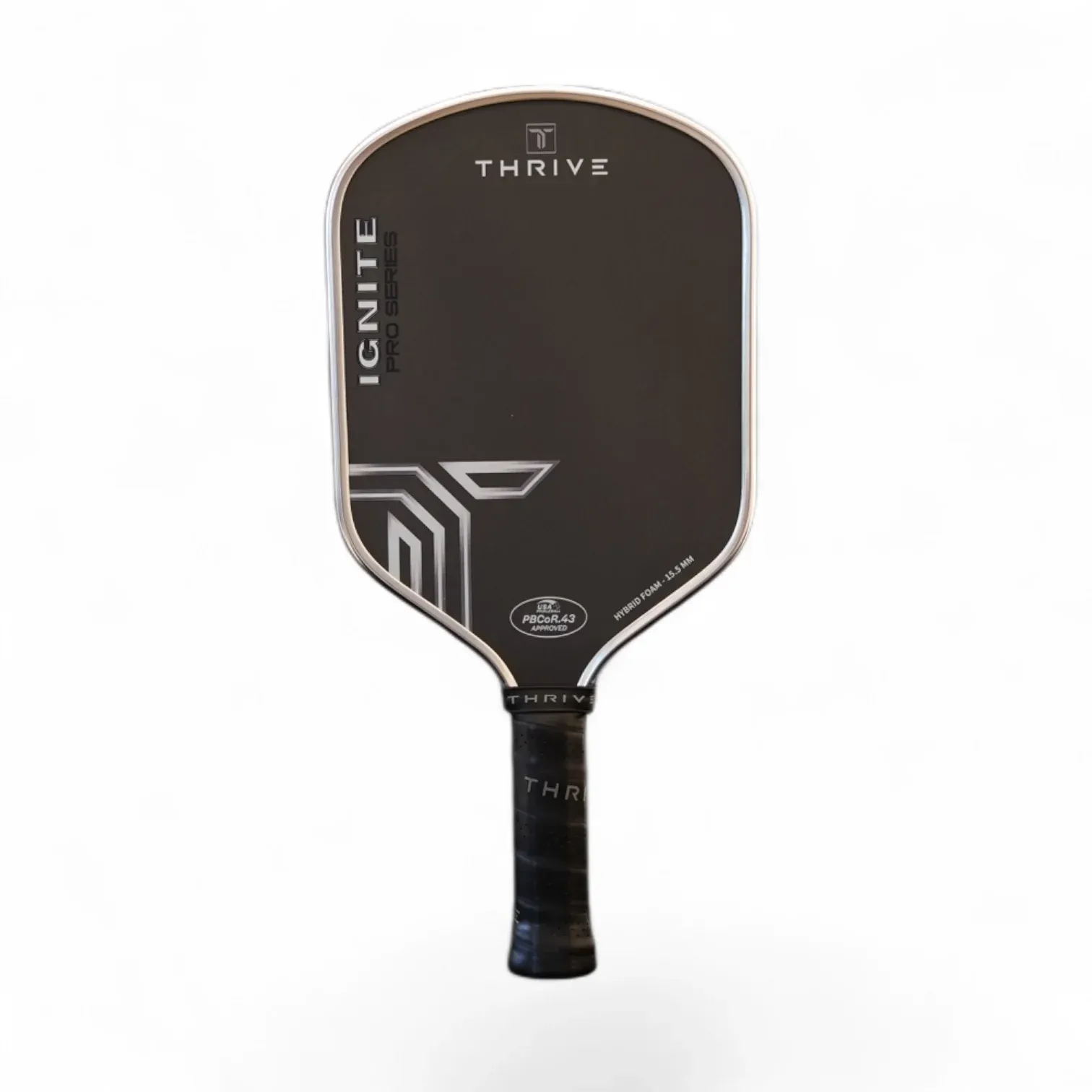
Testing Before Committing
With paddle prices reaching premium levels, it's essential to test potential candidates whenever possible. Many pro shops and paddle companies offer demo programs, allowing you to experience different technologies firsthand before making a significant investment.
Pay attention to how each paddle feels during different shots—drives, drops, volleys, and serves. The right paddle should feel like a natural extension of your arm across all aspects of your game.
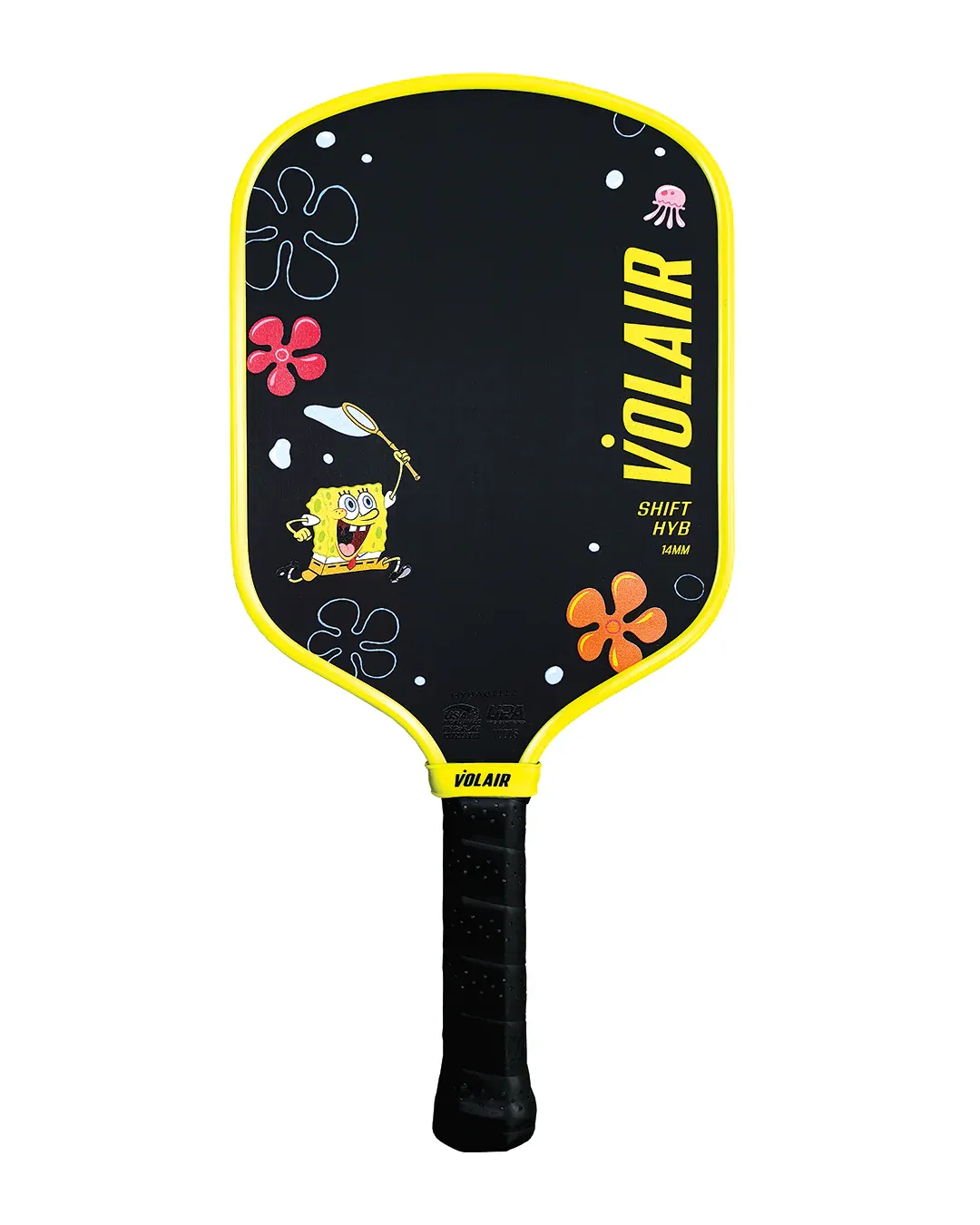
The Investment in Your Game
While premium paddles represent a significant investment, the performance gains can be substantial for players at all levels. The right paddle can improve your consistency, increase your shot-making ability, and potentially reduce arm fatigue during long playing sessions.
Remember that paddle technology continues advancing rapidly, so staying informed about new releases and innovations can help you time your next upgrade strategically.
Frequently Asked Questions
How often should I replace my pickleball paddle?
Most recreational players should consider upgrading every 2-3 years, while competitive players might benefit from annual upgrades as technology advances. Signs it's time for a new paddle include visible wear on the surface, dead spots in the sweet spot, or feeling left behind by newer technology.
What's the most important feature to consider in a new paddle?
The core material and construction should be your primary consideration, as this affects power, control, and feel more than any other factor. Surface texture and paddle weight are secondary but important factors that should align with your playing style and preferences.
Are expensive paddles worth the investment for recreational players?
Higher-end paddles often provide better consistency, durability, and performance characteristics that can benefit players at all levels. However, the most expensive option isn't always the best choice—focus on paddles that match your skill level and playing style rather than simply choosing the most premium option available.