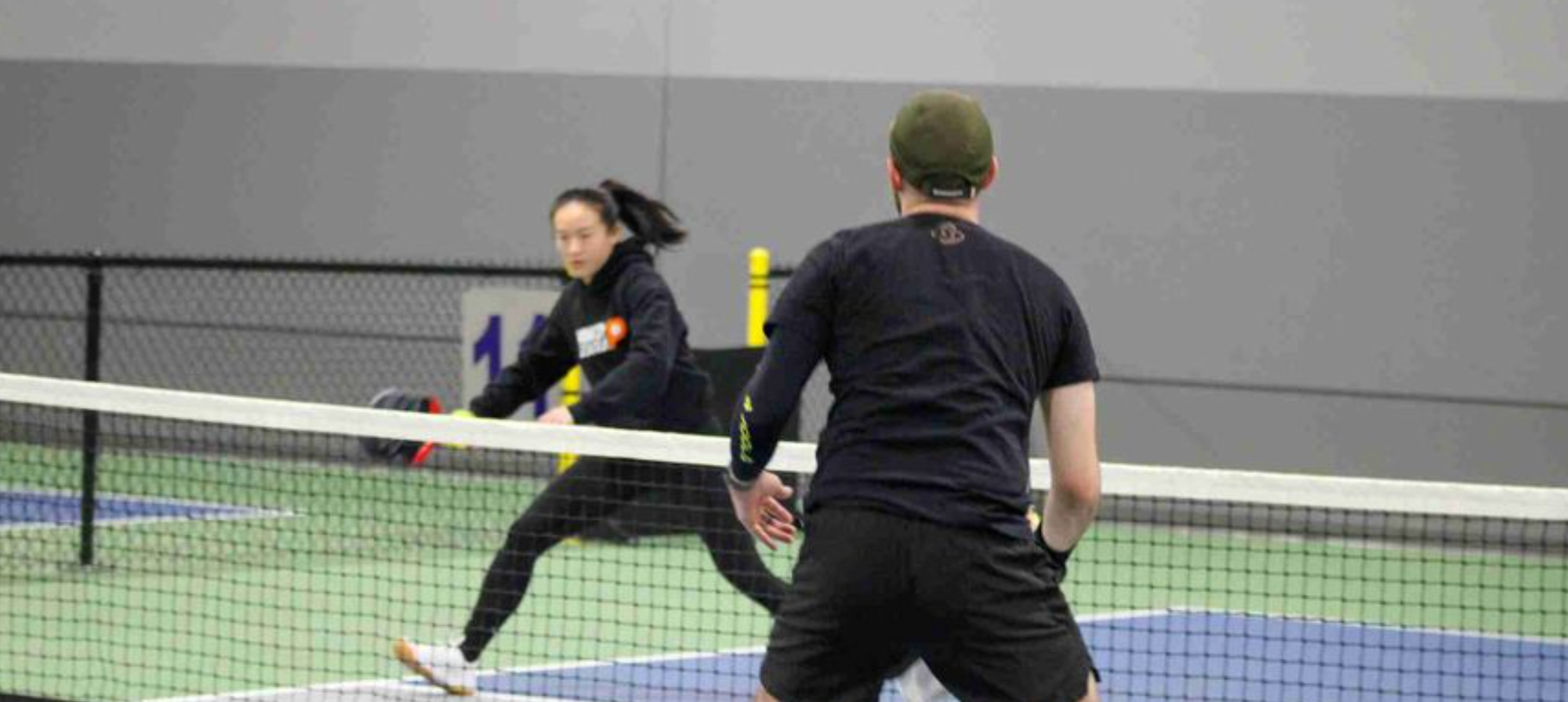
Learning pickleball etiquette is just as crucial as mastering your serve. While the official rulebook covers gameplay mechanics, the unwritten social code of the court determines whether you'll be welcomed back or quietly avoided by other players.
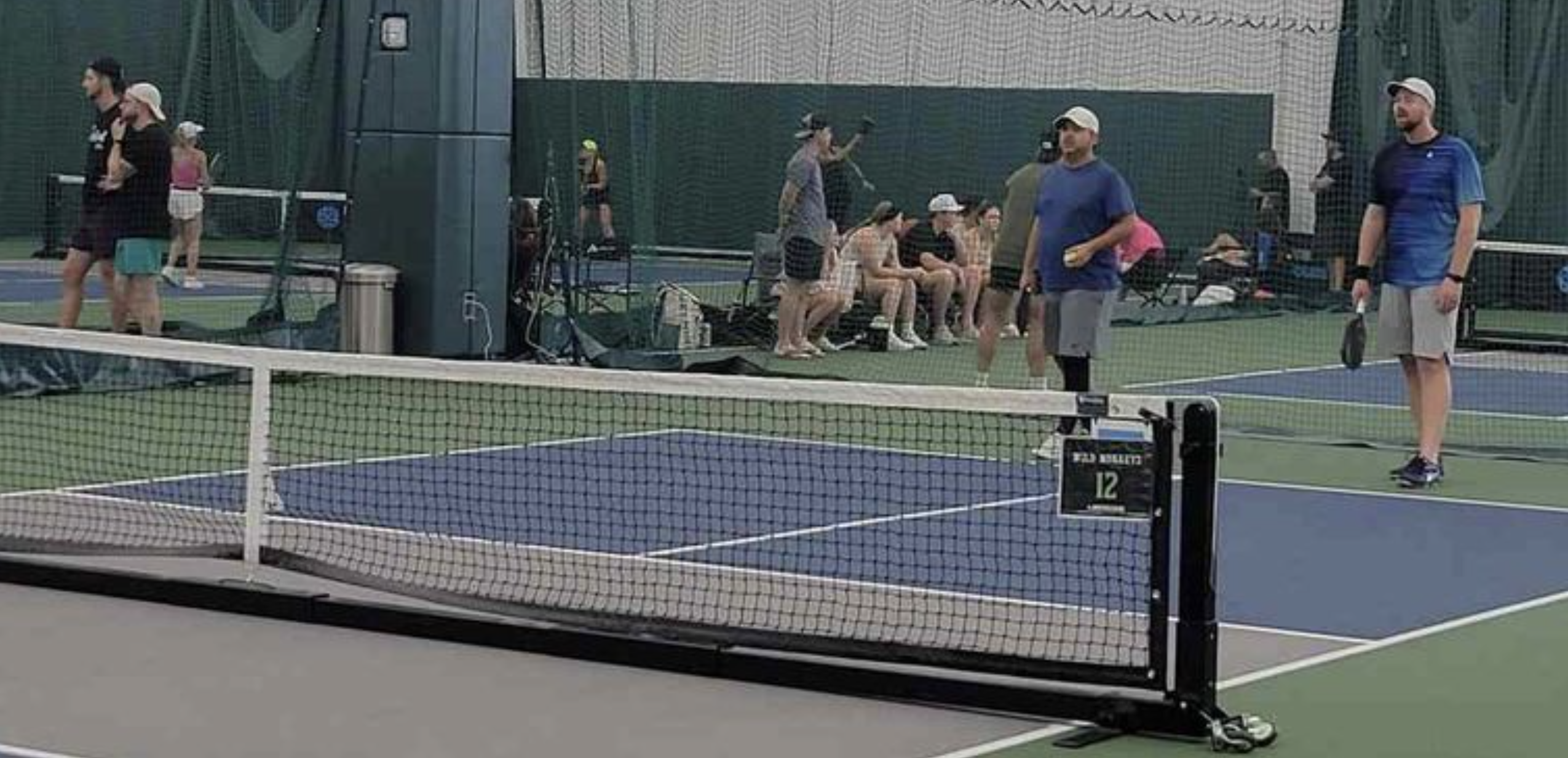
Understanding these etiquette fundamentals will help you integrate seamlessly into any pickleball community and build lasting relationships on the court.
Court Entry and Rotation Etiquette
Before stepping onto any court, observe the current players and wait for an appropriate break in their game. Never walk onto an active court mid-rally or interrupt players during intense points.

Most recreational facilities operate on rotation systems where winners stay and new players rotate in. Learn your facility's specific rotation protocol by asking regulars or checking posted rules. Some courts use paddle stacking systems, while others rely on informal queuing.
Respecting Court Time
When courts are busy, be mindful of time limits. If others are waiting, consider playing shorter games or rotating more frequently. During peak hours, avoid monopolizing courts with extended practice sessions or coaching.
Communication and Partnership Dynamics
Clear, positive communication makes pickleball more enjoyable for everyone. Call balls definitively – "out" or "in" – with confidence and honesty. When in doubt, give your opponents the benefit of the doubt.
Support your partner regardless of their skill level. Avoid coaching during games unless specifically asked, and never criticize mistakes publicly. Remember that recreational pickleball prioritizes fun over competition.
Line Call Integrity
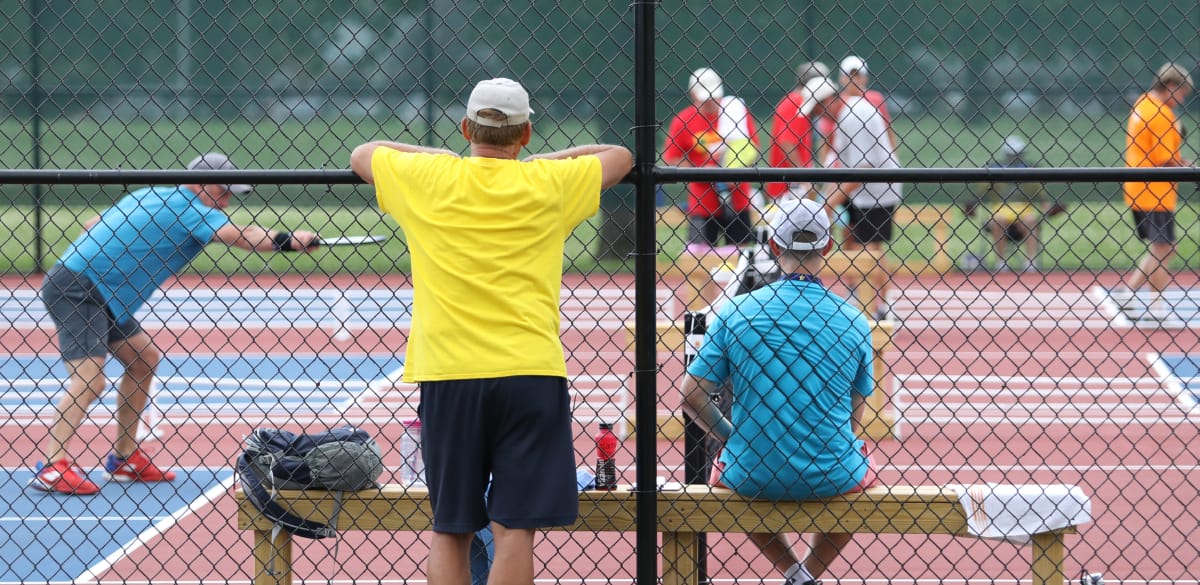
Make line calls on your side of the court only, and make them immediately. If you didn't see a ball clearly, it's considered "in." Arguing over line calls ruins the game's spirit and creates unnecessary tension.
Equipment and Safety Considerations
Bring appropriate gear and maintain it properly. Worn paddle grips or damaged equipment can be dangerous. Always retrieve errant balls quickly and return them gently to neighboring courts.
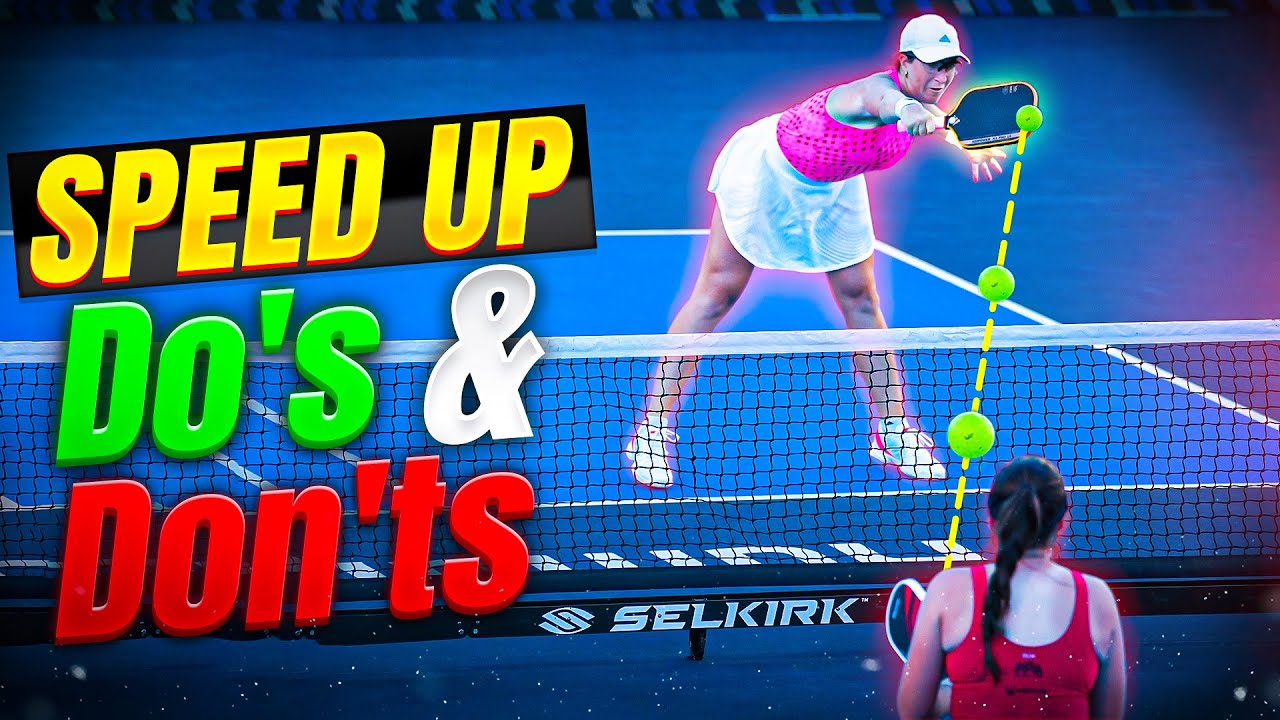
When balls from other courts enter your playing area, stop play immediately and return them safely. Never hit stray balls back aggressively – a gentle toss or roll to the sideline shows proper court courtesy.
Noise and Distraction Management
Keep celebrations and reactions at reasonable volumes. While enthusiasm is welcome, excessive noise disrupts other courts and can be perceived as poor sportsmanship.

Skill Level Awareness and Game Selection
Be honest about your skill level when joining games. Playing significantly above or below your ability level creates imbalanced matches that aren't fun for anyone involved.
If you're new, look for beginner-friendly sessions or ask experienced players for guidance on appropriate games. Most pickleball communities have designated times for different skill levels.
Learning and Improvement Etiquette
Ask questions between games, not during active play. Most players enjoy sharing knowledge, but timing matters. Accept feedback graciously and avoid over-explaining your mistakes.

Post-Game Courtesy
Always thank your opponents and partner after games, regardless of outcomes. Offer genuine compliments on good shots and maintain positive interactions even after tough losses.
Help with court maintenance when needed – picking up balls, adjusting nets, or cleaning up after sessions shows respect for the facility and other players.
Building Court Relationships
Pickleball communities thrive on relationships built through consistent positive interactions. Remember names, ask about regular players' games, and show genuine interest in the community.
Invite newer players into games when appropriate, and don't form exclusive cliques that discourage others from participating. The sport's growth depends on welcoming environments for all skill levels.
Frequently Asked Questions
What should I do if I accidentally break an etiquette rule?
Acknowledge the mistake immediately and apologize sincerely. Most players are forgiving of honest errors, especially from beginners who show willingness to learn and improve their court behavior.
How do I politely decline a game invitation when skill levels don't match?
Be honest but tactful: "I'm still learning the basics" or "I think you'd have more fun with players at your level." Suggest alternative playing opportunities that might work better for both parties.
Is it okay to give advice to other players during recreational games?
Only offer advice when specifically asked, and keep it brief and positive. Unsolicited coaching during games is generally unwelcome and can be seen as condescending, even when well-intentioned.