Struggling with inconsistent dinks at the kitchen line? You're not alone. Most pickleball players over 50 face the same frustrating cycle of pop-ups and net errors that keep them from dominating the non-volley zone.
The good news? Your equipment isn't the problem, and neither are your reflexes. According to C.J. Johnson, founder of Better Pickleball, the solution lies in mastering three fundamental pieces that work together to create dinking consistency.
Why Dinking Becomes Harder After 50
As we age, certain physical changes affect our pickleball game. Reduced flexibility, slower reaction times, and changes in hand-eye coordination can make the precise movements required for effective dinking more challenging.
However, Johnson emphasizes that technique trumps athleticism when it comes to dinking success. Players who understand and implement the three essential pieces can maintain kitchen dominance regardless of age.
The First Essential: Paddle Position and Angle
The foundation of consistent dinking starts with proper paddle positioning. Most players over 50 struggle because they approach dinking with the same paddle angle they use for drives and volleys.

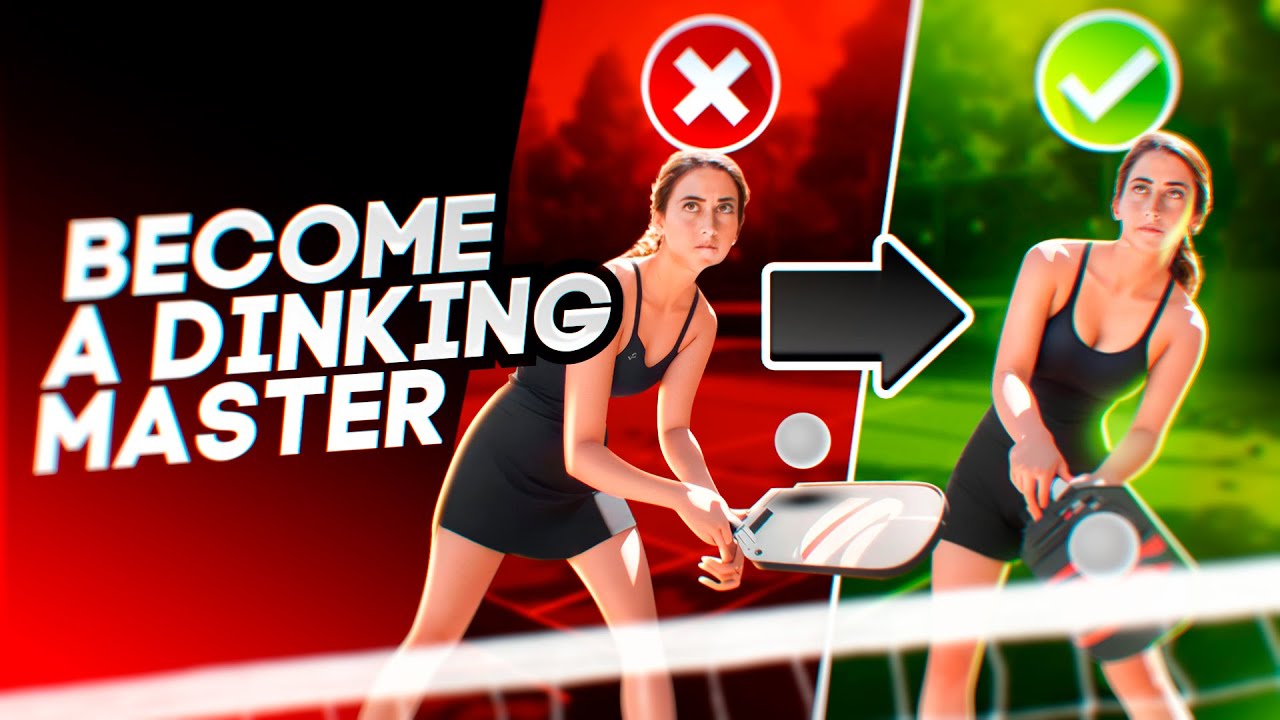
Key principles for paddle positioning:
- Keep the paddle face slightly open (angled upward)
- Maintain consistent grip pressure throughout the shot
- Position the paddle head above your wrist at contact
- Avoid dramatic angle changes mid-swing
This positioning allows for better control and reduces the likelihood of hitting balls into the net or popping them up for easy put-aways.
The Second Essential: Movement and Footwork
Effective dinking isn't just about hand and arm movement—your feet play a crucial role in shot consistency. Many players plant themselves at the kitchen line and try to reach every ball with their paddle alone.
Johnson recommends focusing on small, controlled steps that keep you in optimal position for each dink. This becomes especially important as reaction time naturally decreases with age.
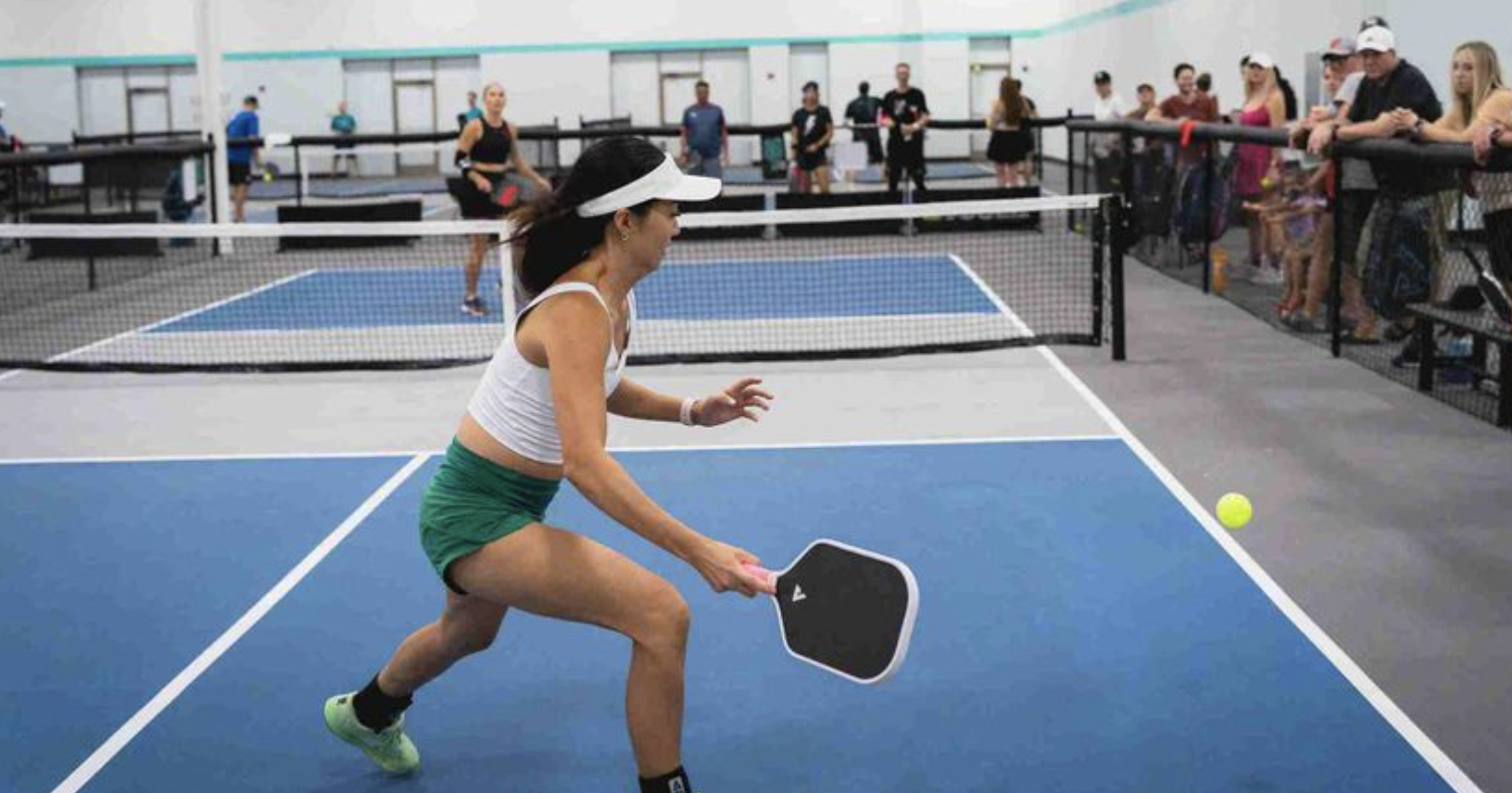
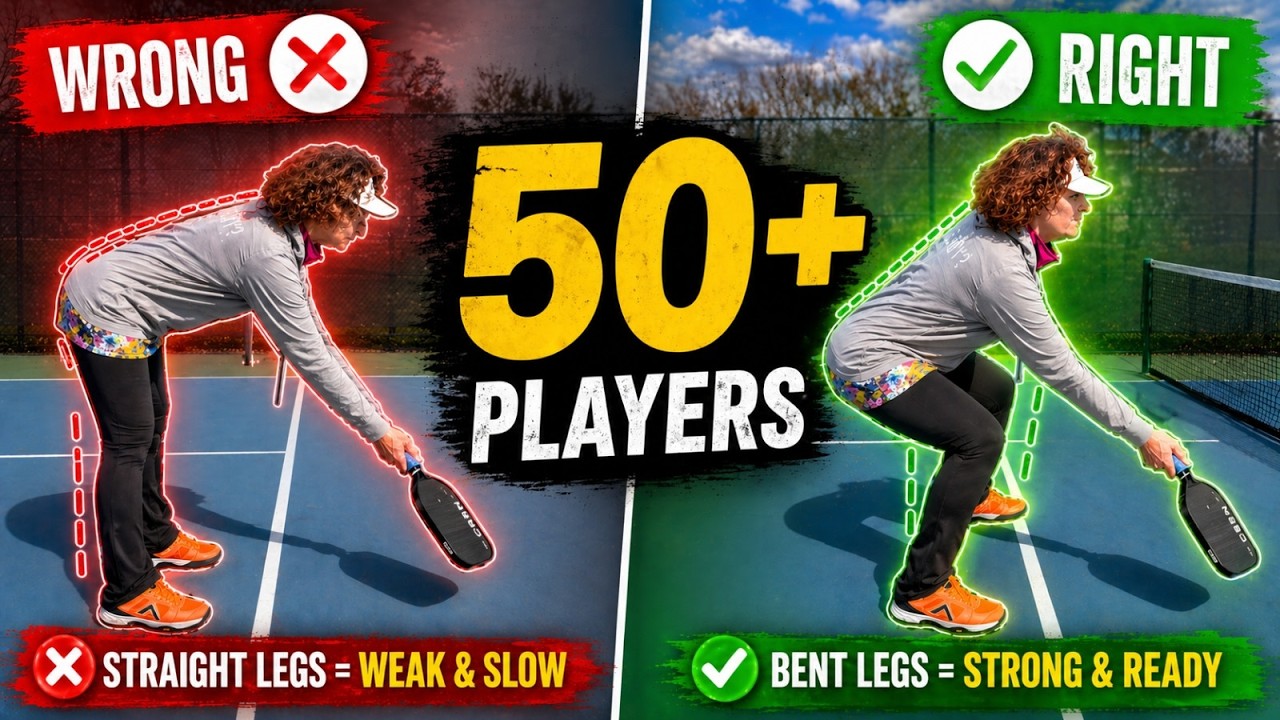
Footwork fundamentals include:
- Staying light on your feet rather than flat-footed
- Taking small adjustment steps to position your body behind the ball
- Maintaining balance throughout the dinking exchange
- Using your legs to generate subtle power rather than relying solely on arm strength
Building Better Balance
Balance becomes increasingly important for players over 50. Practice dinking while focusing on maintaining a stable base, which will improve both consistency and reaction time during extended exchanges.
The Third Essential: Timing and Rhythm
The final piece involves developing proper timing and establishing a consistent rhythm during dinking rallies. This mental component separates good dinkers from great ones.
Many players rush their dinks, especially under pressure. Johnson suggests focusing on the ball's trajectory and allowing it to come to you rather than reaching or rushing the contact point.
Timing improvements come from:
- Watching the ball all the way to your paddle
- Allowing the ball to drop to an appropriate height before contact
- Maintaining a consistent swing tempo
- Avoiding reactive, jerky movements
Putting It All Together
The magic happens when all three essentials work in harmony. Proper paddle position gives you control, good footwork keeps you in position, and correct timing ensures clean contact.
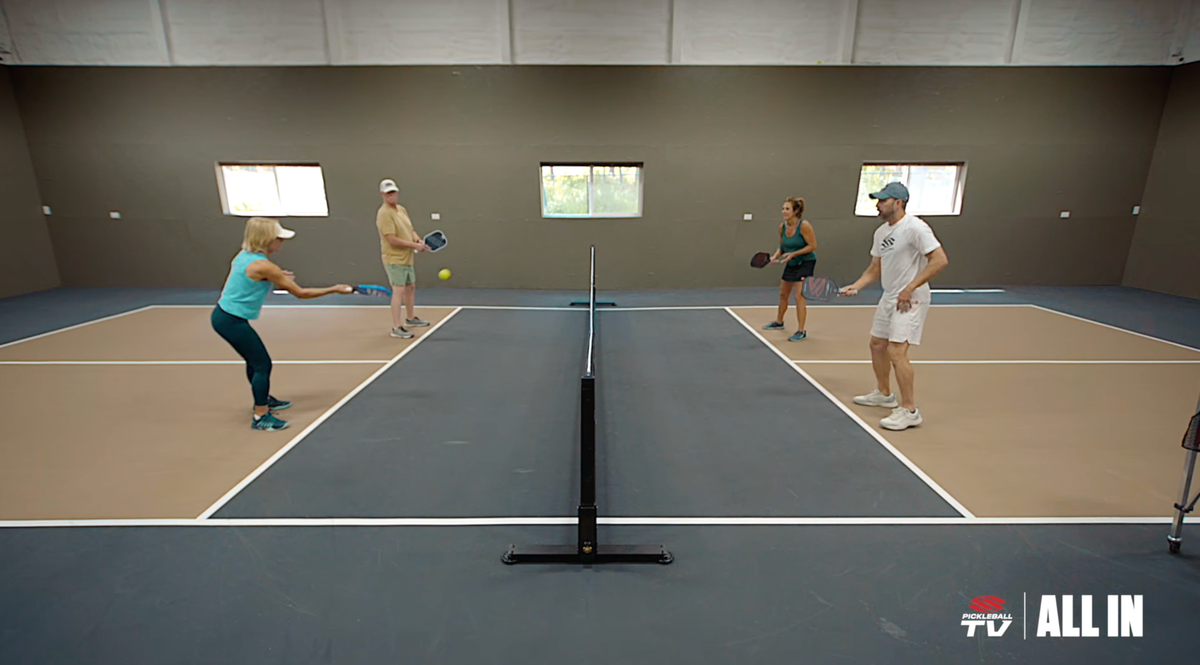
Johnson recommends practicing these elements separately before combining them. Start with stationary dinking drills focusing on paddle angle, then add movement, and finally work on timing during live play.
Practice Drills for Success
Begin with cross-court dinking to give yourself more margin for error. Focus on consistency over placement initially, aiming for 20 consecutive dinks before attempting more advanced shots.
As your confidence builds, incorporate these fundamentals into competitive play. Remember, dinking is about patience and precision, not power.
Frequently Asked Questions
How long does it take to improve dinking consistency using these techniques?
Most players notice improvements within 2-3 practice sessions when focusing specifically on these fundamentals. However, developing muscle memory for consistent execution typically takes 4-6 weeks of regular practice.
Should older players use different paddles for better dinking?
While paddle choice can help, technique is far more important than equipment. Focus on mastering these three essentials with your current paddle before considering equipment changes. A lighter paddle may help with maneuverability, but proper form will have a much bigger impact on your dinking success.