Every pickleball enthusiast has wondered: What would it take to build my own court at home? While most of us can only dream, some dedicated players have turned that vision into reality—and the results are absolutely spectacular.
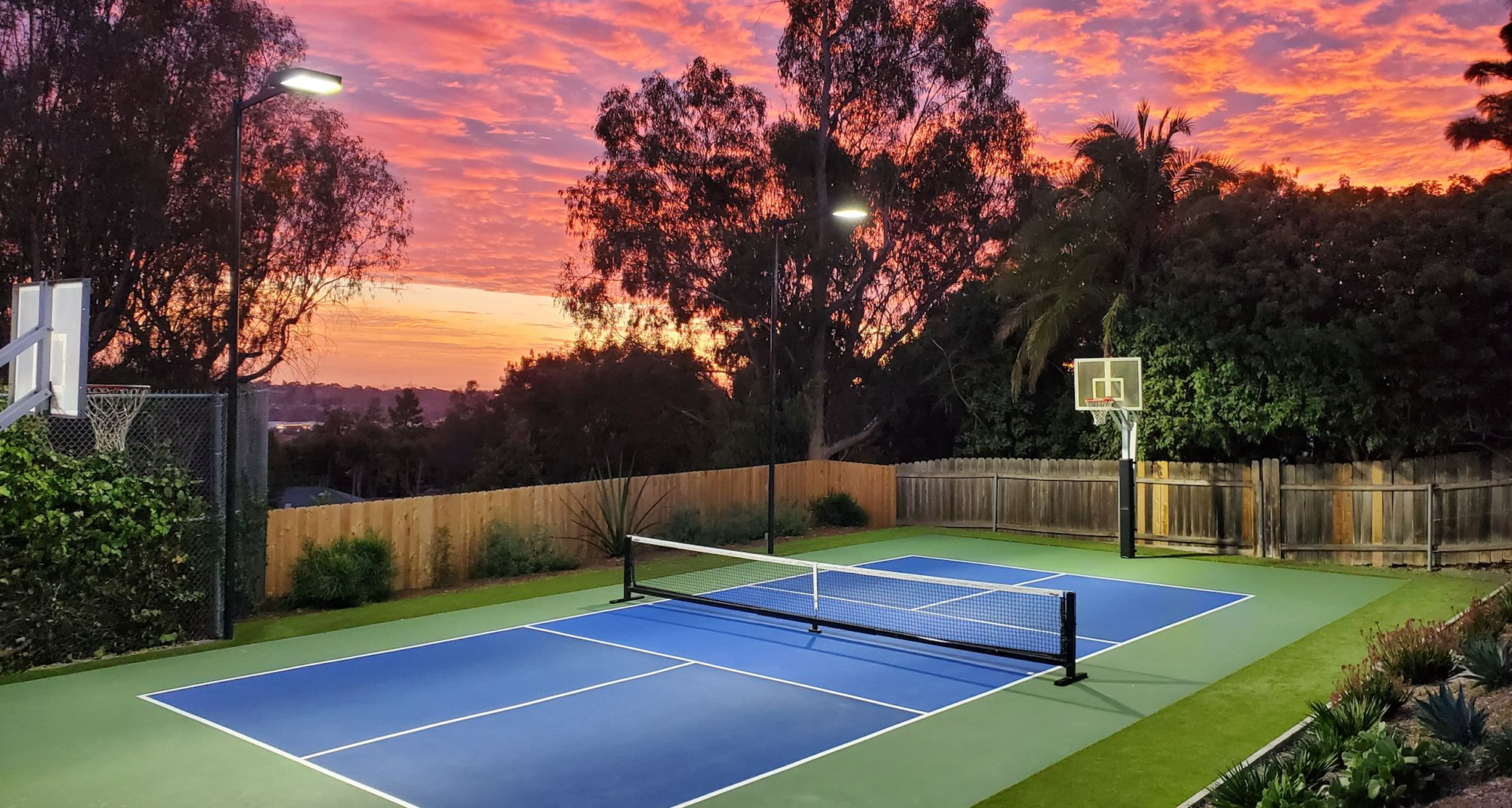
A recent viral post in the Pickleball Forum Facebook group sparked a treasure trove of incredible home court reveals. Players shared their private court creations, ranging from modest backyard conversions costing a few hundred dollars to jaw-dropping installations worth hundreds of thousands.
Budget-Friendly Backyard Transformations
Not every dream court requires a massive investment. Several players showcased impressive DIY solutions that prove creativity trumps cash every time.
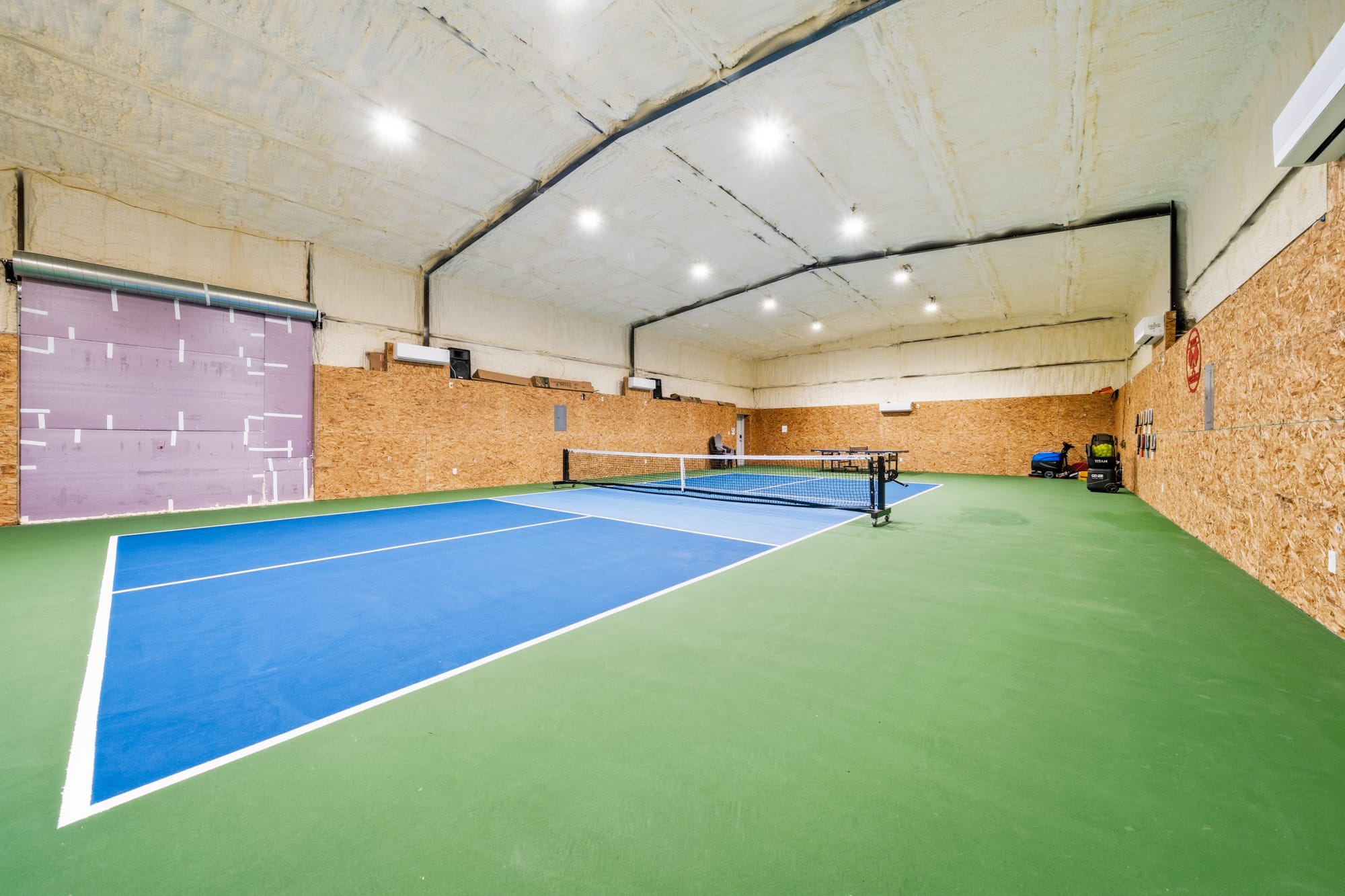
One resourceful player converted their existing tennis court with simple line modifications and portable nets, spending under $500 for a fully functional playing surface. Another transformed their driveway into a regulation court using specialized court paint and temporary boundary markers.
Creative Space Solutions
Limited space doesn't mean limited fun. Homeowners shared clever adaptations including:
- Modified half-courts perfect for practice and casual games
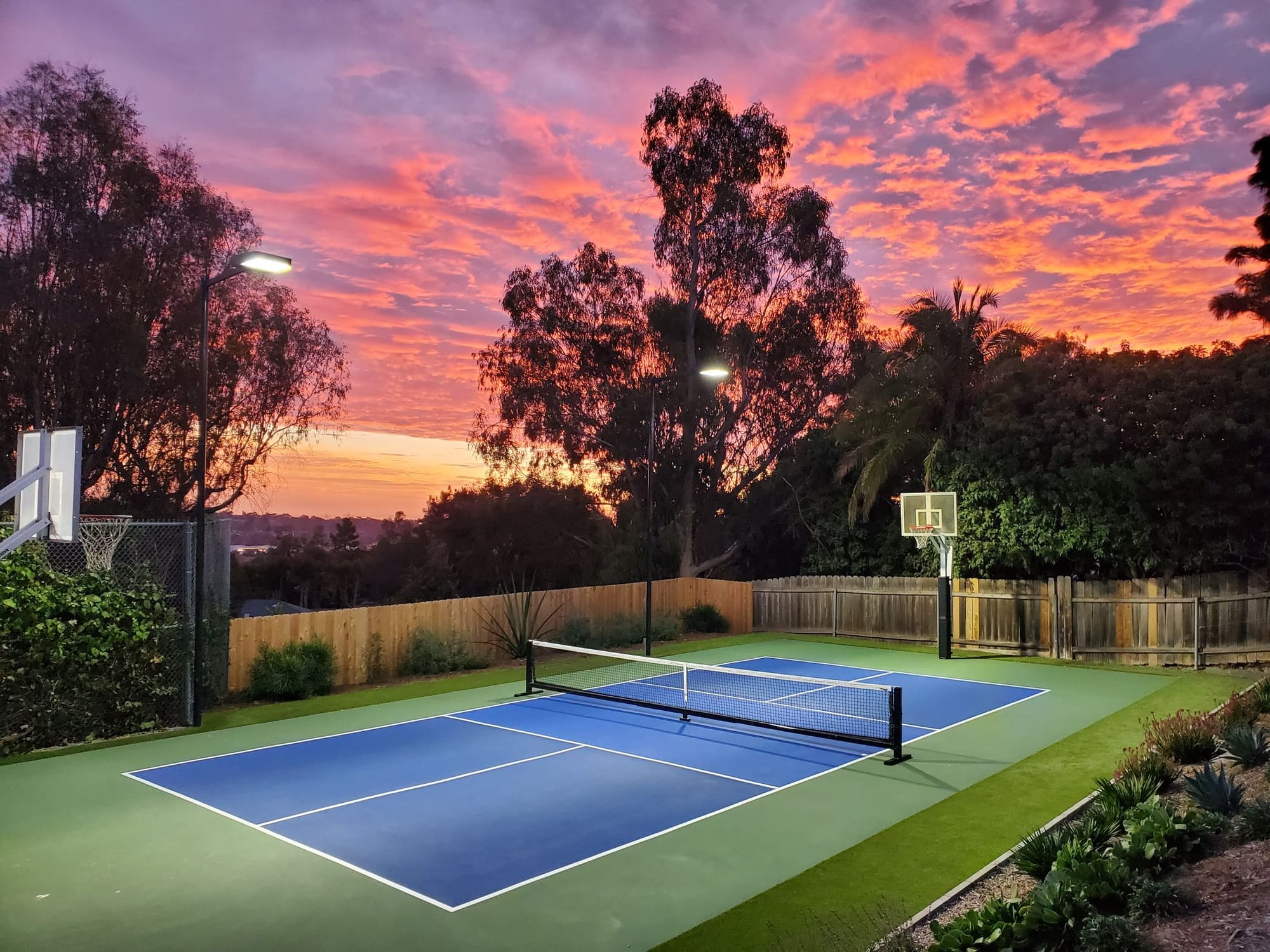
- Multi-purpose courts doubling as basketball and pickleball venues
- Sloped yard installations with strategic retaining walls
Luxury Installations That Steal the Show
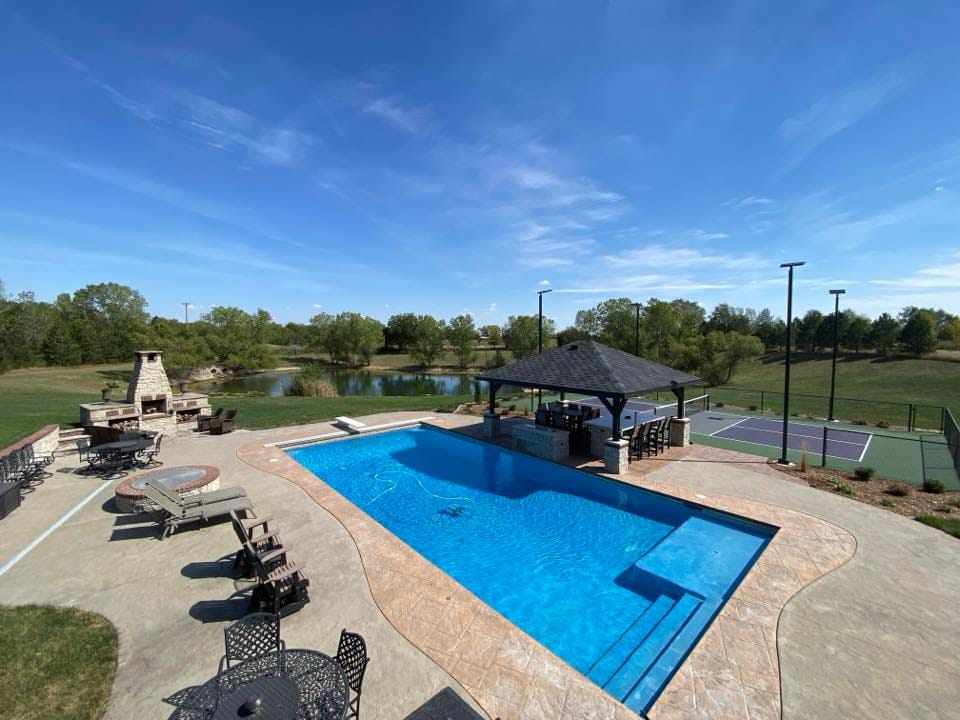
On the premium end, some courts rival professional facilities with amenities that would make any player jealous.
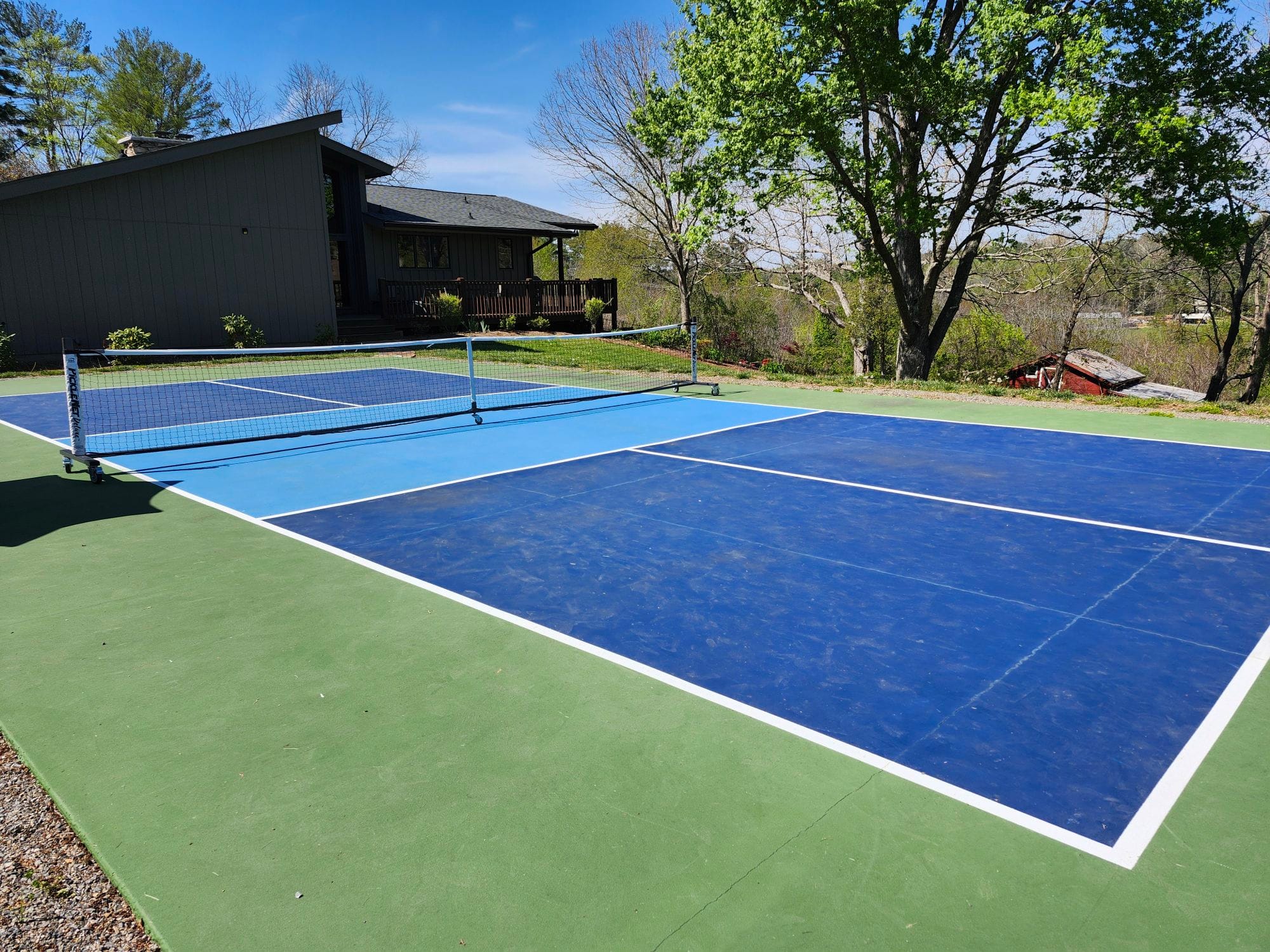
Waterfront properties showcased stunning lakeside courts with panoramic views, while others featured integrated lighting systems for evening play, custom pavilions for spectators, and professional-grade surfacing materials.
Investment-Worthy Features
High-end installations commonly included:
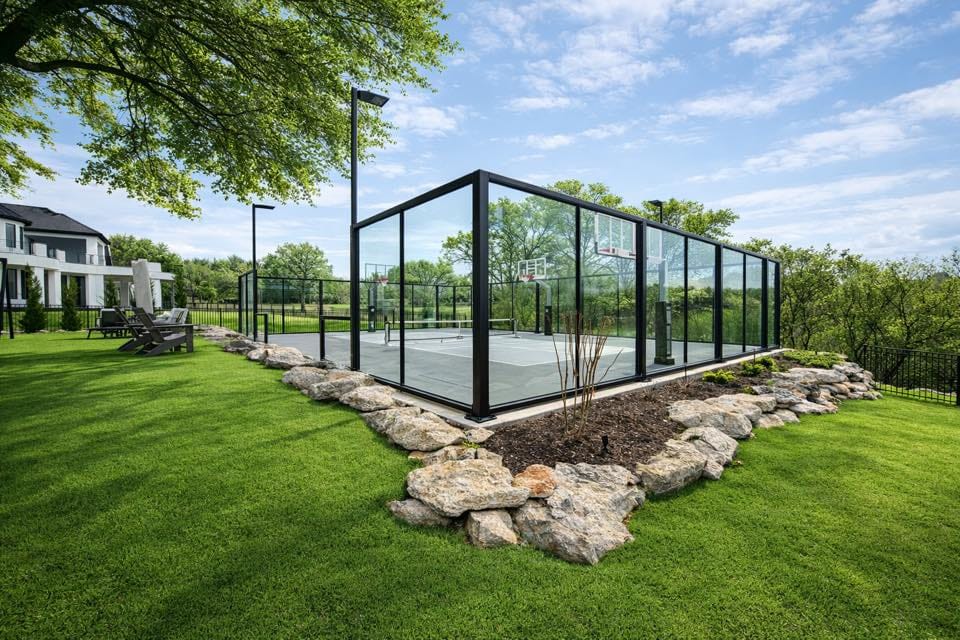
- Professional acrylic surfacing with proper drainage systems
- LED lighting packages for extended playing hours
- Surrounding landscaping and viewing areas
- Storage solutions for equipment and maintenance
- Weather protection features like windscreens
Planning Your Own Court Project
The variety of solutions shared proves there's a home court option for virtually every budget and space constraint.
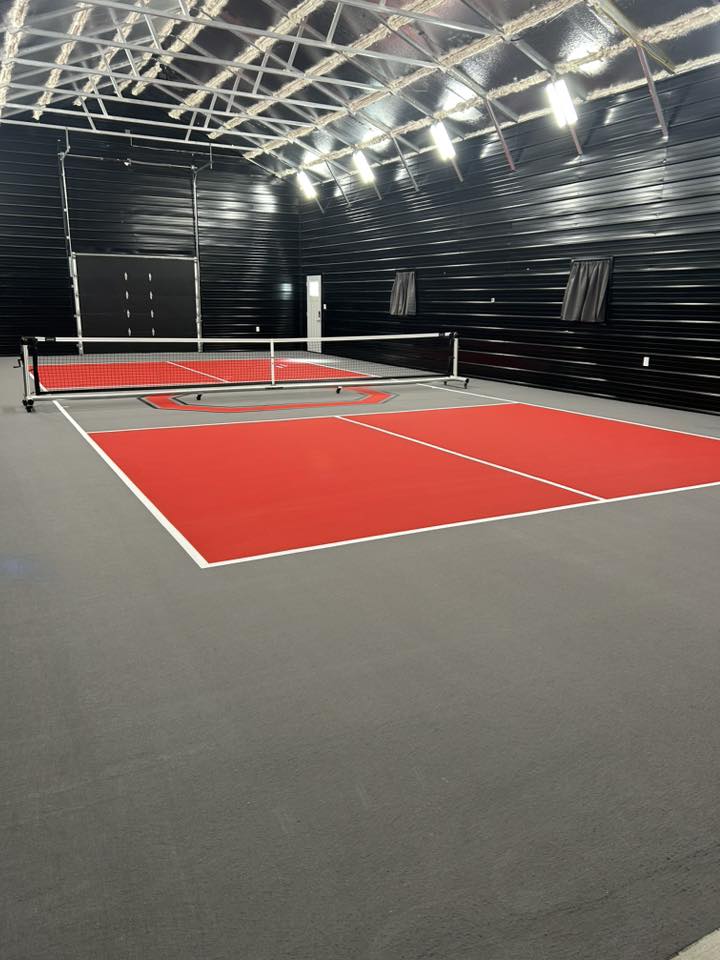
Before breaking ground, successful builders emphasized several key considerations:
Space Requirements: A regulation court needs 20x44 feet minimum, though 30x60 feet provides ideal clearance for competitive play.
Surface Selection: Options range from concrete and asphalt to specialized court tiles and synthetic materials, each with distinct cost and performance characteristics.
Local Regulations: Many municipalities require permits for permanent installations, especially those involving concrete work or electrical components.
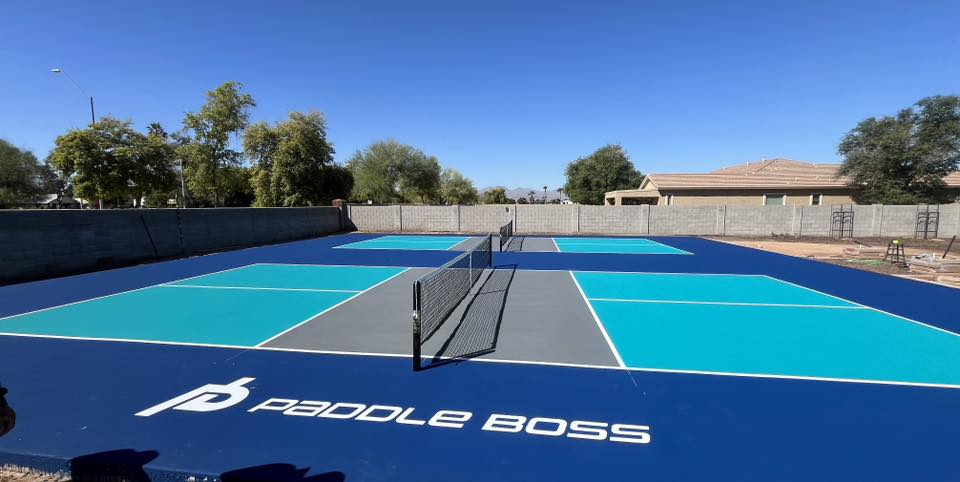
Return on Investment
Beyond pure enjoyment, homeowners noted practical benefits including increased property values, family fitness opportunities, and social gathering spaces that bring neighbors together.
Several players mentioned their courts became neighborhood hubs, introducing new people to pickleball while strengthening community connections.
Making the Dream Reality
Whether you're considering a simple driveway conversion or planning an elaborate custom installation, these inspiring examples prove that home courts aren't just for the wealthy.
The key lies in matching your vision to your space, budget, and local conditions while prioritizing safety and playability over perfection.
Frequently Asked Questions
What's the minimum space needed for a home pickleball court?
You need at least 20x44 feet for the court itself, but 30x60 feet is recommended to provide adequate clearance around the playing area for safe, competitive play.
How much does a basic home pickleball court cost?
Costs vary dramatically from under $500 for simple driveway conversions to $50,000+ for professional installations. Most backyard courts fall in the $5,000-$25,000 range including surface preparation and materials.
Do I need permits to build a pickleball court at home?
Permit requirements vary by location. Temporary installations typically don't require permits, but permanent courts involving concrete work, electrical installations, or structures usually do. Check with your local building department before starting construction.