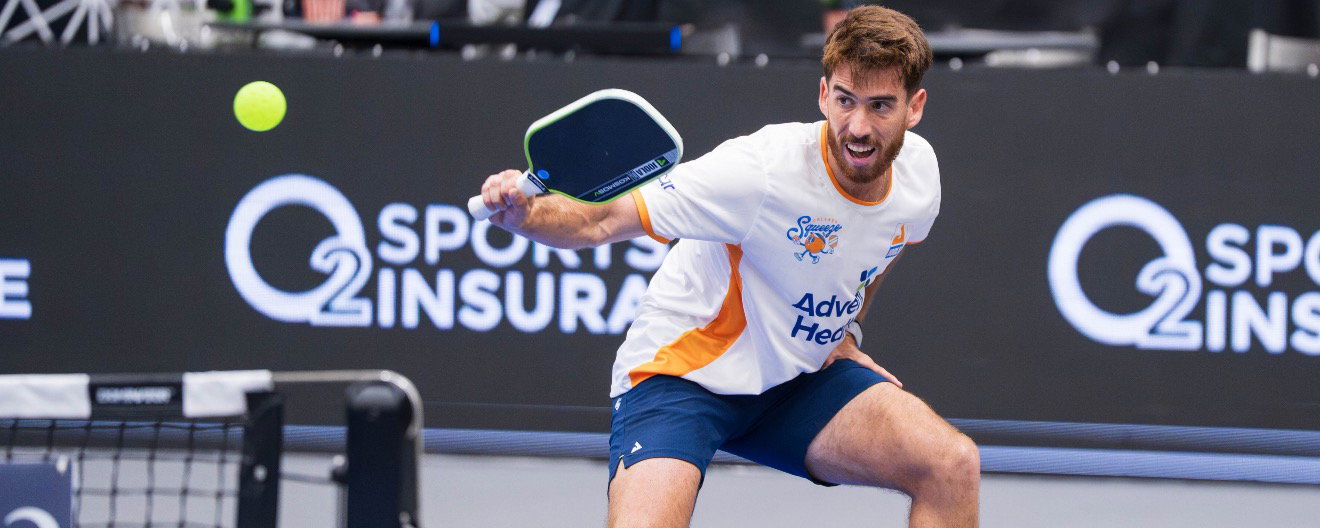
Major League Pickleball's second trade window is in full swing, creating significant roster changes ahead of the 2026 season launch. With the window remaining open until July 15, teams are actively reshaping their lineups following the February draft.
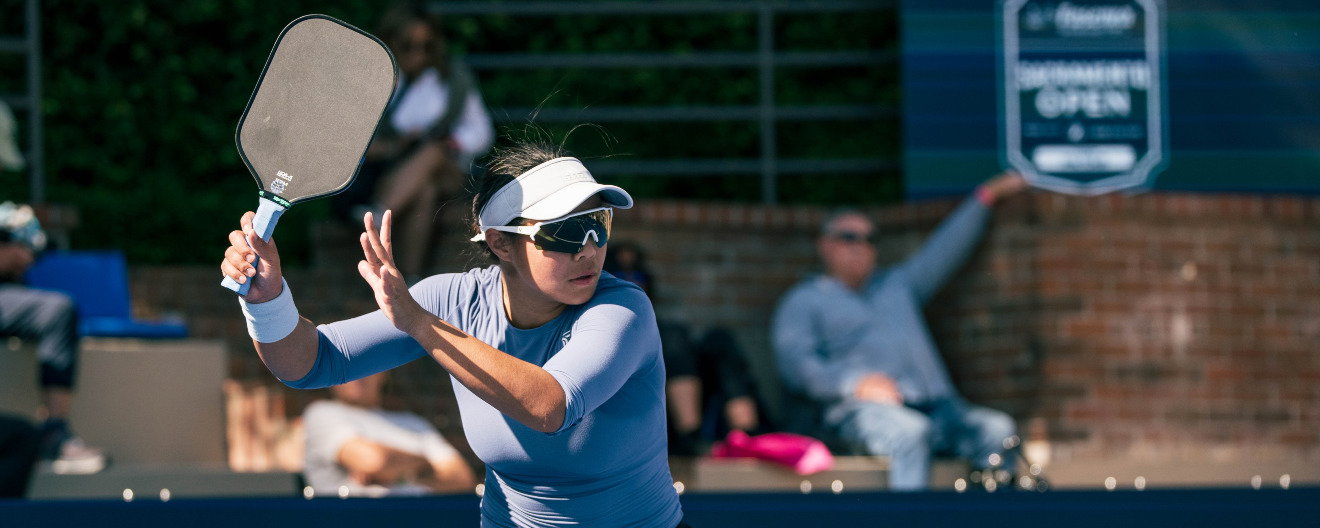
Current Trade Activity
The trade activity has been steady since the window opened, with teams making strategic moves to optimize their rosters for the upcoming season. The most recent significant transaction occurred on May 15, involving two prominent franchises making a player exchange that could impact both teams' championship aspirations.
Carolina Hogs and Dallas Flash Exchange
The headline trade of the window featured the Carolina Hogs acquiring Samantha Parker from the Dallas Flash. In return, Dallas received Angie Walker along with cash considerations, indicating the perceived value difference between the two players in the current market.
This move represents a strategic shift for both franchises. Parker brings considerable experience and proven performance metrics that should strengthen Carolina's competitive position. Meanwhile, Dallas appears to be focusing on financial flexibility while adding Walker's skill set to their roster composition.
Strategic Implications
The timing of these trades is particularly noteworthy, occurring just one week before the season opener at MLP Dallas (May 22-25). Teams are making final adjustments to their lineups, suggesting that coaching staffs have identified specific areas for improvement based on practice sessions and pre-season evaluations.
Market Dynamics
The inclusion of cash considerations in the Carolina-Dallas trade indicates an active financial component to the MLP trade market. This suggests that player valuations vary significantly across franchises, creating opportunities for teams with different priorities and budget structures.
Teams appear to be balancing immediate competitive needs against long-term roster construction. The extended trade window through July 15 provides flexibility for franchises to react to early season performance and make additional adjustments as needed.
Looking Ahead
With the Dallas tournament approaching rapidly, teams will have limited time to integrate new players into their systems. The success of recent trades may not be immediately apparent, but the moves could prove crucial as the season progresses and teams compete for playoff positioning.
Season Opener Impact
The MLP Dallas event will serve as the first real test for these roster changes. Parker's integration with Carolina and Walker's role with Dallas will be closely watched by analysts and fans alike. The performance of traded players in their new environments often sets the tone for additional trade activity throughout the season.
Other franchises are likely monitoring these early moves carefully, potentially preparing their own trade proposals based on how the initial transactions perform on court. The competitive balance of the league could shift significantly depending on how well teams have evaluated talent and team chemistry.
Trade Window Timeline
With approximately two months remaining in the trade window, expect continued activity as teams assess their needs following the Dallas tournament. Early season results often trigger additional roster moves as franchises identify areas requiring reinforcement.
The extended timeline allows for multiple evaluation periods, giving teams the opportunity to make data-driven decisions based on actual competitive performance rather than just practice observations.
Frequently Asked Questions
When does MLP Trade Window #2 close?
The second trade window remains open through July 15, 2026, giving teams approximately two months to make additional roster adjustments after the season opener.
Can teams make trades during tournaments?
Yes, teams can execute trades during the trade window period, even while tournaments are ongoing, though practical implementation may be affected by competition schedules.
What role do cash considerations play in MLP trades?
Cash considerations help balance trades when player values aren't equivalent, allowing teams to complete deals while addressing financial and competitive disparities between franchises.