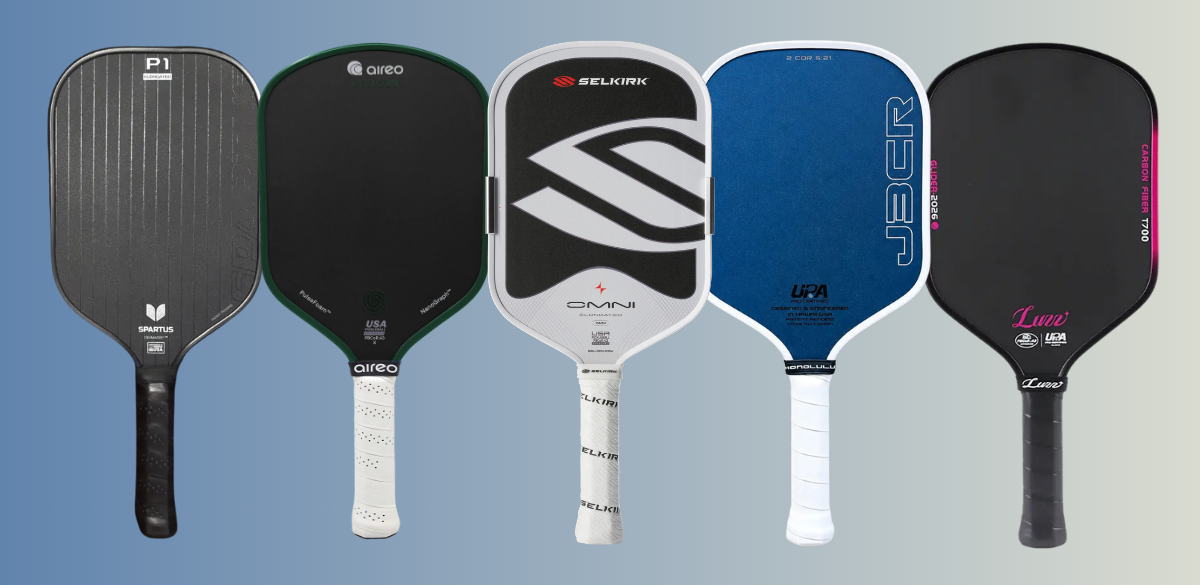
The pickleball industry is facing its most significant legal challenge yet, as JOOLA's patent lawsuit against eleven major brands threatens to fundamentally alter how high-performance paddles can be manufactured through 2043.

The Scope of JOOLA's Patent Claims
While the pickleball community is aware of JOOLA's legal action against multiple manufacturers, the true implications of their patent portfolio remain largely misunderstood. The company's two core patents feature language broad enough to potentially encompass virtually every advanced paddle construction method currently dominating the market.
These patents don't target specific brands or individual designs. Instead, they appear to claim ownership over fundamental construction techniques that have become standard across Generation 3, Generation 4, full foam core, and peninsula core paddle architectures.
What Makes These Patents So Powerful
The strategic value of JOOLA's patents lies in their comprehensive scope. Rather than protecting narrow innovations, these intellectual property claims cover broad manufacturing processes that have become integral to modern paddle performance.
If courts interpret these patents at their widest possible scope, JOOLA wouldn't simply defeat the eleven companies named in their lawsuit. They would effectively control the construction methodologies that define contemporary pickleball paddle engineering.
Impact on Current Paddle Technologies
The patents in question potentially cover multiple paddle technologies that players have come to expect in premium equipment:
- Advanced core construction methods
- Multi-layer face technologies
- Specialized foam integration techniques
- Performance-oriented structural designs
This broad coverage means that manufacturers across the industry may need to fundamentally rethink their approach to paddle development, regardless of whether they're directly named in the current litigation.
Industry-Wide Implications Through 2043
Patent protection typically extends 20 years from the filing date, meaning JOOLA's claims could influence paddle design and manufacturing decisions well into the 2040s. This timeline encompasses what many expect to be the most innovative period in pickleball equipment development.
The potential outcomes of this litigation extend far beyond the courtroom. If JOOLA's interpretation prevails, other manufacturers may face several challenging scenarios:
Licensing and Royalty Structures
Companies seeking to use covered technologies might need to negotiate licensing agreements with JOOLA, potentially creating new cost structures that could affect paddle pricing across the market.
Innovation Redirection
Manufacturers may be forced to develop alternative construction methods, potentially leading to either breakthrough innovations or performance compromises as companies work around patent restrictions.
What This Means for Players and the Sport
The ramifications of this legal battle extend beyond corporate boardrooms to affect players at every level. Paddle availability, pricing, and technological advancement could all experience significant shifts depending on the litigation's outcome.
Premium paddle development, which has accelerated rapidly in recent years, might face new constraints if certain construction methods become exclusively controlled by a single manufacturer.
Market Competition Concerns
The concentration of fundamental manufacturing technologies under single-company control raises questions about market competition and innovation incentives. Players have benefited from intense competition among paddle manufacturers, driving rapid improvements in performance, materials, and design.
Looking Ahead: The Legal Process
Patent litigation typically involves multiple phases, including claim interpretation, validity challenges, and infringement analysis. Courts will need to determine exactly what JOOLA's patents cover and whether the accused companies' products actually infringe those claims.
The defendants will likely challenge both the validity of JOOLA's patents and the breadth of their claimed coverage. This process could take years to resolve, creating uncertainty throughout the industry during a critical growth period for pickleball.
Frequently Asked Questions
How long could JOOLA's patents affect the paddle industry?
If upheld in their broadest interpretation, these patents could influence paddle construction methods until 2043, approximately 17 years from now, based on standard patent protection periods.
Will this lawsuit affect paddle prices for consumers?
While it's too early to predict specific impacts, patent licensing fees, development costs for alternative technologies, or reduced competition could potentially influence paddle pricing in various ways depending on the litigation outcome.
Could other paddle manufacturers work around these patents?
Manufacturers may be able to develop alternative construction methods that don't infringe JOOLA's patents, though this could require significant research and development investment and might affect paddle performance characteristics.