Junior Pickleball Stars Are Redefining Athletic Limits in 2024

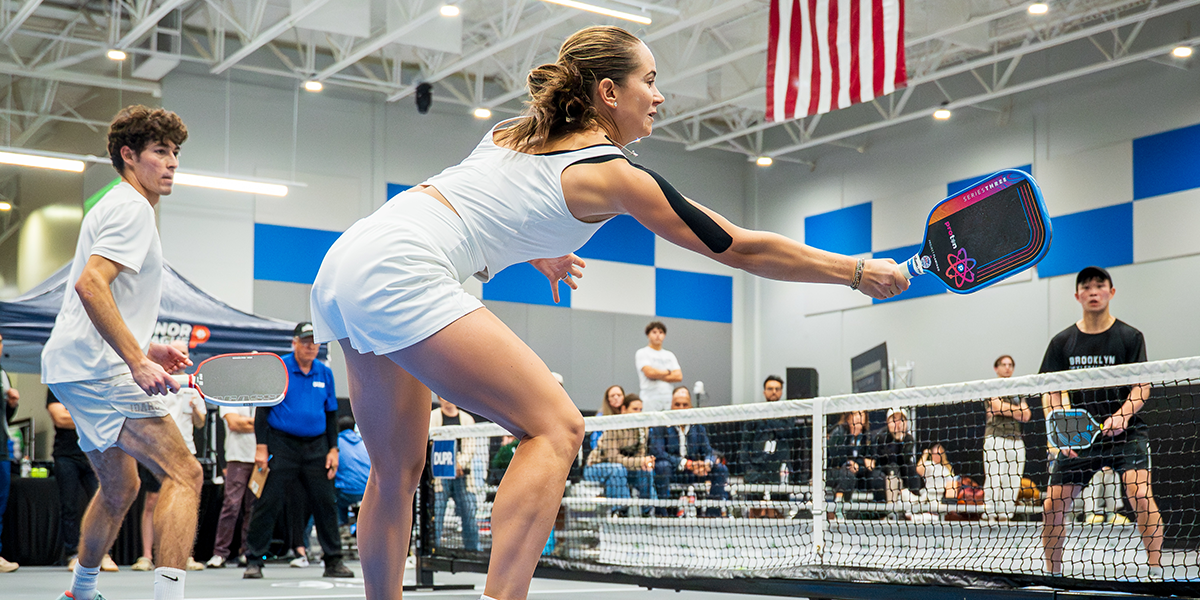
The crowd erupted as another impossible defensive save turned into an offensive weapon, the kind of athletic sequence that would have been unthinkable in pickleball just five years ago. Today's junior pickleball players aren't just playing faster—they're rewriting the sport's athletic ceiling entirely.
While veteran pros dominated through strategy and placement, this new generation combines court craft with raw athleticism that rivals traditional racquet sports. The result? A fundamental shift in how pickleball is played, watched, and respected as a legitimate athletic pursuit.
The Athletic Revolution: Beyond Placement and Patience
Traditional pickleball wisdom emphasized patience, soft hands, and strategic placement. Junior players haven't abandoned these principles—they've weaponized them with explosive speed and reflexes that seem almost superhuman.
Consider the modern junior's defensive capabilities. Where previous generations might reset a hard drive with a simple block, today's young pickleball stars are turning defense into offense with lightning-quick redirections and impossible angles. The ATP (Around the Post) shot, once a rare highlight, has become a calculated weapon in their arsenal.
- Hand speed that allows for split-second paddle adjustments
- Court coverage that extends effective playing zones
- Power generation from compact swings
- Mental processing speed that turns reactive plays into aggressive attacks
The gap between junior athletic ability and traditional pickleball pace has created a new style of play that's as entertaining as it is effective.
Technical Innovation Through Youth Development
Modern pickleball youth development programs have borrowed extensively from tennis and other racquet sports, creating technically sound players from day one. Unlike older players who transitioned from tennis or started as recreational players, these juniors learned pickleball as their primary racquet sport.
This fundamental difference shows in their technique. Their paddle work demonstrates a fluidity and precision that comes from thousands of hours of sport-specific training. They understand angles, spin variations, and court geometry at an intuitive level that took previous generations years to develop.
The Cross-Training Advantage
Many elite juniors maintain training regimens that would challenge professional athletes in any sport. Agility work, strength training, and mental conditioning supplement their on-court development, creating complete athletes rather than just skilled recreational players.
As we've seen in our analysis of elite young players like Anna Leigh Waters, this comprehensive approach to athletic development is producing results that are reshaping professional pickleball expectations.
Game Speed and Crowd Appeal: Changing Pickleball's Image
Perhaps the most significant impact of junior athleticism is its effect on pickleball's public perception. The sport has long fought against images of slow-paced retirement recreation. Today's junior matches feature rally speeds, shot difficulty, and athletic displays that rival any racquet sport.
This evolution is crucial for pickleball's continued growth. Television coverage becomes more compelling when rallies include diving saves, powerful drives, and impossible gets. Spectator engagement increases dramatically when players demonstrate the kind of athleticism that makes highlights worth watching repeatedly.
The entertainment value translates directly to increased tournament attendance, sponsorship interest, and media coverage. Junior pickleball rankings now generate significant attention, with college recruiters and professional sponsors tracking emerging talent years before they're eligible for senior competition.
Technical Analysis: The New Shot Arsenal
Modern juniors have expanded pickleball's shot vocabulary significantly. Traditional shots remain foundational, but the execution speed and variation options have multiplied exponentially.
- Power dinking: Aggressive pace on traditional soft shots
- Spin variations: Topspin, slice, and sidespin used tactically
- Transition speed: Moving from defense to offense within single exchanges
- Angle creation: Using court geometry to generate impossible passing shots
The technical improvements extend beyond individual shots to rally construction. These players think several shots ahead, setting up sequences that culminate in highlight-reel winners. It's chess played at checkers speed, with athletic execution that makes every point compelling.
Understanding these technical evolutions becomes crucial for recreational players seeking improvement, as covered in our analysis of fundamental technique principles.
Professional Impact and Future Implications
The junior athletic revolution isn't contained to youth competition. As these players age into senior divisions, they're elevating the overall competitive standard dramatically. Professional players must now train with intensity previously reserved for tennis or other traditional sports.
Pickleball athleticism at the junior level today provides a preview of professional pickleball's future. The sport will likely see increased physical demands, shorter career spans for players who can't match the athletic standards, and significantly higher entertainment value for spectators.
Tournament organizers are already adapting, with junior divisions receiving increased prize money, television coverage, and promotional focus. The economic impact extends to equipment manufacturers, who must develop gear capable of withstanding the increased power and spin these young athletes generate.
Today's junior superstars aren't just the future of pickleball—they're actively reshaping what the sport can become.
For players competing in amateur tournaments, understanding this athletic evolution becomes essential for competitive relevance. The gap between recreational and competitive play continues widening as junior athletic standards rise.
The transformation happening at the junior level represents more than improved individual performances—it's a fundamental shift in pickleball's identity from recreational activity to legitimate athletic pursuit. These young players aren't just getting better at an existing game; they're creating an entirely new version of it.
Inspired by community discussion.
Frequently Asked Questions
Who are the best junior pickleball players to watch in 2024?
The junior ranks feature numerous standout athletes pushing athletic boundaries, with players regularly transitioning to professional competition at younger ages than ever before. Rankings change frequently as competition intensifies nationwide.
How are young pickleball players changing the game's strategy?
Junior players combine traditional pickleball strategy with explosive athleticism, turning defensive positions into offensive opportunities and playing at speeds that require new tactical approaches from opponents.
What makes junior pickleball tournament highlights so impressive?
Junior tournaments feature athletic plays previously impossible in pickleball, including lightning-fast defensive saves, powerful offensive shots, and court coverage that extends the effective playing area significantly.
Stay updated with the latest pickleball news, rankings, and gear reviews at PicklrLab.com.