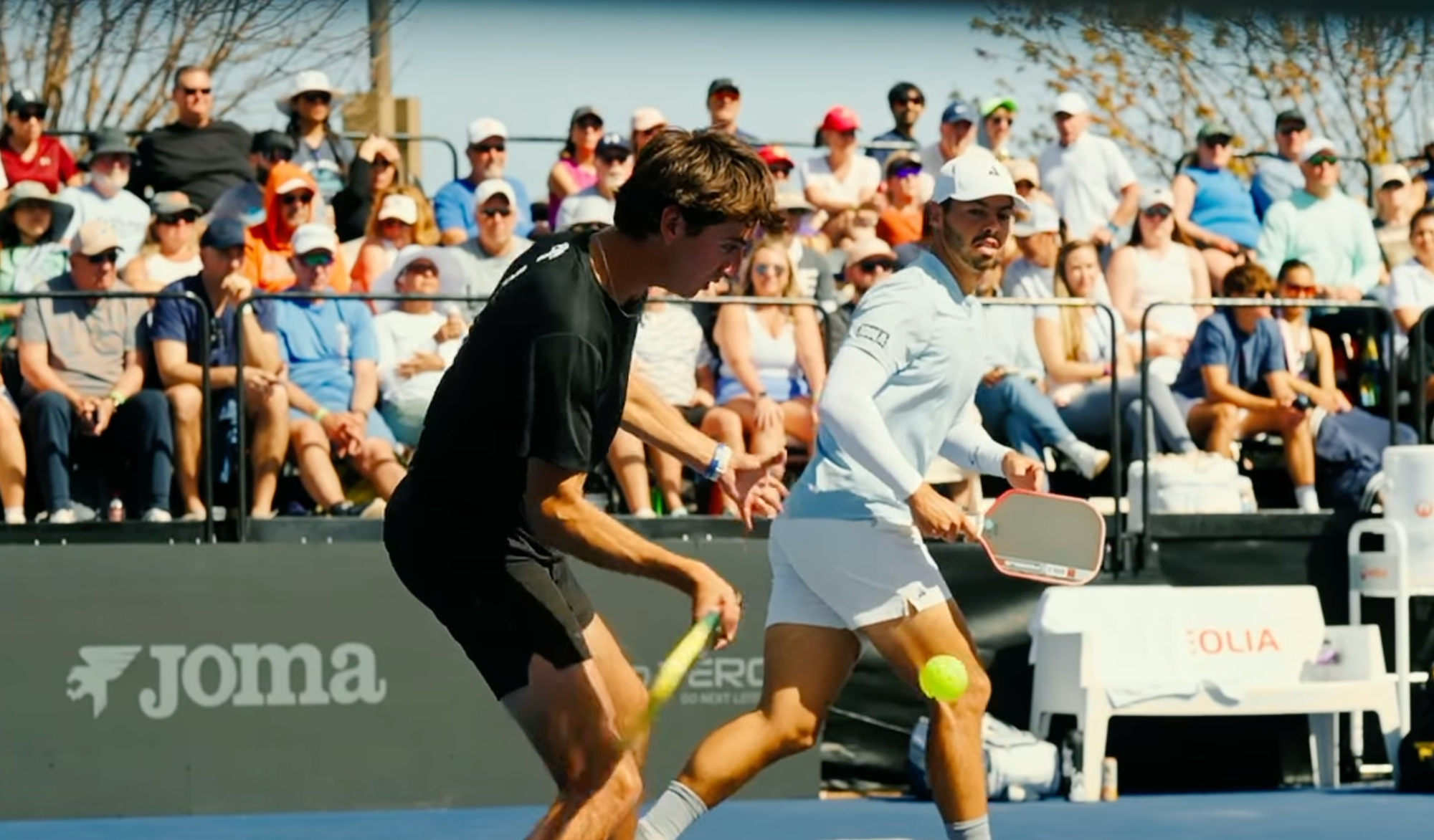
Master Dinking Technique in Pickleball: Complete 2026 Guide
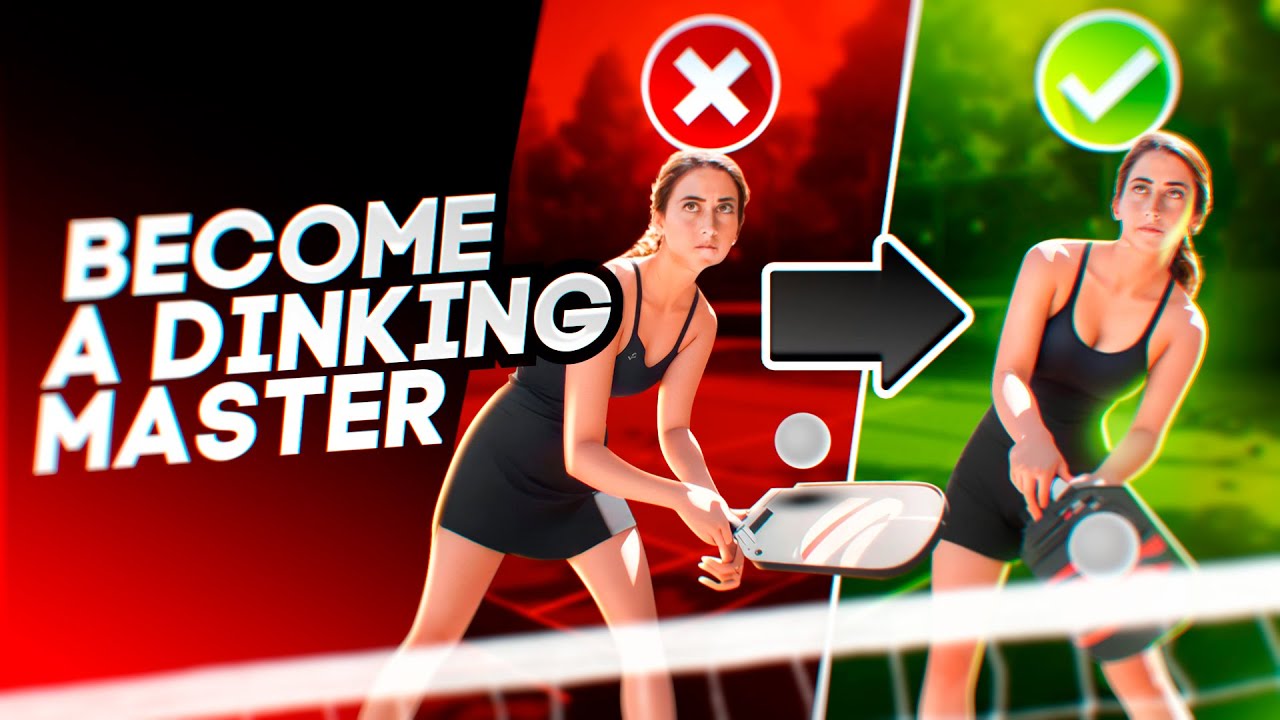
As pickleball continues its meteoric rise with over 48 million players worldwide in 2026, one shot has emerged as the ultimate game-changer: the dink. Watch any professional match from the recent PPA Tour events, and you'll see players like Ben Johns and Anna Leigh Waters engaging in lightning-fast dinking rallies that can extend for dozens of shots. Mastering the dinking technique isn't just about finesse—it's about controlling the tempo and setting up winning opportunities at the kitchen line.
The evolution of pickleball strategy has made dinking the foundation of competitive play. While recreational players often try to overpower shots, champions understand that patience and precision at the non-volley zone separates good players from great ones.
Understanding the Modern Dink Shot
The dink shot is a controlled, soft shot hit from the non-volley zone that arcs gently over the net and lands in your opponent's kitchen. Unlike power shots, the dink requires touch, timing, and tactical awareness. Professional players like Connor Garnett and Catherine Parenteau have built their reputations on exceptional dinking skills that frustrate opponents and create offensive opportunities.
In today's game, dinking serves multiple strategic purposes:
- Forces opponents to hit up, creating attack opportunities
- Neutralizes power players who prefer aggressive shots
- Allows for court positioning and patient point construction
- Reduces unforced errors compared to high-risk shots
The most effective dinking strategy in 2026 focuses on placement variety and consistent depth control rather than simply keeping the ball low.
Perfecting Your Dinking Grip and Stance
Your foundation starts with proper grip technique. The continental grip remains the gold standard for dinking, offering the versatility needed for both forehand and backhand dinks without changing hand position. Hold your paddle like you're shaking hands with the handle, ensuring your knuckles align with the paddle edge.
Optimal Stance Mechanics
Professional coaching analysis from 2026 emphasizes these key stance elements:
- Athletic ready position: Feet shoulder-width apart, knees slightly bent
- Weight distribution: Balanced on balls of feet for quick lateral movement
- Body positioning: Square to the net with slight forward lean
- Paddle preparation: Held at chest level with both hands supporting
Many players struggle with their stance because they adopt a static position. The reality is that effective dinking requires constant micro-adjustments as you read your opponent's shots and prepare your responses.
Advanced Dinking Form and Technique
The mechanics of a perfect dink have evolved significantly as players have refined their techniques through professional instruction and video analysis. Proper dinking form emphasizes control over power, requiring precise paddle angle and swing path coordination.
The Four-Phase Dinking Motion
Breaking down the dink into phases helps players understand each component:
- Preparation phase: Early paddle positioning with compact backswing
- Contact phase: Paddle face slightly open, contact point in front of body
- Follow-through phase: Controlled upward motion toward target
- Recovery phase: Return to ready position for next shot
The key insight from top instructors in 2026 is that dinking isn't just about soft touch—it's about controlled aggression. Players like Tyson McGuffin demonstrate how varying pace and spin within the dinking exchange creates opportunities to transition to offensive shots.
Consistent practice with proper form creates muscle memory that allows players to execute dinks under pressure during competitive matches.
Essential Dinking Drills for Skill Development
Structured practice separates players who improve rapidly from those who plateau. The most effective dinking drills used by professional coaches in 2026 focus on specific skill development rather than mindless repetition.
Progressive Training Sequence
Start with these foundational drills and advance as your consistency improves:
- Wall dinking (solo): 50 consecutive contacts focusing on paddle control
- Cross-court cooperative dinking: 20-shot rallies with emphasis on depth
- Straight-ahead competitive dinking: First player to miss loses the point
- Target dinking: Aim for specific court zones using cones or markers
- Speed-up transition drill: Dink rally followed by aggressive attack shot
Advanced players incorporate pressure scenarios into their drill work, simulating game situations where dinking under stress becomes crucial for point construction. For the latest player standings and how dinking prowess correlates with tournament success, check our rankings page for comprehensive professional analysis.
Strategic Dinking Applications in Match Play
Understanding when and how to deploy different dinking strategies separates recreational players from competitive threats. Modern pickleball strategy emphasizes dinking patterns that create specific outcomes rather than random soft shots.
Championship-level players use dinking to:
- Force opponents out of position with angled shots
- Create rhythm disruptions through pace changes
- Set up third-shot drops and transition opportunities
- Exploit opponent weaknesses on specific sides
The tactical evolution of dinking in 2026 includes more aggressive dink variations, including the "attack dink" that rides the line between soft placement and offensive pressure. Players studying video analysis of recent Major League Pickleball matches can observe how teams use coordinated dinking strategies to control point flow.
Equipment considerations also impact dinking effectiveness. See our in-depth paddle reviews for more gear analysis on how paddle weight, grip size, and surface texture influence touch shots around the kitchen line.
Frequently Asked Questions
How long does it take to master pickleball dinking technique?
Most players see significant improvement in dinking consistency within 3-6 months of focused practice, but mastering advanced techniques and strategic applications typically requires 1-2 years of regular play and instruction.
What's the biggest mistake beginners make when learning to dink?
The most common error is using too much arm motion instead of relying on paddle angle and minimal wrist action. Beginners also tend to hit dinks too high, giving opponents easy attack opportunities.
Should I practice dinking with different paddle weights?
Yes, practicing with various paddle weights helps develop touch and feel, but stick with your match paddle for the majority of training to build consistent muscle memory and timing.