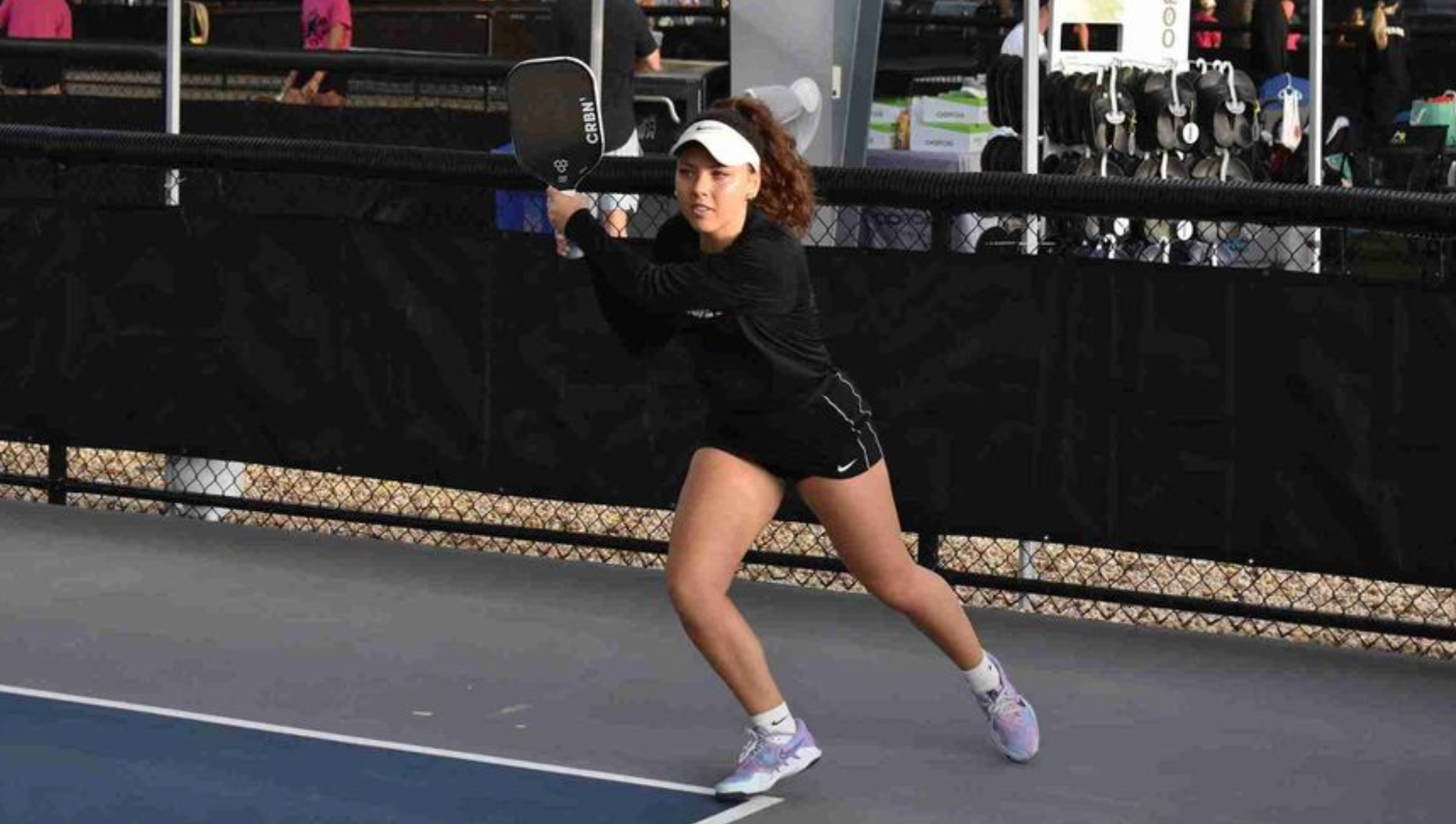
The transition zone in pickleball is where rallies are won and lost. Moving from the baseline to the kitchen line safely separates competitive players from recreational ones, yet most players struggle with this critical skill.
Getting caught in no-man's land between the baseline and kitchen line leaves you exposed to aggressive attacks. Too far back to reset effectively, too far forward to defend power shots – this vulnerable position demands precise technique and timing.
Understanding the Transition Zone Danger
The area between the baseline and non-volley zone creates unique challenges. Players often rush forward without proper preparation, making themselves easy targets for body shots, ATP attempts, and aggressive put-aways.
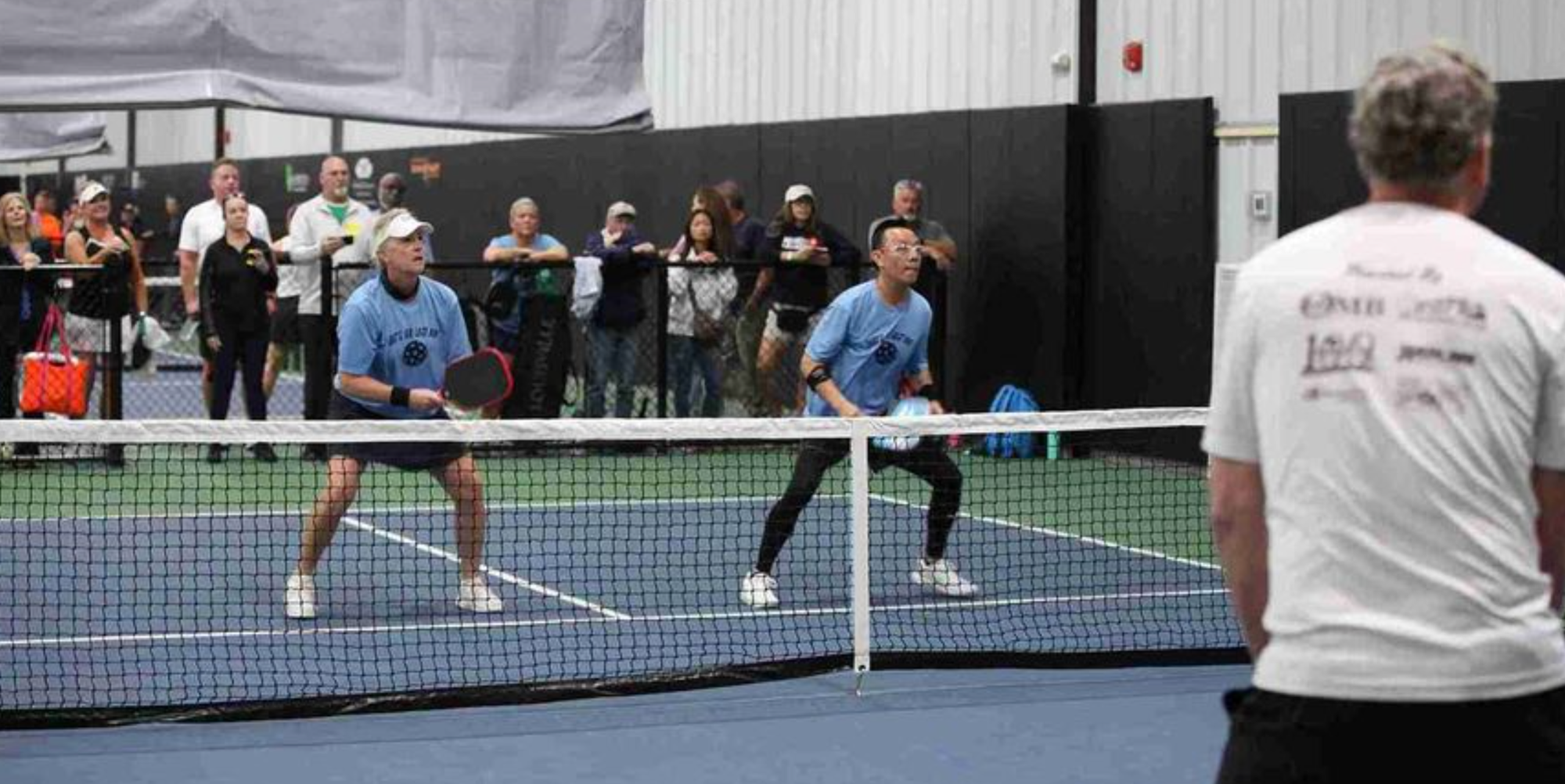
Smart opponents recognize when you're caught in transition and will immediately look to end the point. The key is minimizing your exposure time while maintaining defensive readiness.
Essential Footwork Patterns
Proper footwork forms the foundation of safe kitchen line approaches. Never move forward while the ball is above net height on your opponent's side – this creates vulnerability to offensive shots.
The Split-Step System
Execute a split-step as your opponent contacts the ball. This athletic position allows quick directional changes and prepares you for defensive shots. Move forward only after assessing shot trajectory and speed.
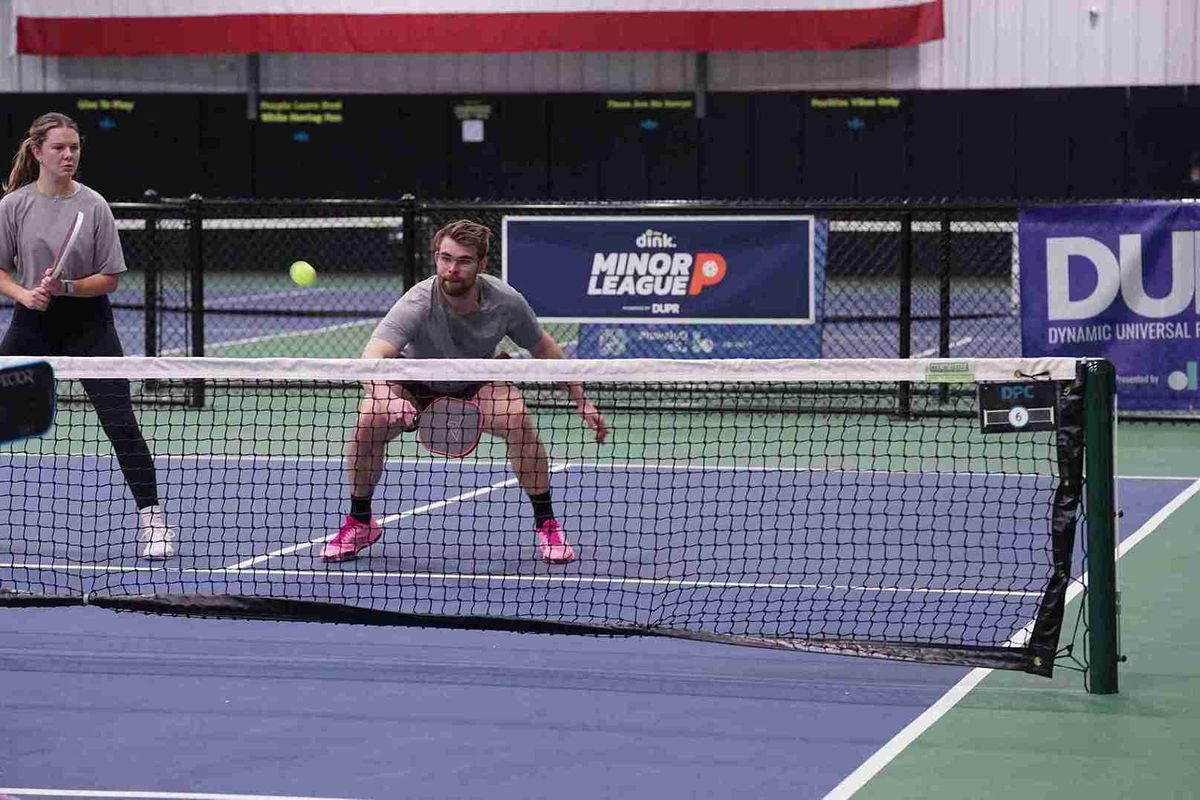
Maintain a low center of gravity throughout your approach. Bent knees and forward lean position your paddle for better reaction times against drives and attacks.
Progressive Movement Strategy
Advance in calculated steps rather than continuous forward motion. Take 2-3 steps forward, then pause to evaluate the next shot. This stop-and-go approach reduces vulnerability windows.
Shot Selection During Approach
Your shot choice while moving forward determines whether you continue advancing or get pinned in the transition zone. Prioritize shots that keep balls low and force defensive responses from opponents.
The Reset Shot
When facing aggressive shots during transition, reset the pace with soft shots aimed at your opponent's feet. This defensive shot buys time to complete your approach safely.
Focus on arc and placement rather than power. A well-executed reset neutralizes offensive pressure and allows continued forward movement.
Approach Shot Fundamentals
Select approach shots that land deep in your opponent's court with minimal bounce height. These shots force defensive returns and create opportunities for safe advancement.
Avoid short approach shots that allow opponents easy offensive opportunities. Deep placement keeps pressure on your opponents while you move forward.
Timing Your Advance
Timing separates successful kitchen line approaches from failed attempts that result in lost points. Move forward immediately after hitting your shot, but only if the ball will land low on your opponent's side.
Read your opponent's body language and paddle position. If they're preparing for an offensive shot, hold your position and prepare for defense rather than advancing blindly.

Defensive Positioning
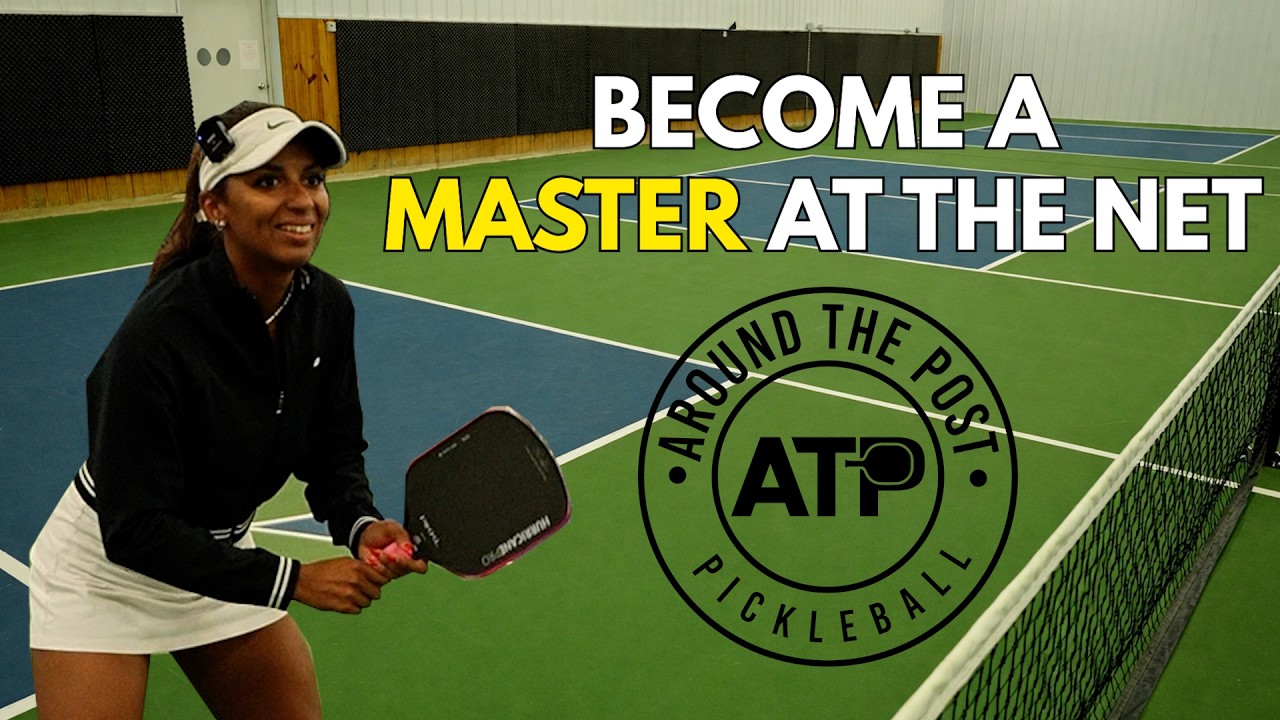
Maintain defensive readiness throughout your approach. Keep your paddle in front of your body at chest height, ready to react to drives or body shots.
Position yourself to cover the most likely attack angles. This typically means staying slightly more toward the center of your side to handle cross-court and down-the-line attacks effectively.
Common Mistakes to Avoid
Never approach when opponents have easy offensive opportunities. Balls that bounce above net height on their side create perfect attack conditions – stay back and defend.
Avoid rushing your approach. Patient, calculated movement proves more effective than aggressive charges toward the kitchen line that leave you vulnerable.
Don't neglect your partner's position in doubles play. Coordinate your movements to maintain court coverage and avoid creating gaps opponents can exploit.
Frequently Asked Questions
When should I start moving toward the kitchen line?
Begin your approach only when you've hit a shot that will land low on your opponent's side, forcing them into a defensive position. Never advance when opponents have offensive opportunities above net height.
How do I know if I'm moving too fast during transition?
If you're consistently getting caught by body shots or drives during your approach, you're likely moving too aggressively. Slow your advance and focus on defensive readiness between forward movements.
What's the biggest mistake players make in the transition zone?
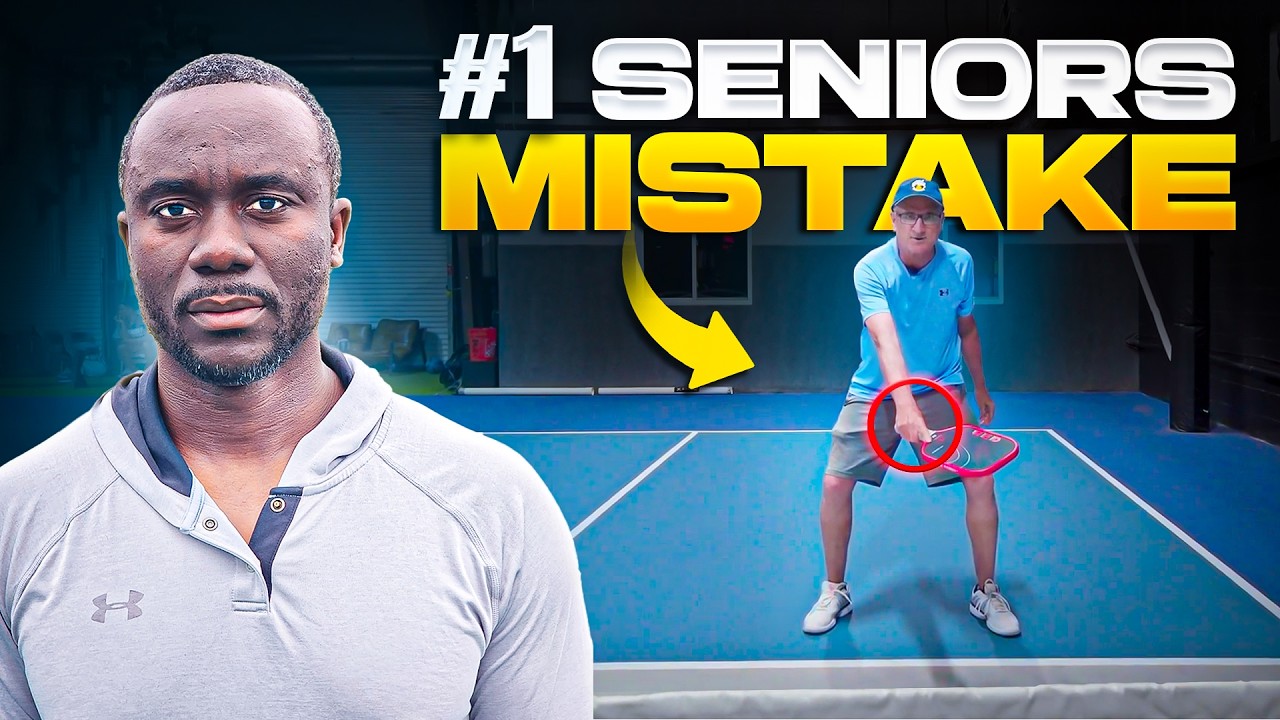
The most common error is continuous forward movement without pausing to assess the situation. Players who move forward regardless of ball height and opponent positioning become easy targets for aggressive shots.