Pickleball singles is the ultimate test of skill, endurance, and strategy. Unlike doubles, there's no partner to cover your mistakes or share the physical burden. It's just you versus 44 feet of court, and success depends on mastering three critical elements: intelligent court coverage, tactical serve patterns, and superior fitness.
The singles format is experiencing explosive growth, with tournament registrations climbing steadily and professional draws becoming increasingly competitive. If your doubles prowess hasn't translated to singles success, understanding these core strategies will transform your solo game.
Court Coverage: The Foundation of Singles Success
Effective court coverage in singles requires a completely different mindset than doubles. You're responsible for every inch of the court, making positioning and anticipation paramount.
The Center Court Principle
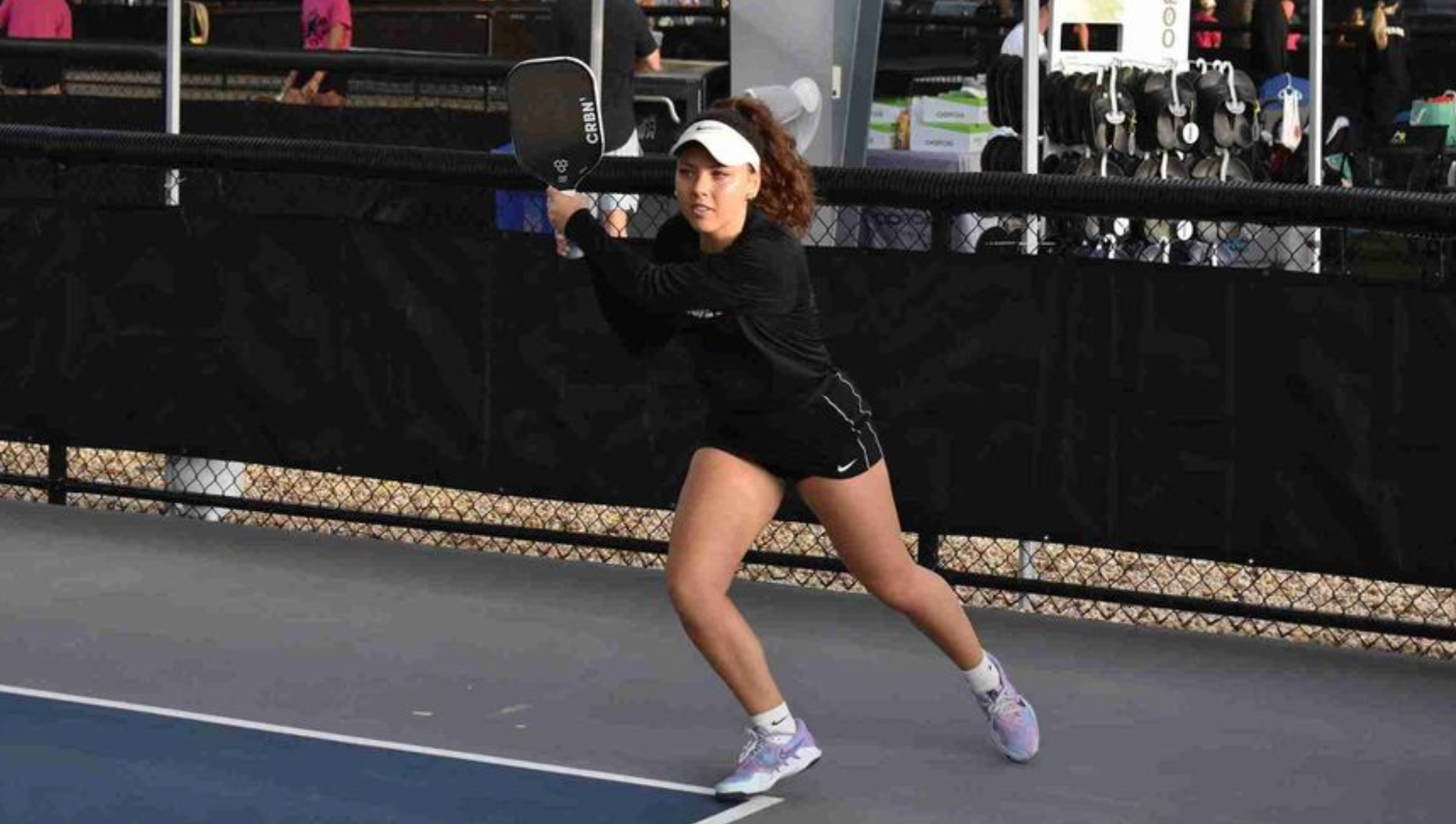
Your home base should be the center of the court, approximately 3-4 feet behind the baseline. This position maximizes your ability to reach shots to either side while maintaining offensive opportunities. After each shot, focus on recovering to this central position rather than staying where you hit the ball.
Reading Your Opponent's Body Language
Since you can't rely on a partner's positioning cues, developing the ability to read your opponent becomes crucial. Watch their paddle preparation, shoulder positioning, and court position to anticipate shot direction and depth.
Strategic Serve Patterns That Win Points
Your serve in singles isn't just about starting the point—it's about setting up winning opportunities from the first shot.
Deep and Wide: The Classic Approach
Serving deep to the corners forces your opponent into defensive positions and opens up the court for your third shot attack. Alternate between serving to the backhand and forehand corners to keep your opponent guessing.
The Short Serve Surprise
Occasionally mixing in short serves that land just beyond the service line can catch aggressive returners off guard. This tactic works especially well against players who stand deep to handle your power serves.
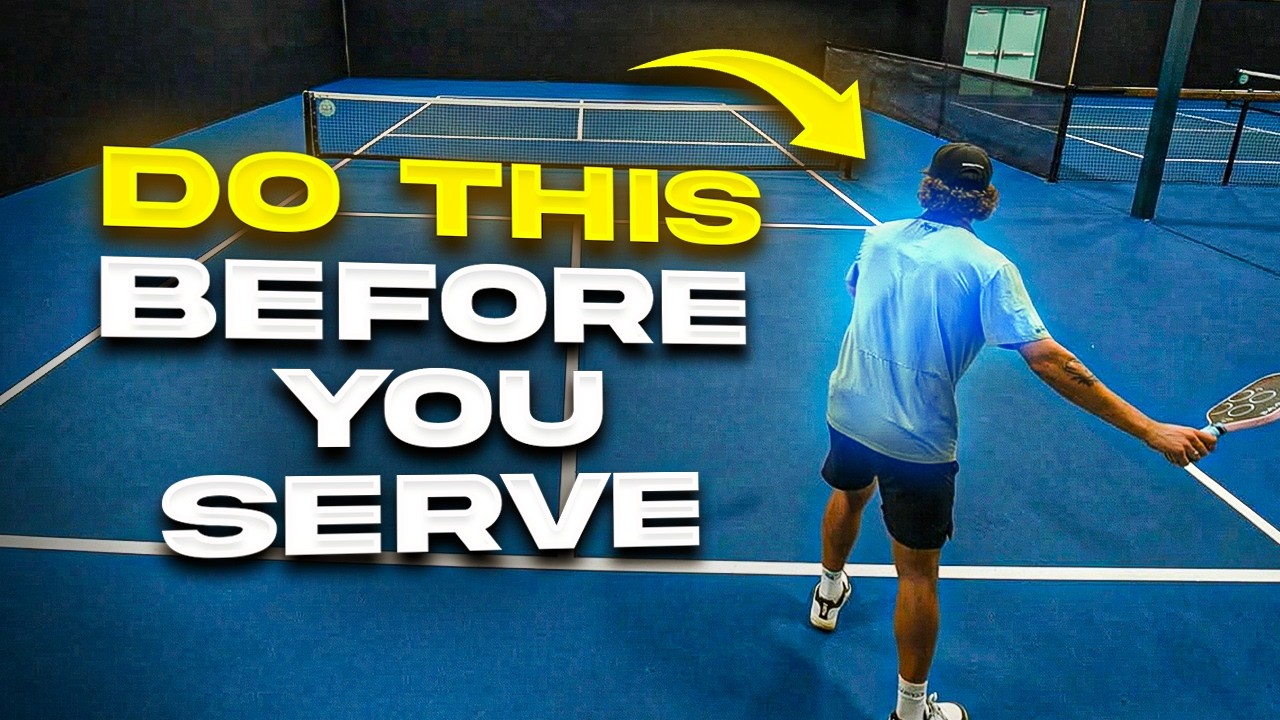
Body Serves for Disruption
Serving directly at your opponent's body eliminates their ability to step into returns and often produces weak replies you can attack. Use this sparingly but effectively, especially on crucial points.
Fitness: The Singles Game-Changer
Singles pickleball demands cardiovascular endurance, lateral agility, and mental toughness that far exceed doubles requirements.
Cardiovascular Preparation
Build your aerobic base with interval training that mimics match conditions. Try 30-second high-intensity rallies followed by 10-second rest periods, repeating for 10-15 minutes. This closely replicates the stop-start nature of pickleball points.
Lateral Movement Training
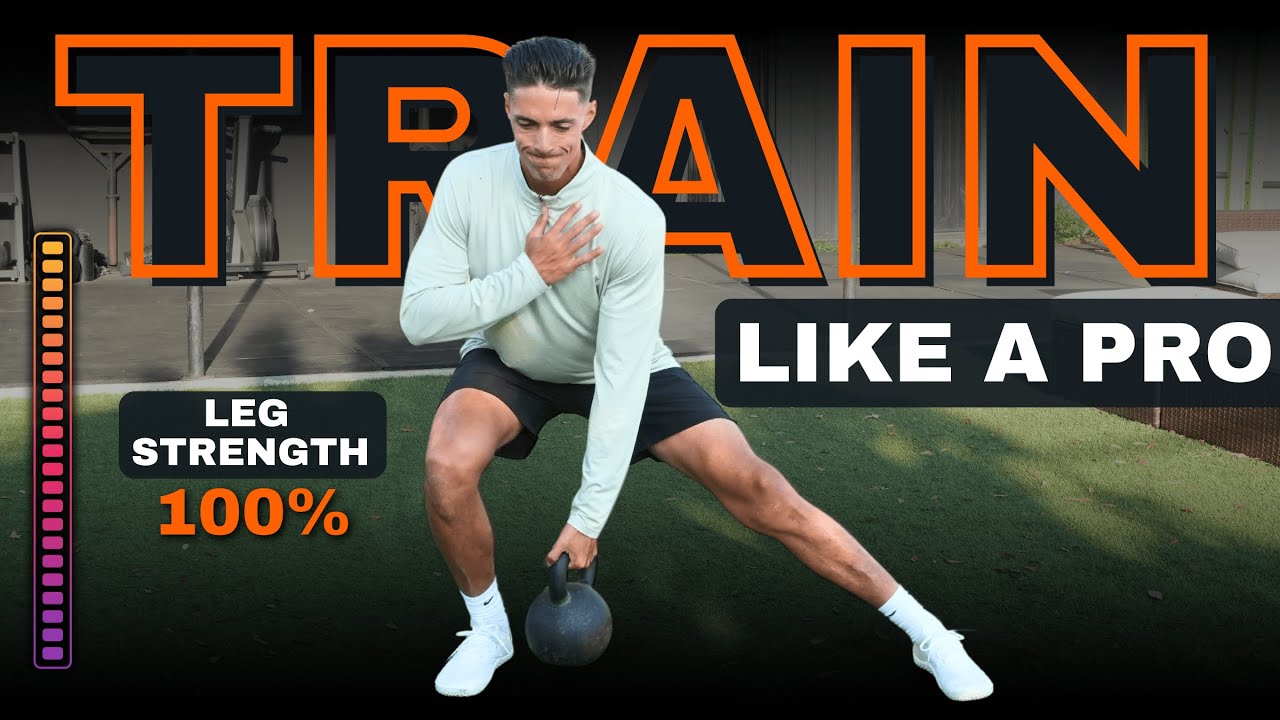
Incorporate ladder drills, side shuffles, and cone exercises into your training routine. Your ability to move efficiently side-to-side while maintaining balance for quality shots often determines match outcomes.
Mental Strategy and Point Construction
Singles success requires patience and tactical thinking. Resist the urge to end points quickly—instead, build points systematically.
The Patience Game
Many singles points are won through consistency rather than winners. Focus on keeping the ball in play while gradually moving your opponent out of position. The player who maintains composure during long rallies often prevails.
Attacking Opportunities
Recognize when to shift from defense to offense. Short balls, high balls, and shots to your forehand side typically present the best attacking chances. When you do attack, commit fully—tentative shots in singles often become counter-attack opportunities for your opponent.
Common Singles Mistakes to Avoid
Understanding what not to do is equally important as knowing proper strategy. Avoid trying to end points too quickly, neglecting your backhand development, and failing to vary your shot selection throughout matches.
The key to singles mastery lies in consistent practice of these fundamentals while gradually building the physical and mental endurance required for competitive play. Start incorporating these strategies into your training, and watch your singles game transform from surviving rallies to dominating matches.
Frequently Asked Questions
How long does it take to develop effective singles strategy?
Most players see significant improvement in their singles game within 2-3 months of focused practice, though mastering advanced positioning and fitness typically takes 6-12 months of consistent training.
Should I practice singles differently than doubles?
Absolutely. Singles practice should emphasize cardiovascular conditioning, court coverage drills, and longer rally simulations, while doubles focuses more on net play and partner coordination.
What's the biggest difference between singles and doubles strategy?
Singles requires much more emphasis on court positioning, fitness, and patience, while doubles prioritizes net positioning, communication, and quick exchanges. The physical demands are also significantly higher in singles.