The third shot drop roll represents the pinnacle of pickleball shot-making artistry. This sophisticated technique separates recreational players from serious competitors, offering a strategic weapon that can neutralize aggressive opponents and establish court control.
Professional players consistently employ this shot to transform defensive positions into offensive opportunities. Yet many recreational players remain unaware of its potential or struggle with consistent execution.
Understanding the Third Shot Drop Roll Mechanics
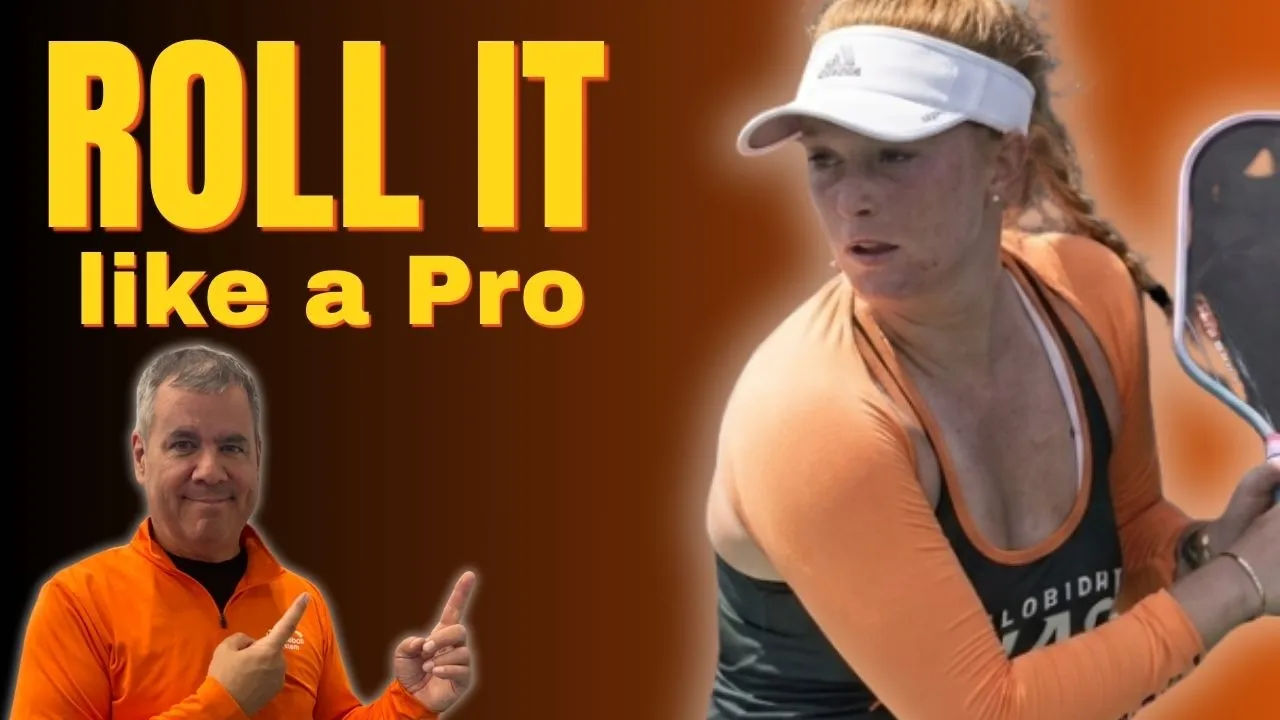
PPA professional Paula Rives, renowned for her exceptional drop roll technique, breaks down the fundamental mechanics that make this shot so effective. Unlike a standard third shot drop, the roll variation adds topspin and arc, creating a more forgiving trajectory while maintaining strategic placement.
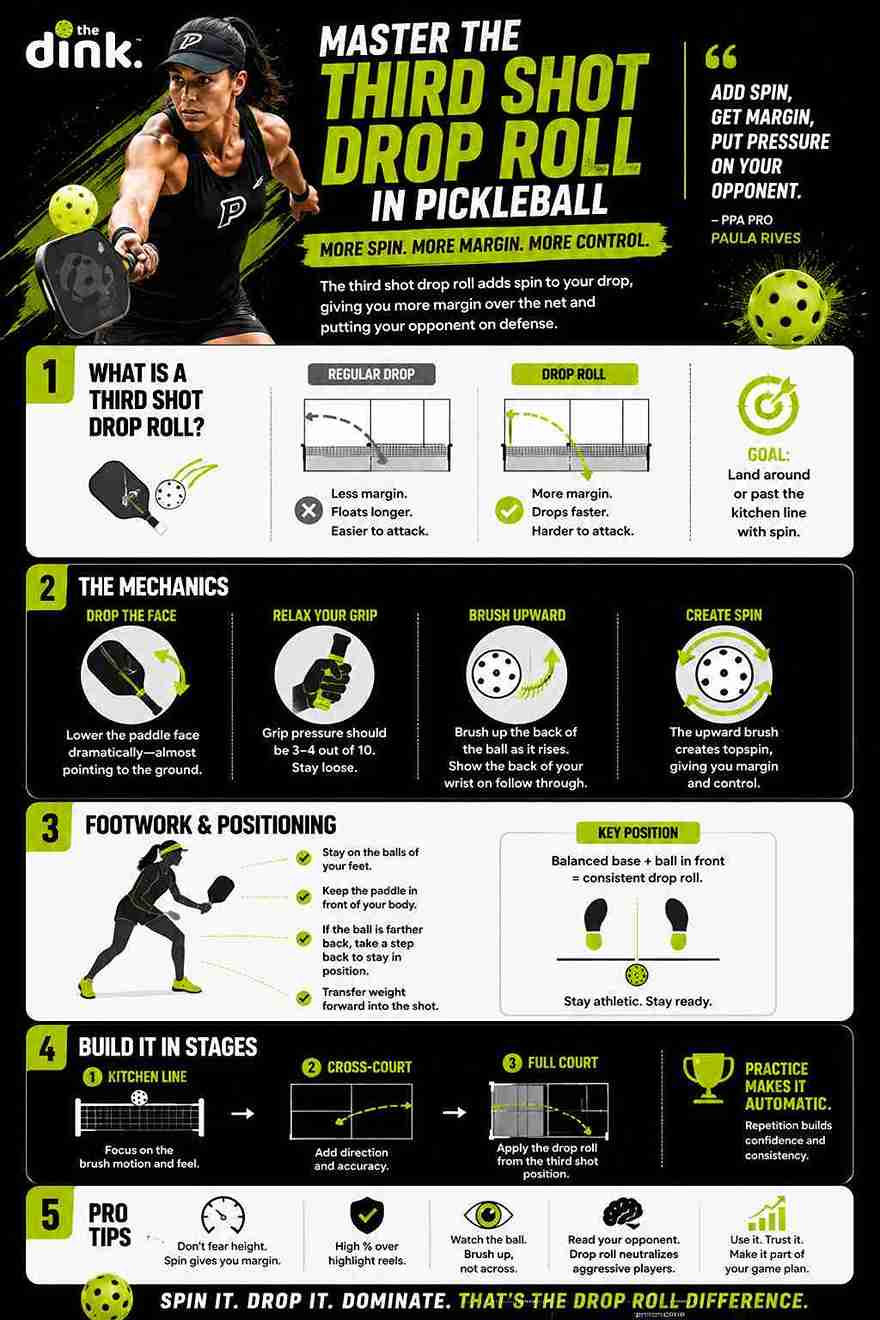
The key lies in understanding the contact point and paddle face angle. Rives emphasizes starting with the paddle face slightly open, then gradually closing it through contact while maintaining a low-to-high swing path. This creates the necessary topspin rotation that gives the ball its characteristic "roll" over the net.
Grip Pressure and Paddle Control
Proper grip pressure proves crucial for consistent execution. Rives recommends a relaxed grip pressure of approximately 3-4 on a scale of 10, allowing for natural wrist action during the swing. Excessive tension restricts paddle head speed and reduces feel for the shot.
The continental grip works best for most players, providing versatility for both forehand and backhand drop rolls. Advanced players may experiment with slight grip adjustments based on court position and opponent positioning.
Footwork and Body Positioning Essentials
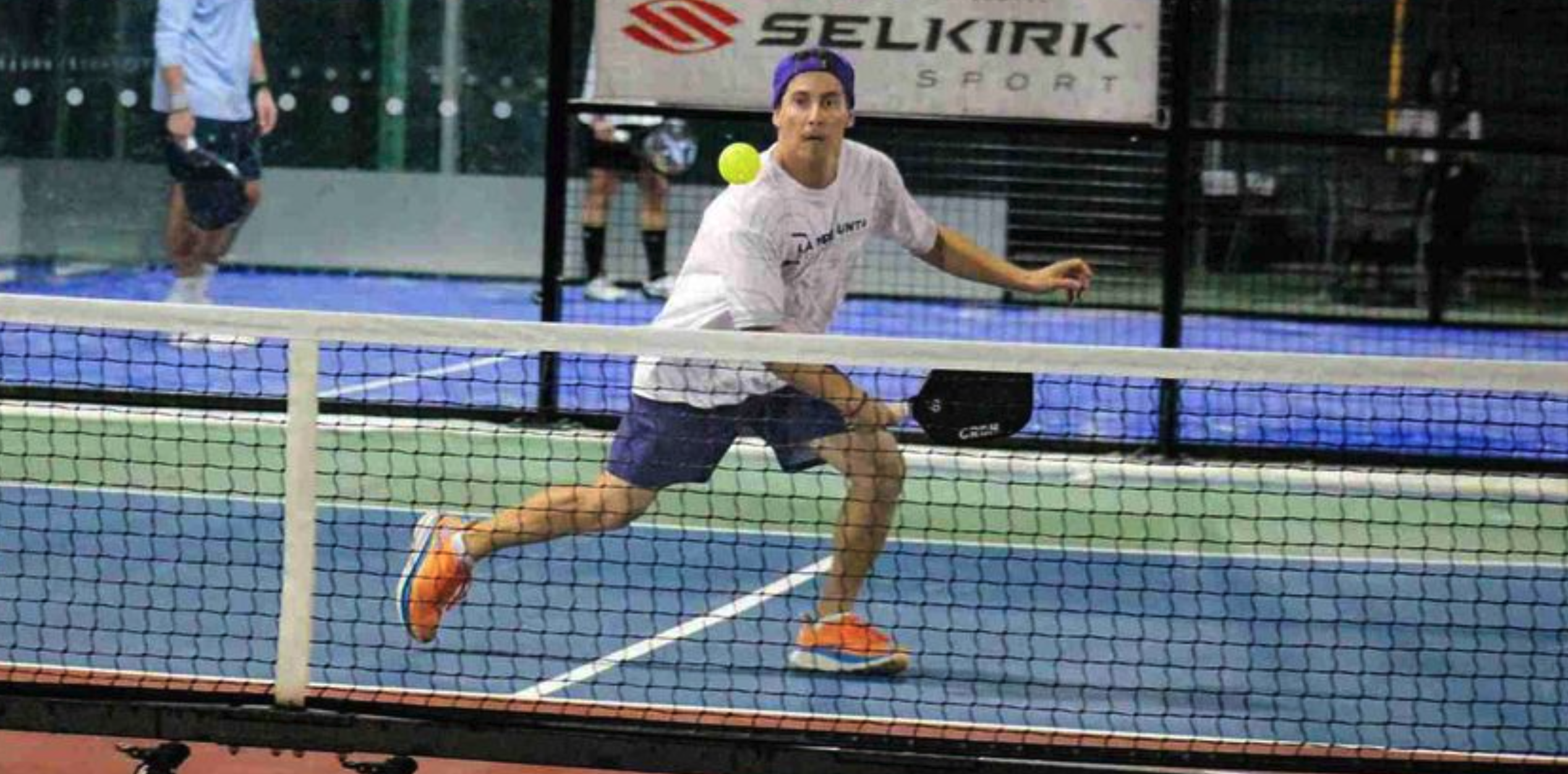
Successful drop roll execution begins with proper footwork and body positioning. Rives emphasizes the importance of getting behind the ball early, allowing time to set up with balanced footing and optimal body alignment.
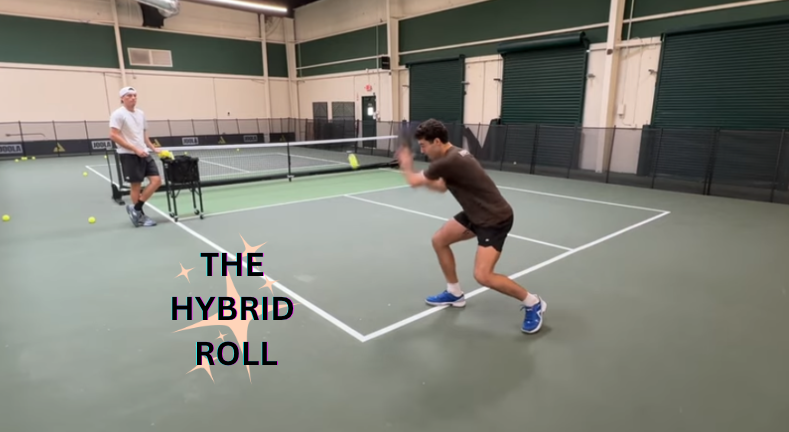
The Setup Phase
Positioning yourself perpendicular to the net with your non-dominant shoulder pointing toward your target creates the ideal foundation. This stance enables natural rotation through the shot while maintaining balance and control.
Weight transfer plays a critical role in generating consistent pace and placement. Begin with weight on your back foot, then smoothly transfer forward through contact, finishing with weight on your front foot.
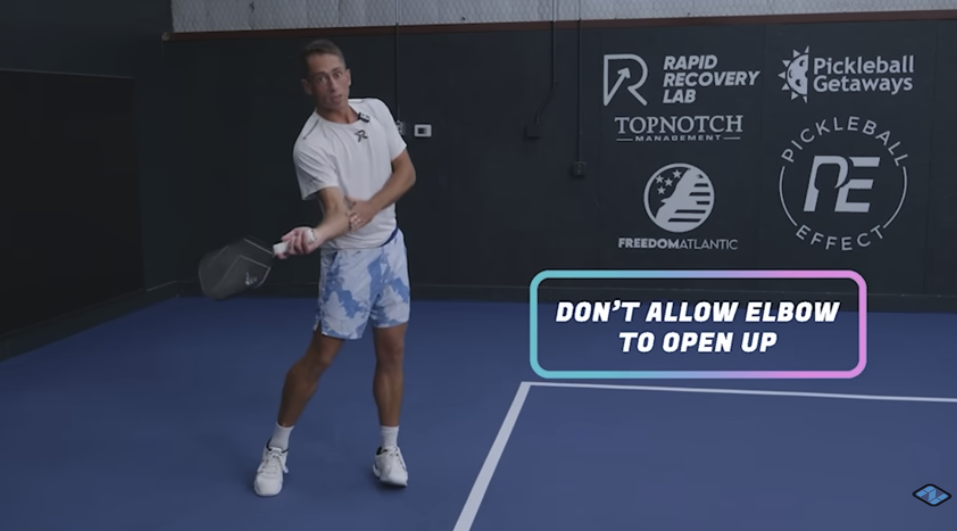
Strategic Implementation and Shot Selection
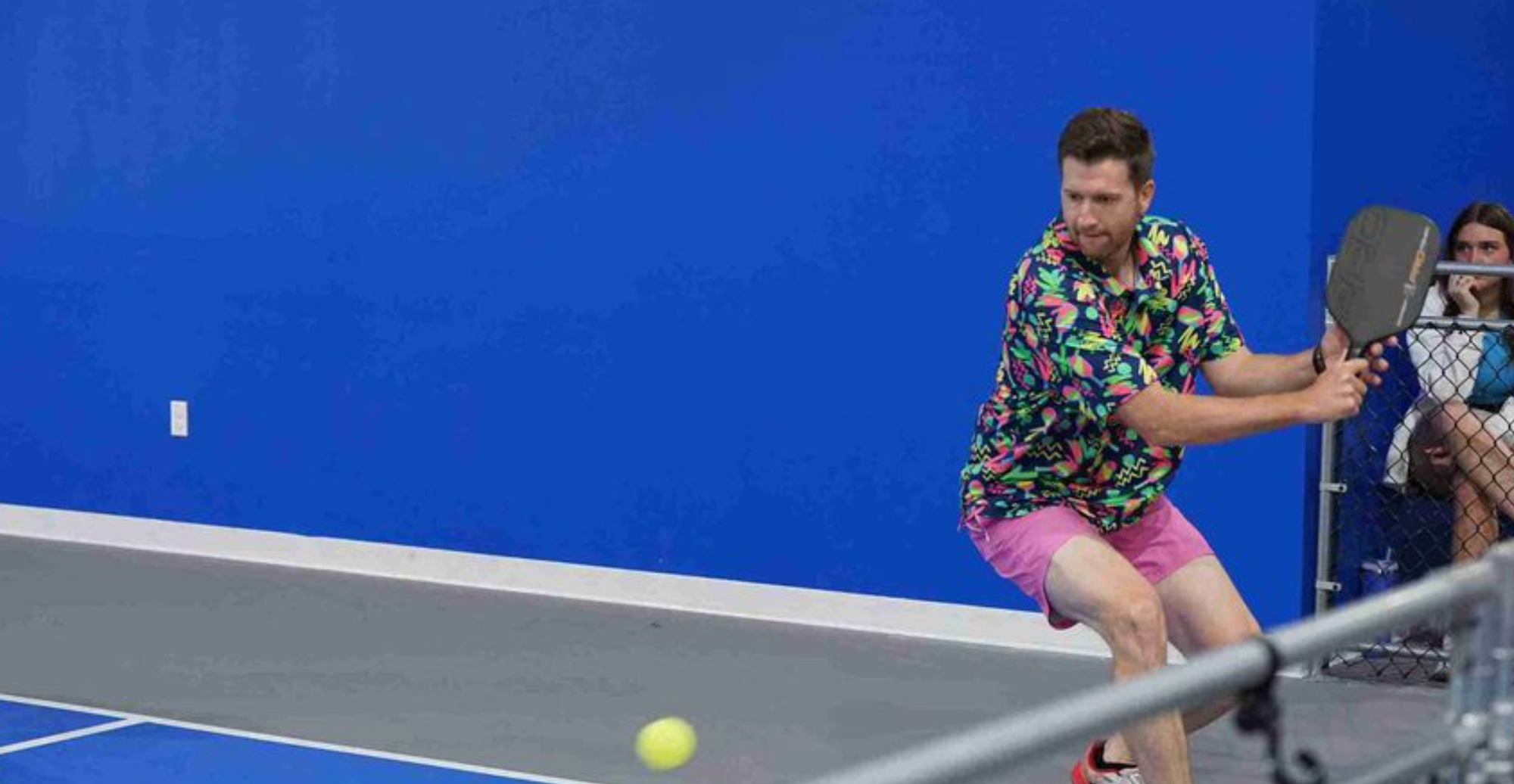
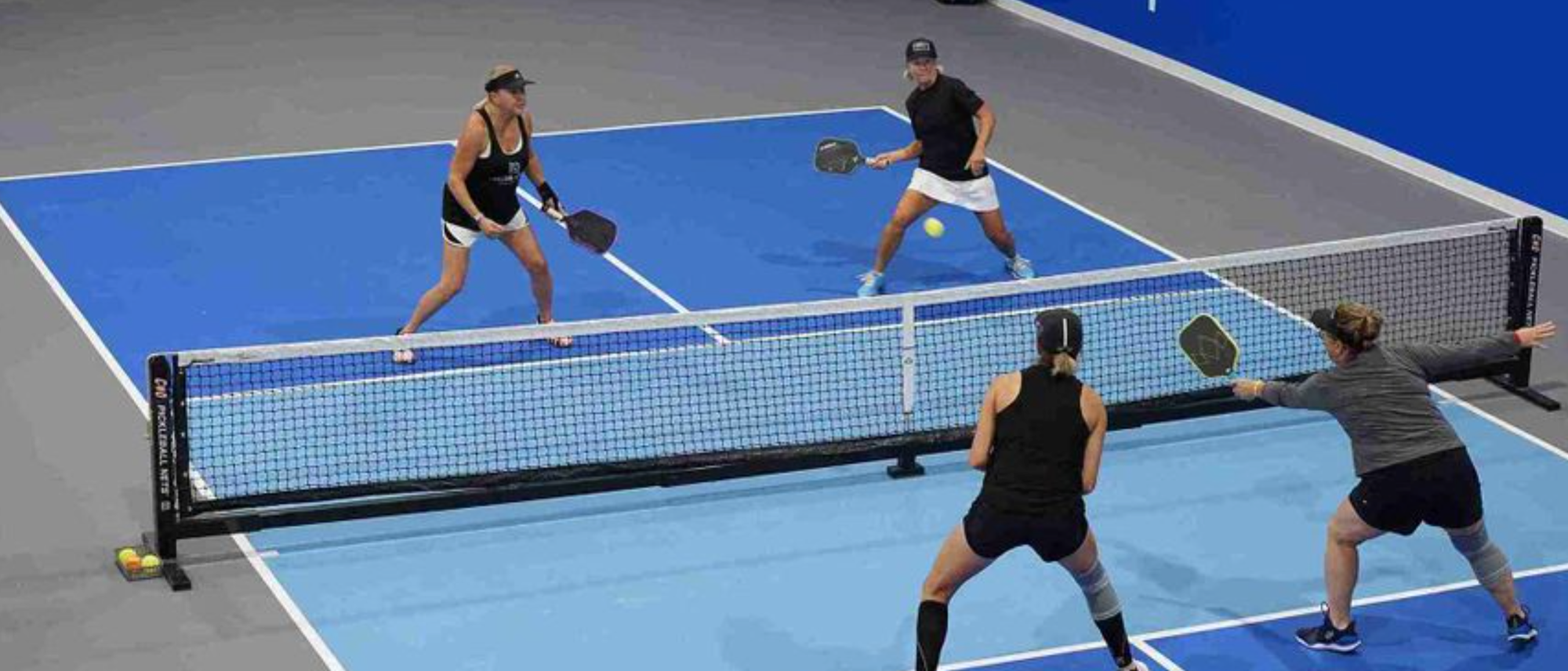
Timing and shot selection determine the drop roll's effectiveness. Rives recommends using this technique when opponents position themselves aggressively at the net, seeking to cut off standard drop shots.
The additional topspin and higher trajectory make it difficult for opponents to attack aggressively, often forcing them into defensive positions or creating opportunities for follow-up attacks.
Practice Drills for Consistency
Developing muscle memory requires structured practice. Rives suggests starting with stationary ball feeds, focusing on contact point and follow-through before progressing to live ball situations.
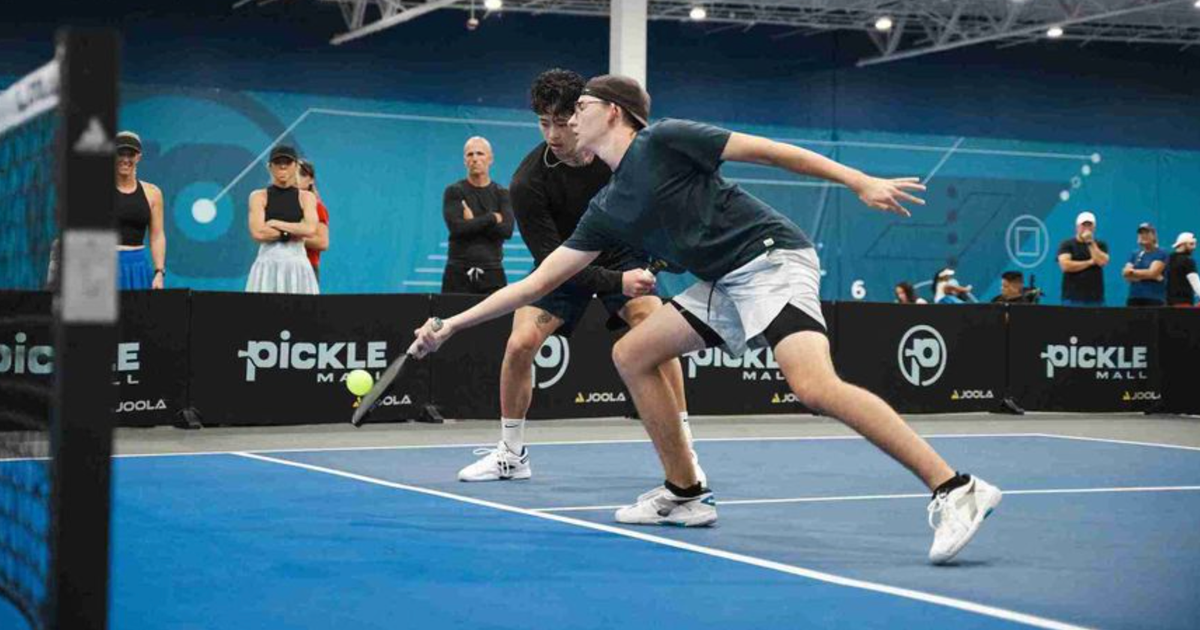
Cross-court drop roll drills help develop accuracy and consistency while simulating game-like conditions. Practice hitting to specific target zones, gradually increasing pace and precision as comfort levels improve.
Common Mistakes to Avoid
Many players struggle with over-hitting the shot, attempting to generate pace through arm strength rather than proper technique. The drop roll relies on smooth acceleration and timing, not muscular force.
Another frequent error involves incorrect paddle face angle at contact. Keeping the face too open results in balls sailing long, while closing it excessively causes shots to hit the net.
Advanced Variations and Applications
Once basic technique becomes consistent, players can explore variations including cross-court angles, down-the-line placements, and pace variations to keep opponents guessing.
The backhand drop roll presents additional challenges but offers strategic advantages in certain situations. Practice both forehand and backhand variations to maximize tactical options during matches.
FAQ
When should I use the third shot drop roll instead of a regular drop shot?
Use the drop roll when opponents are positioned aggressively at the net or when you need extra clearance over the net. The topspin makes it harder for opponents to attack and provides more margin for error.
How long does it typically take to master the third shot drop roll?
Most players need 4-6 weeks of consistent practice to develop basic proficiency. However, true mastery requires months of regular drilling and match play experience to execute consistently under pressure.
What's the biggest mistake recreational players make with this shot?
The most common error is trying to hit the shot too hard. The drop roll requires finesse and proper technique rather than power. Focus on smooth acceleration and proper contact point rather than pace.