Dominating Kitchen Exchanges with the Two-Handed Backhand Counter
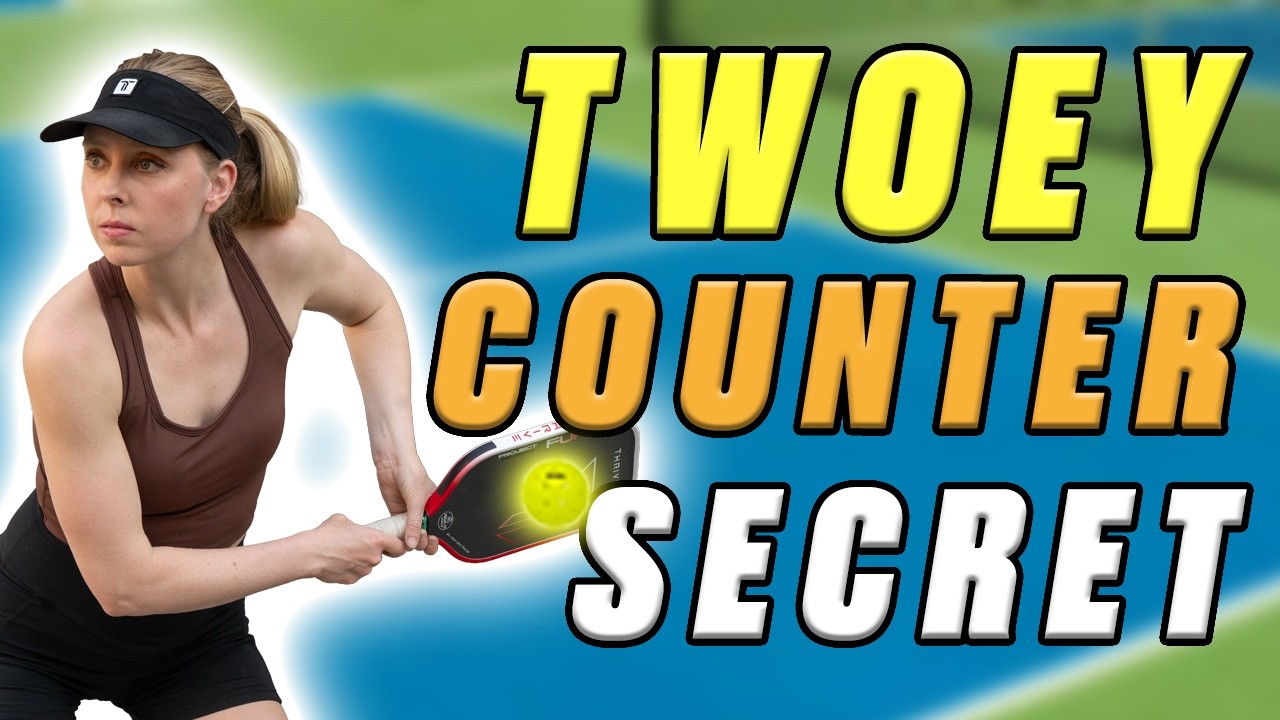
The two-handed backhand counter stands as one of pickleball's most crucial yet challenging shots. While players with tennis backgrounds may find this technique familiar, those new to racket sports often struggle to master this essential kitchen weapon. Understanding the fundamentals of this shot can dramatically improve your net game and give you a significant competitive advantage.
Why the Two-Handed Backhand Counter Matters
At the kitchen line, hand battles determine match outcomes. The two-handed backhand counter provides several key advantages over single-handed alternatives:

- Enhanced stability - Two hands create a more solid platform for aggressive exchanges
- Increased power potential - Hip rotation generates more force than arm-only swings
- Better control - Dual grip points improve paddle face management
- Improved consistency - Reduced margin for error compared to one-handed shots
The Three Pillars of Effective Two-Handed Backhand Counters
Simplicity: Keep Your Technique Clean
Many players overcomplicate the two-handed backhand, leading to inconsistent results. The most effective approach focuses on minimal moving parts. Keep your paddle preparation compact, avoiding excessive backswing that can telegraph your intentions to opponents. Your grip should remain relaxed yet firm, with both hands working together as a single unit.
The key is developing muscle memory through repetition of the basic motion. Start with slow, controlled swings focusing on clean contact rather than power. Gradually increase pace as your technique solidifies.
Balance: Your Foundation for Success
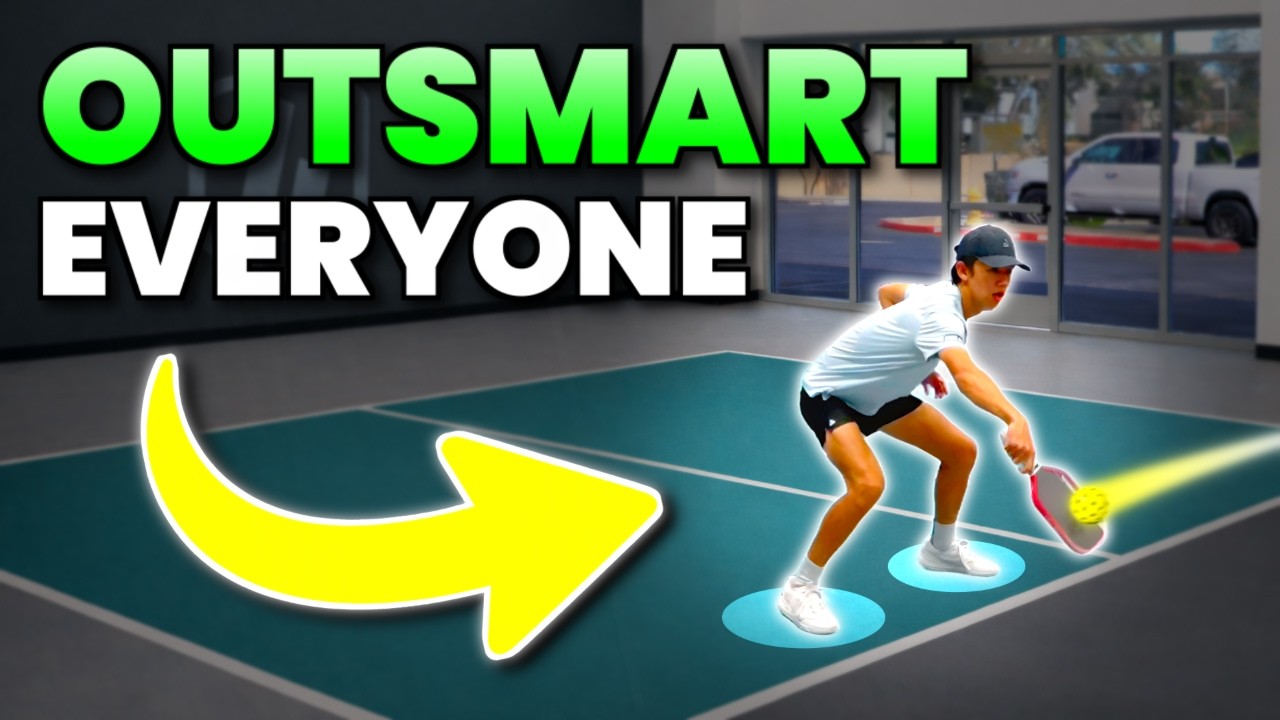
Proper balance separates good players from great ones in kitchen exchanges. Your feet should be positioned slightly wider than shoulder-width, creating a stable base that allows for quick directional changes. Weight distribution should favor your back foot initially, enabling the forward weight transfer that generates power.
Maintain a slight forward lean with your upper body, keeping your center of gravity low. This athletic position allows for rapid reactions to your opponent's shots while maintaining control throughout your swing motion.
Hip-Driven Power: The Engine of Your Counter
The most common mistake in two-handed backhand counters is relying solely on arm strength. Professional players generate power through hip rotation, creating a kinetic chain that transfers energy efficiently from the ground up.
Begin your swing with a slight hip turn away from the target, then rotate aggressively through contact. This rotation should feel natural, similar to throwing a frisbee or swinging a baseball bat. Your arms and paddle follow this hip movement, creating effortless power that doesn't compromise accuracy.
Common Technical Mistakes to Avoid
Several technical errors plague recreational players attempting the two-handed backhand counter:
Over-gripping the paddle - Tension in your hands transfers throughout your arms, reducing feel and control. Maintain a firm but relaxed grip pressure.
Standing too upright - Tall posture limits your ability to generate power and react quickly. Stay low and athletic throughout the exchange.
Hitting off your back foot - Power comes from transferring weight forward through the shot. Practice stepping into your counters when possible.
Neglecting follow-through - Complete your swing motion toward your target, maintaining paddle face control through contact and beyond.
Practice Drills for Improvement
Developing an effective two-handed backhand counter requires focused practice. Start with stationary feeding drills, having a partner feed consistent balls to your backhand side. Focus on the three pillars: simplicity, balance, and hip rotation.
Progress to live hand battles, starting at slower pace and gradually increasing intensity. Record yourself practicing to identify technical flaws that may not be obvious during play.
Wall practice can also prove beneficial. Stand facing a wall and practice your swing motion, focusing on hip rotation and follow-through without worrying about ball contact.
Frequently Asked Questions
Should I use a two-handed backhand if I have a tennis background?
While tennis players often default to one-handed backhands, the two-handed version typically provides better stability and power in pickleball's fast-paced kitchen exchanges. Consider experimenting with both techniques to determine which feels more natural and effective for your game.
How long does it take to develop a reliable two-handed backhand counter?
Most players see noticeable improvement within 2-4 weeks of focused practice, but developing true consistency requires several months of regular training. The timeline varies based on athletic background, practice frequency, and natural coordination.
Can shorter players effectively use the two-handed backhand counter?
Absolutely. The two-handed technique actually benefits shorter players by maximizing leverage and power generation through hip rotation. Focus on staying low and using your entire body in the swing motion rather than trying to overpower opponents with arm strength alone.