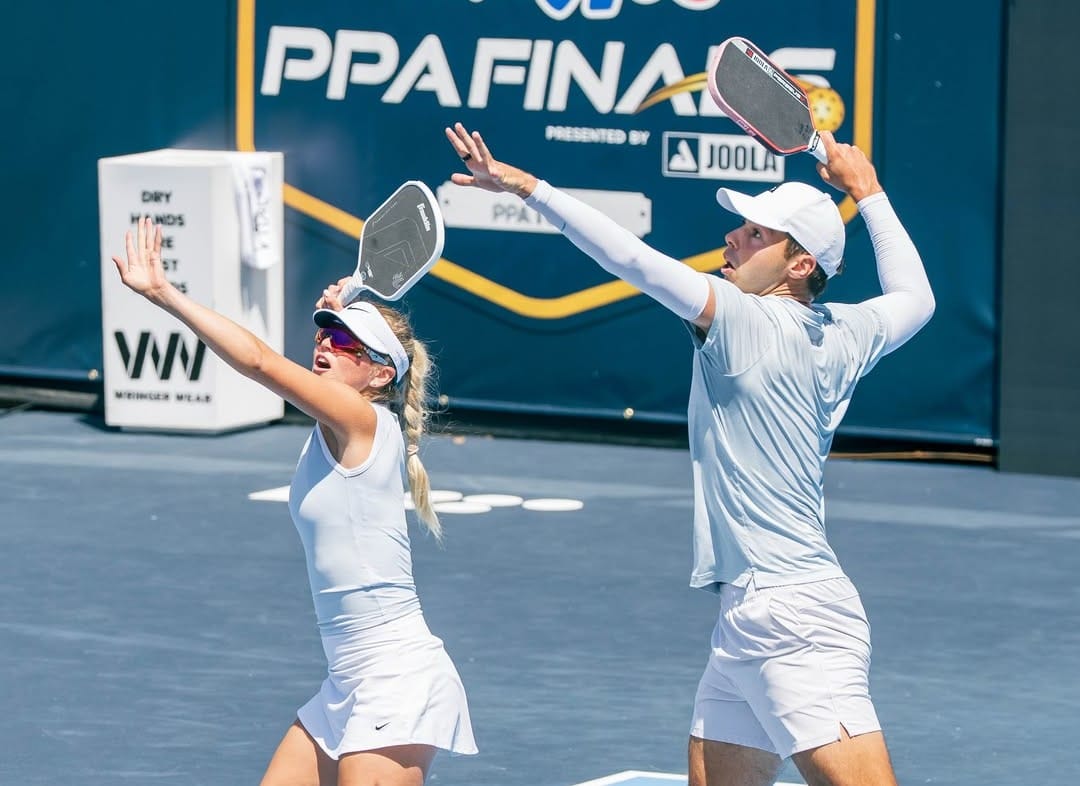
As the PPA season winds down, professional pickleball players are eagerly anticipating the shift to Major League Pickleball's team-based format. The transition promises a refreshing change of pace after months of intense individual tournament competition.
Waters and Johnson: From Rivals to Teammates
The most compelling storyline heading into the MLP season is the partnership between Anna Leigh Waters and Jorja Johnson on the New Jersey 5s. This pairing brings together two of the sport's most competitive players who have spent years facing off against each other.
"I'm really excited for MLP. I feel like we've been playing this PPA season for a long time. We've had a lot of tournaments and I'm excited for something new," Waters explained. "The MLP dynamic is very different from the PPA. It's fun to play for a team because there's so many different variables going on."
The duo previously teamed up for a tournament in Daytona, providing a glimpse of their potential chemistry. Waters noted the unique aspect of pickleball that allows fierce competitors to become partners. "It's cool in pickleball how you can play with your biggest competitors, whether it's MLP or PPA," she said.
The Appeal of Team Competition
MLP's format offers a stark contrast to the individual focus of PPA tournaments. The team structure introduces strategic elements that don't exist in traditional tournament play, including lineup decisions, team dynamics, and collective pressure situations.
Players like Kunimoto and Shimabukuro are also preparing for the unique challenges that MLP presents. The league's format requires athletes to adapt their mindset from individual achievement to collective success, adding layers of strategy and camaraderie.
Strategic Partnerships
The formation of new partnerships across MLP teams reflects the evolving landscape of professional pickleball. Unlike the PPA circuit where players often maintain consistent partnerships, MLP's draft system and team allocations create fresh dynamics each season.
These new pairings force players to quickly develop chemistry and adapt their playing styles to complement their teammates. The ability to mesh with different partners has become an essential skill for MLP success.
Preparing for a Different Game
The transition from PPA to MLP requires more than just a mental shift. The scoring system, match format, and team atmosphere all contribute to a distinctly different competitive environment.
Professional players must adjust their preparation routines to account for team meetings, strategy sessions, and the pressure of representing a franchise rather than just themselves. This collective responsibility adds an extra dimension to their performance considerations.
Building Team Chemistry
Successful MLP teams depend heavily on chemistry between players who may have limited experience playing together. The accelerated timeline for building these relationships makes the pre-season preparation crucial.
Teams are investing significant time in practice sessions and team-building activities to ensure their players can perform cohesively when competition begins. The ability to communicate effectively during matches becomes paramount in the team format.
What to Expect This Season
As players like Waters, Kunimoto, and Shimabukuro gear up for MLP competition, fans can expect to see familiar faces in new contexts. The team format often produces unexpected results as individual stars must learn to function within a collective framework.
The upcoming MLP season promises exciting storylines as established partnerships form and rivalries take on new dimensions within the team structure. The league's continued growth demonstrates the appeal of this format to both players and spectators.
Frequently Asked Questions
How does MLP format differ from PPA tournaments?
MLP uses a team-based format with multiple matches contributing to overall team scores, while PPA tournaments focus on individual or pair achievements through traditional bracket play.
Why are players excited about the transition to MLP?
Players appreciate the change of pace, team dynamics, and strategic elements that MLP offers after completing a long PPA tournament season with individual competition focus.
How do professional players adapt to new partnerships in MLP?
Players must quickly develop chemistry through intensive practice sessions and adapt their playing styles to complement teammates they may have previously competed against.