Every pickleball player has been there – standing at the edge of a court, paddle in hand, wondering if they're skilled enough to join the game. This nagging doubt, often called pickleball imposter syndrome, prevents countless players from fully embracing one of the most welcoming sports communities available today.

Understanding Pickleball Imposter Syndrome
Pickleball imposter syndrome manifests as the persistent fear that you don't belong on the court with other players. Whether you're hesitating to join a tournament, avoiding higher-level play, or feeling anxious about open play sessions, this psychological barrier can significantly limit your growth and enjoyment of the sport.
The reality is that imposter syndrome affects players at every skill level – from beginners to advanced competitors. Even seasoned players experience these feelings when moving up divisions or playing with new groups.
Why Being the 'Worst' Player Isn't Actually Bad
Contrary to popular belief, being the least experienced player in a group offers unique advantages that can accelerate your improvement:
Faster Skill Development
Playing against stronger opponents forces you to elevate your game quickly. You'll naturally adapt to faster rallies, more strategic shot placement, and improved court positioning when surrounded by better players.
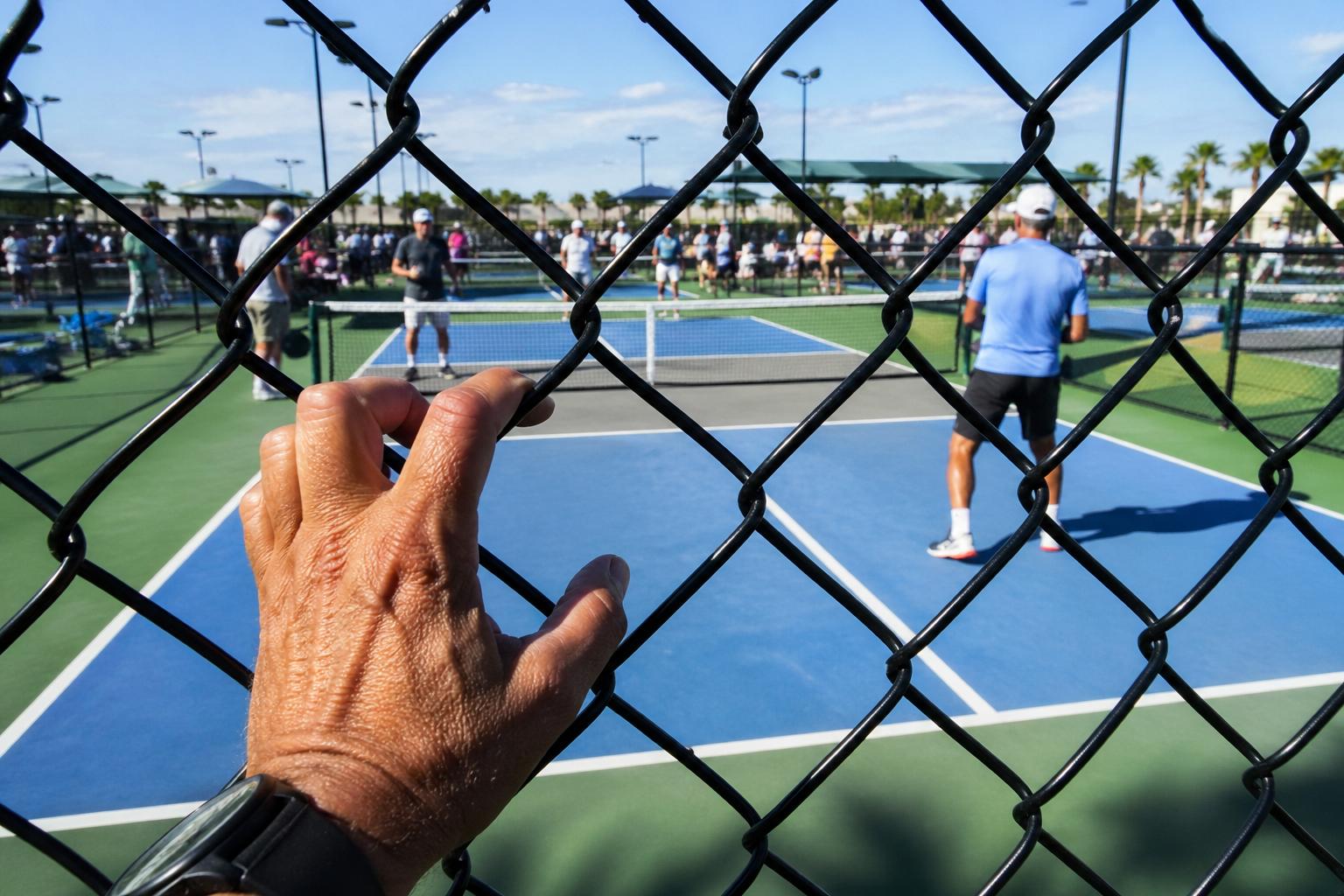
Learning Through Observation
Superior players demonstrate proper technique, strategic thinking, and court awareness in real-time. This live instruction is invaluable and often more effective than formal lessons.
Building Mental Toughness
Competing above your comfort zone develops resilience and mental fortitude that serves you well in future matches and tournaments.
Strategies to Overcome Court Anxiety
Start with Realistic Expectations
Remember that everyone was a beginner once. Most pickleball players remember their early struggles and are genuinely supportive of newcomers learning the game.
Focus on Personal Progress
Instead of comparing yourself to others, track your individual improvement. Notice when you successfully return a difficult serve or execute a drop shot you've been practicing.
Embrace the Learning Mindset
View each game as a learning opportunity rather than a performance evaluation. This perspective shift reduces pressure and allows you to enjoy the process of improvement.
The Pickleball Community Advantage
Unlike many competitive sports, pickleball has cultivated an exceptionally welcoming culture. The sport's founders emphasized fun and inclusivity, values that continue today across courts worldwide.
Most experienced players actively encourage newcomers, offer tips during games, and celebrate others' successes. This supportive environment makes pickleball an ideal sport for overcoming performance anxiety.
Practical Steps to Build Confidence
Practice Fundamental Skills
Spend time working on basic techniques like serving, dinking, and volleying. Solid fundamentals provide confidence when facing stronger opponents.
Play with Various Partners
Diversifying your playing partners exposes you to different playing styles and strategies while building your adaptability.
Join Beginner-Friendly Groups
Many clubs offer specific sessions for newer players or mixed-skill games designed to be educational rather than highly competitive.
Turning Fear into Growth
The next time you feel intimidated about joining a game, remember that every accomplished player has experienced similar doubts. Your willingness to step onto the court despite these fears demonstrates courage and commitment to improvement.
Consider that other players likely admire your dedication to learning and growing in the sport. By pushing through imposter syndrome, you're not only advancing your own skills but also contributing to the positive, inclusive culture that makes pickleball special.
Moving Forward with Confidence
Overcoming pickleball imposter syndrome requires patience with yourself and trust in the process. Each time you play, regardless of the outcome, you're building experience and contributing to your long-term development as a player.
The fear of being the weakest player on the court is natural, but it shouldn't prevent you from enjoying this fantastic sport. Embrace the learning journey, celebrate small victories, and remember that today's strongest players were once exactly where you are now.
Frequently Asked Questions
How do I know if I'm ready to play at a higher skill level?
You're ready when you can consistently execute basic shots, understand court positioning, and compete comfortably at your current level. Don't wait until you're perfect – challenging yourself is part of the growth process.
What should I do if I feel like I'm holding back my partners?
Communicate openly with your partners about your skill level and ask for feedback. Most players appreciate honesty and are happy to offer constructive advice. Focus on consistent play rather than attempting difficult shots beyond your current ability.
How can I build confidence before joining competitive play?
Practice regularly, work with an instructor if possible, and gradually increase the skill level of your opponents. Consider participating in beginner tournaments or social leagues before entering more competitive events.