Every pickleball player faces a critical choice that determines their trajectory: focus on raising their floor or pushing their ceiling. According to professional player Anna Bright, understanding this distinction separates players who become consistent competitors from those who remain unpredictable wildcards.
The concept isn't just theoretical—it's the foundation of strategic skill development that can transform your game from recreational to competitive level.
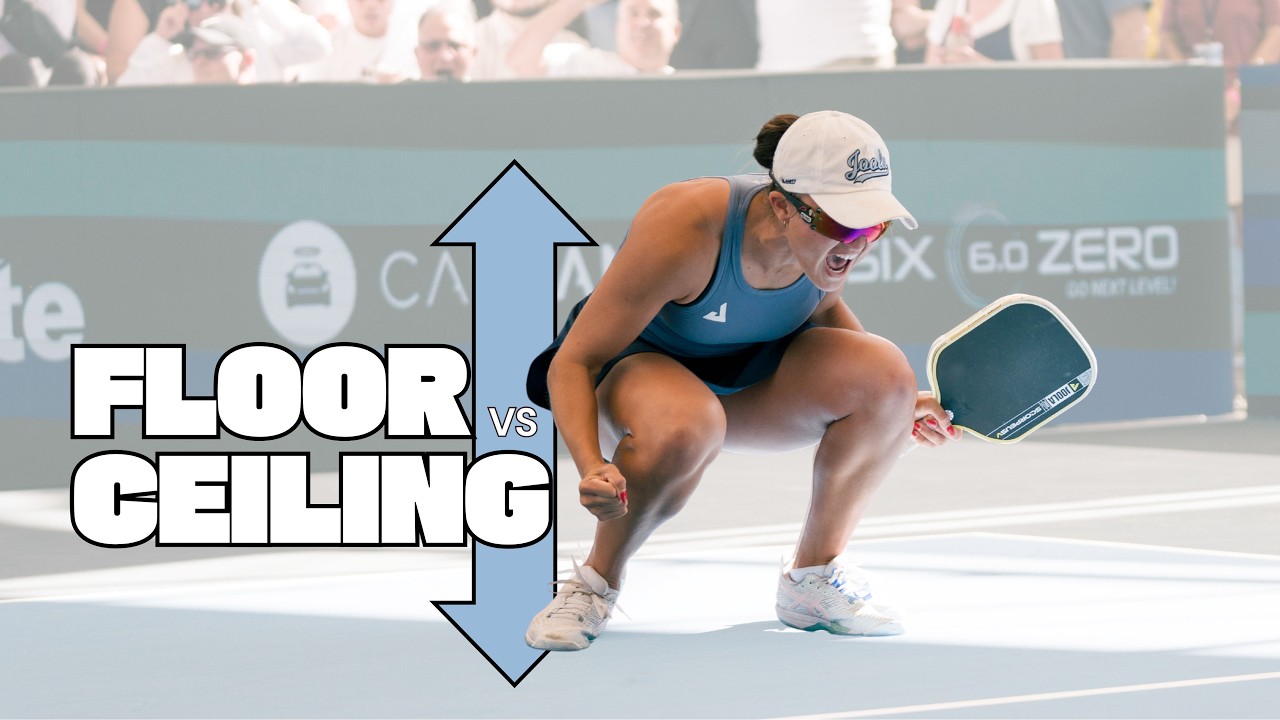
Defining Your Pickleball Floor and Ceiling
Your pickleball floor represents your worst performance on any given day. It's the baseline of skills you can reliably execute under pressure, fatigue, or challenging conditions. Your ceiling, conversely, is your peak performance—those magical moments when everything clicks and you play above your typical level.

Anna Bright emphasizes that most recreational players obsess over their ceiling moments, constantly trying to recreate those spectacular shots and brilliant rallies. However, this approach often leads to inconsistent play and frustrated partners.
Why Your Floor Matters More Than Your Ceiling
Bright's philosophy centers on a simple truth: tournaments and competitive matches aren't won by occasional brilliance—they're won by consistent execution. When you elevate your floor, you become the player others want as a partner because they know what to expect from you.

Consider two players: Player A hits amazing winners 20% of the time but makes unforced errors the other 80%. Player B consistently places balls in play with 85% accuracy but rarely hits spectacular shots. In competitive scenarios, Player B wins more matches despite having a lower ceiling.
Building Your Pickleball Floor: The Fundamentals
Raising your floor requires focusing on unglamorous but essential skills that form the backbone of consistent play.

Master Basic Shot Selection
Your floor depends on making smart decisions under pressure. This means choosing high-percentage shots over risky winners, understanding when to attack versus when to reset, and developing the discipline to play within your abilities during crucial points.
Develop Reliable Serve and Return
Every point begins with these fundamental shots. A consistent serve that lands in play 95% of the time contributes more to your floor than a powerful serve that produces aces occasionally but double faults frequently.

Focus on Court Positioning
Bright emphasizes that proper positioning prevents many problems before they occur. Players with high floors rarely find themselves scrambling because they anticipate and position themselves effectively.
When to Work on Your Ceiling
This doesn't mean completely ignoring ceiling development. Once you've established a solid floor—consistent execution of basic skills under various conditions—then ceiling work becomes valuable.
Advanced techniques, power shots, and creative strategies represent ceiling elements that can elevate your game. However, these should supplement, not replace, fundamental skill development.
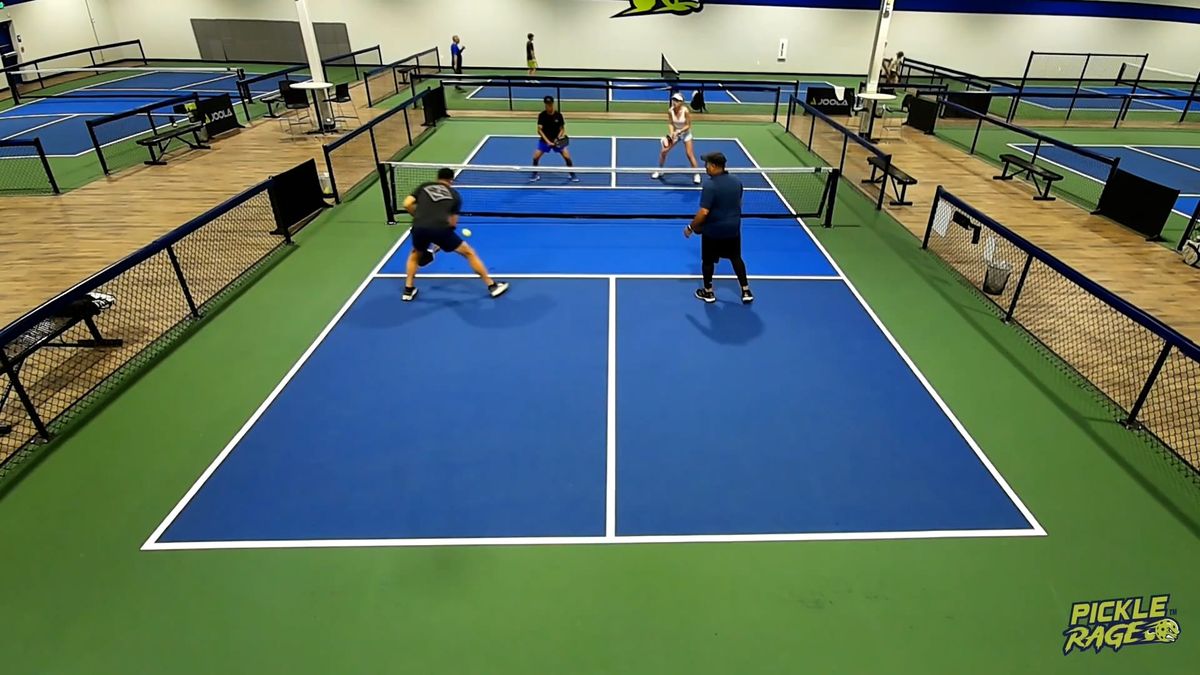
The Integration Approach
The most effective players, according to Bright, integrate ceiling skills gradually into their floor game. They master a difficult shot in practice until it becomes reliable enough to trust in competition, effectively raising their floor by expanding their consistent skill set.
Practical Application for Different Skill Levels
Beginner players should focus almost exclusively on floor development. Consistent serves, basic dinking ability, and fundamental positioning create the foundation for future advancement.
Intermediate players often struggle with this concept because they're capable of advanced shots but lack consistency. This is precisely when floor focus becomes most crucial—the difference between remaining recreational and becoming competitive.
Advanced players benefit from the integration approach, gradually incorporating ceiling elements while maintaining their reliable foundation.
Measuring Your Progress
Track your floor development by monitoring consistency metrics rather than highlight-reel moments. Count successful serves in a row, measure unforced error rates, and evaluate decision-making under pressure.
This data-driven approach provides clearer insight into actual improvement versus perceived progress based on occasional great shots.
FAQ
How do I know if I should focus on floor vs ceiling development?
If you're inconsistent, make frequent unforced errors, or teammates seem frustrated with your unpredictable play, focus on floor development. If you're steady but feel you lack offensive weapons, consider ceiling work.
Can working on advanced shots hurt my consistency?
Yes, if you attempt them in competitive situations before they're reliable. Practice advanced techniques during drilling sessions, but stick to your floor skills during matches until new shots become consistent.
How long does it take to raise your pickleball floor?
Floor development varies by individual, but most players see significant consistency improvements within 3-6 months of focused practice on fundamental skills and shot selection.