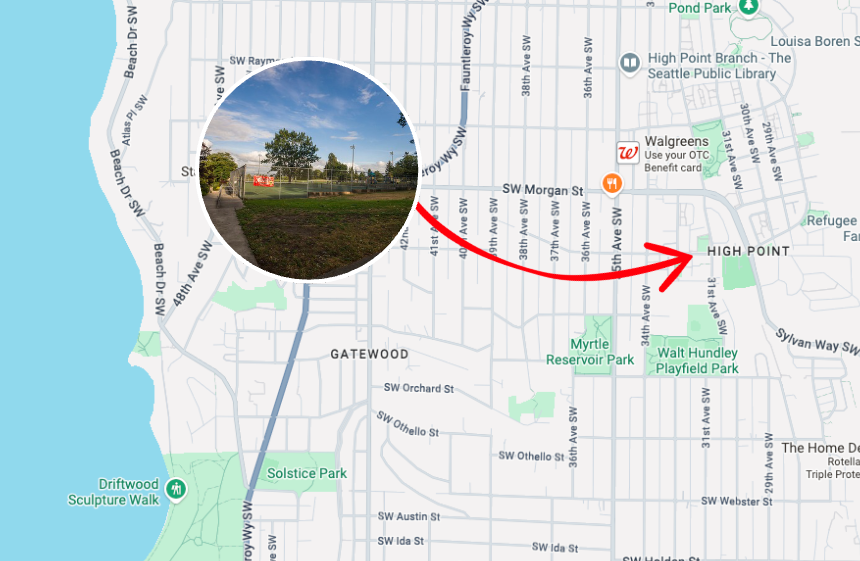
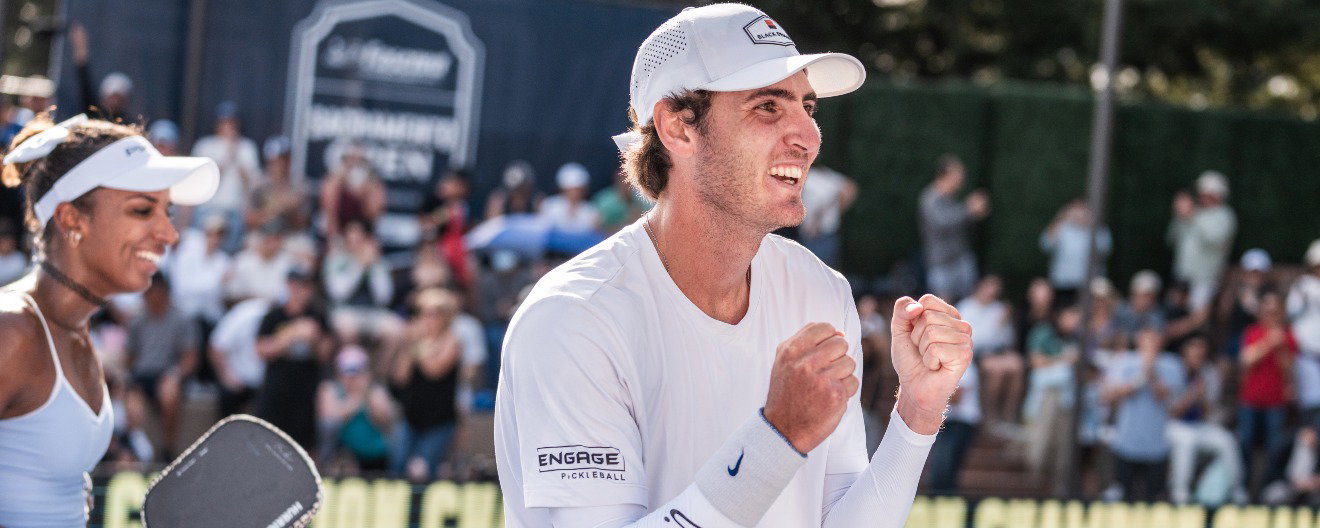
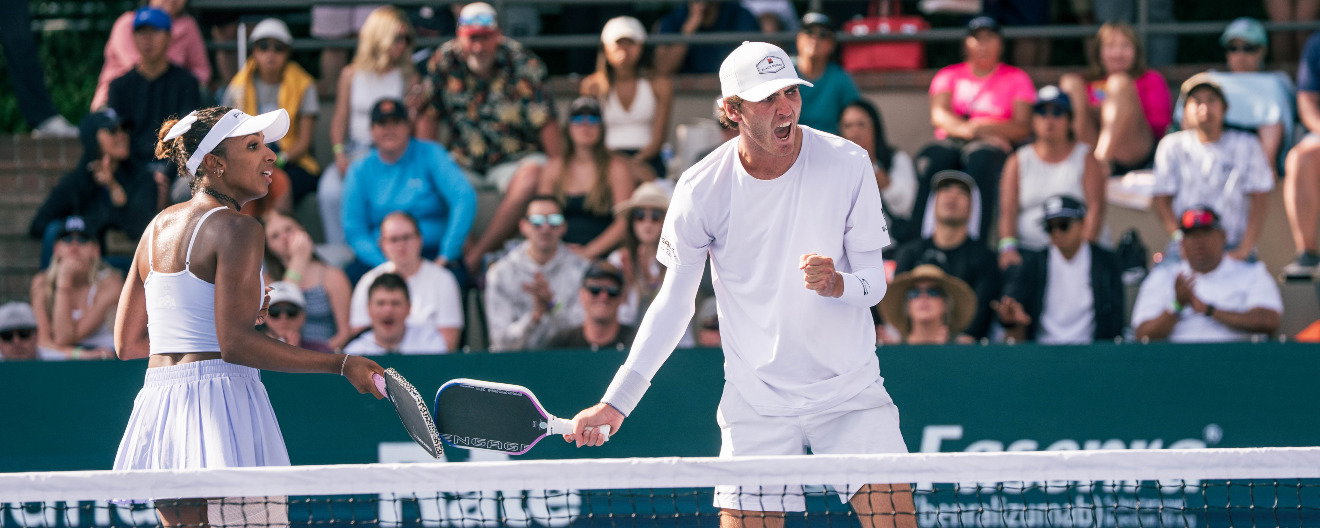
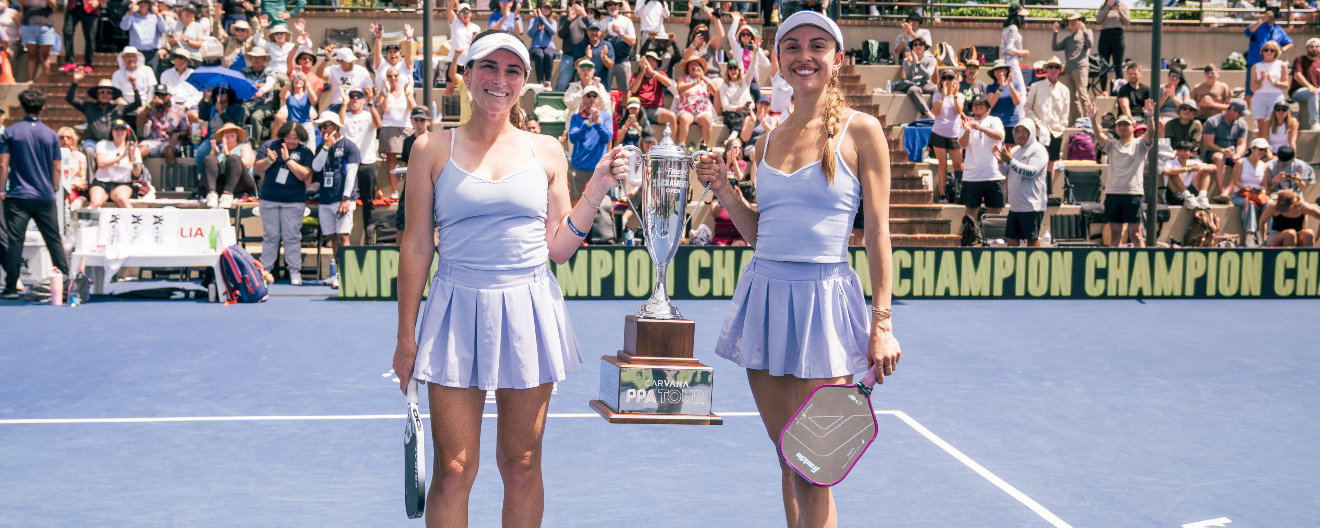
The Seattle pickleball community is facing a major setback as the city's Parks and Recreation department unveils a controversial plan that would eliminate 36 outdoor pickleball courts across the metropolitan area.
The Racquet Sport Strategy Explained
Seattle's newly proposed "Racquet Sport Strategy" aims to create clear separation between tennis and pickleball by removing shared court arrangements that have been in place since the COVID-19 pandemic. The plan would strip pickleball lines from public tennis courts, effectively reducing the total number of available pickleball courts from 92 to just 56.
This dramatic reduction would impact players across seven Seattle neighborhoods, while tennis facilities would maintain their full complement of 107 courts citywide. The proposal represents a significant shift in the city's approach to racquet sports allocation, prioritizing traditional tennis infrastructure over the rapidly growing pickleball scene.
Community Response and Growing Concerns
Local pickleball enthusiasts have expressed strong opposition to the proposed changes, arguing that the elimination of shared courts fails to acknowledge the sport's explosive growth in recent years. The shared court system was originally implemented during the pandemic to meet surging demand for pickleball facilities, and players contend that this need has only intensified.
The timing of this proposal is particularly concerning for advocates, as Seattle has previously been recognized as a leader in pickleball accessibility. The city's decision to potentially scale back facilities runs counter to national trends showing continued growth in pickleball participation across all age groups.
Impact on Seattle's Pickleball Infrastructure
The proposed court reductions would create several significant challenges for the local pickleball community:
- Reduced Access: With 36 fewer courts available, players will face increased competition for court time and potentially longer wait periods
- Geographic Limitations: The elimination of courts across seven neighborhoods will force players to travel further distances to find available facilities
- Program Disruption: Local pickleball leagues, tournaments, and instructional programs may need to significantly adjust their scheduling and capacity
Alternative Solutions Under Consideration
While the Parks and Recreation department moves forward with their current proposal, community advocates are pushing for alternative approaches that could better serve both tennis and pickleball players. These suggestions include:
Implementing time-sharing schedules that allow both sports to utilize courts during peak demand periods, rather than eliminating shared arrangements entirely. Additionally, some propose designating specific courts for each sport while maintaining a smaller number of truly shared facilities for overflow capacity.
The development of new dedicated pickleball facilities could also address capacity concerns without reducing existing court availability. This approach would require additional municipal investment but could better serve the growing player base long-term.
Looking Forward: What's Next for Seattle Pickleball
The proposed Racquet Sport Strategy is still under review, providing an opportunity for community input before final decisions are made. Pickleball advocates are organizing to present alternative proposals and demonstrate the ongoing demand for court access throughout the city.
The outcome of this debate will likely influence how other municipalities approach similar decisions regarding racquet sport facility allocation. Seattle's choice could set a precedent for cities nationwide as they balance traditional tennis infrastructure with growing pickleball demand.
For now, the pickleball community remains hopeful that city officials will reconsider the scope of the proposed reductions and work toward solutions that accommodate both sports' needs without significantly impacting player access.
Frequently Asked Questions
When would these court eliminations take effect?
The timeline for implementation has not been finalized, as the Racquet Sport Strategy is still under review by Seattle Parks and Recreation. Community input periods and final approvals will determine when any changes might occur.
Are there plans for new dedicated pickleball facilities to offset the reductions?
While community advocates have proposed new dedicated facilities, the current Racquet Sport Strategy does not include provisions for additional pickleball infrastructure. The plan focuses primarily on separating existing shared court arrangements.
How can Seattle pickleball players get involved in opposing this proposal?
Players can participate in public comment periods, attend city council meetings, and connect with local pickleball organizations to coordinate community response efforts. Staying informed about official review timelines will be crucial for effective advocacy.