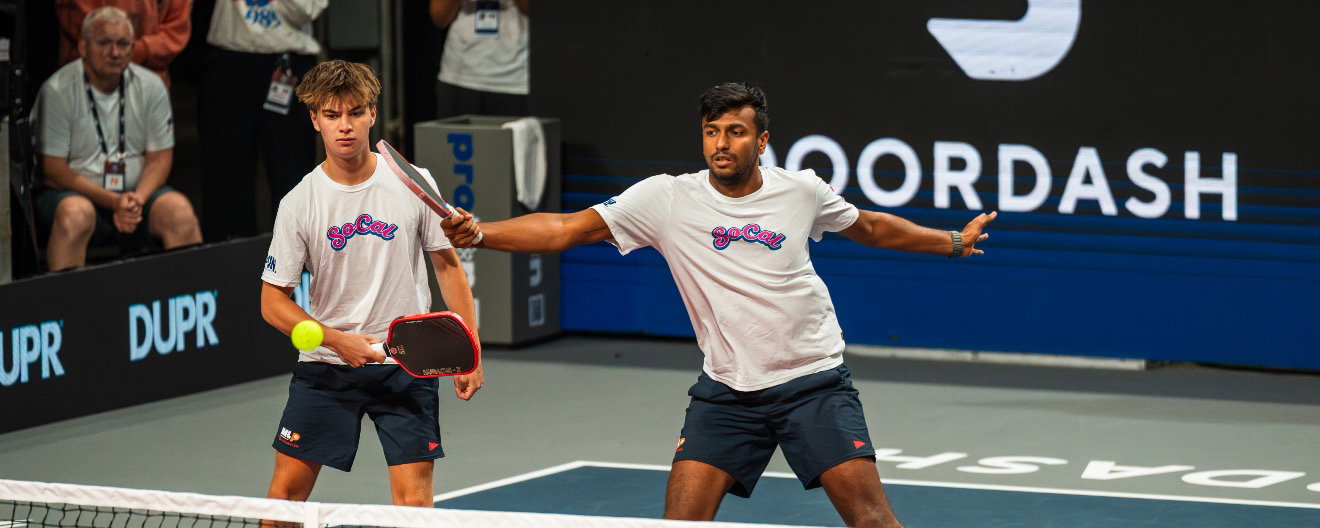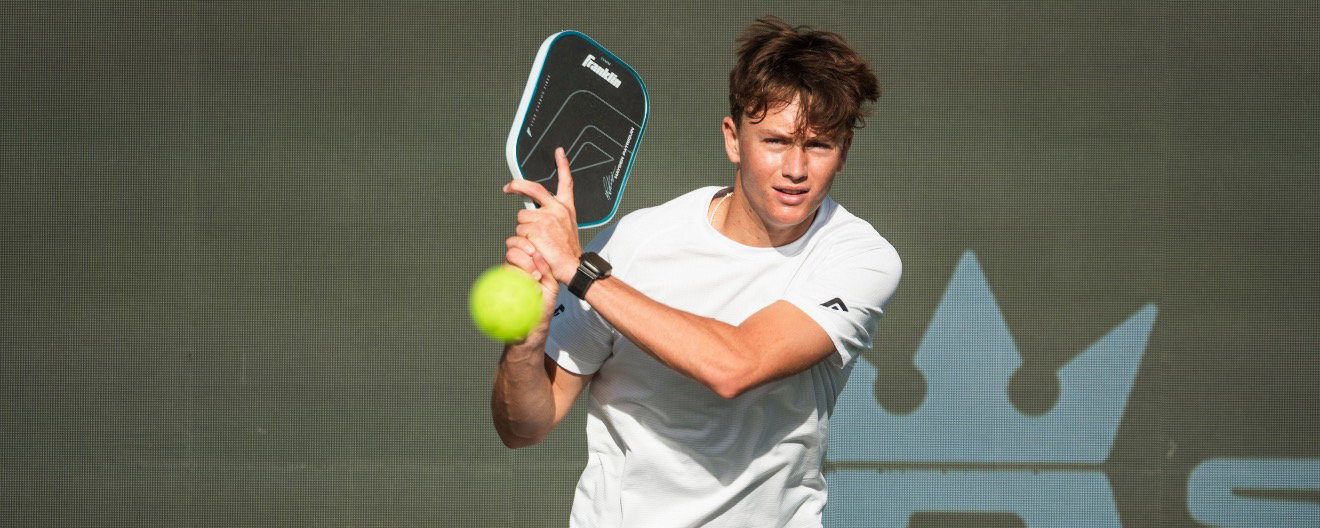
The world of professional pickleball has evolved beyond friendly neighborhood games into high-stakes competition where emotions run high and words fly as fast as the ball. Major League Pickleball (MLP) has become the epicenter of this intensity, raising questions about whether trash talk enhances or detracts from the sport's appeal.
The Case for Competitive Fire
Supporters of on-court verbal exchanges argue that passionate competition naturally leads to heated moments. Professional sports across all disciplines feature players who use psychological tactics to gain advantages, and pickleball shouldn't be different.
The energy generated by competitive banter can electrify crowds and create memorable moments that fans discuss long after matches end. These dramatic exchanges often become viral content, potentially attracting new audiences to the sport who might otherwise overlook pickleball as too tame.
Several MLP professionals believe that allowing players to express their competitive fire authentically makes for better entertainment. The raw emotion and psychological warfare add layers of strategy beyond pure athletic skill, creating storylines that engage viewers on a deeper level.
Maintaining Pickleball's Welcoming Culture
However, many within the pickleball community express concern about departing from the sport's traditionally inclusive and respectful atmosphere. Pickleball has built its reputation on being accessible to players of all ages and skill levels, with an emphasis on sportsmanship and community.
Critics worry that normalizing trash talk at the professional level could trickle down to recreational play, potentially alienating newcomers or changing the sport's fundamental character. The "pickleball family" mentality has been central to the sport's explosive growth, and some fear that aggressive behavior could damage this welcoming environment.
Finding the Right Balance
Many professionals advocate for a middle ground that allows competitive passion while maintaining boundaries. They suggest that there's a difference between celebrating victories enthusiastically and crossing lines into personal attacks or unsportsmanlike conduct.
The challenge lies in defining where acceptable competitive fire ends and inappropriate behavior begins. Different players, fans, and officials may have varying tolerance levels for what constitutes crossing the line.
Impact on Sport Development
As pickleball continues its rapid expansion into mainstream sports culture, these debates about on-court behavior become increasingly important. The decisions made now about acceptable conduct could influence the sport's trajectory for years to come.
Professional leagues must balance entertainment value with maintaining the sport's core values. The goal is attracting new fans and participants without alienating existing community members who appreciate pickleball's traditionally friendly atmosphere.
Some argue that controlled controversy and rivalry storylines could help pickleball compete with other professional sports for viewer attention and sponsorship dollars. Others contend that the sport's unique culture of inclusivity and respect is actually its greatest marketing asset.
Player Perspectives Vary
Professional players themselves hold diverse opinions on appropriate on-court behavior. Some embrace the psychological aspects of competition, viewing verbal exchanges as part of the mental game that separates elite athletes from recreational players.
Other professionals prefer focusing purely on athletic performance and technical skills, believing that excessive trash talk detracts from showcasing the sport's incredible athletic demands and strategic complexity.
The generational divide also plays a role, with younger players often more comfortable with competitive banter, while some veterans prefer maintaining traditional sportsmanship standards.
Looking Forward
As professional pickleball continues evolving, finding the right balance between competitive intensity and respectful sportsmanship remains crucial. The sport's governing bodies and league officials must establish clear guidelines that protect both the entertainment value and core values that make pickleball special.
Ultimately, the future of trash talk in professional pickleball will likely depend on fan reception, player preferences, and the sport's overall strategic direction as it seeks to establish itself among major professional sports.
Frequently Asked Questions
Does trash talk actually affect player performance in pickleball?
Psychological tactics can impact performance both positively and negatively, depending on individual players' mental resilience and ability to channel emotions into improved focus and intensity.
Will allowing trash talk in professional play change recreational pickleball culture?
While professional behavior can influence amateur play, most recreational pickleball communities have strong established norms around sportsmanship that are likely to persist regardless of professional league policies.
How do other racquet sports handle competitive verbal exchanges?
Tennis maintains strict codes of conduct with penalties for unsportsmanlike behavior, while sports like tennis generally discourage on-court confrontations, though enforcement and tolerance levels vary across different professional tours.