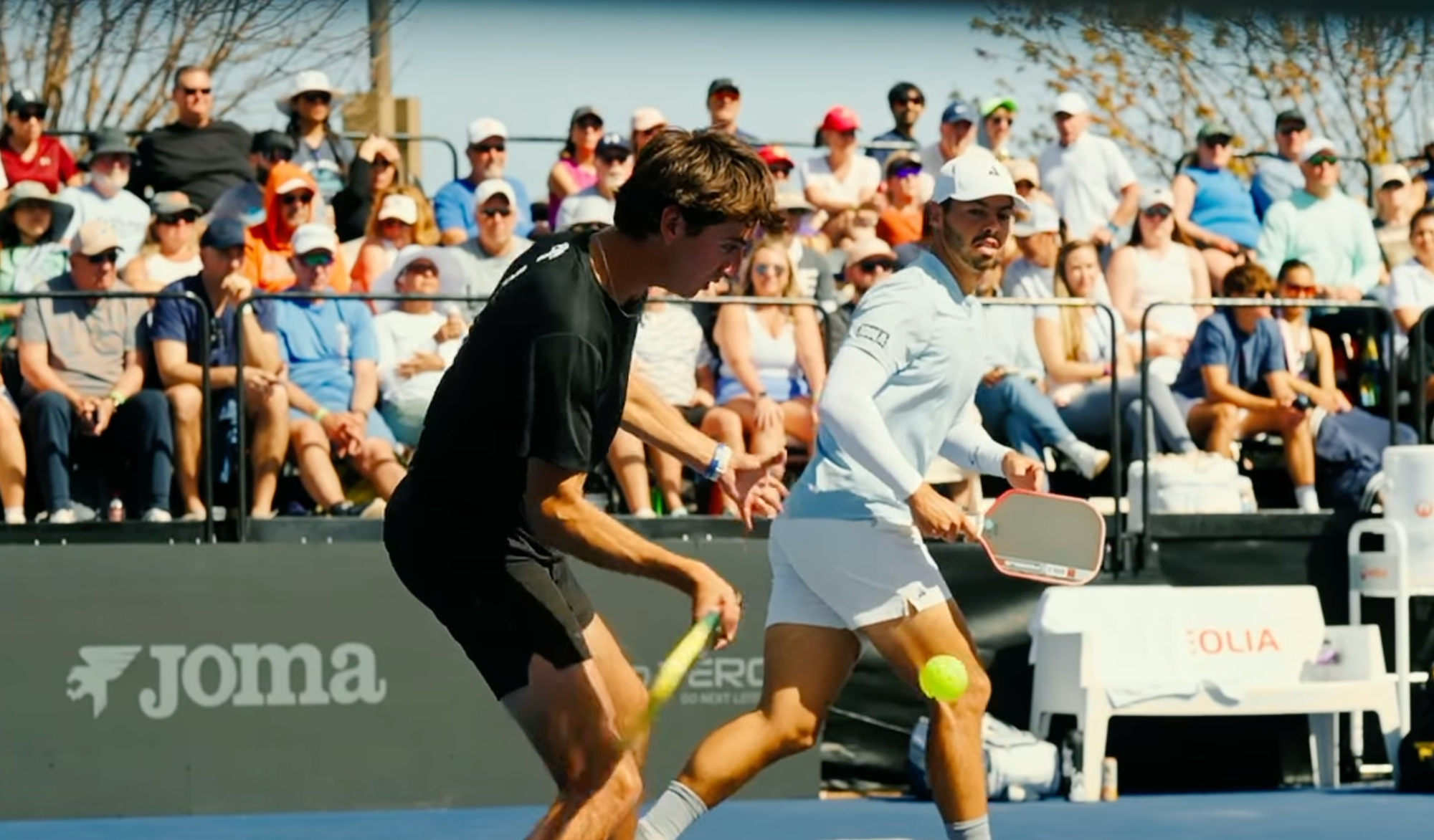
Pickleball SECRETS: 5.0 Pro's Tips Transform Any Player
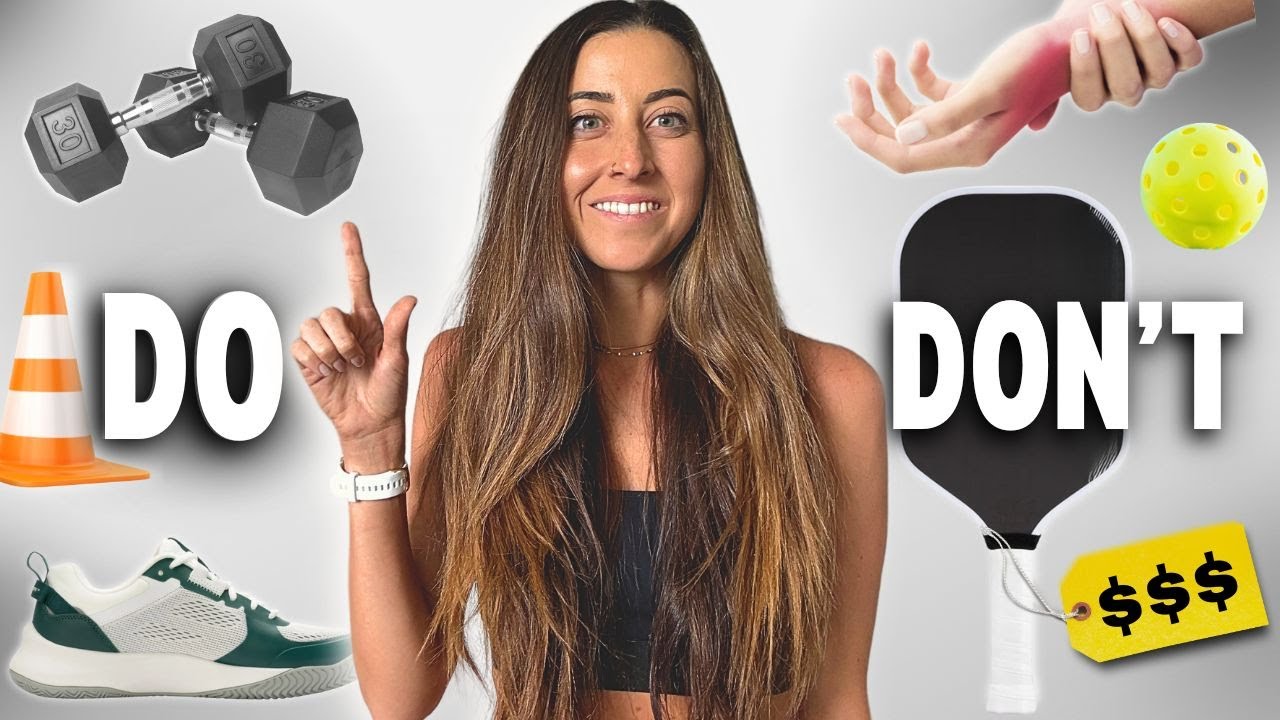
Every pickleball player dreams of unlocking the secrets that separate recreational players from elite competitors. What if you could skip years of trial and error by learning from someone who's already mastered the game at the highest level?
A seasoned 5.0-level player recently revealed ten game-changing pickleball tips that took years to discover through countless hours of competitive play. With pickleball's explosive growth reaching over 36 million players in 2024, these professional insights are pure gold for players looking to accelerate their improvement.
Master the Continental Grip for Instant Power Control
The foundation of elite pickleball performance starts with proper grip technique—yet 90% of recreational players get this wrong from day one. The continental grip, where you hold the paddle like shaking hands, is the secret weapon that 5.0 players rely on for consistency.
Most beginners instinctively use a tennis-style grip, but pickleball's lightning-fast exchanges demand a more versatile approach. The continental grip delivers:
- Lightning-quick transitions between forehand and backhand shots
- Superior control during high-pressure dinking battles
- Consistent volleys at the net without grip changes
- Reduced injury risk through proper wrist alignment
Grip pressure is equally crucial. Death-gripping your paddle creates tension that kills touch and feel—two essential elements for advanced play.
Unlock Hidden Power Through Wrist Strength Training
While recreational players obsess over expensive paddles and court shoes, wrist strength development remains the most overlooked performance factor in pickleball. Elite players understand that strong, flexible wrists are the key to controlled power and precision.
Unlike tennis power generation, pickleball technique relies heavily on precise wrist action for:
- Surgical dinking precision at the kitchen line
- Lightning-fast defensive blocks against aggressive drives
- Advanced spin generation on serves and returns
- Soft hands mastery during transition zone play
"I wasted my first two years trying to muscle every shot with my arm and shoulder. Once I developed proper wrist strength and learned to use it effectively, my control improved by 200%," reveals the 5.0 expert.
Mental Game Secrets That Crush Opponents
Advanced pickleball strategy isn't just about physical technique—it's about psychological warfare. Elite players use mental tactics that create unforced errors and pressure situations for their opponents.
The most effective mental strategies include:
Pattern Recognition and Exploitation
Professional players constantly analyze opponent weaknesses during warm-up and early points. They identify favorite shots, movement limitations, and emotional triggers that can be exploited later in crucial moments.
This tactical approach mirrors what top pros like Ben Johns use to dominate professional pickleball at the highest levels of competition.
Court Positioning Mastery
Elite positioning isn't just about standing in the right spot—it's about forcing opponents into low-percentage shots through strategic court coverage. Advanced players use subtle positioning shifts to create openings and control rally tempo.
Learning from professional techniques that eliminate common errors can accelerate your understanding of proper court positioning and shot selection.
The Third Shot Drop Revolution
The third shot drop separates intermediate players from advanced competitors more than any other single skill. This crucial transition shot allows serving teams to advance to the net and establish offensive positioning.
Perfect execution requires:
- Consistent arc height to clear the net with margin
- Soft landing in the opponent's kitchen area
- Neutral pace that prevents aggressive returns
- Strategic placement to create movement and openings
Advanced Dinking Warfare Tactics
Recreational players view dinking as boring, but elite competitors understand it's the most strategic aspect of pickleball. Dinking mastery involves patience, precision, and psychological pressure application.
Championship-level dinking incorporates:
Height Variation
Mixing low skimming shots with higher arcing dinks creates rhythm disruption and forces opponent adjustment errors.
Pace Changes
Subtle speed variations—from dead-soft drops to firm pushes—keep opponents guessing and create attack opportunities.
Master these concepts by studying comprehensive dinking techniques that top players use in competitive situations.
Serve Strategy That Dominates from Point One
Most recreational players treat the pickleball serve as a simple way to start the point, but elite competitors use serving strategy to gain immediate tactical advantages.
Advanced serving tactics include:
- Deep placement to pin opponents behind the baseline
- Wide angles that create difficult return positions
- Spin variation to disrupt opponent timing
- Power modulation to force rushed returns
Equipment Optimization for Peak Performance
While skill trumps equipment, elite players understand that proper gear selection can provide crucial performance edges. Pickleball paddle selection should match your playing style and skill development goals.
Key equipment considerations:
Weight Distribution
Head-heavy paddles provide more power but less control, while head-light options offer superior maneuverability for quick exchanges.
Surface Technology
Modern paddle surfaces affect spin generation, ball control, and shot consistency in ways that can dramatically impact game performance.
FAQ: Elite Pickleball Training Insights
How long does it take to reach 4.0 level in pickleball?
Most dedicated players reach 4.0 level within 12-18 months of consistent practice and competitive play. However, players with racquet sport backgrounds often progress faster, sometimes achieving 4.0 status within 6-8 months.
What's the most important skill to develop for intermediate players?
The third shot drop is universally considered the most crucial skill for intermediate advancement. This shot enables proper court positioning and offensive opportunities that separate recreational from competitive players.
How often should I practice to see significant improvement?
Elite players recommend minimum 3-4 practice sessions per week, combining drill work, competitive play, and physical conditioning. Quality focused practice trumps quantity—two hours of structured training beats four hours of casual play.
Transform your pickleball game by implementing these professional strategies systematically. Start with grip and wrist strength fundamentals, then gradually incorporate advanced tactics as your skill level improves. Remember, even elite 5.0 players continue refining these fundamentals—mastery is a journey, not a destination.