While perfecting your dink game and third shot drop is crucial, the mental aspect of competitive pickleball often determines who wins and who goes home empty-handed. The difference between players who consistently perform and those who crumble under pressure isn't always technical skill—it's mental fortitude.
Elite pickleball players understand that matches are won between the ears just as much as they are at the kitchen line. When the score is tight and the stakes are high, your mental game becomes your most valuable asset.
Understanding Pressure in Competitive Pickleball
Pressure manifests differently for every player. Some feel it during crucial points, others when facing higher-ranked opponents, and many experience it when leading a match they "should" win. Recognizing your personal pressure triggers is the first step toward managing them effectively.
Physical symptoms of pressure include increased heart rate, shallow breathing, tight muscles, and sweaty palms. Mental symptoms range from racing thoughts to complete mental blanks. Both can devastate your performance if left unchecked.
Breathing Techniques That Actually Work
Controlled breathing is your most accessible tool for managing pressure. Professional players use specific breathing patterns to regulate their nervous system and maintain composure during critical moments.
The 4-7-8 technique works exceptionally well between points: inhale for 4 counts, hold for 7, exhale for 8. This activates your parasympathetic nervous system, naturally calming your body's stress response.
Box breathing offers another reliable option: equal counts for inhaling, holding, exhaling, and holding again. Many players use a 4-4-4-4 pattern during timeouts or between games.
Implementing Breathing During Play
Practice these techniques during recreational play first. When they become automatic, you'll naturally use them during competitive situations without conscious effort.
Developing Mental Reset Strategies
Mistakes are inevitable in pickleball. The players who succeed aren't those who never err—they're the ones who recover quickly from errors and prevent one bad shot from becoming three.
Create a physical reset routine you perform after every mistake. This might involve adjusting your grip, touching your paddle to your non-paddle hand, or taking a specific number of steps. The routine signals to your brain that the previous point is finished and you're ready for the next one.
The Power of Positive Self-Talk
Replace negative internal dialogue with constructive alternatives. Instead of "I can't believe I missed that easy shot," try "Next point, I'll watch the ball all the way to my paddle." This shift from criticism to instruction keeps your mind focused on solutions rather than problems.
Building Unshakeable Focus
Focus isn't about concentration intensity—it's about directing your attention to the right things at the right time. Elite players focus on process rather than outcome, controlling what they can control rather than worrying about results.
Develop pre-point routines that ground you in the present moment. This might involve visualizing your serve placement, checking your ready position, or simply taking one deep breath. Consistency in your routine creates consistency in your mindset.
Managing Distractions
External distractions—crowd noise, weather conditions, or opponent behavior—are part of competitive play. Instead of fighting these distractions, acknowledge them and return your attention to your process. Fighting distractions often amplifies them.
Visualization and Mental Rehearsal
Mental practice is as valuable as physical practice. Spend time visualizing yourself playing confidently under pressure, executing shots successfully, and handling difficult situations with composure.
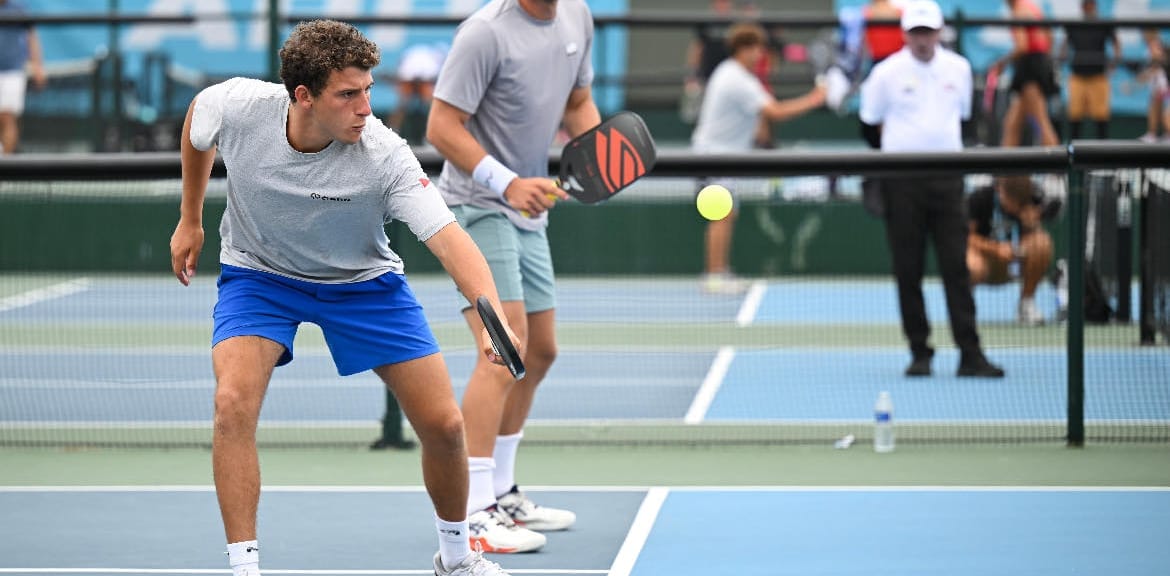
Visualize specific scenarios you're likely to encounter: serving at match point, playing from behind, or facing a challenging opponent. Mental rehearsal prepares your mind for these situations before they occur in real matches.
Building Long-Term Mental Toughness
Mental toughness develops through consistent practice and gradual exposure to pressure situations. Seek out competitive opportunities that challenge your mental game, not just your technical skills.
Keep a mental game journal, noting what mental strategies work for you and which situations challenge you most. This awareness accelerates your mental development and helps you prepare for future competitions.
FAQ
How long does it take to develop mental toughness in pickleball?
Mental toughness develops gradually over months and years of consistent practice and competition. Most players notice improvements within 4-6 weeks of implementing specific mental strategies, but mastery requires ongoing development and refinement.
Can mental training help recreational players, or is it only for serious competitors?
Mental training benefits players at all levels. Recreational players often find they enjoy the game more and feel less frustrated when they develop basic mental skills like error recovery and focus techniques.
What's the most important mental skill for pickleball players to develop first?
Learning to reset after mistakes is typically the most impactful starting point. This single skill prevents errors from compounding and helps maintain confidence throughout matches.