The pickleball equipment market is experiencing a surge in counterfeit paddles, particularly on platforms like AliExpress and Temu. While these knockoff versions may appear nearly identical to premium models at first glance, comprehensive testing reveals significant performance disparities that extend far beyond price point.
Recent investigations by equipment analysts have exposed the stark reality of fake paddle performance, demonstrating why these seemingly attractive bargains often end up costing players more than they save.
The Counterfeit Paddle Problem
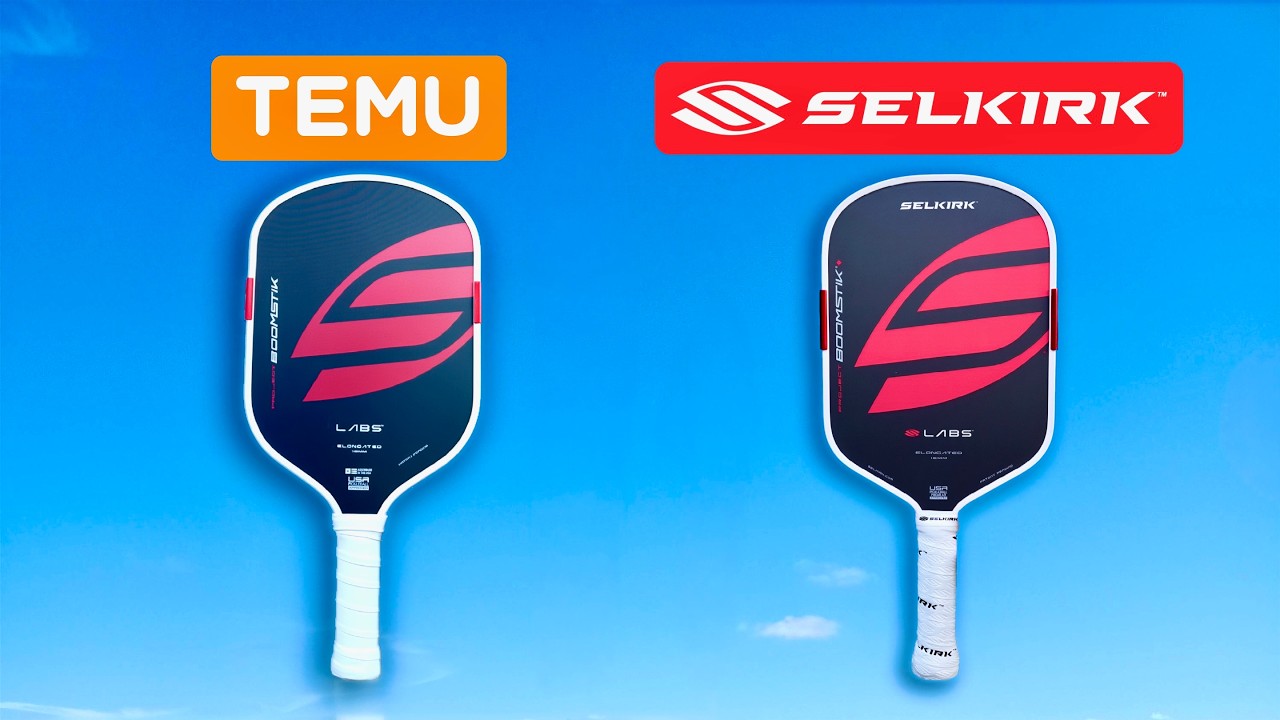
Online marketplaces have become flooded with replica versions of popular pickleball paddles, often selling for 50-70% less than authentic models. These counterfeits typically feature convincing branding, similar aesthetics, and marketing claims that mirror legitimate products.
However, beneath the surface-level similarities lie fundamental differences in materials, construction quality, and performance characteristics that can significantly impact gameplay.
Testing Methodology and Results
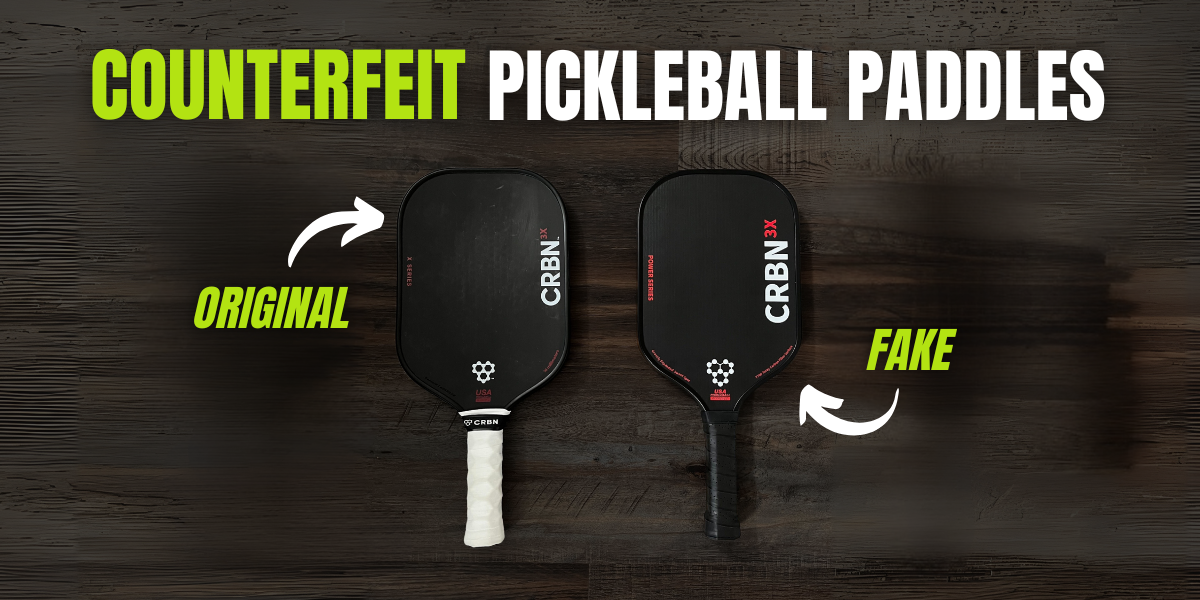
Professional testing conducted on several popular paddle models and their counterfeit versions revealed consistent patterns of inferior performance across multiple metrics:
Construction Quality Differences

Authentic paddles demonstrated superior build quality with consistent weight distribution, proper edge guard installation, and durable surface materials. Counterfeit versions showed notable defects including:
- Uneven weight distribution affecting balance
- Poor edge guard adhesion leading to premature failure
- Inconsistent surface texture impacting ball control
- Substandard grip materials prone to slipping
Performance Metrics
Laboratory testing revealed significant performance gaps between authentic and counterfeit paddles. Real paddles consistently delivered more predictable ball response, better spin generation, and improved control during gameplay scenarios.
Counterfeit versions often exhibited dead spots on the paddle face, inconsistent bounce characteristics, and reduced durability under standard play conditions.
Material Analysis Findings
Detailed material analysis uncovered substantial differences in core construction and face materials. Authentic paddles utilized high-quality polymer honeycomb cores and premium composite facing materials, while counterfeits employed cheaper alternatives that compromised performance.
The inferior materials used in fake paddles resulted in reduced power transfer, inconsistent feel, and shorter lifespan compared to legitimate products.
Legal and Safety Considerations
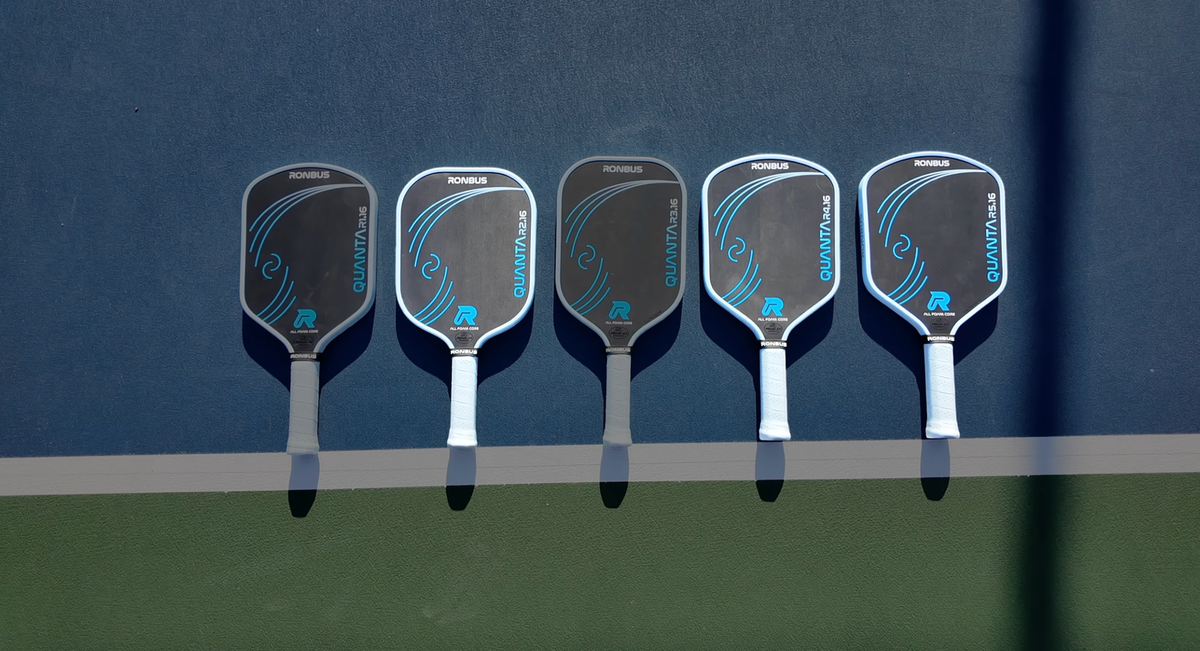
Beyond performance issues, counterfeit paddles present legal and safety concerns. Many fake paddles fail to meet USA Pickleball equipment standards, making them illegal for tournament play. Additionally, substandard construction can pose safety risks during gameplay.
Players investing in counterfeit equipment may find themselves unable to participate in official events or facing equipment failure during critical moments.
Identifying Counterfeit Paddles
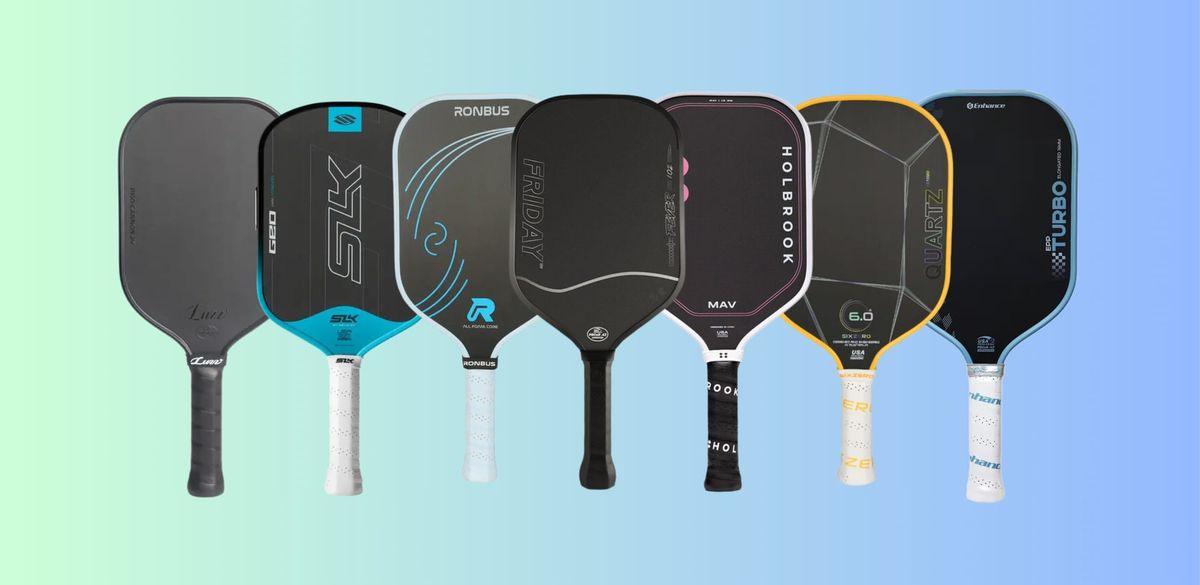
Several red flags can help players identify potentially counterfeit paddles:
- Significantly below-market pricing
- Unclear or missing USA Pickleball approval markings
- Poor quality product images or descriptions
- Unfamiliar seller locations or limited seller history
- Missing manufacturer warranties or support
Making Informed Equipment Decisions
While the initial cost savings of counterfeit paddles may seem attractive, the testing results clearly demonstrate that authentic equipment provides superior performance, durability, and value over time.
Players serious about improving their game should invest in legitimate equipment from authorized dealers, ensuring they receive genuine products backed by manufacturer warranties and support.
The performance differences revealed through comprehensive testing underscore why professional players and serious enthusiasts consistently choose authentic equipment despite the higher upfront cost.
Frequently Asked Questions
How can I verify if my paddle is authentic?
Check for official USA Pickleball approval markings, purchase from authorized dealers, and verify serial numbers with manufacturers when possible. Authentic paddles typically include comprehensive warranty information and quality packaging.
Do counterfeit paddles perform significantly worse than real ones?
Yes, testing consistently shows counterfeit paddles perform poorly compared to authentic versions. Fake paddles often exhibit inconsistent bounce, reduced control, poor durability, and construction defects that negatively impact gameplay.
Are counterfeit paddles legal for tournament play?
No, counterfeit paddles typically fail to meet USA Pickleball equipment standards and are not approved for official tournament play. Using non-approved equipment can result in disqualification from competitive events.