The dink shot in pickleball isn't just about keeping the ball low and in play—it's a strategic weapon that elite players use to control every rally. While recreational players treat dinking as a defensive necessity, top-tier competitors understand it's the foundation of offensive pickleball strategy.
These three habits separate elite dinkers from the rest of the field, transforming what most consider a passive shot into an aggressive game-changer.
Habit #1: Purposeful Placement Over Power
Elite dinkers never hit a dink without intention. Every shot serves a specific purpose, whether it's moving their opponent, creating an angle, or setting up the next attack.
The Cross-Court Foundation
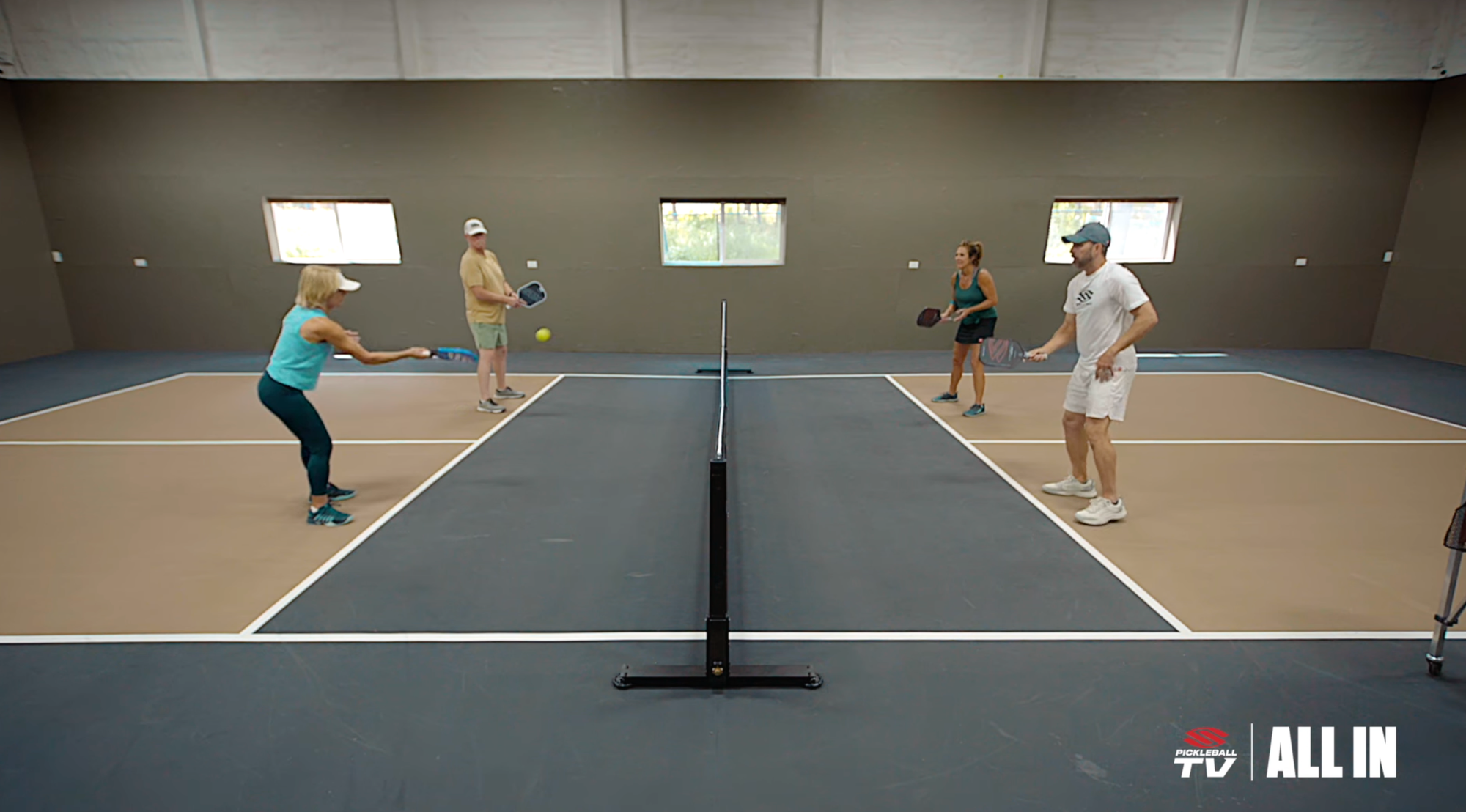
Professional players establish cross-court dinking patterns early in rallies. This isn't random—cross-court dinks provide the highest margin for error while maintaining offensive pressure. The longer distance and lower net height reduce unforced errors while keeping opponents stretched wide.
Strategic Positioning
Top players use dinking to manipulate court positioning. They'll deliberately target their opponent's backhand, force them into awkward positions, or create space for future attacking opportunities. Each dink builds toward a specific outcome rather than simply extending the rally.
Habit #2: Consistent Contact Point and Footwork
Elite dinkers maintain remarkable consistency in their contact points and footwork patterns. This isn't just about technique—it's about creating predictable mechanics that perform under pressure.
The Golden Contact Zone
Professional players establish a consistent contact point slightly in front of their body and at knee height. This positioning provides maximum control while allowing for quick adjustments. They move their feet to achieve this optimal contact point rather than reaching or stretching for balls.
Active Recovery Steps
After each dink, elite players immediately reset their position with small, quick steps. This "active recovery" ensures they're always balanced and ready for the next shot. They never remain static after hitting a dink, understanding that court position is constantly evolving.
Habit #3: Patient Aggression and Timing Recognition
The most crucial habit separating elite dinkers is their ability to balance patience with aggression. They understand when to maintain the dinking rally and when to transition to attack mode.
Reading the Rally
Elite players constantly assess rally dynamics. They recognize when opponents are struggling with placement, timing, or court position. Instead of rushing to attack, they methodically build pressure until the perfect opportunity presents itself.
The Attack Transition
When elite dinkers identify their moment, they transition seamlessly from dinking to attacking. This might mean targeting feet with a faster dink, creating a pop-up with precise placement, or switching to a drive when opponents least expect it. The key is patience combined with explosive execution when the opportunity arises.
Implementing These Habits in Your Game
Developing these elite habits requires deliberate practice and mental discipline. Start by focusing on one habit at a time during practice sessions.
Practice Drill: Purpose-Driven Dinking
Practice cross-court dinking with specific targets. Place cones or markers in corners and practice hitting within two feet of these targets consistently. This builds the precision necessary for purposeful placement.
Footwork Integration
During dinking drills, emphasize moving your feet to achieve optimal contact points. Never reach for a dink when you can step to it. This builds the active footwork patterns elite players use instinctively.
The Mental Game of Elite Dinking
Elite dinking requires a strategic mindset shift. Instead of viewing dinks as temporary measures before "real" shots, treat each dink as a building block in your rally construction. Elite players understand that controlling the dinking phase often determines who controls the entire point.
Master these three habits, and you'll discover that dinking becomes your most powerful weapon for controlling rallies and dictating play. The difference between surviving rallies and dominating them often comes down to these fundamental elite habits.
Frequently Asked Questions
How long does it take to develop elite dinking habits?
With consistent practice focusing on these specific habits, most players see noticeable improvement within 4-6 weeks. However, developing truly elite-level consistency and court sense typically requires 6-12 months of dedicated training.
Should I practice dinking alone or always with a partner?
Both are valuable. Partner practice is essential for timing and reaction skills, but solo practice against a wall helps develop consistent contact points and footwork patterns without the pressure of keeping rallies alive.
What's the biggest mistake recreational players make when dinking?
The most common error is hitting dinks without purpose—simply getting the ball back over the net. Elite players make every dink serve a strategic function, whether positioning opponents, creating angles, or setting up attacks.