Master Pickleball Dinking: Turn Soft Shots Into Wins
The Dink: Pickleball's Most Underrated Power Move
While flashy drives and thunderous smashes grab attention, the humble dink quietly wins more pickleball matches than any other shot. This deceptively simple stroke—a soft, controlled hit that barely clears the net—separates recreational players from serious competitors.
The dink isn't about power or speed. It's about patience, precision, and strategy. Master this fundamental technique, and you'll transform from someone who simply returns balls into a player who controls rallies and creates winning opportunities.
Why Compact Swings Matter Most
The biggest mistake recreational players make is treating dinks like miniature groundstrokes. They take big backswings, hoping to generate just enough power to clear the net. This approach leads to inconsistent results and missed opportunities.
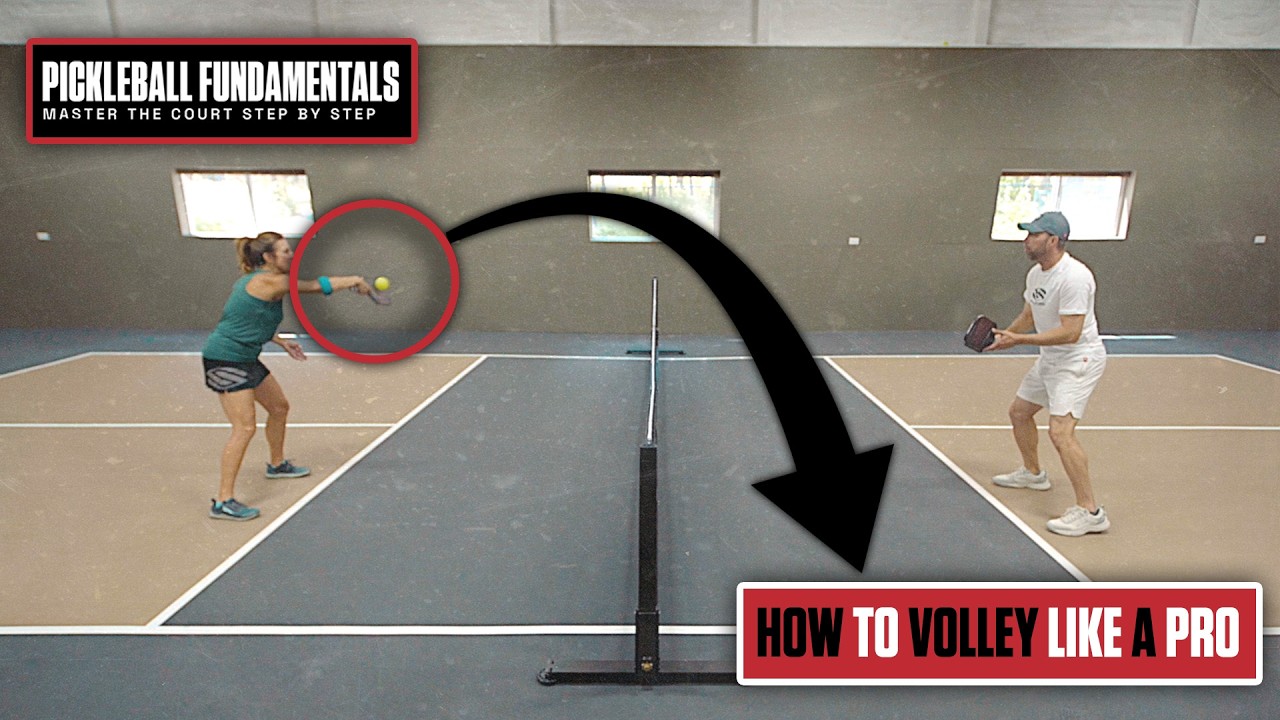
Effective dinking requires compact, controlled movements. Keep your paddle face stable and use minimal backswing—think of pushing the ball rather than hitting it. Your paddle should move in a short, forward motion with a slight upward angle to create the necessary arc over the net.
Key Technical Elements
Start with your paddle positioned in front of your body at chest height. Use your wrist and forearm for control, keeping your elbow relatively stable. The power comes from stepping into the shot, not from your arm swing. This compact motion provides consistency and allows for rapid-fire exchanges during long rallies.
Athletic Posture: Your Foundation for Success
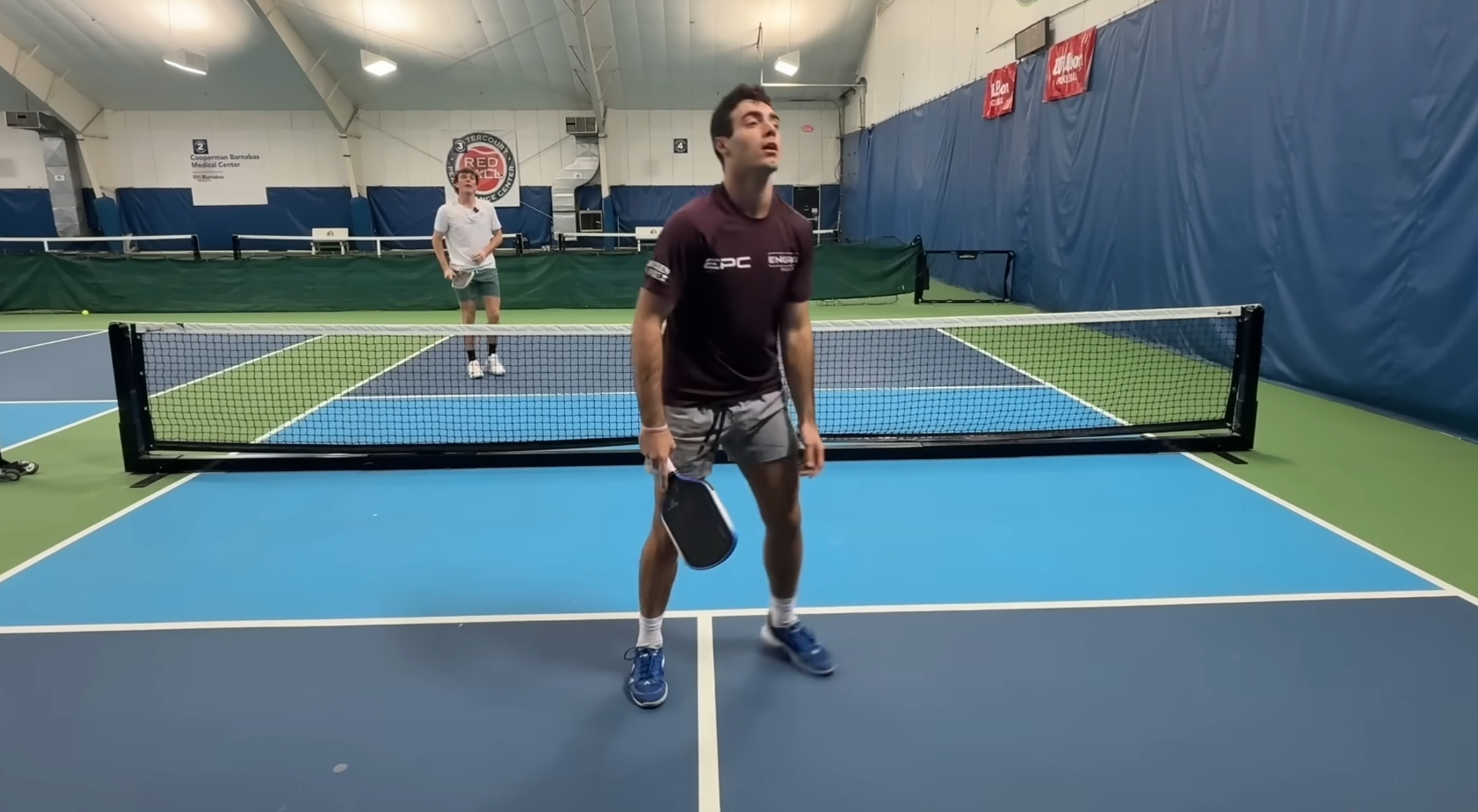
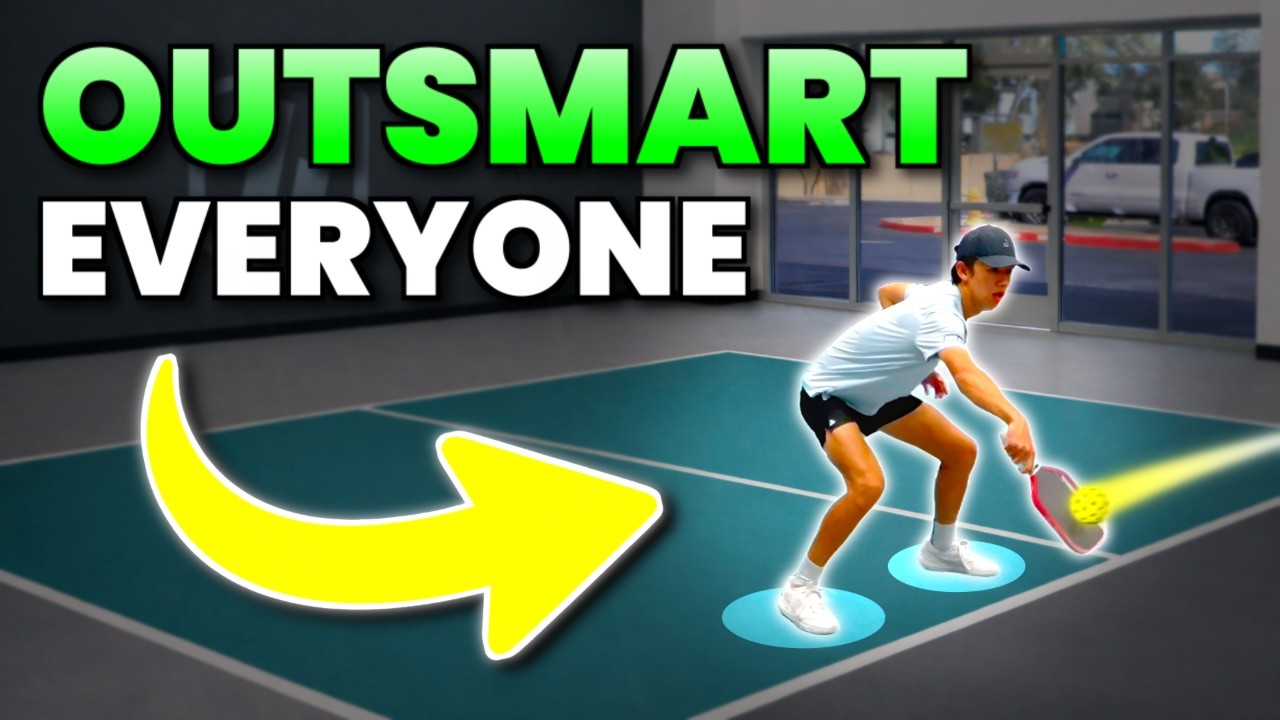
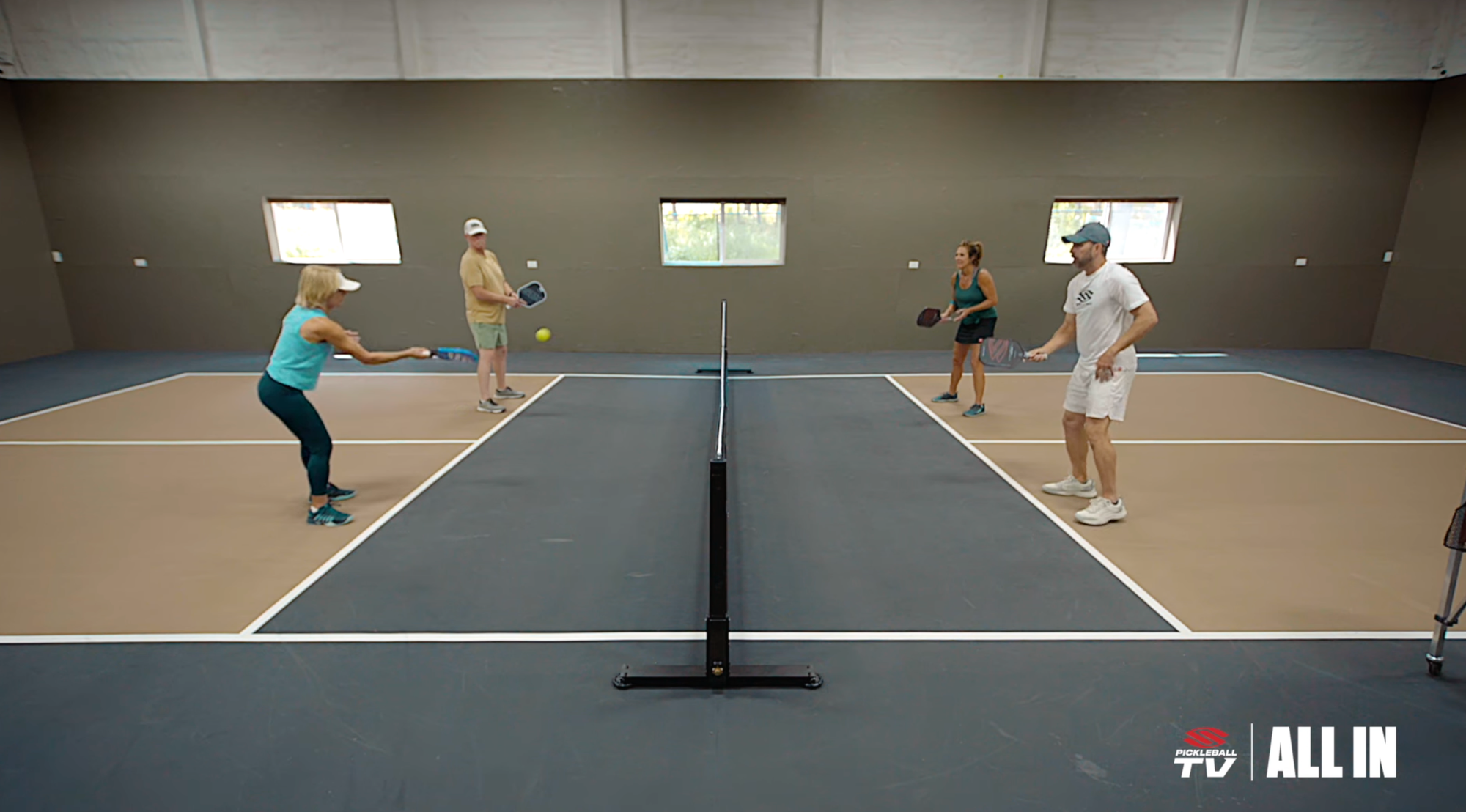
Proper positioning makes every dink more effective. Maintain a balanced, athletic stance with your feet shoulder-width apart and knees slightly bent. Stay on the balls of your feet, ready to move quickly in any direction.
Position yourself approximately two feet behind the kitchen line. This gives you enough space to let the ball bounce and provides room to step forward into your shots. Avoid crowding the net—you'll have less time to react and fewer angle options for placement.
Weight Distribution and Movement
Keep your weight evenly distributed but ready to shift forward. As you execute each dink, step toward the ball with your opposite foot. This forward momentum helps control the ball's speed and creates better angles for placement.
Strategic Placement: Playing Chess, Not Checkers
Random dinking rarely wins points. Successful players use strategic placement to move opponents around the court, creating weaknesses to exploit. Target the corners of the kitchen, forcing your opponents to stretch and potentially pop the ball up for an attackable shot.
Vary your placement patterns—hit to the forehand, then backhand, then straight ahead. Keep opponents guessing and prevent them from settling into a comfortable rhythm. Cross-court dinks are particularly effective because they use the longest part of the court and create sharp angles.
Reading Your Opponent
Watch for signs that your opponent is struggling with certain placements. Some players have weaker backhands, while others struggle with low balls to their feet. Once you identify these weaknesses, exploit them consistently until they demonstrate they can handle those shots.
The Patience Game: When to Dink and When to Attack
Successful dinking requires exceptional patience. You're not trying to hit immediate winners from the kitchen line. Instead, you're creating situations where opponents make mistakes or provide attackable balls.
Look for balls that rise above the net as opportunities to transition from dinking to attacking. A ball that bounces high or comes with pace can often be volleyed aggressively for a winner or put-away shot.
Building Point Construction
Think of each rally as a story with a beginning, middle, and end. The beginning involves patient dinking and positioning. The middle develops as you move opponents around and probe for weaknesses. The end comes when someone makes an error or provides an attackable opportunity.
Practice Drills for Dinking Excellence
Consistent practice builds the muscle memory necessary for reliable dinking. Set up cross-court dinking rallies with a partner, focusing on keeping balls low and in the kitchen. Count consecutive successful dinks to build consistency.
Practice placement drills by aiming for specific targets in the kitchen corners. Use cones or other markers to create visual targets and track your accuracy over time.
Frequently Asked Questions
How do I keep my dinks from going into the net?
Focus on your paddle angle and follow-through. Keep the paddle face slightly open (angled upward) and ensure your forward motion includes a subtle upward component. Practice with a higher net clearance initially, then gradually lower your shots as your consistency improves.
When should I stop dinking and attack?
Attack when the ball rises above net height with manageable pace, when your opponent is out of position, or when they hit a ball that lands short in the kitchen. The key is patience—wait for the right opportunity rather than forcing attacks on difficult balls.
What's the biggest mistake players make when learning to dink?
Taking too large a backswing and trying to generate power through arm motion. Effective dinking relies on compact movements, proper positioning, and using your body's forward momentum rather than aggressive paddle swings.