The difference between a 4.5 and 5.0 pickleball player isn't what you might expect. It's not about having better shots, more power, or even superior technique. The real separator is something far more subtle yet game-changing: knowing exactly when to attack and when to hold back.
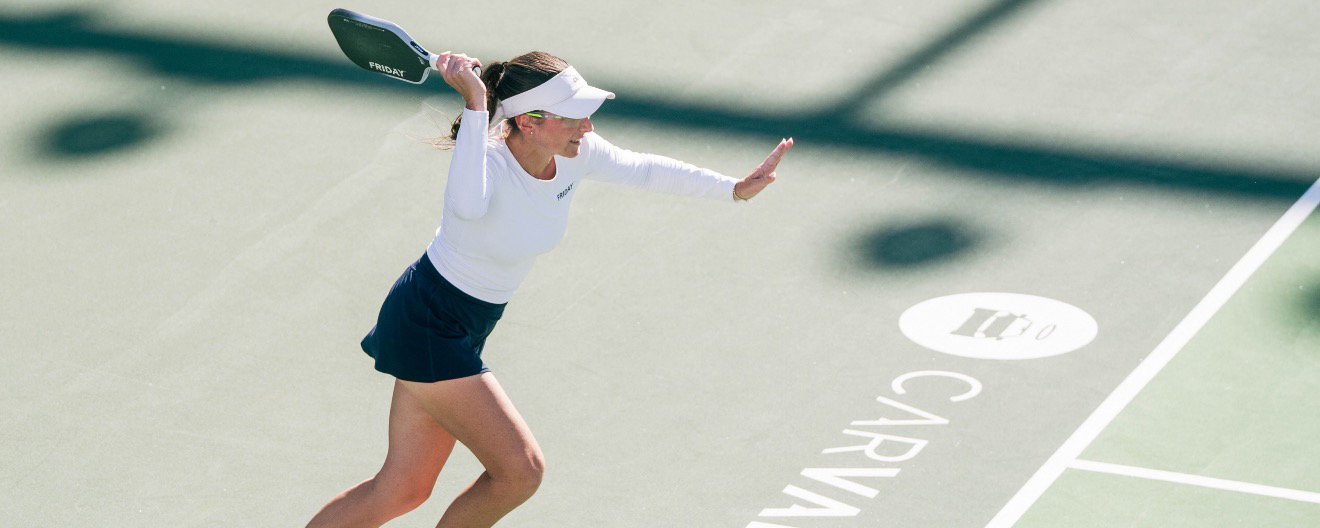
Professional PPA Tour player Ava Ignatowich has identified the core problem plaguing intermediate players: they're attacking the wrong balls at the wrong times. This strategic flaw costs more points than any technical mistake ever could.
Why Decision-Making Trumps Shot-Making
Most intermediate players possess the same arsenal as advanced competitors. You can execute a speed-up, hit aggressive drives, and place your shots with precision. The issue isn't your ability to make these shots - it's your judgment about when to deploy them.
This decision-making gap explains why you might dominate in practice drills but struggle in actual games. Drilling shots is only half the equation; understanding the tactical application is what elevates your game to the next level.
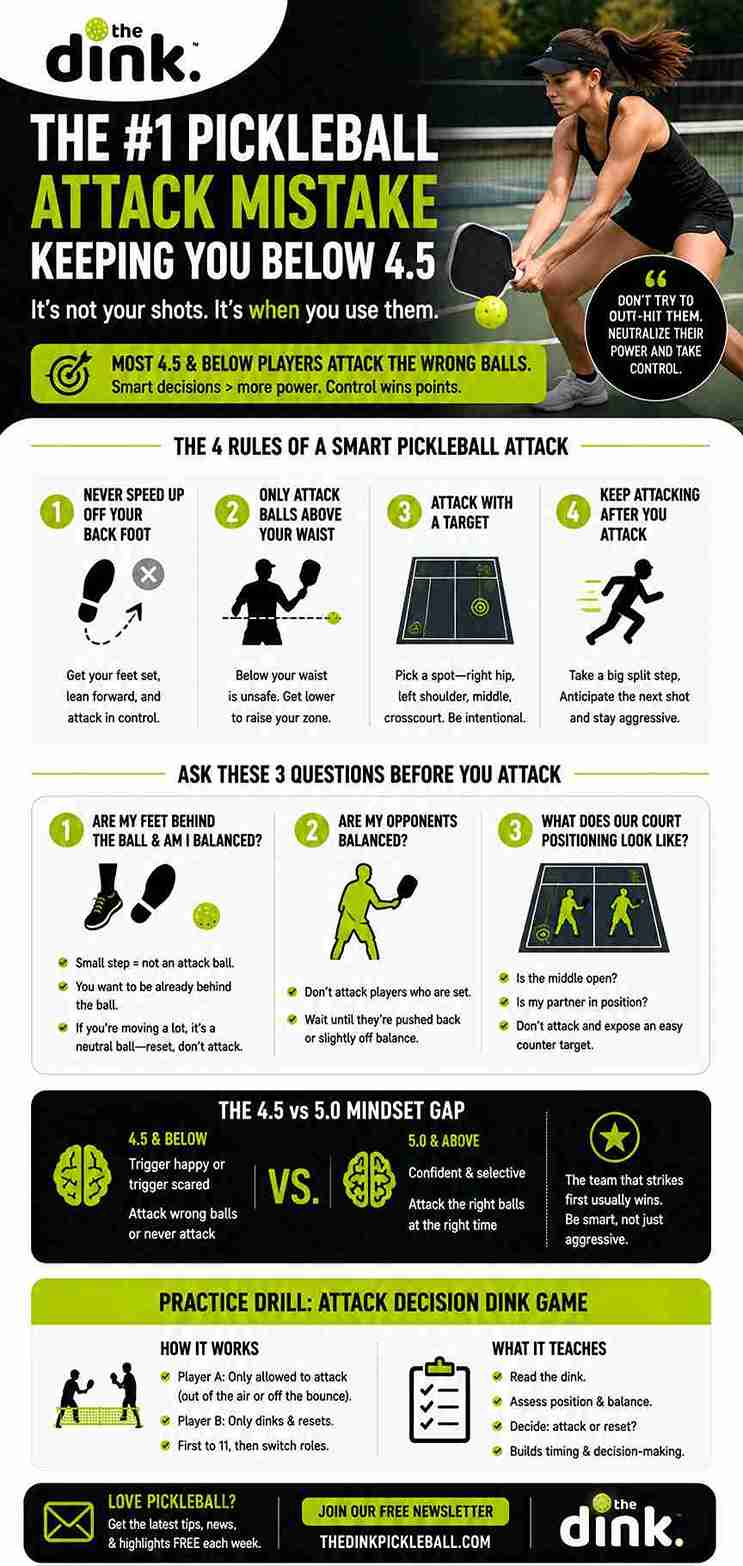
The 4 Essential Rules for Strategic Attacks
Rule #1: Attack High Balls Above the Net
The golden rule of pickleball offense is simple: if the ball is above the net and you're in an aggressive position, that's your green light. These opportunities don't come often, so you must capitalize when they arise. High balls give you the angle and momentum needed to put your opponents in defensive positions.
Rule #2: Patience Beats Aggression on Low Balls
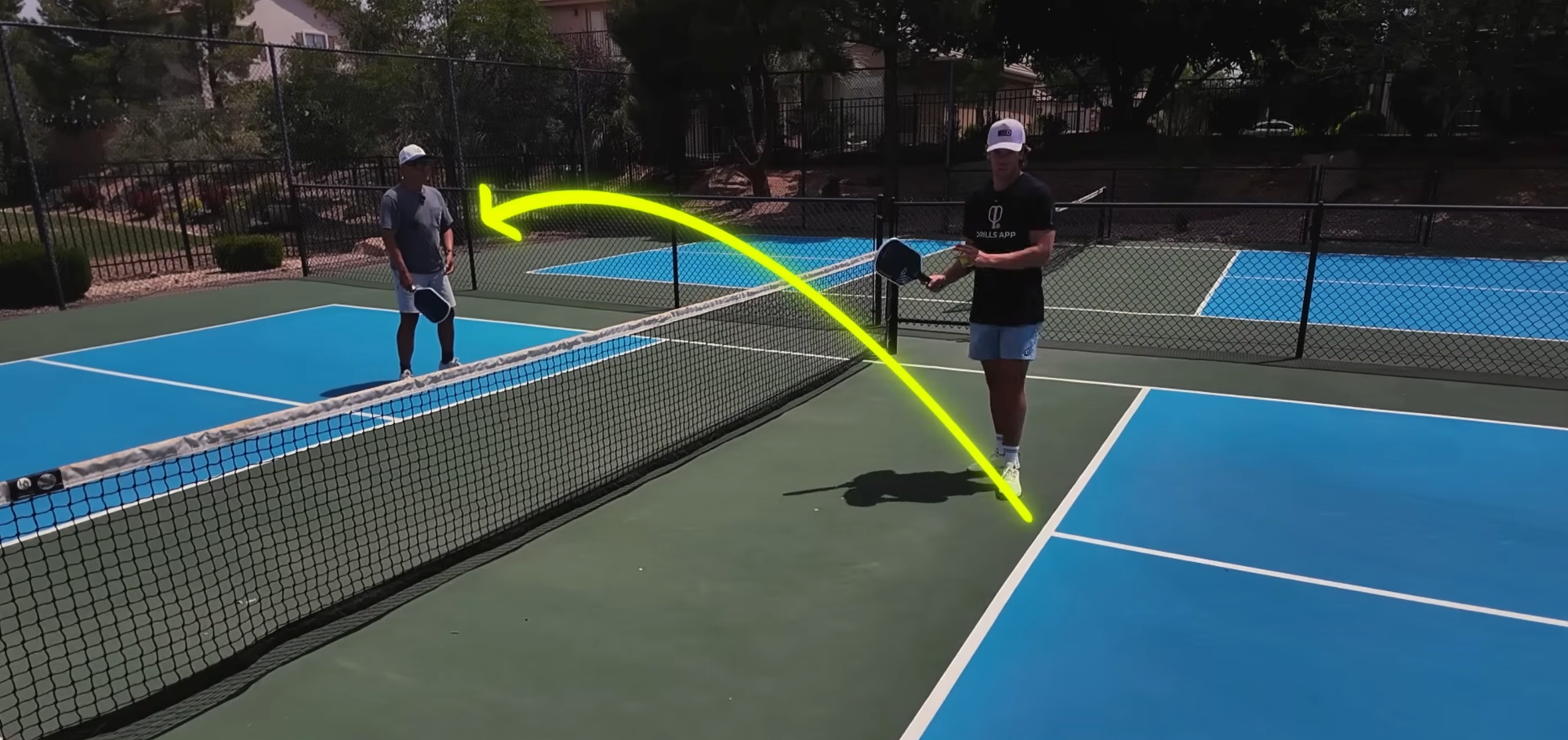
Conversely, balls below the net require restraint. Attempting aggressive attacks from below net level typically results in either hitting into the net or setting up easy counter-attacks for your opponents. Instead, focus on controlled placement that maintains neutral positioning until a better opportunity presents itself.
Rule #3: Consider Your Court Position
Your location on the court dramatically influences when attacks make sense. Being at the non-volley zone line with both feet planted gives you maximum offensive potential. Attacking from the baseline or while moving backward rarely produces winning shots and often puts you in compromised positions.
Rule #4: Read Your Opponent's Position
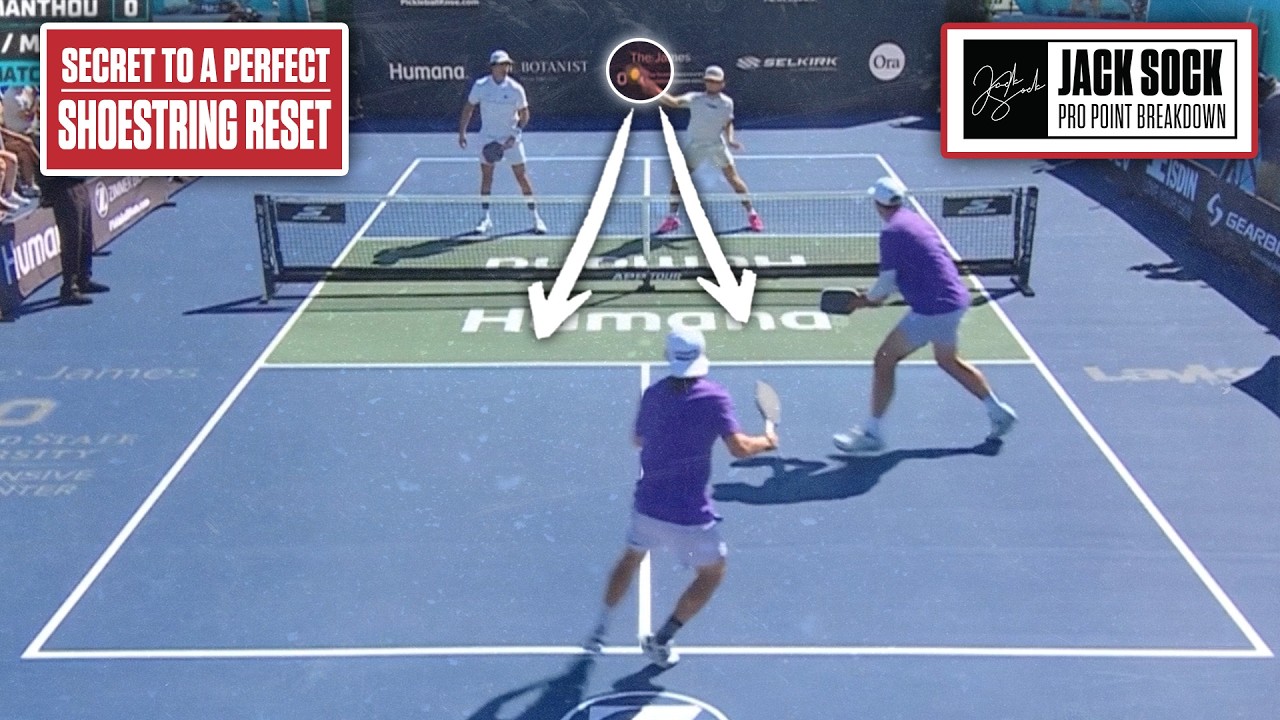
The most sophisticated attackers don't just focus on the ball - they read their opponents' positioning. If your opponents are out of position, off-balance, or caught moving in the wrong direction, even moderately aggressive shots can become winners. Conversely, attacking into perfectly positioned defenders wastes good opportunities.
Common Attack Timing Mistakes
Understanding what not to do is equally important as knowing proper attack timing. Many intermediate players fall into predictable patterns that advanced opponents easily exploit.
Forcing attacks on defensive shots: When you're scrambling to return a difficult ball, resist the urge to immediately go on offense. Reset the point and wait for a genuine opportunity.
Attacking without setup: Great attacks often come after building pressure through consistent placement. Instead of rushing for winners, create situations where attacking becomes the logical next step.
Ignoring opponent recovery time: Give your opponents time to get set, and your attacks become much less effective. Strike while they're still adjusting position or recovering from their previous shot.
Developing Better Court Awareness
Improving your attack timing requires developing enhanced court awareness. This means simultaneously tracking the ball, monitoring your position, and reading your opponents' movements. This multi-layered awareness takes time to develop but transforms your strategic understanding.
Practice scenarios where you focus solely on decision-making rather than shot execution. Have training partners feed you various balls while you verbally call out whether each situation warrants an attack or requires patience. This builds the mental framework necessary for better in-game decisions.
Frequently Asked Questions
How do I know if a ball is high enough to attack?
A good rule of thumb is that the ball should be at or above net height when it reaches your paddle. If you're reaching up to make contact rather than down or level, you're likely in a good attacking position.
What should I do when I'm unsure whether to attack?
When in doubt, err on the side of caution. A controlled shot that maintains your court position is better than a risky attack that puts you in defensive trouble. As you develop better instincts, you'll recognize more attacking opportunities.
How long does it typically take to improve attack timing?
Most players see noticeable improvement in their decision-making within 4-6 weeks of focused practice. However, developing truly advanced court awareness and tactical thinking can take several months of consistent play and mindful practice.