Why Amateur Players Struggle Against Strategic Opponents
The difference between amateur and professional pickleball isn't just skill level—it's strategic thinking. While recreational players often focus on power and aggression, elite players win through patience, positioning, and high-percentage shot selection.
These five amateur mistakes are costing you matches, and recognizing them could transform your game overnight.

Mistake #1: Rushing to the Net Without Purpose
Amateur players treat the net like a magnet, rushing forward at every opportunity. However, pros understand that net position without proper setup is a liability.
Elite players advance to the net only when they've:
- Hit a deep, forcing shot that puts opponents on defense
- Received a short ball that allows controlled forward movement
- Coordinated with their partner to avoid leaving gaps
The key is earning your way to the net through strategic shot placement, not sprinting there hoping for the best.
Mistake #2: Forcing Low-Percentage Aggressive Shots
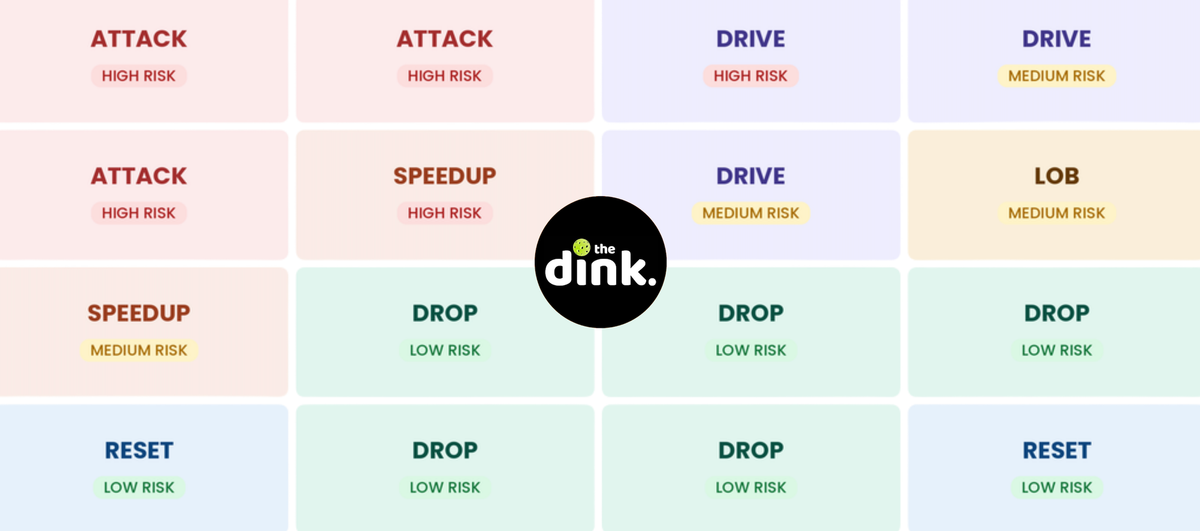
Nothing screams "amateur" like attempting spectacular winners from defensive positions. Professional players recognize that consistency beats flashiness every time.

When pros find themselves in trouble, they:
- Reset the point with a high, soft return
- Move the ball to create better positioning
- Wait for genuine attacking opportunities
Save the aggressive shots for when you're in control of the point, not when you're scrambling to stay alive.
Mistake #3: Ignoring Court Positioning and Partner Communication
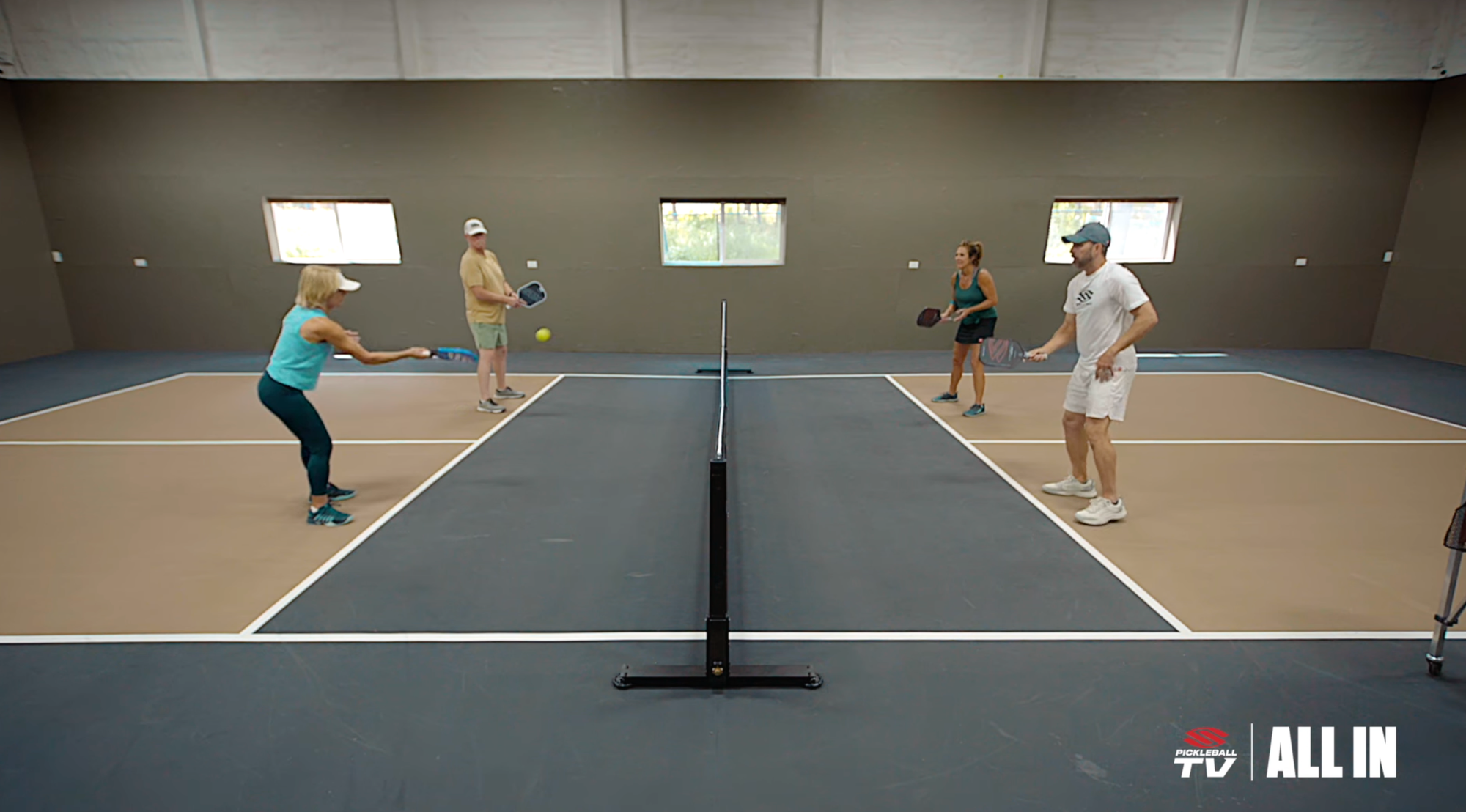
Amateur doubles teams often look like two singles players sharing a court. Professional teams move as synchronized units, constantly communicating and adjusting positions.
Common Positioning Errors:
- Both players crowding the same side of the court
- Failing to shift when the ball moves
- Not protecting the middle of the court
- Standing too close together or too far apart
Pros maintain proper court coverage through constant micro-adjustments and clear partner communication throughout every point.
Mistake #4: Poor Shot Selection Under Pressure
When the pressure mounts, amateur players typically default to either ultra-conservative play or reckless aggression. Neither approach is optimal.
Professional players maintain their shot selection discipline regardless of the score. They understand that the same strategic principles that work at 0-0 also work at 10-9.
Key pressure-situation strategies:
- Stick to high-percentage shots you've practiced
- Focus on placement over power
- Make opponents beat you with great shots
- Trust your preparation and training
Mistake #5: Neglecting the Mental Game
Perhaps the biggest gap between amateur and professional players isn't physical—it's mental. Pros approach each point with clear intention and emotional control.
Mental Game Fundamentals:
- Point Management: Every shot has a purpose within the larger point strategy
- Emotional Regulation: Bad shots don't cascade into bad games
- Adaptability: Adjusting tactics based on opponents' strengths and weaknesses
- Preparation: Visualizing scenarios before they happen
Amateur players often let emotions dictate their shot selection, while pros maintain strategic clarity regardless of circumstances.
Implementing Pro-Level Thinking
Transforming your game doesn't require perfect technique—it requires strategic awareness and disciplined execution. Start by focusing on one mistake at a time during practice sessions.
Remember: professional players aren't necessarily more athletic than dedicated amateurs, but they consistently make better decisions under pressure. By eliminating these five common mistakes, you'll immediately start playing more like the pros.
Frequently Asked Questions
How can I improve my shot selection during matches?
Focus on your court position relative to your opponents before choosing your shot. If you're behind the baseline or stretched wide, prioritize getting back in the point rather than trying to end it. Practice recognizing "green light" situations where aggressive shots are appropriate versus "red light" situations where patience is required.
What's the best way to communicate with my doubles partner during play?
Develop simple, clear signals and calls before the match starts. Use short phrases like "mine," "yours," "switch," and "stay." Most importantly, communicate constantly between points about positioning adjustments and tactical observations about your opponents.
How do pros maintain consistency under pressure?
Professional players rely heavily on pre-point routines and breathing techniques to maintain focus. They also practice high-pressure situations regularly, so tournament pressure feels familiar rather than overwhelming. Develop your own between-point routine and stick to it regardless of the score.