If you're feeling stuck in the 3.0-4.0 pickleball range, you're not alone. The vast majority of intermediate players hit this frustrating plateau and struggle to advance beyond it. The truth is, breaking through isn't about mastering complex techniques—it's about identifying and fixing five critical mistakes that are sabotaging your progress.
Recent analysis from top pickleball coaches reveals that these common errors create a skill ceiling that keeps players trapped at the intermediate level. The good news? Once you understand what you're doing wrong, the path forward becomes crystal clear.
The Five Game-Changing Mistakes
1. Poor Shot Selection and Court Positioning
Many 3.0-4.0 players focus too heavily on power rather than placement. They attempt aggressive shots from defensive positions, leading to unforced errors and missed opportunities. Advanced players understand that patience and proper positioning trump raw power every time.
The fix: Develop better court awareness and learn when to attack versus when to reset. Practice hitting to specific targets rather than just hitting hard.
2. Inconsistent Third Shot Strategy
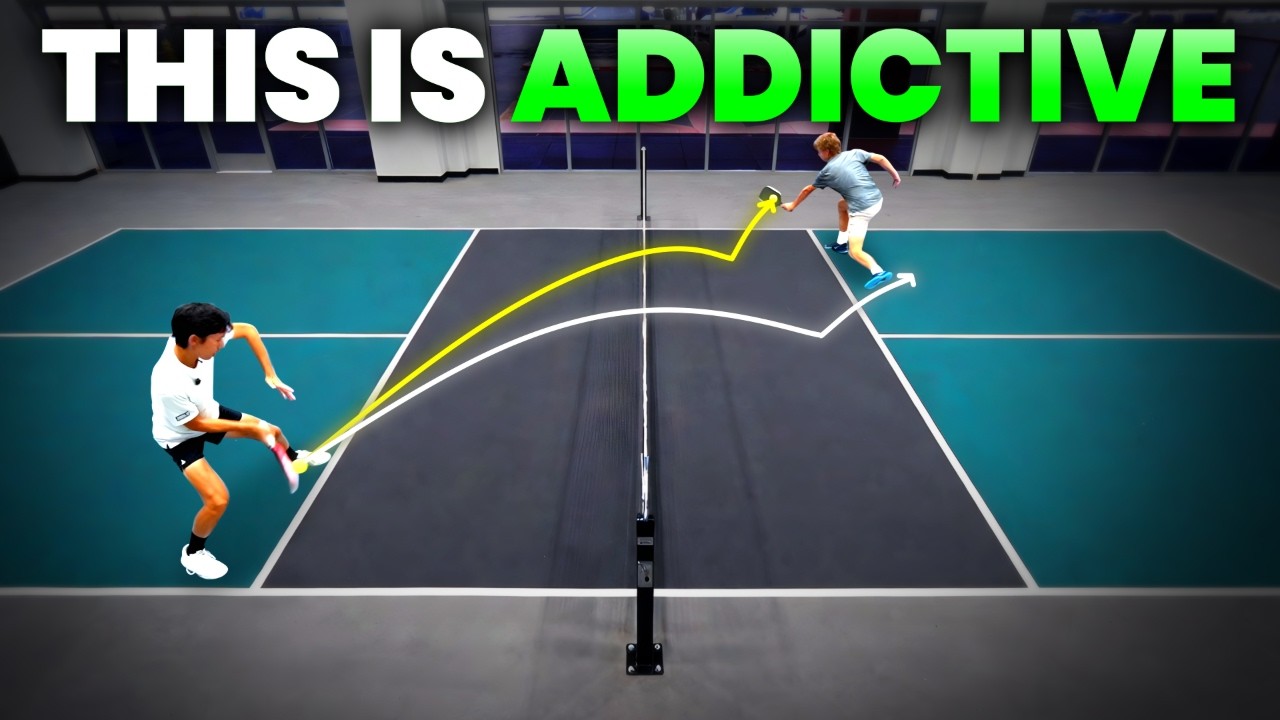
The third shot is arguably the most crucial shot in pickleball, yet intermediate players often struggle with consistency here. They either attempt overly aggressive third shot drives or lack the precision needed for effective drop shots.
Focus on developing a reliable third shot drop that consistently lands in the kitchen. This single improvement can dramatically change your game dynamics and open up offensive opportunities.
3. Inadequate Kitchen Line Play
While most 3.0-4.0 players understand they need to get to the kitchen line, many fail to execute effective strategies once they're there. They stand too close to the net, struggle with volleys, or can't maintain proper positioning during exchanges.

Work on your ready position at the kitchen line, practice controlled volleys, and learn to move as a team with your partner. The kitchen line is where points are won and lost at higher levels.
4. Weak Return of Serve Technique
Many intermediate players treat the return of serve as just getting the ball back over the net. This defensive mindset immediately puts them at a disadvantage and allows opponents to dictate play from the start.
Transform your return into an offensive weapon by aiming deep and to specific targets. A strong return forces opponents into defensive positions and gives you time to advance to the kitchen line.
5. Limited Mental Game and Strategy
Physical skills alone won't get you past 4.0. Advanced players excel at reading opponents, adapting strategies mid-game, and maintaining mental composure under pressure. They understand patterns, exploit weaknesses, and make intelligent decisions rather than relying on instinct alone.
Creating Your Improvement Plan
Breaking through the 3.0-4.0 plateau requires deliberate practice focused on these specific areas. Don't try to fix everything at once—choose one mistake to address each week and practice it consistently.
Consider working with a certified instructor who can provide personalized feedback on your technique. Video analysis of your games can also reveal patterns you might not notice during play.
Practice Drills That Make a Difference
Incorporate targeted drills into your practice sessions. Work on third shot drops from various court positions, practice kitchen line volleys with a partner, and spend time on return of serve accuracy. Consistency in these fundamentals will pay dividends in match play.
Remember, advancing beyond 4.0 requires patience and persistence. Focus on reducing unforced errors before trying to increase winners. Clean up these five critical mistakes, and you'll find yourself competing at a higher level sooner than you think.
Frequently Asked Questions
How long does it typically take to move from 3.0 to 4.5?
With focused practice on these key areas, most players can advance from 3.0 to 4.5 within 6-12 months. Progress depends on practice frequency, quality of instruction, and how quickly you can eliminate these common mistakes.
Should I focus on all five mistakes simultaneously?
No, it's more effective to address one mistake at a time. Choose the area where you struggle most and dedicate 2-3 weeks to improvement before moving to the next issue. This focused approach leads to faster, more sustainable progress.
Can I improve without taking lessons?
While self-improvement is possible, working with a qualified instructor accelerates progress significantly. They can identify mistakes you might not recognize and provide specific drills to address your weaknesses efficiently.