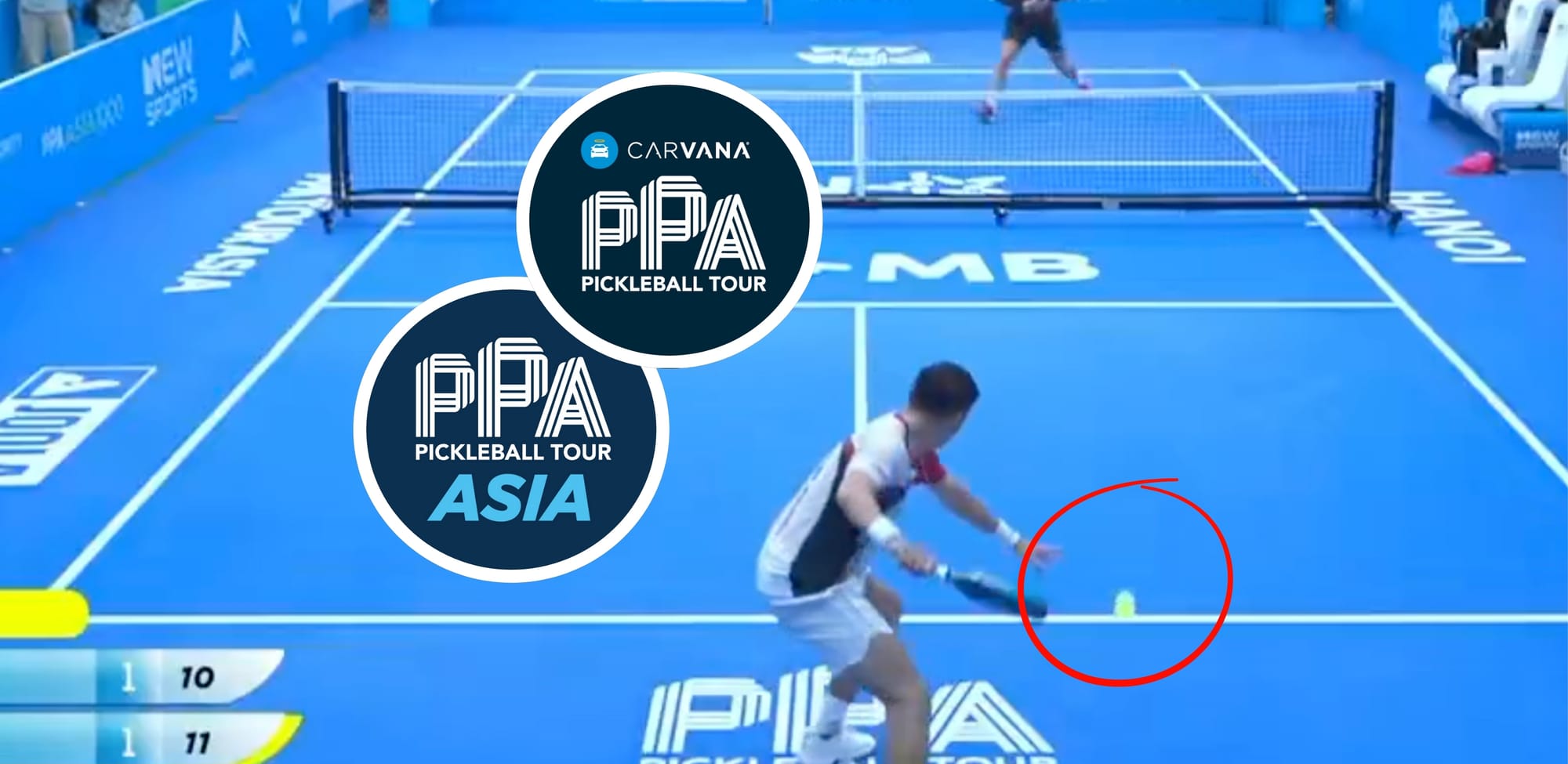
The pickleball world is buzzing after a contentious line call controversy involving Christian Alshon on match point during his men's singles clash against Vietnam's Hoang Nam Ly in Hanoi. The disputed shot, which ended the match in dramatic fashion, has sparked intense debate across social media and professional circles about line calling accuracy and tournament officiating standards.
The Controversial Match Point That Has Everyone Talking
In what should have been a routine conclusion to an otherwise competitive match, Christian Alshon found himself at the center of a line call dispute that's now reverberating throughout the professional pickleball community. The incident occurred during the final moments of his singles matchup against local favorite Hoang Nam Ly at the Vietnam tournament in Hanoi.
Video footage of the decisive point shows Alshon executing what appeared to be a well-placed shot near the baseline. However, the line judge called the ball out, effectively ending the match in favor of his Vietnamese opponent. The immediate reaction from both players and courtside spectators suggested the call was far from clear-cut.
Line calling controversies like this highlight the ongoing need for consistent officiating standards as pickleball continues its rapid global expansion, now reaching over 36 million players worldwide.
The timing couldn't have been more dramatic – or controversial. With match point on the line, every millimeter matters, and the disputed call has raised questions about the reliability of human line judges in high-stakes professional matches.
Breaking Down the Disputed Call
Frame-by-frame analysis of the available footage reveals why this particular line call has generated such heated discussion. The ball's trajectory and landing position appear to be extremely close to the baseline, making it one of those calls that could legitimately go either way depending on the official's angle and perspective.
Several factors contribute to the controversy surrounding this specific call:
- The ball's proximity to the baseline made it a borderline call even under ideal viewing conditions
- Court surface conditions and lighting may have affected the line judge's visibility
- The high-pressure match point situation amplified scrutiny of the decision
- Different camera angles provide conflicting visual evidence
Professional players and coaches who have reviewed the footage remain divided. Some argue the call was correct based on their viewing angle, while others maintain the ball clearly landed inside the court boundaries.
Technology vs. Human Judgment
This incident has reignited discussions about implementing electronic line calling systems in professional pickleball tournaments. While tennis has successfully adopted technologies like Hawk-Eye for challenging line calls, pickleball's rapid growth has outpaced the development and deployment of similar systems.
The Vietnam tournament, like many international events, relied solely on human line judges without electronic backup or challenge systems. This traditional approach, while cost-effective, inevitably leads to situations like the Alshon controversy.
Player and Community Reactions
The pickleball community's response has been swift and polarized. Social media platforms erupted with frame-by-frame analysis, slow-motion replays, and heated debates about the call's accuracy. Professional players, many of whom have experienced similar controversial calls, have weighed in with their perspectives.
The incident has also highlighted the sportsmanship displayed by both competitors. Despite the controversial nature of the call, both Alshon and Hoang Nam Ly handled the situation with professionalism, accepting the official's decision without prolonged argument or unsportsmanlike conduct.
Tournament organizers have faced pressure to address the controversy and potentially review their line calling procedures for future events. The Vietnam tournament represents an important step in pickleball's international expansion, making the integrity of officiating even more crucial for the sport's global reputation.
Implications for Tournament Officiating Standards
This controversy extends beyond a single match point, raising broader questions about officiating consistency in professional pickleball. As the sport continues its explosive growth and attracts more international attention, establishing reliable officiating standards becomes increasingly important.
Tournament directors and professional tours are now evaluating several potential solutions:
- Enhanced line judge training programs with standardized certification requirements
- Implementation of challenge systems similar to those used in tennis
- Investment in electronic line calling technology for major tournaments
- Development of video review protocols for disputed calls
The financial investment required for these improvements is significant, particularly for emerging markets like Vietnam where pickleball is still establishing its foothold. However, incidents like the Alshon controversy demonstrate the potential cost of maintaining the status quo.
Looking Forward: Lessons Learned
While controversial calls are an inevitable part of competitive sports, the pickleball community's response to this incident reveals both the passion of its participants and the sport's commitment to continuous improvement. For the latest player standings and tournament results, check our rankings page to stay updated on how these events affect professional standings.
The Vietnam tournament controversy also underscores pickleball's rapid international growth and the challenges that come with expanding into new markets. Ensuring consistent officiating standards across diverse geographic locations requires ongoing investment in training and technology.
The Broader Impact on Professional Pickleball
Beyond the immediate controversy, this incident highlights pickleball's evolution from a recreational pastime to a serious competitive sport with global aspirations. The intense scrutiny of line calls, the passionate fan reactions, and the professional discourse surrounding officiating standards all indicate a maturing sport that demands higher standards.
The Christian Alshon controversy in Vietnam may ultimately serve as a catalyst for positive changes in tournament officiating. While the immediate aftermath has been divisive, the long-term impact could include improved officiating systems, better training protocols, and enhanced technology implementation.
As pickleball continues attracting international attention and investment, maintaining the integrity and credibility of professional competition becomes paramount. The sport's governing bodies and tournament organizers must balance the costs of implementing advanced officiating systems against the potential damage to credibility from controversial calls.
Frequently Asked Questions
What exactly happened during the controversial call involving Christian Alshon?
During match point in Alshon's singles match against Hoang Nam Ly in Vietnam, a line judge called Alshon's shot out, ending the match in favor of his opponent. Video footage suggests the call was extremely close, leading to widespread debate about its accuracy.
Does professional pickleball have a challenge system for disputed line calls?
Currently, most professional pickleball tournaments rely on human line judges without electronic challenge systems. Unlike tennis, which uses Hawk-Eye technology, pickleball has not yet widely implemented electronic line calling or formal challenge procedures.
How might this controversy change officiating in professional pickleball?
The incident has sparked discussions about implementing electronic line calling systems, enhanced line judge training programs, and potential challenge systems for major tournaments. These changes could help reduce controversial calls and improve officiating consistency across international events.