Facing younger, more athletic opponents on the pickleball court can feel intimidating. Your first instinct might be to hit harder or move faster, but that's exactly the wrong approach. The secret to beating younger players isn't matching their athleticism—it's outsmarting them.
Coach Jess from Athena Pickleball, a 48-year-old open-level competitor who regularly defeats players half her age, proves that strategic thinking trumps raw power every time. Her approach transforms the game from a physical battle into a mental chess match—one that experienced players are perfectly positioned to win.
Why Power Doesn't Win Against Youth
The biggest mistake experienced players make is trying to out-athlete younger opponents. This strategy backfires because you're competing in their strongest area while abandoning your own advantages: court awareness, shot selection, and game intelligence.
"If you keep trying to overpower younger players, you're playing the wrong game," Coach Jess explains. Instead of chasing speed and power, successful veteran players leverage patience, precision, and strategic thinking to control matches.
Strategy #1: Master Court Positioning and Movement
Young players often rely on their speed to recover from poor positioning. Turn this strength into a weakness by forcing them to cover maximum court distance with every shot.
Focus on:
- Moving opponents side-to-side rather than forward and back
- Creating sharp angles that require explosive directional changes
- Maintaining optimal court position yourself to minimize movement
- Using drop shots to pull them forward, then hitting deep
The key is making every point a marathon rather than a sprint. While young players can handle short bursts of intense movement, consistent court coverage over multiple points becomes exhausting.
Strategy #2: Exploit Their Impatience
Younger players often want to end points quickly, making them vulnerable to patient, strategic play. Use their aggressive nature against them by:
Building Points Methodically
Instead of going for winners immediately, construct points that gradually increase pressure. Hit three setup shots for every aggressive shot, forcing opponents to maintain focus and patience—qualities that don't always come naturally to younger players.
Varying Shot Pace
Mix slow dinks with medium-pace drives to disrupt their rhythm. Young players often struggle when they can't establish a consistent tempo or power level.
Using Defensive Shots Strategically
Don't be afraid to hit high, soft returns that give you time to reset. While younger players might see this as weakness, you're actually controlling the point's tempo and creating opportunities for counterattacks.
Strategy #3: Target Their Technical Weaknesses
Athletic ability can mask technical deficiencies. Experienced players should identify and systematically attack these weaknesses:
Challenge Their Backhand
Many young players develop powerful forehands but neglect backhand technique. Consistently target their backhand side, especially with low shots that require precise touch rather than power.
Test Their Net Game
Young players often prefer baseline exchanges where they can use their power. Force them to the net with drop shots and dinks, where finesse matters more than athleticism.
Exploit Their Overhead Weakness
While young players can jump higher, they may lack proper overhead technique. Lob strategically to create overhead opportunities, then watch for technical errors.
Mental Game: Your Secret Weapon
The biggest advantage experienced players have is mental toughness. Young players often get frustrated when their power shots don't work, leading to unforced errors and poor decision-making.
Stay calm, patient, and consistent. Let them make the mistakes while you control the match tempo. Your experience handling pressure situations becomes invaluable during crucial points.
Implementing These Strategies
Success requires discipline. Resist the urge to match their power or speed. Instead, focus on:
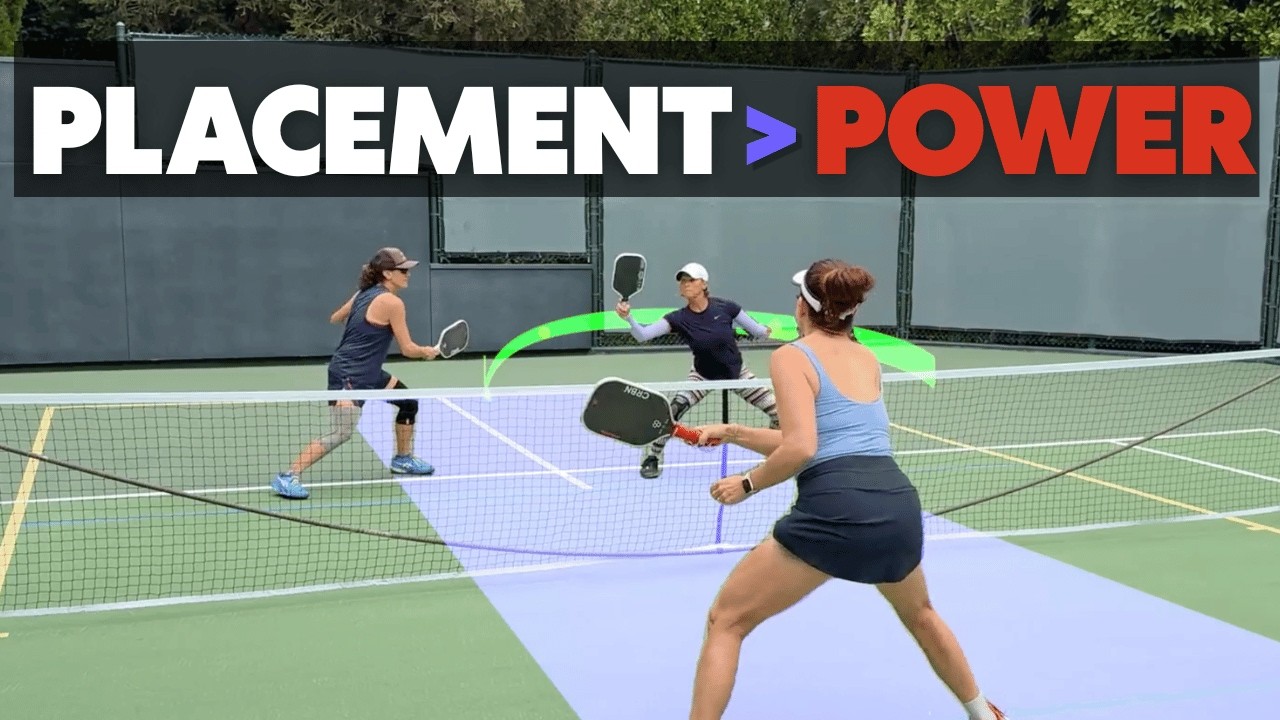
- Shot placement over shot power
- Point construction over quick winners
- Consistency over flashy shots
- Mental composure over emotional reactions
Remember, you're not trying to beat them at their game—you're making them play yours.
Frequently Asked Questions
How long does it take to see results using these strategies?
Most players notice improvement within 2-3 matches once they commit to strategic play over power. The key is patience and trusting the process even when points take longer to develop.
What if the younger player is also strategically smart?
Focus even more heavily on consistency and court positioning. Smart young players are dangerous, but they often lack the experience to maintain strategic discipline under pressure for entire matches.
Should I completely avoid power shots?
No, but use them strategically rather than constantly. Power shots work best as surprises after you've established a pattern of placement-focused play, catching opponents off-guard when they least expect aggression.